The Legend of Zelda series is so steeped in lore at this point that just figuring out which version of Link you’re playing as can be tricky. Heck, I’m still not sure that’s even his real name
The trivia-themed YouTube series “Did You Know Gaming?” took another stab at Zelda’s rich history recently, and the new video offers up some interesting and often silly bits of information:
My personal favorite is the detail about the ChuChus from Wind Waker being “voiced” by an audio recording of two men arguing that was sped up and played in reverse. But there are also a lot of details here about how specific Zelda titles came to be—often by being salvaged from botched attempts to remake an earlier game for a new system:
Ocarina of Time, widely regarded as one of the best Zelda games, was “heavily influenced by a failed attempt at remaking Zelda II,” which is generally considered to be one of the worst games in the series.
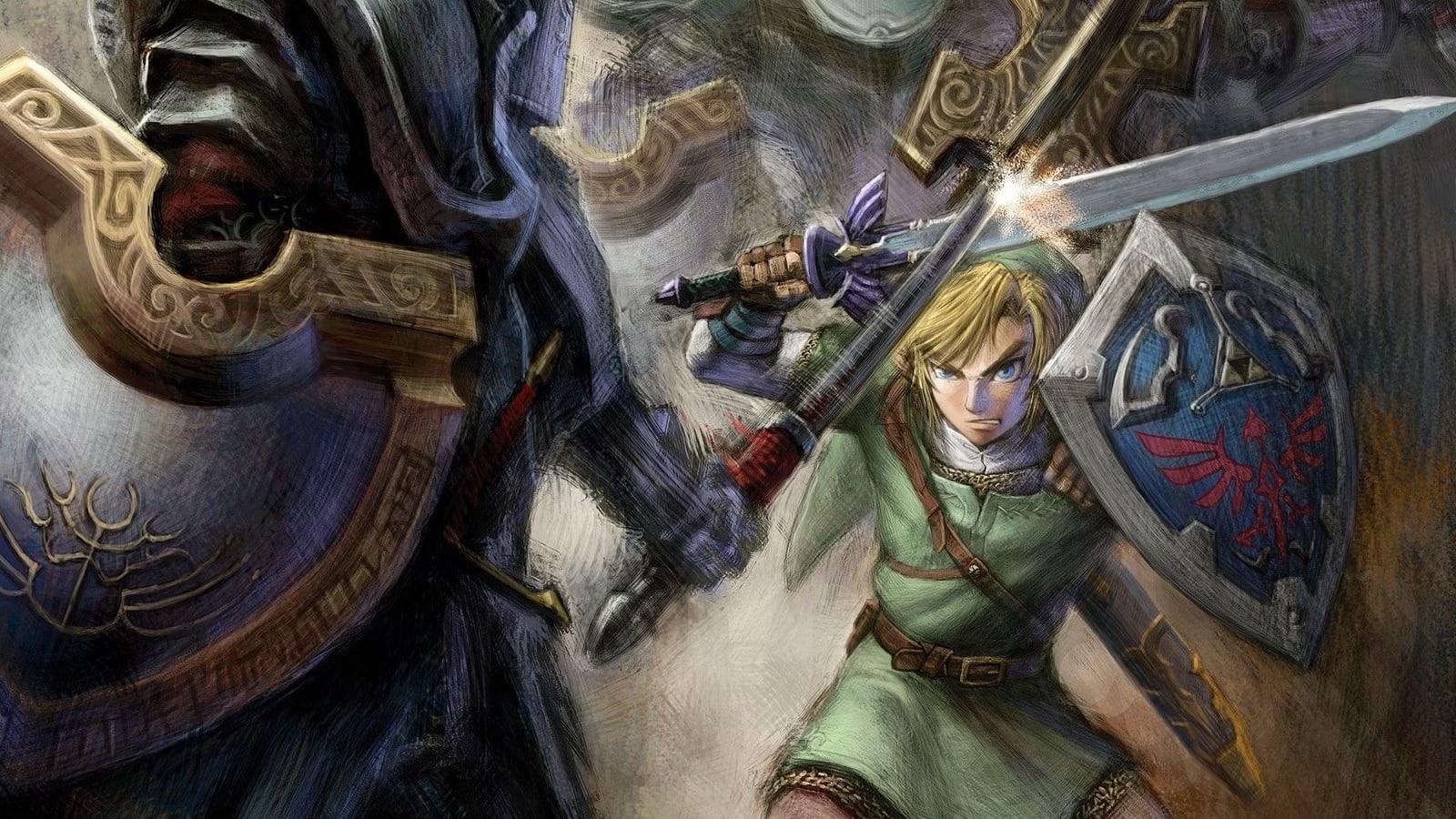
Link’s swordplay was inspired by chanbara swordfighting, a type of combat featured in many popular samurai movies.
The shiny metal knight Link fights in the original trailer for Ocarina of Time was made with the same texture as Metal Mario from Super Mario 64.
Link’s Awakening, the first Zelda game for the Game Boy, was originally an attempt to remake the SNES classic A Link To The Past for a handheld console. It began as a side-project that the developers toyed with after hours for fun.
Capcom, the only third-party studio that’s ever made Zelda games, began collaborating with Nintendo after pitching a remake of the original Legend of Zelda for the Game Boy Color. They ended up working on miniseries collectively known as The Triforce Trilogy.
The third installment in The Triforce Trilogy was never finished because of a technical difficulty related to a password system meant to carry across all three games.
The 2007 DS game The Phantom Hourglass began as an attempt to port the 2004 GameCube game Four Swords Adventures to a handheld console.
The idea for the latest Zelda game, A Link Between Worlds, came from conversations between Shigeru Miyamoto and Eiji Aonuma in which the two discussed remaking A Link To The Past for the 3DS. Aonuma wanted to make a brand-new game instead. To the delight of many Zelda fans, Miyamoto let him.
The HD remake of Wind Waker for the Wii U came about because Zelda developers were playing around with a tech demo Nintendo brought to E3 in 2011 to show off “The Zelda HD Experience.”
Wind Waker has a special significance for some of its developers because it was the first game to attract the attention of their non-gaming spouses thanks to its cute, cartoonish aesthetic. After seeing the game in action, for example, Anouma’s wife now plays all of his games.
The voice of the ChuChu enemies in Wind Waker is actually a distorted audio recording of two men arguing in Japanese. One of them calls out the other for going bald. Burned!
The nonsensical sentences that fortune teller Fanadi spouts in Twilight Princess are actually just English phrases like “Wait, loading takes a while…” spelled in reverse. Meta.
Fanadi’s name was derived from taking the first two letters of each of the names of the “golden goddesses” from Zelda lore: Farore, Nayru, and Din.
The “scrambled, pseudo-speech” that backs up Midna’s spoken dialogue in Twilight Princess is actually just scrambled versions of sentences spoken in plain English.
The takeaway? Fans shouldn’t get upset if Nintendo ever says it’s going to remake a Zelda game and then fail to follow through. Really, I think I’m just gonna take any future announcement about a port or remake as a sign that something even more awesome is on its way.
To contact the author of this post, write to [email protected] or find him on Twitter at @YannickLeJacq