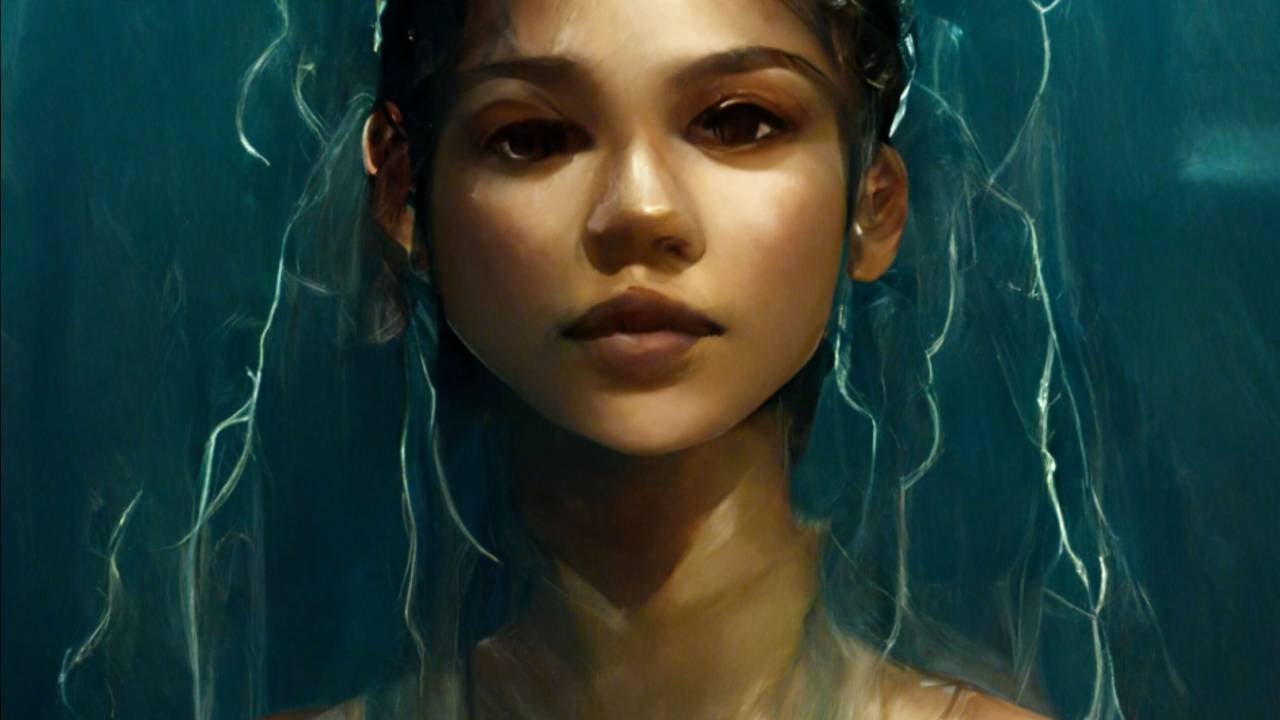
The U.S. Copyright Office turned away an AI-generated piece of work last February, citing a prerequisite of human authorship. That hasn’t prevented AI enthusiasts from trying to legitimize glorified art theft. Last year, one creator tried to register a comic book with images that they generated in the AI tool Midjourney. Yesterday, that creator finally received an official decision regarding a potential copyright. The comic would receive protections for the text and arrangements, which were both produced by a human. However, the images that were generated by AI software would not be copyrighted.
Still, the creator, Kris Kashtanova, is trying to frame it as a win for the AI community. Kashtanova tweeted that Zarya of the Dawn had its copyright “affirmed,” even though that’s not entirely what happened.
I received the Copyright Office's decision today about Zarya of the Dawn. The great news is that they affirmed my copyright, so Zarya of the Dawn will stay officially registered.
— Kris Kashtanova (@icreatelife) February 22, 2023
According to the Copyright Office’s letter, Kashtanova did not originally disclose their use of Midjourney software when they applied for copyright registration last year. The new partial copyright is intended to replace the old one, which covered the entirety of the work. The letter states that the new decision is a more “limited” version. So the decision is actually a massive blow to AI proponents who were hoping that their work would be protected by U.S. copyright law.
Kashtanova told Kotaku they never planned to “monetize” the comic but wanted to know the legal status of AI works in the U.S. Kashtanova said they recognize the decision isn’t the most ideal outcome for the comic, and they could try pushing further for the legal recognition of Midjourney-generated images.
“My lawyers and I are discussing an appeal,” Kashtanova told Kotaku over Twitter DMs. “I’d like to think about it for a few days because it’s been an emotional journey. I was often harassed online for using AI tools and being on the news so much.”
Look, please don’t harass people over the internet. But monetization is the primary aim of protecting one’s copyright. Hobbyists don’t need a copyright to mess around with the technology, and I’d be highly skeptical of anyone who claims they need to enshrine their AI creations in the eyes of U.S. law. Even when artists come together to create collaborative work, they still retain rights over their work—unless they surrender their copyright in order to collect a paycheck. Instead of fretting about their own legal rights, AI creators should be more concerned for the artists whose work they’re exploiting.