Pokémon X and Y (2013, 3DS)
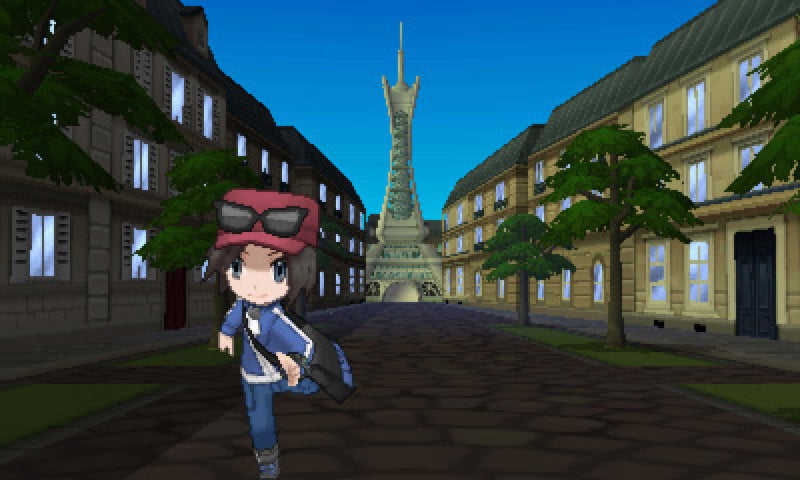
Pokémon X and Y were held back by one thing: Mega Evolutions. In these generation-six games, you could evolve Pokémon into souped-up versions. Not all Pokémon could do so, and the effect only lasted for the duration of a battle. Choosing to put a Pokémon through Mega Evolution also came at the expense of allowing it to use other stat-boosting items. Still, it granted a near-insurmountable stat boost, throwing the entire battle system out of balance.
A new feature called Super Training also sucked the joy out of raising Pokémon. All Pokémon have six stats (attack, defense, speed, special attack, special defense, and HP). These stats are governed largely by a figure known as effort values (EVs). For the first five generations, EVs were hidden; you’d have to know which Pokémon granted which EVs, and then mentally calculate which Pokémon had earned which EVs. In X and Y, this system was brought into the open, which is good for the sake of clarity. But with that clarity came Super Training, an almost offensively simple system. Instead of battling other Pokémon, you could…tap the bottom screen of your 3DS, causing the Pokémon you were training to literally hit a punching bag. It took an intelligent system and reduced it to a touchscreen grind.
Also, the game’s horde encounters—battles in which you’d have to take on not just one or two but five Pokémon at once—were also a total slog.
On the plus side, these games introduced the new fairy type. Like scientists discovering a new entry on the periodic table, it shook things up majorly—and added some necessary checks and balances against the reign of terror that, before then, dragon-type Pokémon wrought upon trainers. C’mon, you really think ice-type Pokémon stood a fair chance?