Are we ready for leaner, tighter shorter experiences? Is that something we’d like to see in our video games? Having trudged through most of this year’s AAA video games, mindlessly blasting my way from cut-scene to cut scene, I’ve started to wonder: is it time the games industry learned to edit itself more effectively?
(Warning: mild spoilers for The Last of Us and Gravity)
When suits complained that CBS’s ‘The Unit’ wasn’t being clear enough or direct enough with its audience the show’s Executive Producer David Mamet agreed. The subsequent all caps memo he sent to the show’s writing staff is now legendary.
David Mamet was (and is) a legend in screenwriting circles and his word was gospel. His memo was a brutal, sharp and to-the -point guide in how to create drama — real drama — and how to sustain that drama.
“ANY SCENE,” he wrote (but you can imagine it being screamed), “WHICH DOES NOT BOTH ADVANCE THE PLOT, AND STANDALONE (THAT IS, DRAMATICALLY, BY ITSELF, ON ITS OWN MERITS) IS EITHER SUPERFLUOUS, OR INCORRECTLY WRITTEN.”
And then…
“I CLOSE WITH THE ONE THOUGHT: LOOK AT THE SCENE AND ASK YOURSELF “IS IT DRAMATIC? IS IT ESSENTIAL? DOES IT ADVANCE THE PLOT?
“ANSWER TRUTHFULLY.”
—-
There is a problem with video game writing and we all know it. No-one seems to have any real idea what the solution is. That’s okay, that’s fine. We can live with this. Video games are interesting for a different, non-specific, set of reasons. The video game is a broad and beautiful thing. It defies definition and structure whereas cinema is actively defined by its structures. Video games don’t come in three acts. Tetris is a video game. Cow Clicker is a video game. Street Fighter II is a video game. Beyond: Two Souls is a video game.
But when it comes to video games and drama, I wonder if developers could learn a thing or two from David Mamet and his all caps memo. I wonder if video games need a better, more attuned sense of what is necessary and what is superfluous.
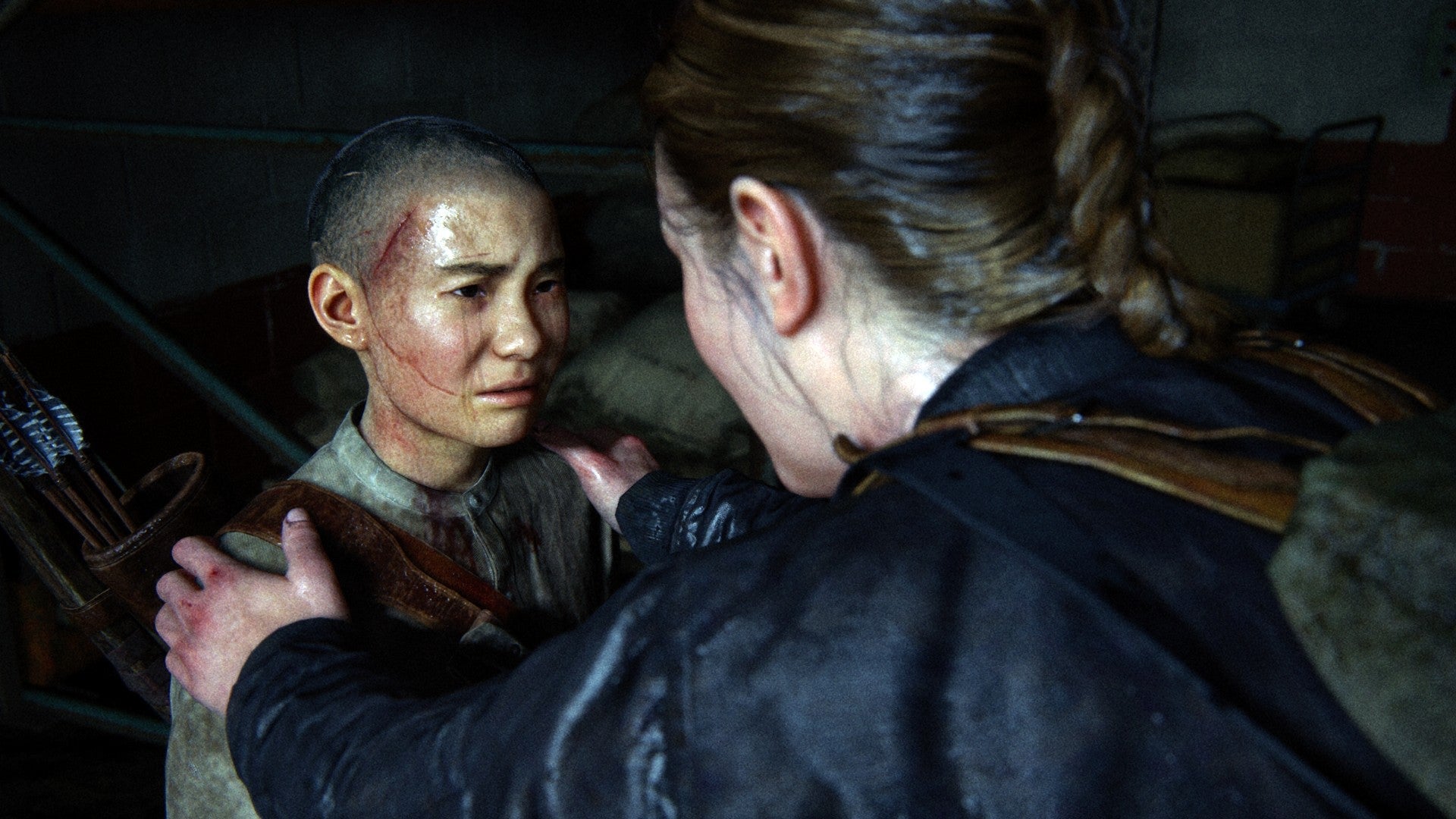
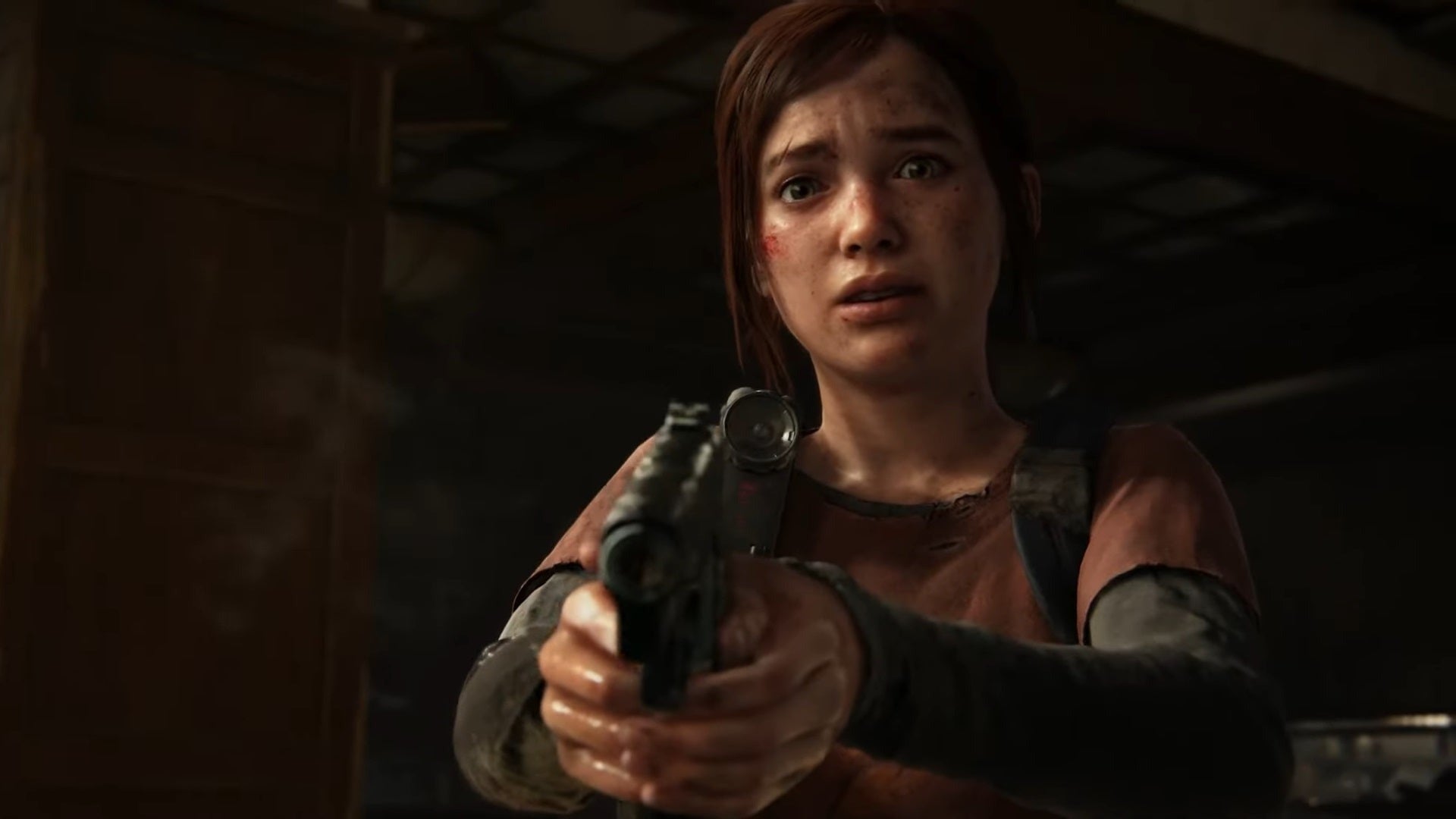
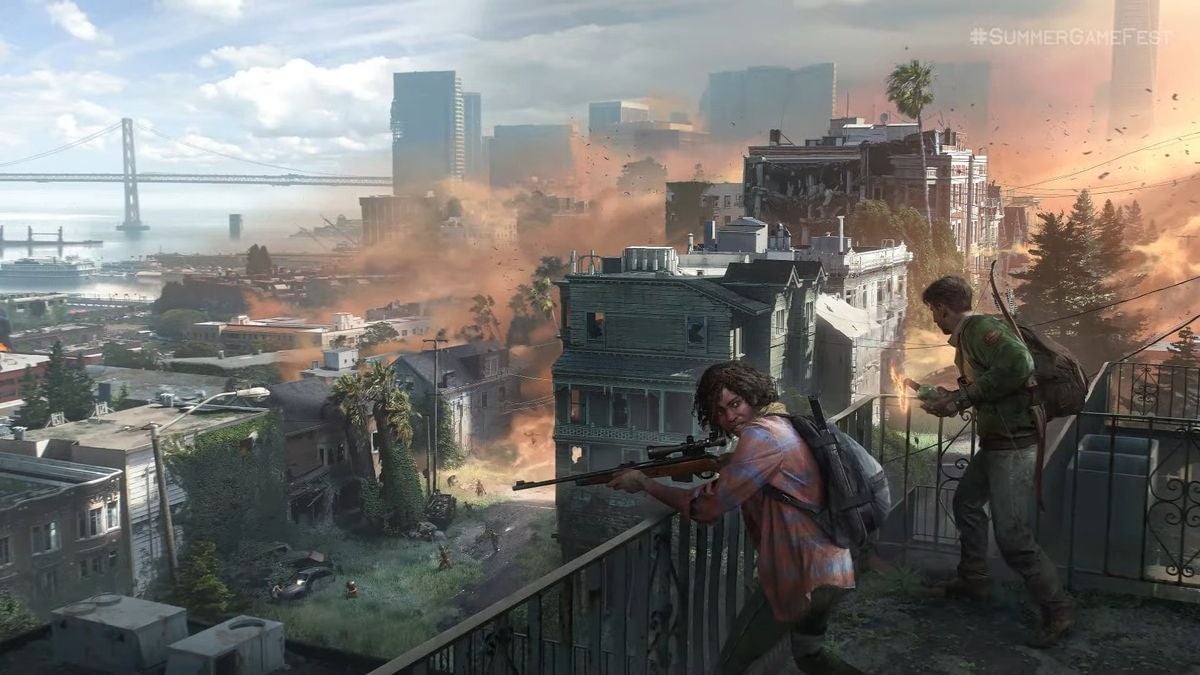
Ironically, one of the worst culprits is The Last of Us, arguably the best written AAA game in recent memory.
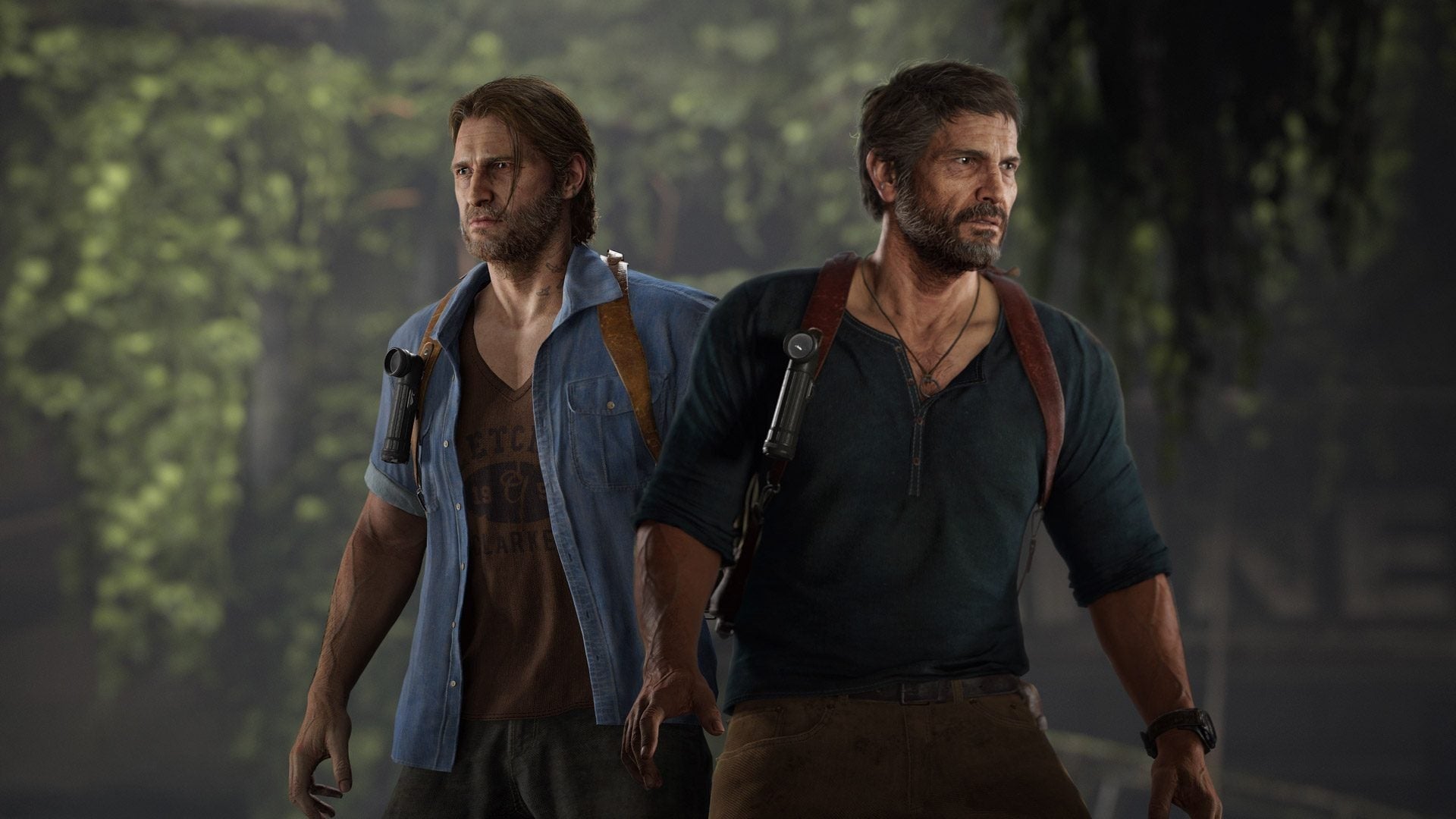
Towards the end of the game there is great sense of dramatic tension: a misunderstanding between Ellie and Joel. Ellie steals a horse and rides away from camp into the forest. Joel is furious but gives chase alongside his brother. You must find Ellie and quickly. Together you follow her tracks. The whole scene expertly juggles that tugging tension: you feel as though you are choosing your path when in reality you are being guided — simple, clever level design stuff. So far so good.
Then, inexplicably, Joel and his brother stumble across a camp of aggressive humans who, predictably, attack instantly. There’s a logical problem with this scenario (why were Joel and his brother attacked when Ellie was able to simply breeze through unhindered?) but the obvious question is ‘why’? Why bother with this gunfight at all? Why ruin the simple dramatic tension of ‘the chase’ to have Joel and his brother engage in another pointless, completely unnecessary gunfight?
Answer truthfully.
Was it simply an attempt to add ‘value’ to a game in an industry where ‘value’ equals the amount of hours it takes to play through to completion?
Was it insecurity? Was Naughty Dog afraid players would become disengaged if they didn’t get to fire a weapon at least once every five minutes?
Was it dramatic? Was it essential? Did it advance the plot? Of course it did neither of these things.
In video game land this isn’t too much of a issue. The idea of video games as a series of meaningless obstacles is embedded deep in our psyche. We’re used to it. Yet the problem with this scenario is that itimpedes the drama. It detracts from the chase. It makes you forget the chase. It actively reduces the stakes. It’s superfluous.
I can think of a dozen different examples in recent video games that do the precise same thing. Wind Waker sets you off on a dull collection quest just as you’re building the momentum to take down the game’s antagonist Ganon. Assassin’s Creed II pulled a similar trick. Assassin’s Creed III expected us to endure what was essentially a disgustingly indulgent six hour prologue. Halo was infamous for its backtracking. Dozens of genuinely great, era-defining video games indulge in bogus game extending sections that, in any other medium, would be coldly and efficiently chopped in the editing room. And rightly so.
—-
As a medium video games have stolen from cinema, but the process flows both ways.
Watching Alfonso Cuarón’s Gravity I was struck by just how keenly its structure mirrored the way video games provide obstacles to the player. In Gravity Dr Ryan Stone needs to get home, back to solid ground. That is her one sole objective. She has limited resources, and tools which she must use to achieve this goal — like a video game. When she achieves each goal, a new problem arises which she must then solve using a different (or sometimes similar) set of tools — just like a video game. She must learn to navigate herself in a new, frequently threatening, space — just like a video game.
But video games could learn a lot from the manner in which Gravity imitates video games. More specifically it could learn a lot from the parts it borrows and the parts it disposes of.
Gravity is lean. It rarely labours on its mechanics of movement. It highlights the dangers visually and diversions from the main task feel organic, real and — above all — genuinely dramatic.
I wonder how Gravity would have worked as a video game. An hour with George Clooney — a tutorial section, essentially — he teaches you the mechanics of movement in space, how to control friction. Then a series of banal tasks to help the player become familiar with what he/she has just learned. Then, disaster. The hubble space telescope is destroyed, you must find your way home.
Imagine the gymnastics. Imagine just how contrived the set ups would have to be in order for Gravity: The Video Game to be stretched from a slick, lean 90 minute experience to the 12-15 hour experience we have currently been trained to expect from our video games. Imagine how many strange ways we would be expected to repeat the exact same scenario, to essentially overcome the same obstacle in the precise same way. Imagine how the drama would become stilted, strange and — more often than not — forgotten about as we chase pointless blips on a radar. This is almost every AAA video game you’ve played over the last two or three years.
—-
Of course video games are not movies, but there is a very specific subset of games that seek to imitate them. For the most part they do so poorly. That doesn’t necessarily make them bad video games. The Last of Us is a great video game. Wind Waker is a great video games, Assassin’s Creed II is a great video game.
But would The Last of Us be a more seamless, meaningful experience with roughly 70% of its combat scenarios cut from the game? I’d argue yes. As players we did not need to engage those survivors on the edge of the forest. Their existence was unnecessary. They were superfluous.
Did Wind Waker need all that padding? Did we really need those extra hours of searching across the ocean for our purchase to feel valid, to feel as though we’d gotten our ‘money’s worth’? Was that necessary?
“In writing you must kill your darlings”. William Faulkner said that. He had a rough idea of what he was talking about.
Wouldn’t our interactive experiences feel more concise, have more impact, be more dramatically valid if we were willing to accept shorter, more efficient experiences, instead of complaining when games are too short, or celebrating when a game is needlessly stretched over a tedious 40 hour play period? Are we ready for shorter, leaner more meaningful experiences in our video games?
Answer truthfully.
—-
This post originally appearedon Kotaku Australia, where Mark Serrels is the Editor. You can follow him on Twitter, if you’re into that sort of thing.