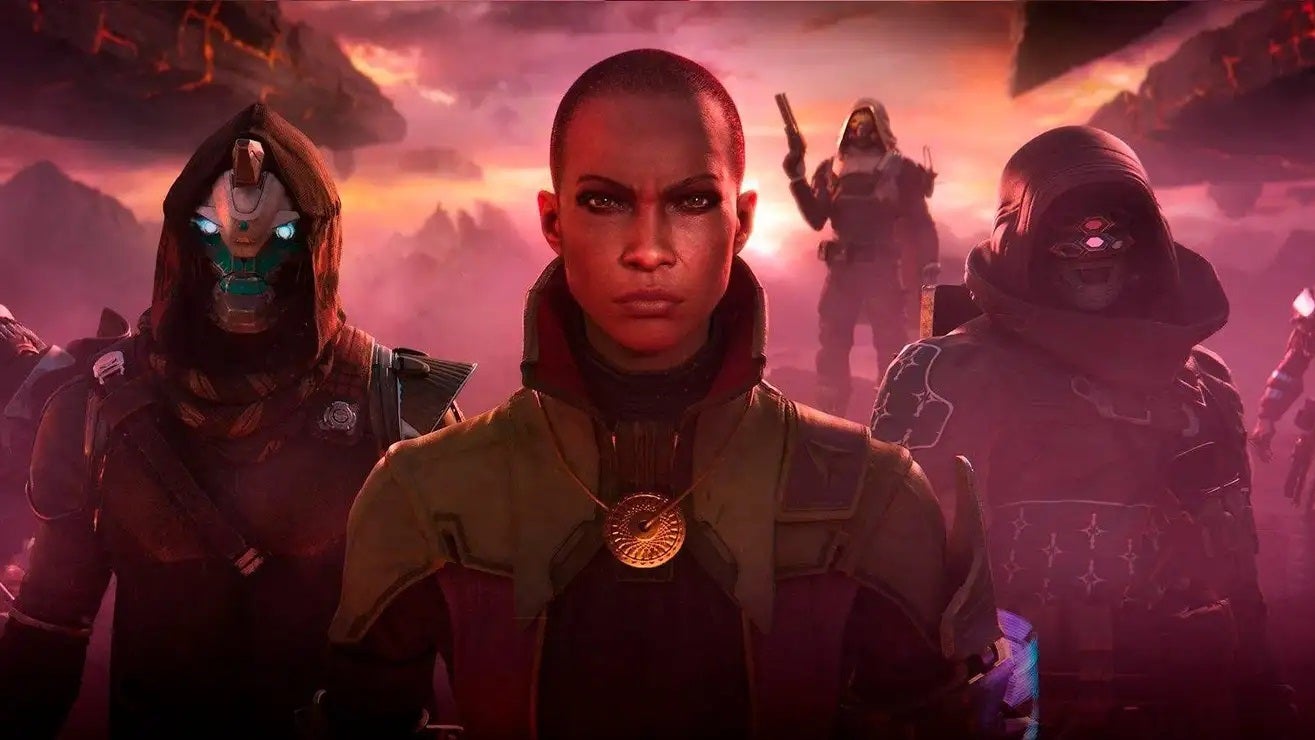
While Sony acquired Destiny 2 maker Bungie for $3.6 billion in 2022, it repeatedly claimed the creator of Halo and other hits would remain an “independent subsidiary.” Now IGN reports that if Bungie’s sci-fi MMO keeps failing revenue targets, Sony could dissolve its existing board of directors and take full control of the roughly 1,100 person studio.
According to IGN, Bungie’s current post-acquisition board of directors consists of the head of PlayStation studios Herman Hulst, senior Sony VP Eric Lempel, Bungie co-founder Jason Jones, Bungie CTO Luis Villegas, and Bungie CEO Pete Parsons, with Parsons as the tie-breaking decider. That structure is based on the studio meeting certain financial targets, however, and if Bungie continues to fall short of them, Sony will take full control of the long-running shooter maker.
In the wake of 100 layoffs at Bungie in October, Bloomberg reported that the studio had missed its 2023 forecast by 45 percent, following the launch of the disappointing Lightfall expansion. With player counts for Destiny 2 reaching historic lows, at least on PC, IGN reports that Parsons—not Sony—made the decision to lay off staff and institute other cost-cutting measures, in order to fill the hole left by the seemingly unrealistic revenue targets.
Read More: Bungie To Destiny 2 Fans: ‘We Have Lost A Lot Of Your Trust’
According to IGN, these further cost-cutting measures include a hiring freeze, a crackdown on annual cost-of-living adjustments to salaries, and no holiday bonuses, while the recent layoffs and cuts hurt the studio’s DE&I initiatives and meeting groups. While morale has apparently taken a nosedive, IGN reports that senior management has appeared to show a “surprising amount of indifference or even outright flippancy or hostility” about the situation.
One source told IGN that the studio is probably looking at even more layoffs if Destiny 2‘s next big expansion, The Final Shape, doesn’t perform better than this year’s. Originally set to arrive in February 2024, The Final Shape was recently delayed until June to provide more time for Bungie to improve it, while recently announced extraction shooter Marathon was delayed until 2025.
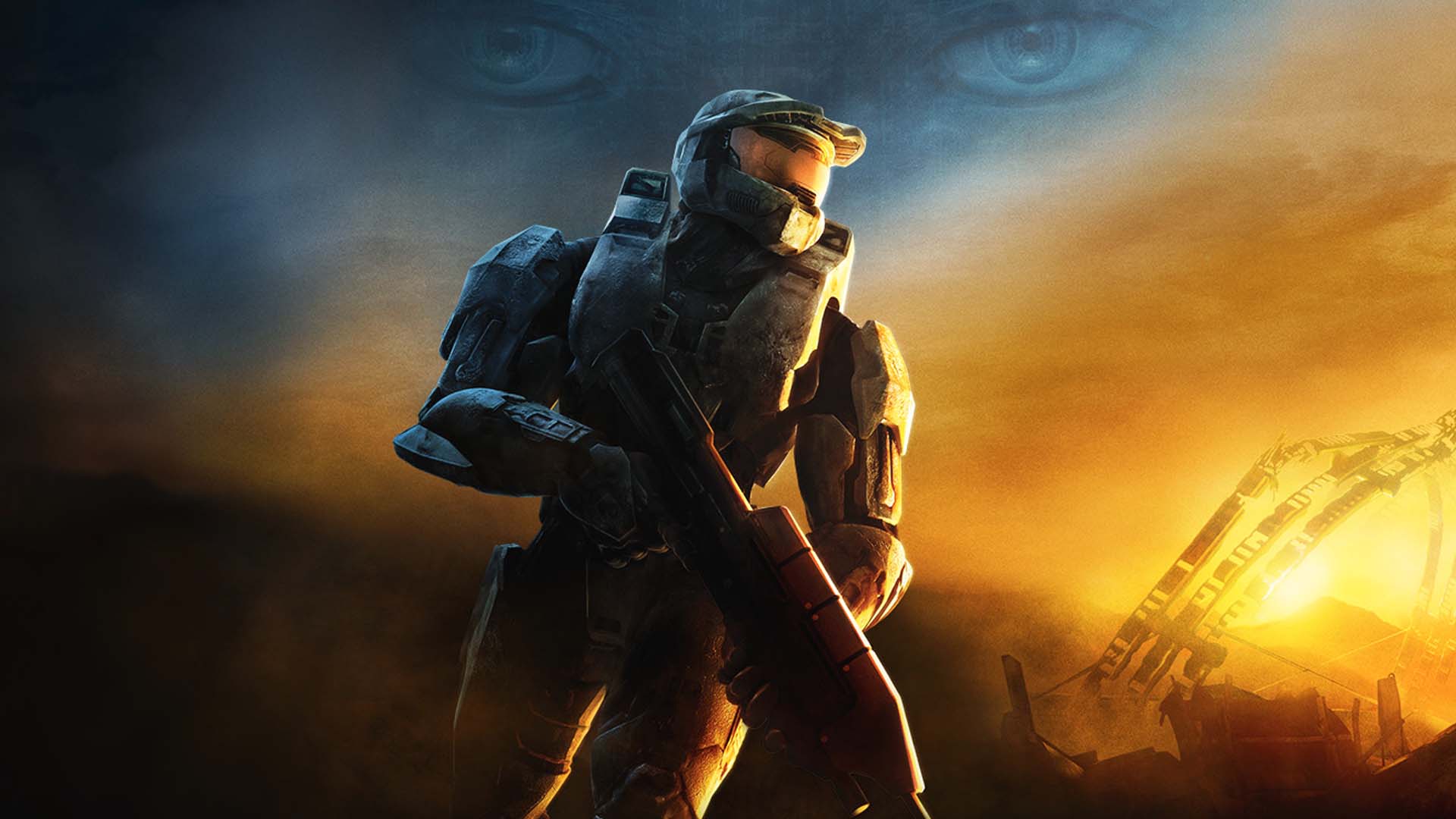
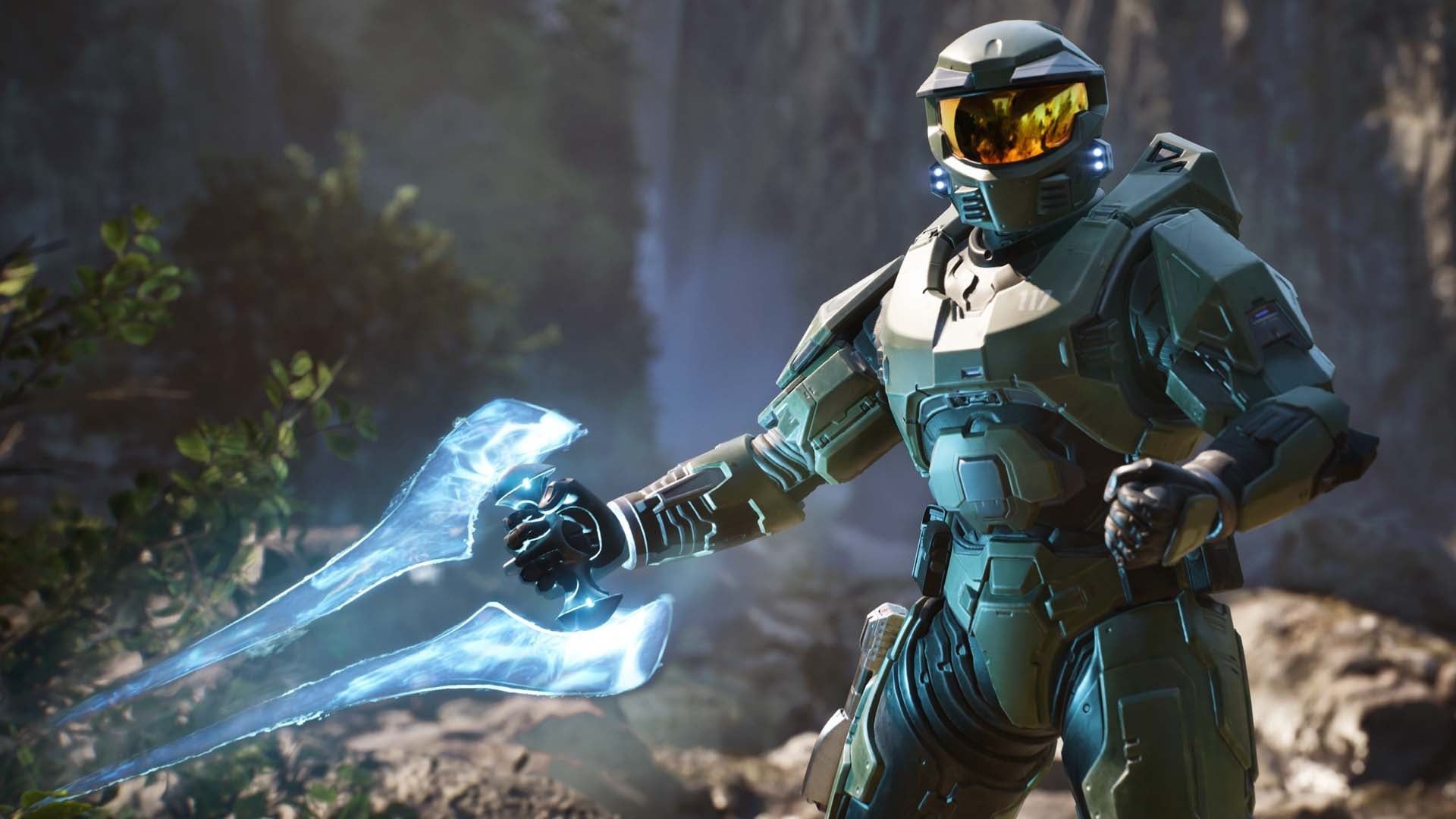
It all paints an exceedingly grim picture of a studio that has historically thrived, and continually fought to remain independent. After developing several Halo games for Microsoft, Bungie went independent to develop the first Destiny, partnering with Activision Blizzard to publish it. Following reports of crunch and unsustainable financial expectations under that arrangement, Bungie bought itself out of the Activision agreement in 2019, while retaining the Destiny 2 franchise. In the years since, the studio appeared to be a poster-child for how to make a successful live-service game in a sustainable way. It remains to be seen how much of the studio’s recent problems are due to veteran decision makers within Bungie, or new expectations from Sony.