Parents, prepare to lose more arguments with your kids about late-night gaming. Teenagers, clip and save this post.
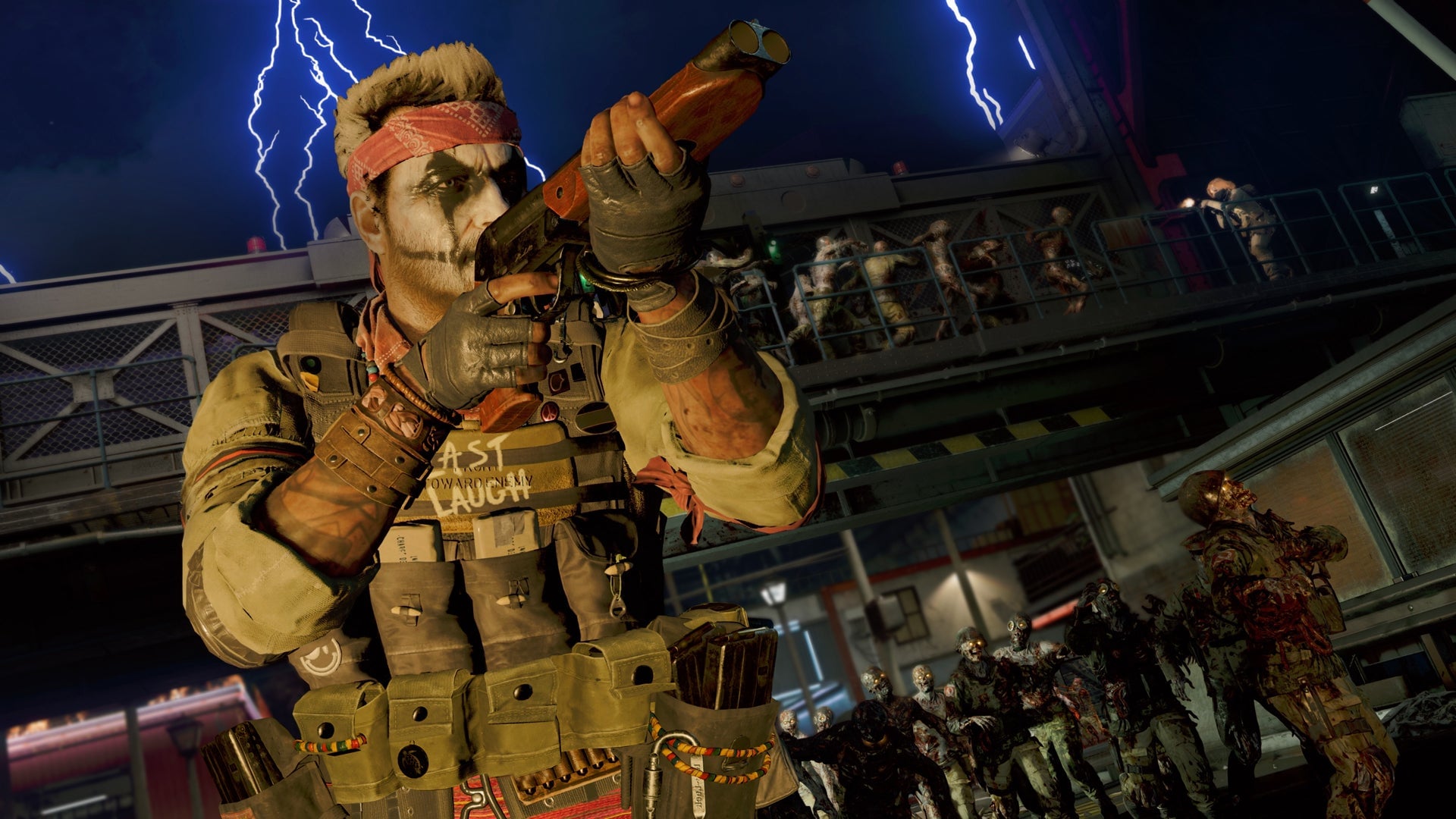
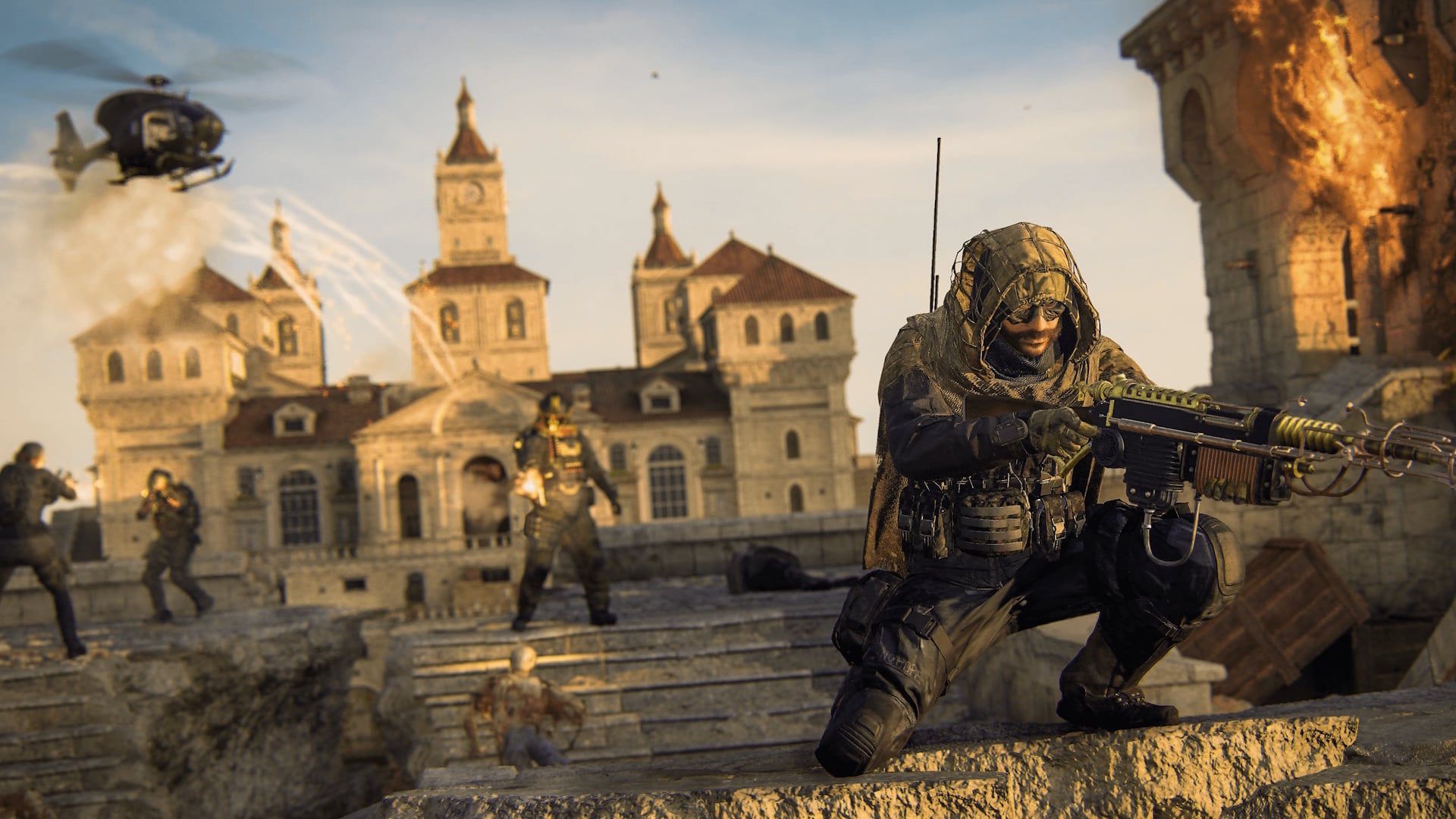
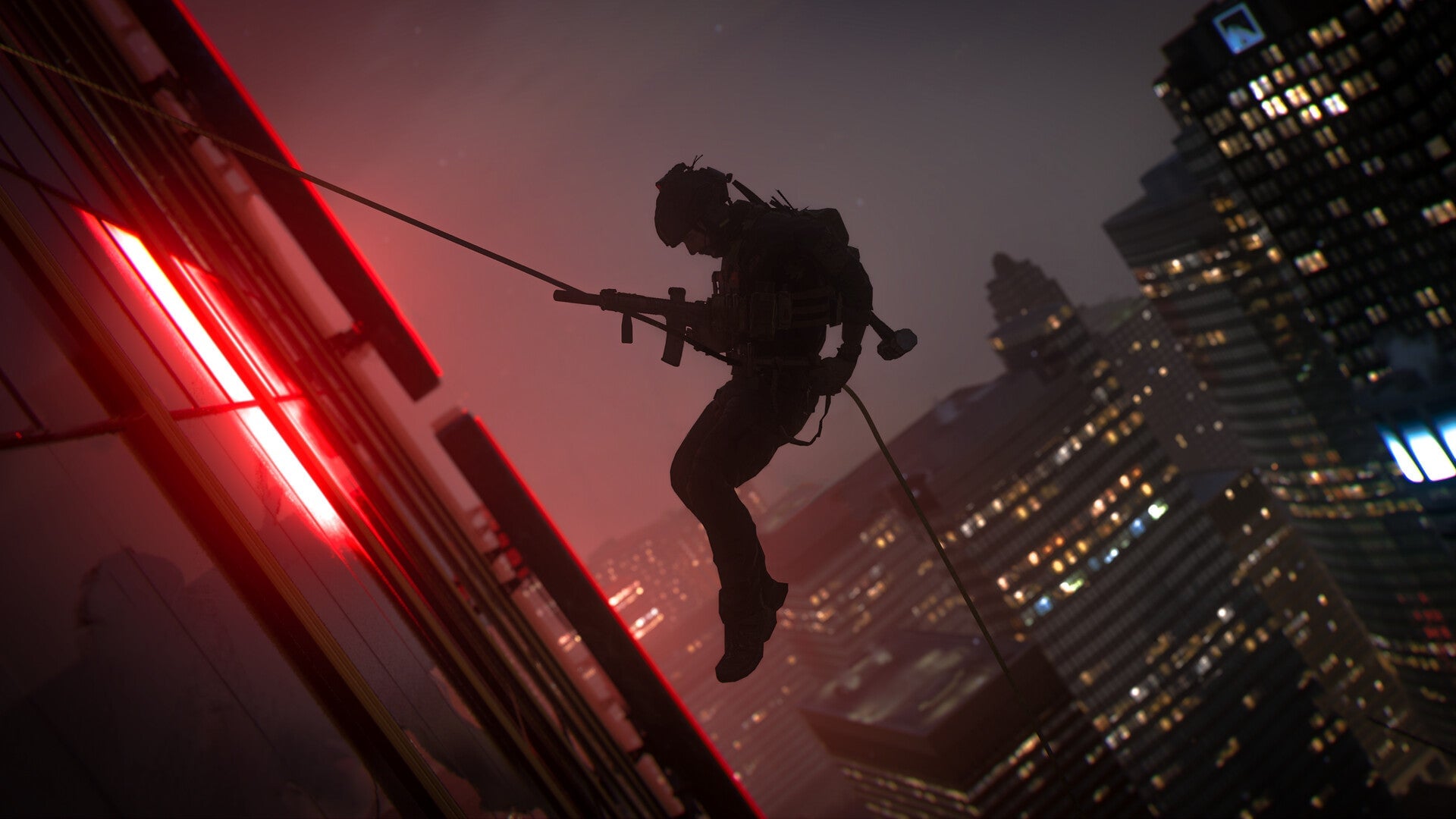
Researchers in Australia recently made teenagers play Call of Duty IV before bed-time — really twisted their arms, surely — and found that a 16-year-old’s ability to fall asleep may only be slightly delayed by night-time gaming.
These are the findings of sleep scientists at Australia’s Flinders University and published in the April 15 issue of the Journal of Clinical Sleep Medicine
Fourteen teenagers, average age of 16, needed less than 10 minutes more time to fall asleep after playing a game than they did after watching a movie. “Such an increase is unlikely to have any perceptible ramifications for adolescent sleep,” the study states. The tests compared the teens’ experience after finishing a 50-minute PlayStation 3 session of Call of Duty IV: Modern Warfare compared to the same amount of time spent watching a DVD of the documentary March of the Penguins.
This is good news for teenagers who want to shoot down parental arguments that staying up and playing games will make them too excitable to fall asleep quickly and get a good night’s rest.
“Although presleep video-game playing negatively influenced adolescents’ sleep initiation, the extent to which the results reflect a genuine impairment is questionable,” the study states.
The researchers conducted multiple sessions over the course of a few weeks with each teen, subjecting them to both the Penguin-watching and the Modern-Warfare-fighting experiences. The teens had to get into a bed in a research facility, lights dimmed, body maintaining a semisupine posture, while playing/watching. They had to allow their heart rate and “alpha power” — a gauge cognitive alertness — to be measured during breaks in the action/Penguins. Then, when the pre-sleep activity was done, each teen had to go to sleep, during which the “architecture of their sleep” was measured.
The study found no significant differences in physical or cognitive alertness from the movie watching compared to the game-playing. Of the nine teens measured for it, the “sleep architecture” of those who had just played games, a measure of the quality of their actual sleep, did not appear to be impaired, according to the study.
The Flinders researchers allow for some loopholes that parents might want to be aware of. They consider that different results could be found if less avid gamers had been studied and note that a related study of 13-year-olds did reveal more gaming-based impairment of sleep. Perhaps, the researchers speculate, getting older and playing more games improves a person’s ability to fall asleep right after playing. Those studied were also all considered “good sleepers,” the study notes, allowing for the possibility that poor sleepers could be more adversely affected by some nighttime Call of Duty.
“In a practical sense,” the study concludes, “although presleep video-game playing may not be the destructive force many thought, the old adage ‘everything in moderation’ may presently be the best advice for parents of adolescents.”
Also notable: Four of the teens in the study fell asleep while watching March of the Penguins. None conked out while playing Call of Duty.
[PIC]