If you haven’t noticed, 2022 has far and away become the year of media conglomerates capitalizing on ownership of disparate properties. You can see it clearly in the realm of video games like MultiVersus and the final boss of wacky crossovers, Fortnite. Not to be left out, popular manga publisher Shonen Jump has plunged into the video game pool as well with a crossover game of its own.
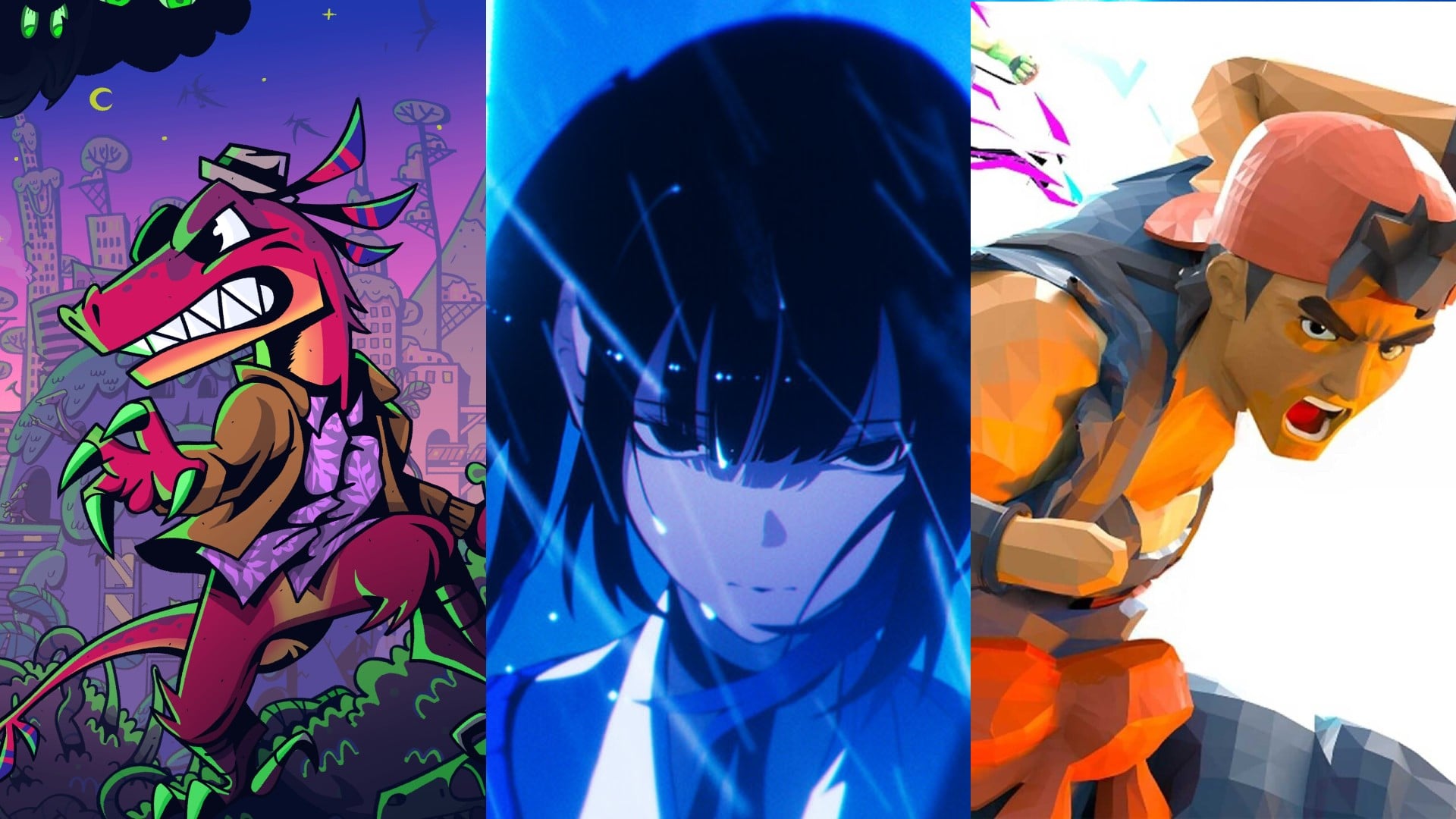
Captain Velvet Meteor: The Jump+ Dimensions is a 2D isometric tactical video game developed by Momo-Pi, the folks behind the turn-based puzzle game Persephone. You play as Damien, a meek kid struggling with his family’s recent move from France to Japan. Unfortunately, Damien doesn’t have the opportunity to air out his grievances with his parents because they left him home alone with a list of chores. Luckily for Damien, he’s got a vivid imagination to help him go along faster and combat his niggling anxieties about loneliness. Whenever Damien gets overwhelmed, like dealing with small talk with a noisy neighbor or calming down his nervous dog, he recontextualizes the scenarios as if he were in a manga. Through this lens, he transforms into the manga’s fearless protagonist, Captain Velvet Meteor.
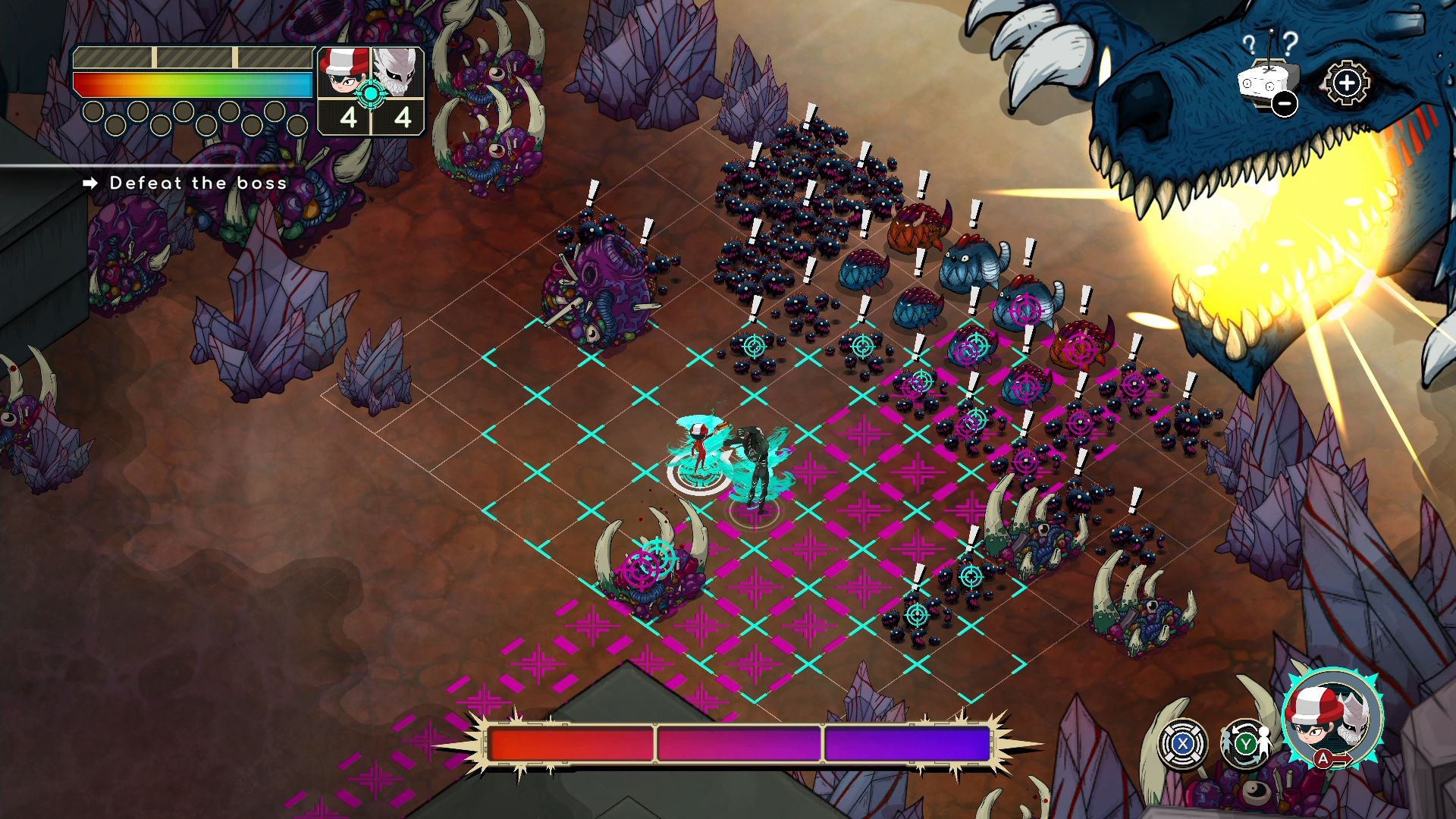
Captain Velvet Meteor’s combat is similar to Live A Live’s tile-centric combat system, albeit much more simplified. You control Captain Meteor and a Shonen Jump character as they navigate their way through puzzles and turn-based battles. Because characters share a health bar, their positioning plays a major role in how battles play out. Successfully defeating hordes of enemies rewards you with both a replenished health bar and increased movement points. While initial levels play like a breezy game of anime checkers, its later levels spice things up by transforming into a challenging game of chess. Its climactic final boss fights, which often include dope designs like a giant kaiju dog, are a blitzkrieg of frenetic combat interlaced with traps and waves of enemies.
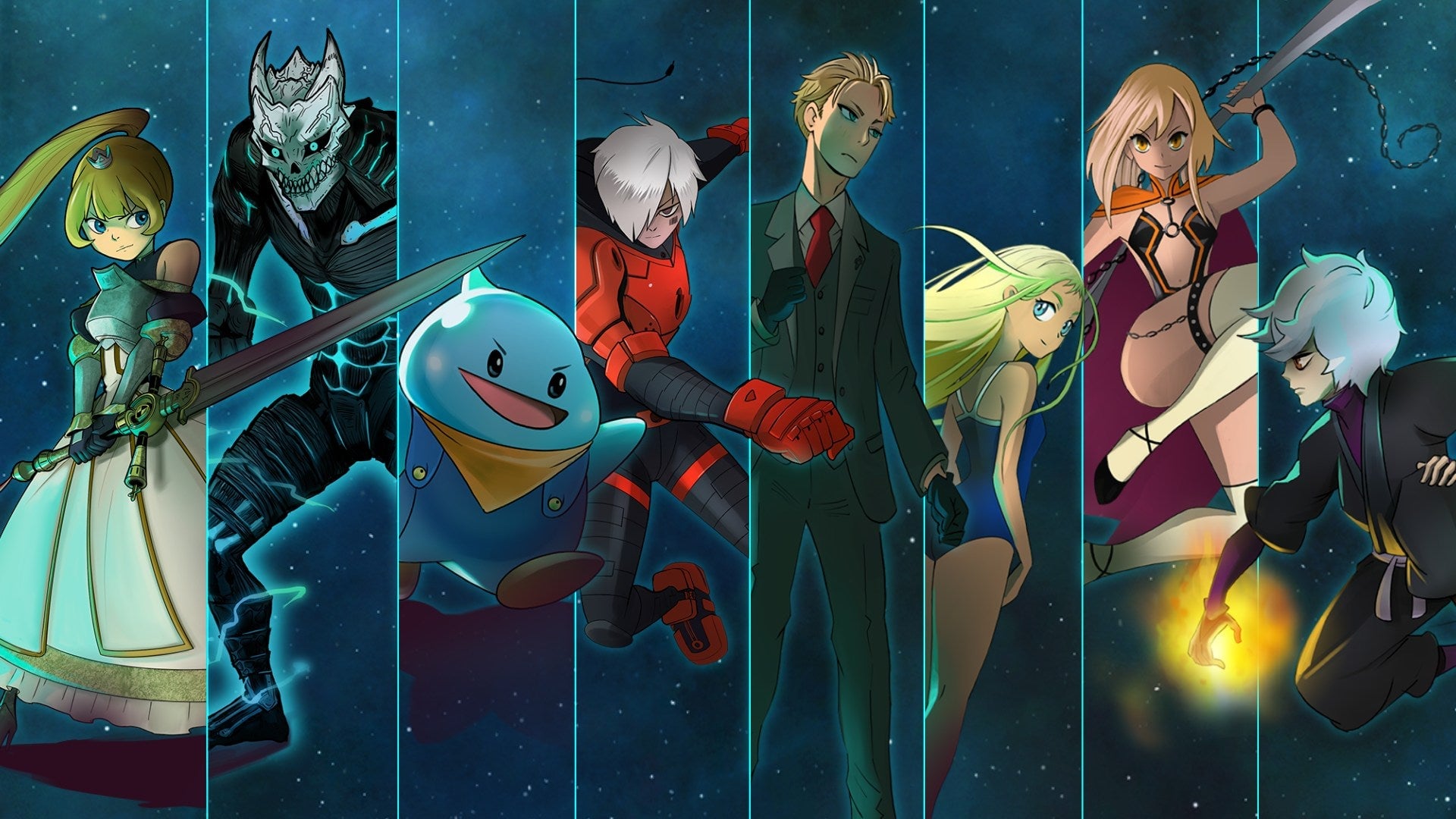
Where Captain Velvet Meteor shines is in that it doesn’t go the easy route by making Damien’s machinations involve heroic team ups with well-established Shonen Jump protagonists like Goku from Dragon Ball Z, or Naruto Uzumaki from Naruto (they’re probably too busy causing mayhem in Fortnite). Instead, Damien teams up with newer and moderately lesser-known shonen protagonists:
Loid Forger from Spy x Family
Kafka Hibino from Kaiju No. 8
Gabimaru from Hell’s Paradise
Ushio Kofune from Summer Time Rendering
Chloé Love and Kai Iod from Ghost Reaper Girl
Chrome from Heart Gear
Princess and Ex from ‘Tis Time for “Torture,” Princess
Slime from Slime Life
Read More: All Pop Culture Is Merging Into Mush, And The Iron Giant Is The Latest Casualty
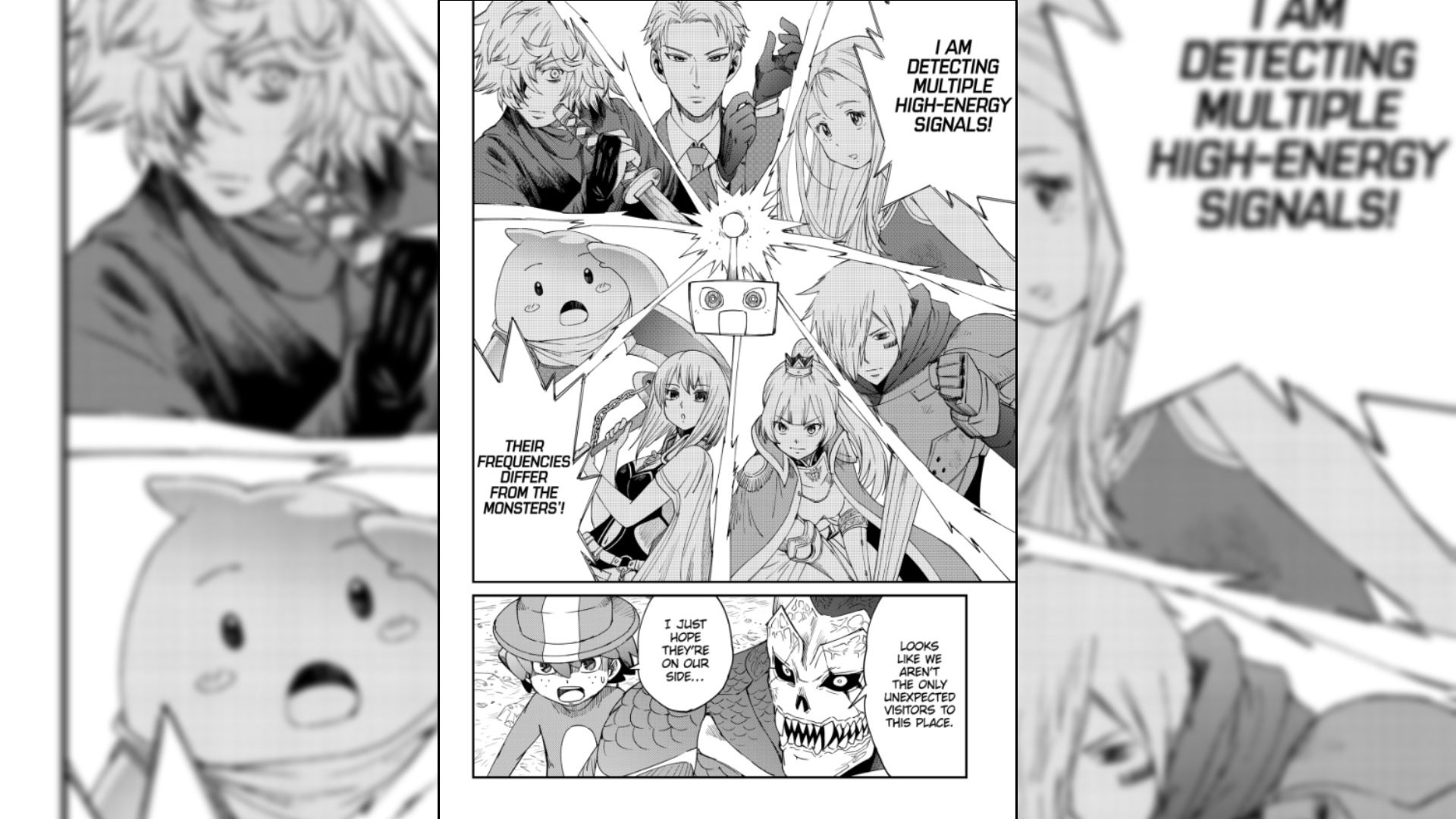
Prior to playing Captain Velvet Meteor, I’d only read Spy x Family, Kaiju No.8, and Hell’s Paradise and was at a loss whenever the other roughly 62.5 percent of Damian’s manga favs appeared on-screen. While most crossover games ignore the premise of its contrasting properties for the novelty of its nonsensical crossovers, Captain Velvet Meteor avoids this pitfall by crafting an enthralling story that respects the source material of its manga with battles that capture their energy and tells its own story.
To my surprise, the game not only successfully achieved its not-so-subtle marketing goal of generating my interest in reading other manga properties by providing a rough synopsis of their stories, it also weaved a compelling story where each character imparts heartwarming life advice to Damien. If that’s not the definition of being a hero, I don’t know what is.
It’s not often a video game crafts a thoughtful story as the baseline for its blatant fanservice crossover, but Captain Velvet Meteor has its cake and eats it too. And it’s damn delicious.