Indie tabletop role-playing game (TTRPG) designers will have some new rules to play with soon. Monte Cook Games announced last week that its core set of tabletop roleplaying game rules, known as the Cypher System, is switching to an open license that will allow anyone to design and sell content using its rules. The game system’s community of dedicated fans and indie game designers has jumped at the opportunity.
While the company isn’t the first to make this move (Wizards of the Coast has long distributed Dungeons & Dragons content under a similar open license) this is a first for Monte Cook Games, which rose to prominence in 2013 with Numenera when Monte Cook, industry veteran and co-designer of the third edition of D&D, launched the company after a record-setting Kickstarter.
The Cypher System is quite different from the likes of your typical Dungeons & Dragons format; the game focuses more on narrative concepts than mechanical frameworks. Put another way, language and thematic ideas are more central than specific classes and party functions played out over rounds of combat. The Cypher ruleset originally premiered in the 2013 publication of Numenera, and reappeared in the company’s follow-up game The Strange before getting its own genre- and setting-neutral release as The Cypher System Rulebook in 2015. A 2019 revision implemented some slight tweaks.
Today the Cypher System enjoys a passionate and dedicated community full of enthusiasm over its alternative takes on the TTRPG formula. Twitch channels like Cypher Unlimited have thriving communities on Discord and Facebook, and several other community members have published their own material via the previously established (and more limited) Cypher Creator System.In a brief comment to Kotaku, Cypher Unlimited host Anthony (known as Spiggs18), described the Cypher System’s new open licensing agreement as a “game changer” for the community. (Full disclosure: I composed the opening music for Cypher Unlimited’s streams.)
One of the first products slated to release under the open license comes from Cypher Unlimited itself, a very party-appropriate game titled GM Roulette. Each player gets a chance to reframe the story taking turns as the GM. I’ve had the chance to play an early version of this game on one of their streams and it’s a lot of fun to see a game take unexpected turns when the role of Game Master gets passed around over the course of a single game. It’s also the kind of rule-breaking playfulness that I think emerges very organically from community spaces.
Accompanying Cypher Unlimited and GM Roulette in this round of early CSOL (Cypher System Open License) games are works from fellow community members and indie publishers Marlowe House and Ganza Gaming.
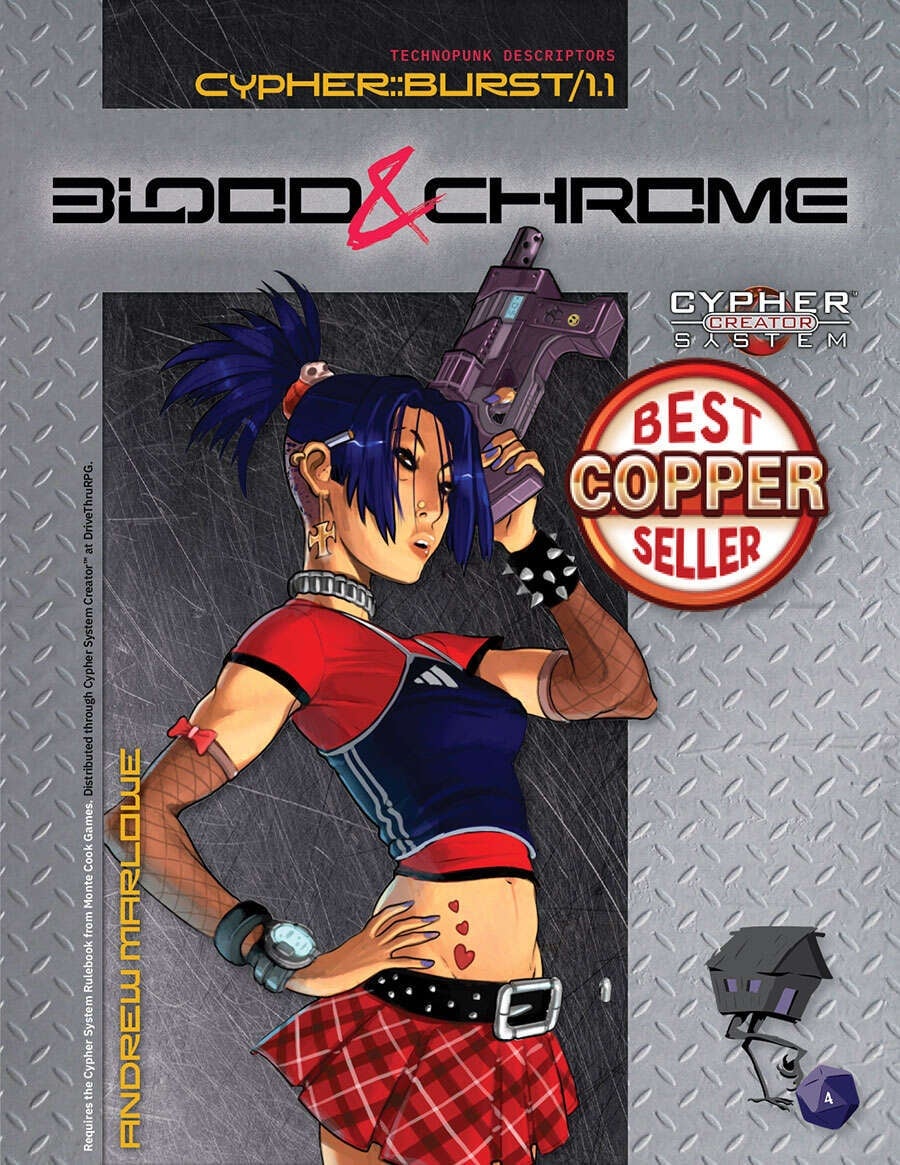
Andrew Marlowe of Marlowe House described the freedom in securing funding for Cypher System products being of particular importance for the future of his content. “I’m a fledgling publisher” Marlowe told Kotaku, “and I’m limited in what I can afford to pay freelancers, artists, editors, layout etc.” Having legal clearance to crowdfund his game with an open license dramatically changes the scope of what he’s able to produce. His upcoming book, Blood and Chrome, a cyberpunk setting and sourcebook, was originally intended to come out under the older Cypher Creator System license, which would’ve come with more limits on funding options and limit where it could be sold. He also stated that he’s excited to see “the sorts of things that might be weird and experimental from the community.”
Christopher Robin Negelein of Ganza Gaming also told Kotaku that the CSOL has allowed him the freedom to work on a “licensed property like Mystery Flesh Pit National Park” and that he hopes the upcoming “expanded Cypher ecosystem” will let folks know there are other games besides D&D out there, especially when indie products using these rules will now have the freedom to crowdfund and use print-on-demand services. Part-time indie designers, Negelein said, “have to choose what we can accomplish with the limited time we have” and so having more freedom via an open license means that those choices can be more impactful.
Charles Ryan, CFO of Monte Cook Games, told Kotaku that folks familiar with Wizards of the Coast’s open game license should expect very familiar material here, though he stresses designers wait for the finalized license and source material before making any final product decisions.
Monte Cook Games first conceived of switching to an open license fairly early on, but wanted time to set expectations and standards around its Cypher System products first, similar to how Dungeons & Dragons established its own brand long before Wizards of the Coast launched its open game license with the third edition rules in 2000.
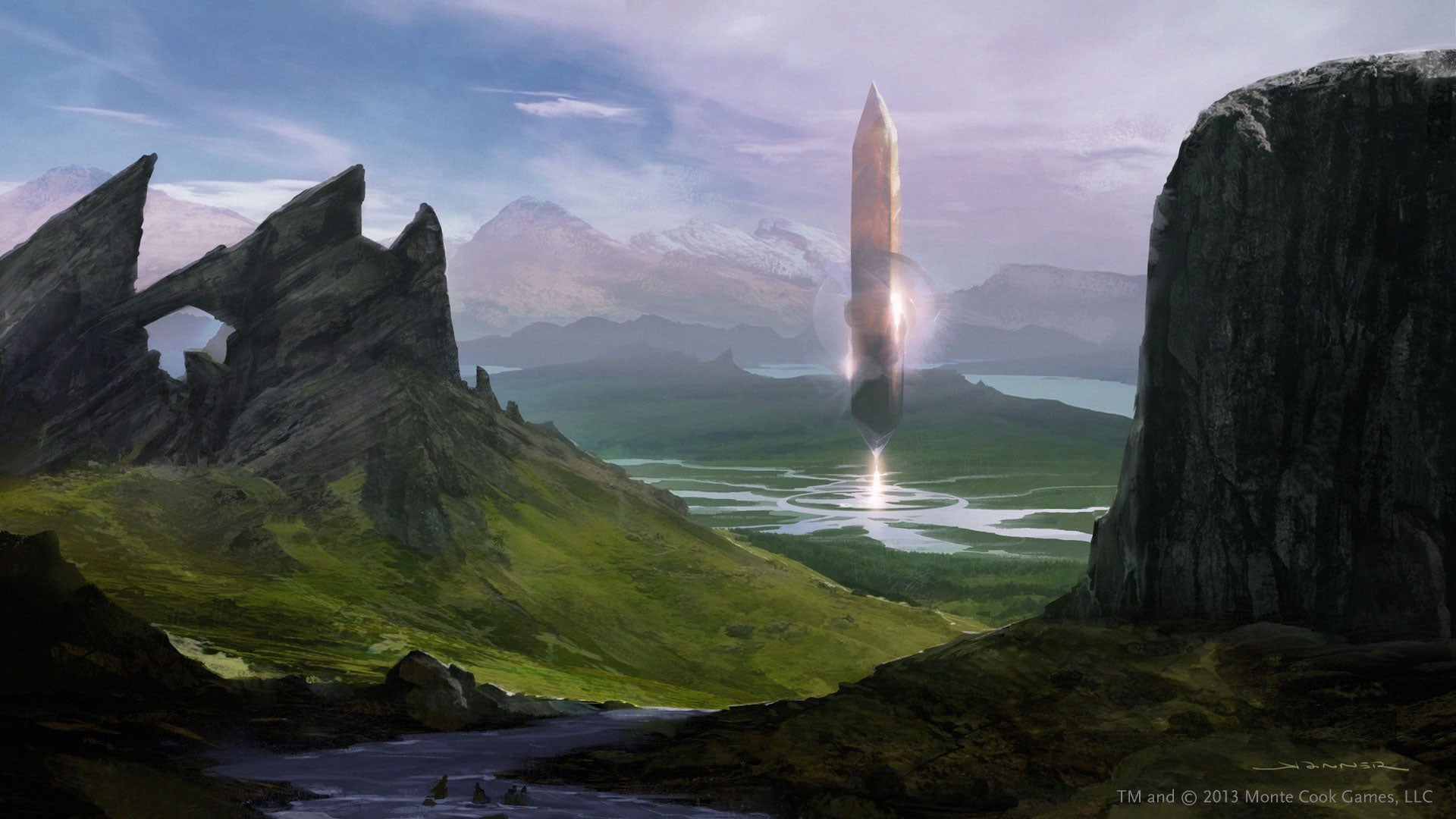
Ryan said that with so many great creators producing solid material for the Cypher System Creator program, and with so many different settings and rules published by Monte Cook Games in the past 10 years, it’s now time to let community and indie designers help expand the Cypher System world, and his company’s looking forward to seeing what exciting products, both homebrew and commercial, will result.
Following the lead of the official Dungeons & Dragons “Systems Reference Document” (SRD), Monte Cook Games is promising to release a new Cypher System Reference Document this summer. This reference will contain the core rules for free copying and general usage, but several intellectual properties from Monte Cook Games, like the Numenera setting, remain under copyright.
Open licenses in TTRPGs are very much like when a video game developer builds in official mod support, just with added opportunities to transform them into sellable products with a clear legal framework to avoid intellectual property issues. A similar comparison might be the use of the Unreal and Unity engines by indie devs. D&D and others have enjoyed this flexibility across both commercial and homebrew projects for years. Now the Cypher System community will get its shot.