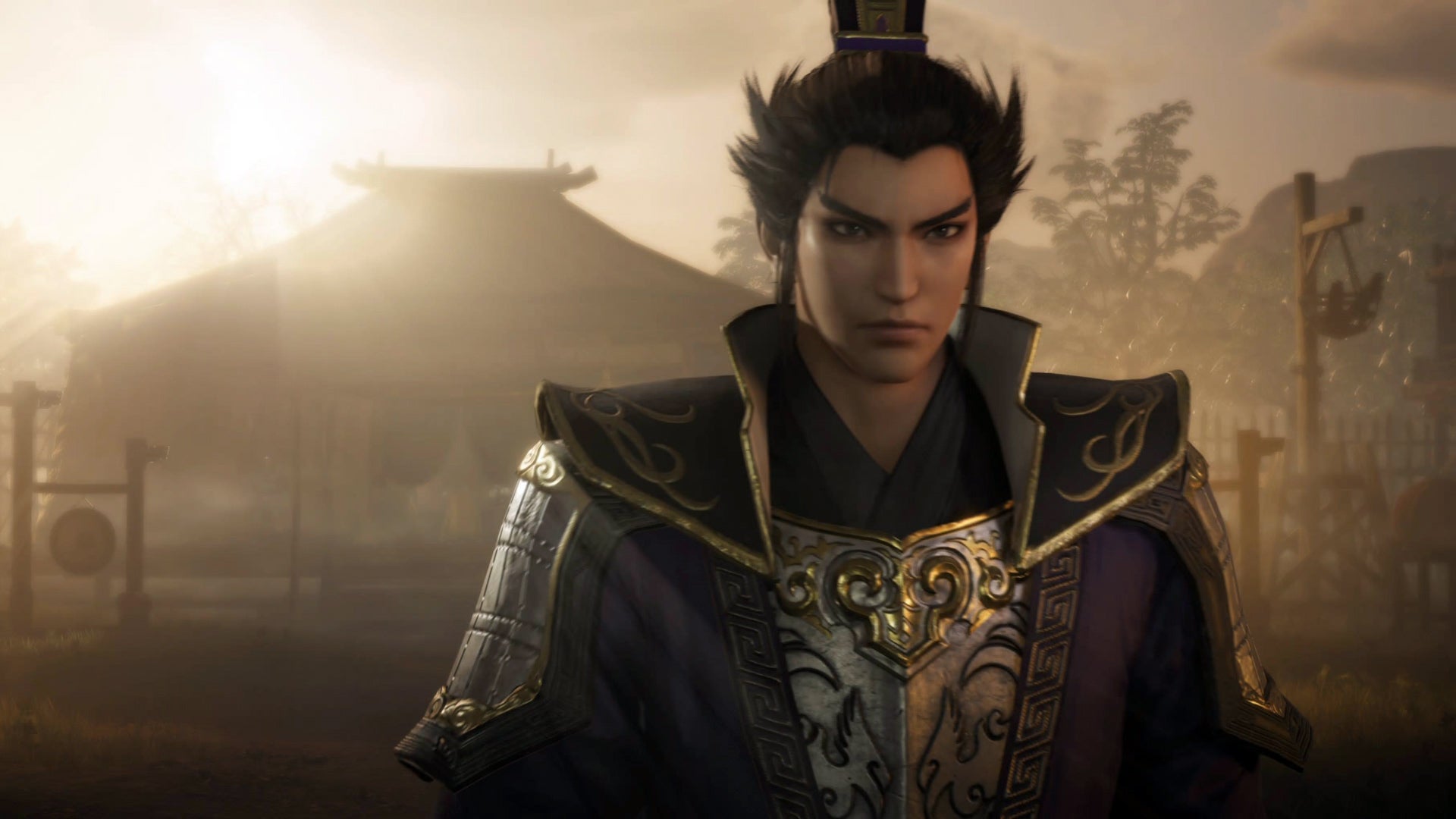
Dynasty Warriors: Origins is a classic Musou game through and through, featuring high-energy rock music, and legions of grunts to cut down as easily as blades of grass. That said, Origins is far from a by-the-books Dynasty Warriors game. The shift to a central main character in lieu of a huge roster of Romance of the Three Kingdoms heroes has stirred controversy among fans, but also, there’s a world map now! The story has branching paths! You can pursue Lu Bu in a vaguely Persona-style social link! I’ll let you decide how romantic that last one is for yourself.
Point is, Dynasty Warriors: Origins has many quirks for both series newbies and longtime fans to learn. And while I never felt that any of the game’s underlying mechanics were especially obtuse as a hyper-casual Musou fan, I did have to learn some basic lessons the hard way. So to help you out on your journey, here are five tips that I wish I knew when I started Dynasty Warriors: Origins.
Study your weapon’s moveset
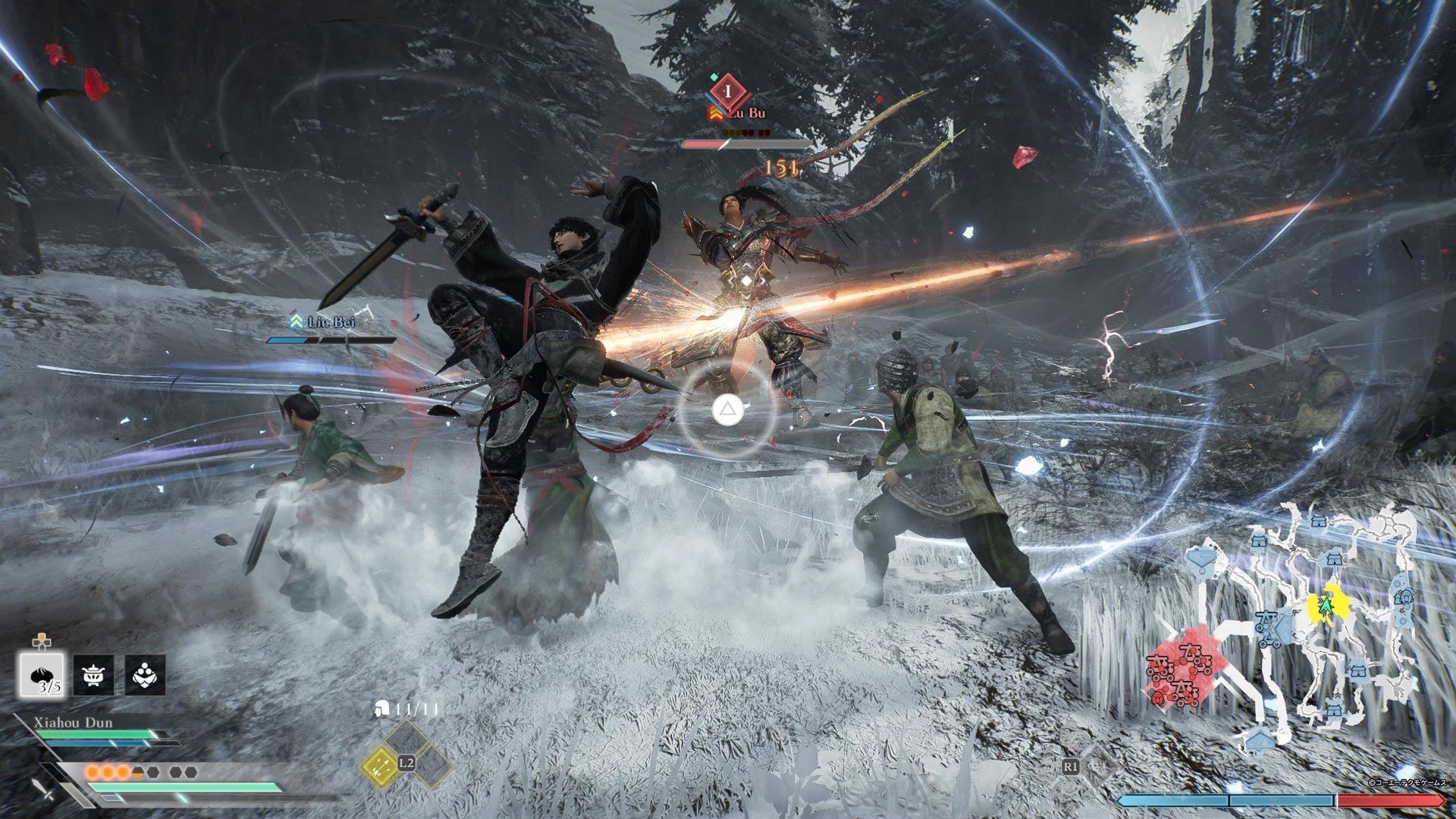
If you’ve played older Warriors games, your muscle memory may default to the series’ classic combo system of mashing basic attacks and ending your series of blows with a unique heavy attack finisher. However, only a couple weapons really work like that here. Other weapons have unique gimmicks that radically change the way you play. You can button mash your way to victory in many battles, but you’ll leave a lot of power on the table if you don’t utilize your equipped weapon’s mechanics.
For this reason, I strongly recommend reviewing your weapon’s moveset description in your main menu throughout the gamer. You might not master each weapon immediately after trying them out, but with enough practice you can pull off some absolutely brutal combos against bosses and armies alike. You’ll also unlock new attacks as you level up your proficiency with each weapon, which can be easy to forget about as you breeze through the results screen of each battle. If you use Twin Pikes and you don’t run around flailing your pole-arms in front of you while you KatamariDamacy a ball of enemy soldiers in front of you, you’ve never really used Twin Pikes at all.
Don’t bother fighting every skirmish
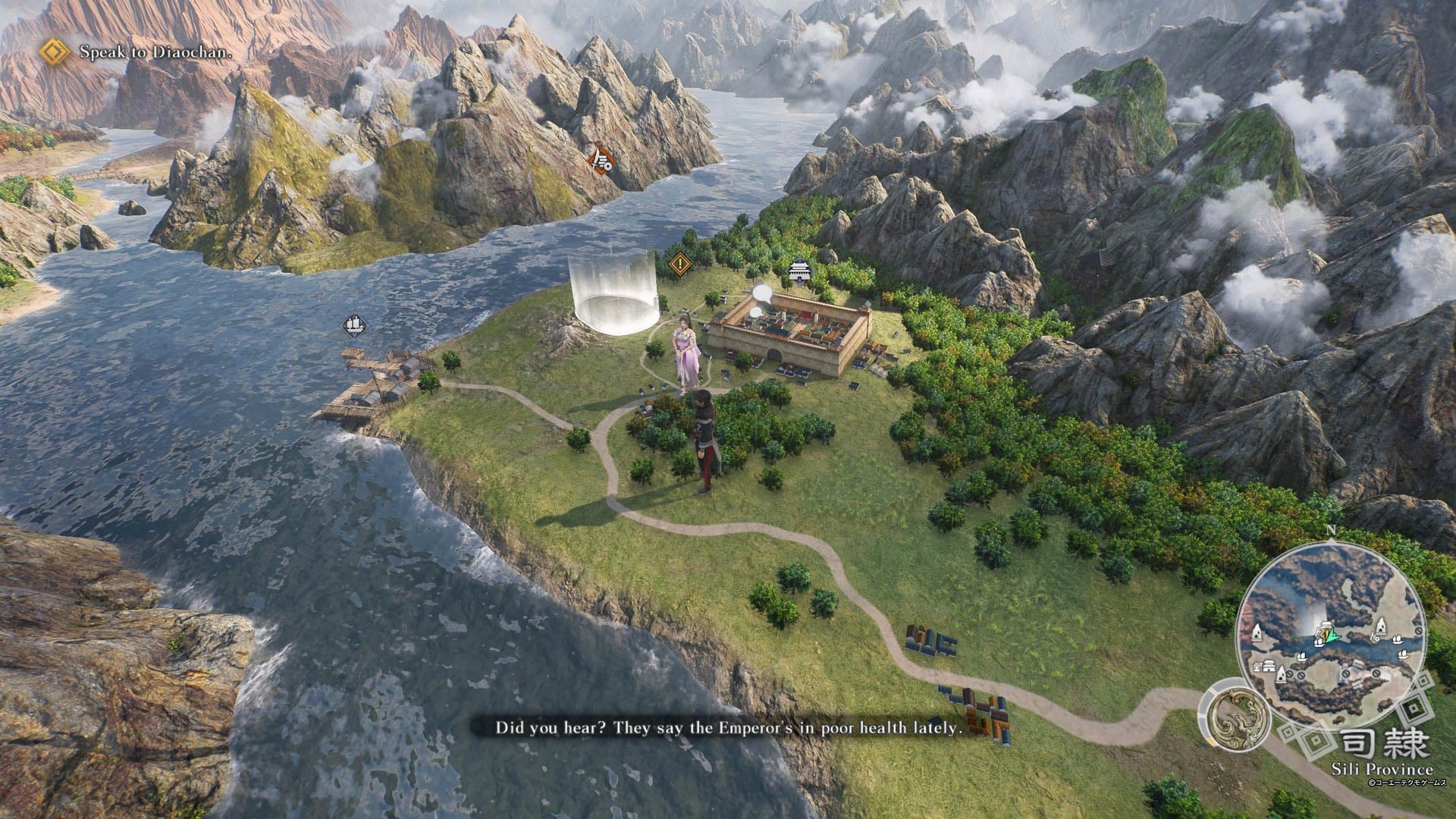
Very early in the game, you’ll see Skirmishes appear on the world map. These are typically short optional battles that award some extra experience points, but you shouldn’t stop and fight every Skirmish you see. These fights all respawn regularly, so you’re bound to see the same encounters pop up even after you’ve cleared them several times. You can get some nice rewards, but they primarily exist for grinding.
This isn’t to be confused with Missions, which look like Skirmishes on the map but feature an orange outline and a soldier standing atop them. These can give you valuable rewards and permanent upgrades, so they are absolutely worth completing ASAP. Also, some allies may specifically ask you to complete a battle that looks like a Skirmish on the map, which you shouldn’t ignore.
Some allies aren’t worth saving
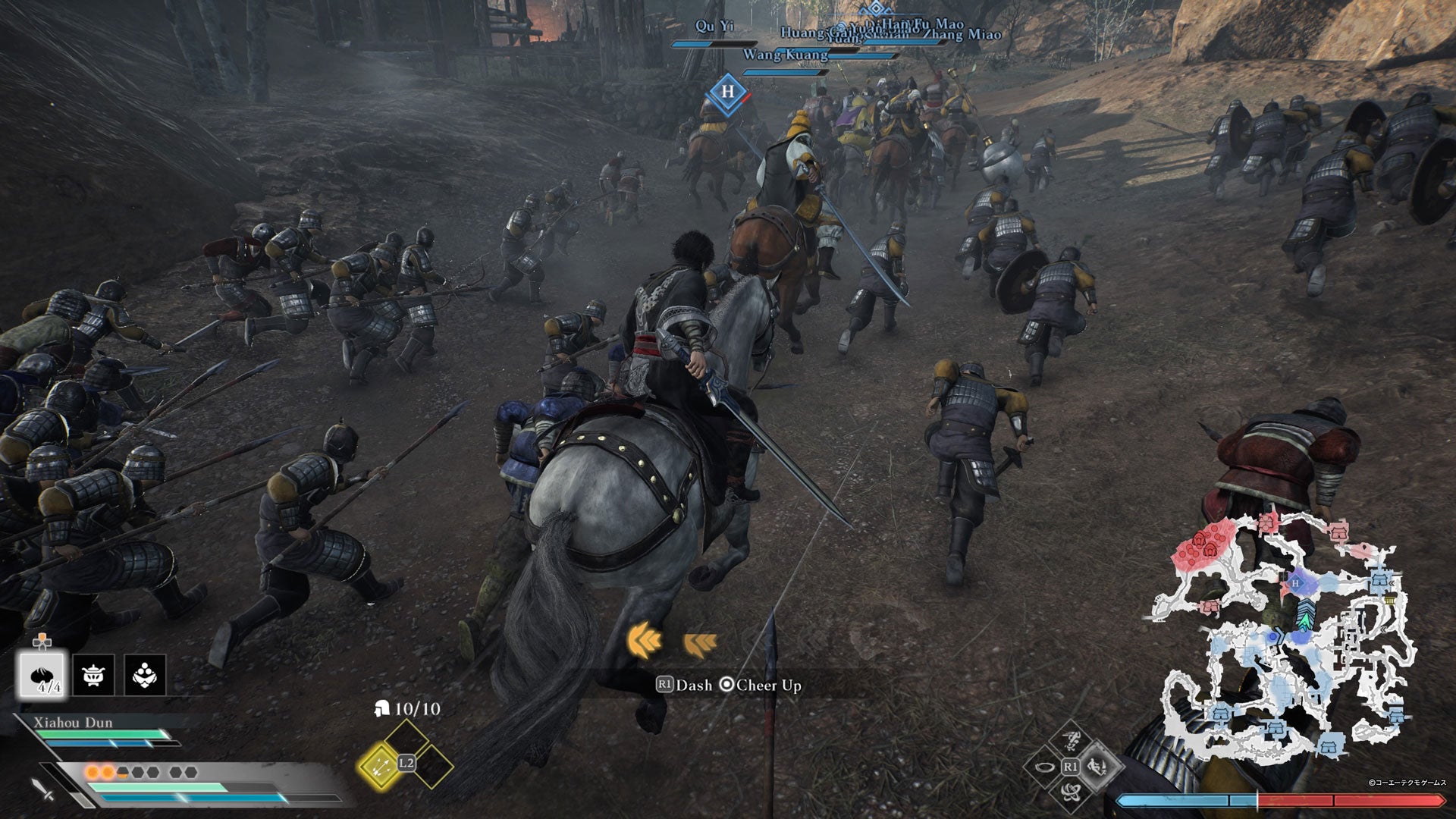
In the throes of battle, you’ll inevitably see allied officers who ask for your assistance. They’ll immediately recover their health if you rush to them in time, and battles flow smoother the more allies you keep alive. Unfortunately, you’ll also come across instances in which an ally just isn’t worth saving, as morbid as that sounds. If an officer rushes into a huge army by himself, you’ll put the entire mission in jeopardy by rushing after him.
In battles where your allies are spread out across a huge battlefield, you can wind up doing more harm than good by wasting time rushing after everyone. In fact, sometimes the best thing you can do for your army is to conquer nearby bases and defeat enemy officers in front of you, which can raise your army’s morale and give them the strength to succeed on their own. There’s no hard science for when you should and shouldn’t play the savior, just know that sometimes the cold and calculating option is the most compassionate.
Only spend money on essential weapon upgrades
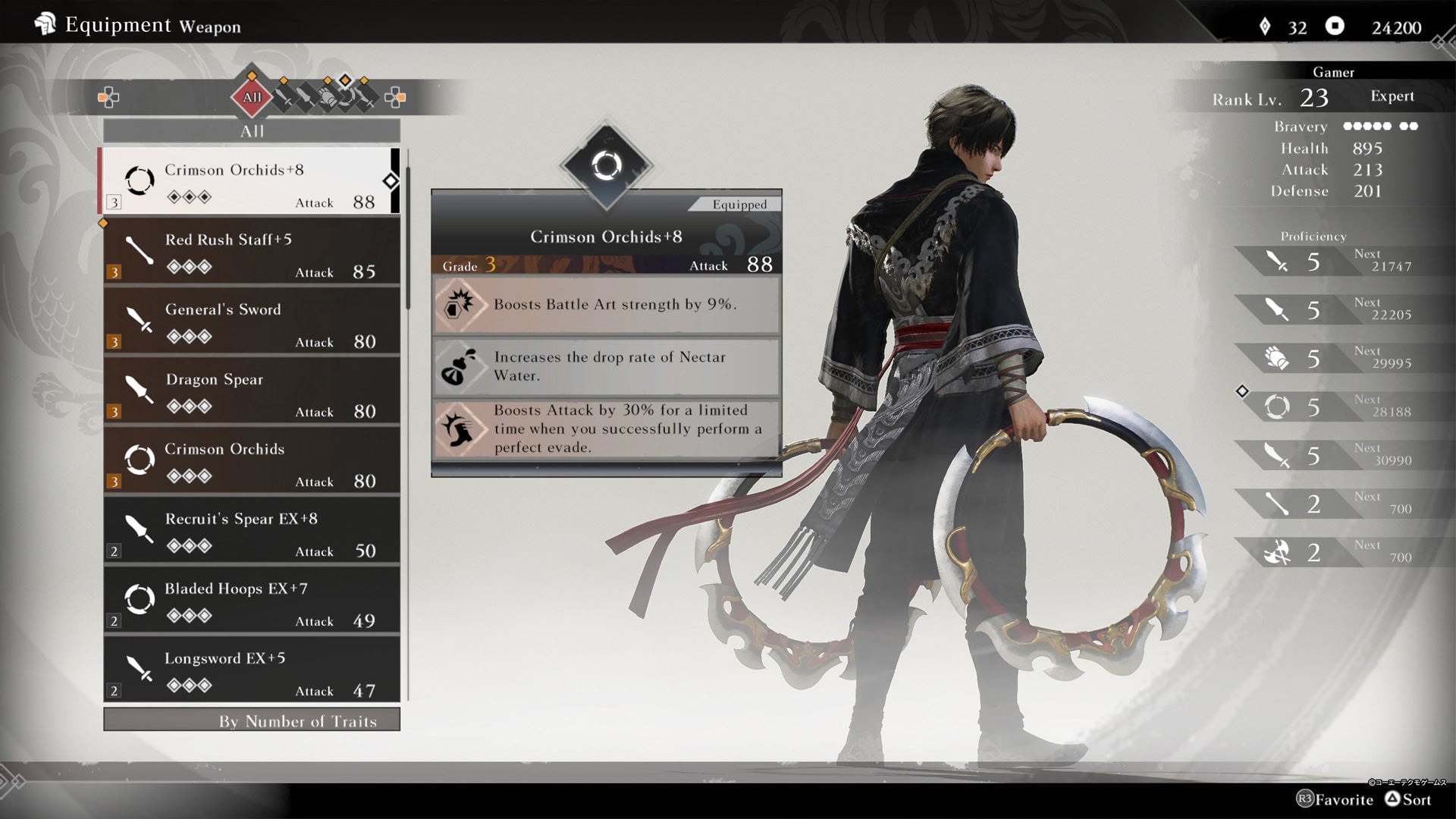
Shops on the world map will routinely update with new weapons you can purchase, and at a glance, these will look like huge upgrades. We’re talking upwards of 50-percent increases to your weapon’s attack stat, so how could you turn that down?
In actuality, you often don’t need those huge upgrades the moment you see them. You’ll typically find even better weapons as loot in combat, making those purchases largely wasteful. Even worse, money is surprisingly scarce unless you obsessively grind, so you’ll quickly run your cash reserves dry by overspending. Occasional weapon upgrades help if you’re struggling with a tough battle and you haven’t gotten lucky with your weapon drops, but otherwise you should save your money.
’Points-of-no-return’ are spelled out clearly
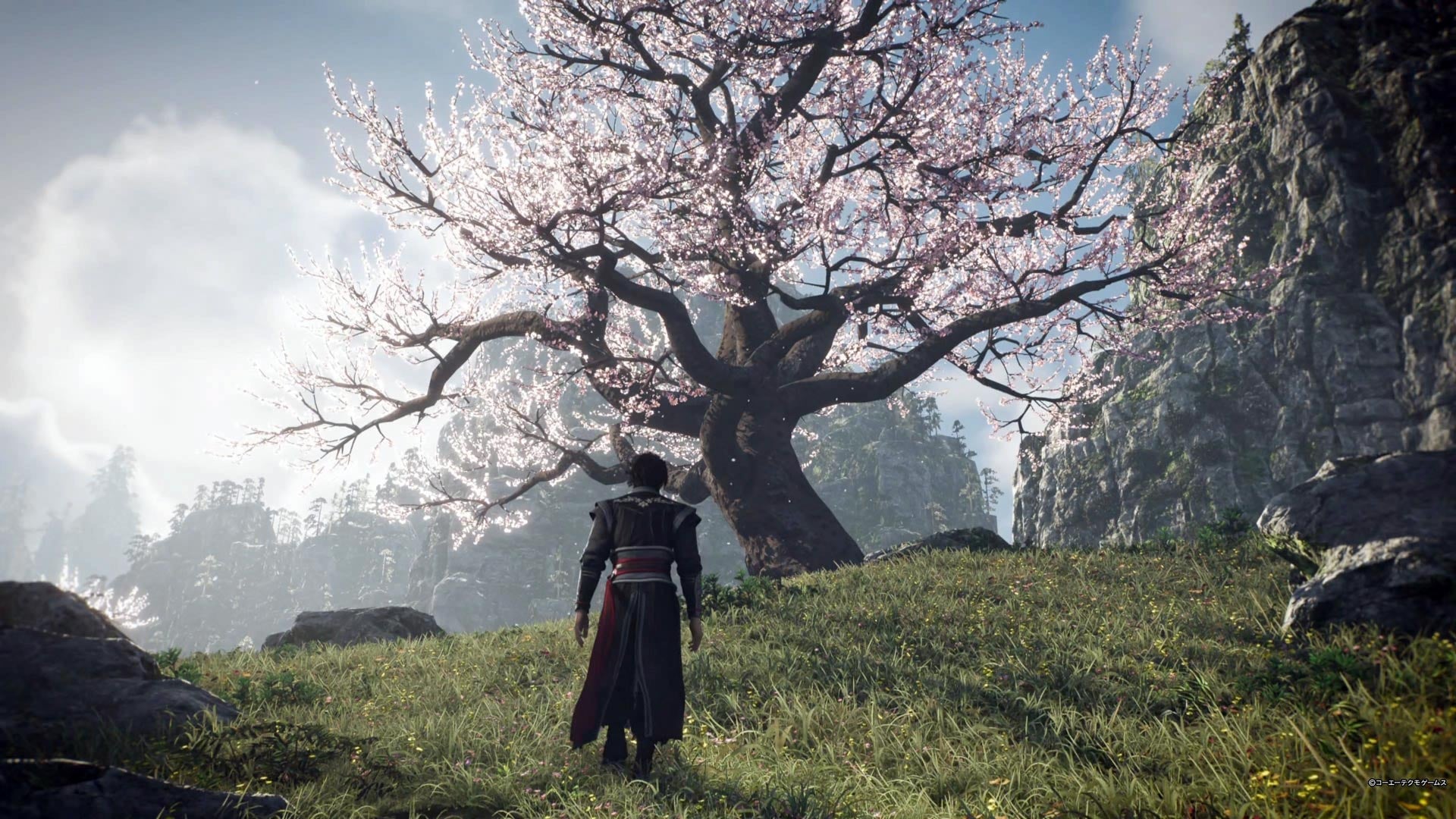
As you progress in the main story, characters will start making a big to-do about how you’ll need to align yourself with one of the game’s three factions. You must inevitably romance one of the three kingdoms, if you will. This will come to head during Chapter Three, but even then, you’ll see a warning about any crucial decision point before it happens. Your points of no return can involve choosing which side of a battle you’ll fight for before you engage, which will break your relationship with whichever faction you oppose. In other words, it’s not going to take you by surprise.
Which allies should you align yourself with on your first playthrough? I’ll leave that decision up to you, though I will say that Sun Jian’s initial battles in chapter 3 are worth experiencing on your first run through, even if you ultimately don’t ally with them. Just know that you’ll eventually unlock the ability to check out the story paths you initially missed, so don’t stress your decisions here too much. Follow your heart, carve your own path, and enjoy stacking up a pile of a thousand enemy corpses in a matter of minutes. It’s all in good fun, I assure you.