The developers behind RetroArch, the popular one-stop shop for retro gaming emulation, announced a new feature over the weekend: translating Japanese text to English on the fly. The results aren’t great, but they’re better than nothing and likely to improve over time.
RetroArch’s new “AI Service button” uses a Google API to scan whatever is being displayed on the screen, does a check to see if any of it registers as Japanese, and then translates it to English. You can map the command to a single button that you can press anytime you need to translate something. In “Image Mode,” the game pauses and the translated text pops up in a new textbox, while in Speech Mode a robot will actually read the words out loud to you while the game game keeps running.
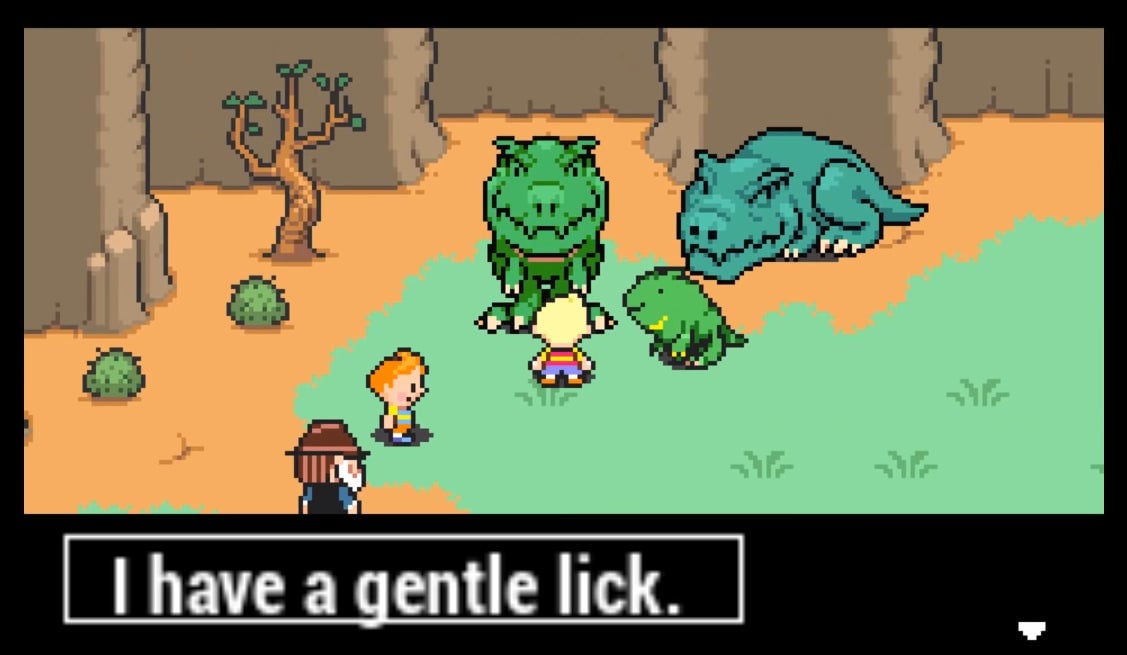
The RetroArch devs demoed the feature in a YouTube video using the text-heavy tutorial for ActRaiser. While the grammar and syntax is off, the gist of what’s going on comes across just fine. But the mileage really varies from game to game. Here’s what I got for one of the conversations early on in Nintendo’s seemingly-never-to-be-localized Mother 3 for the Game Boy Advance. (Thanks to Chris Kohler for the non-machine translations.)
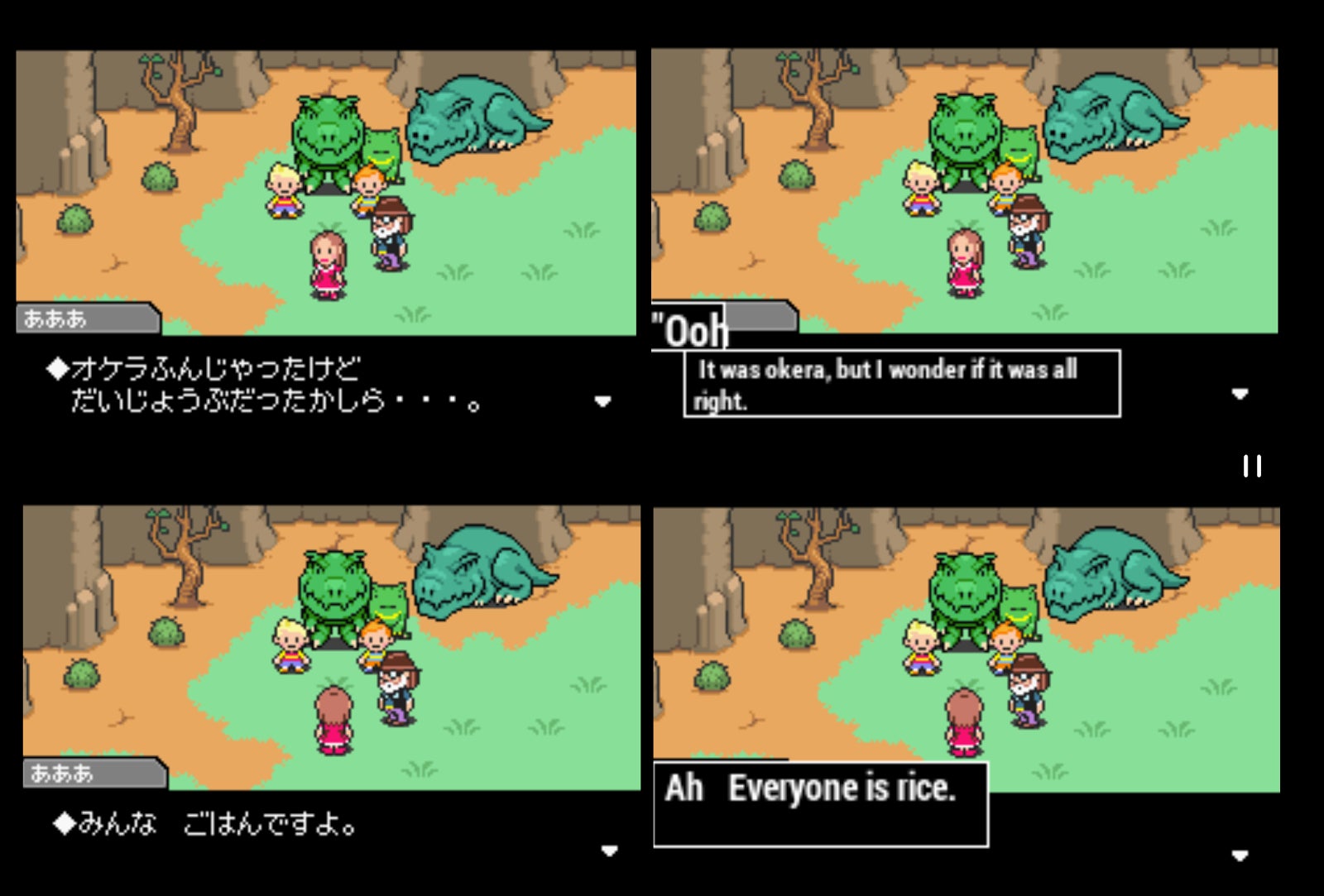
The first screenshot reads, “I stepped on a mole cricket. I wonder if it’s okay…” The machine translation gets tripped up on the slightly obscure insect name in the first half, and produces the semi-translated line “It was okera, but I wonder if it was all right.”
The second screenshot does translate all the words correctly, but misses the nuance. The original Japanese says “Everyone, it’s time to eat.” The phrase the character uses is “gohan desu,” which literally translates to “it’s rice.” The machine translation spits out “Everyone is rice.” (The “Ooh” and “Ah” in the screens are attempts to translate the string of random Japanese characters I dropped in for the mom’s name.)
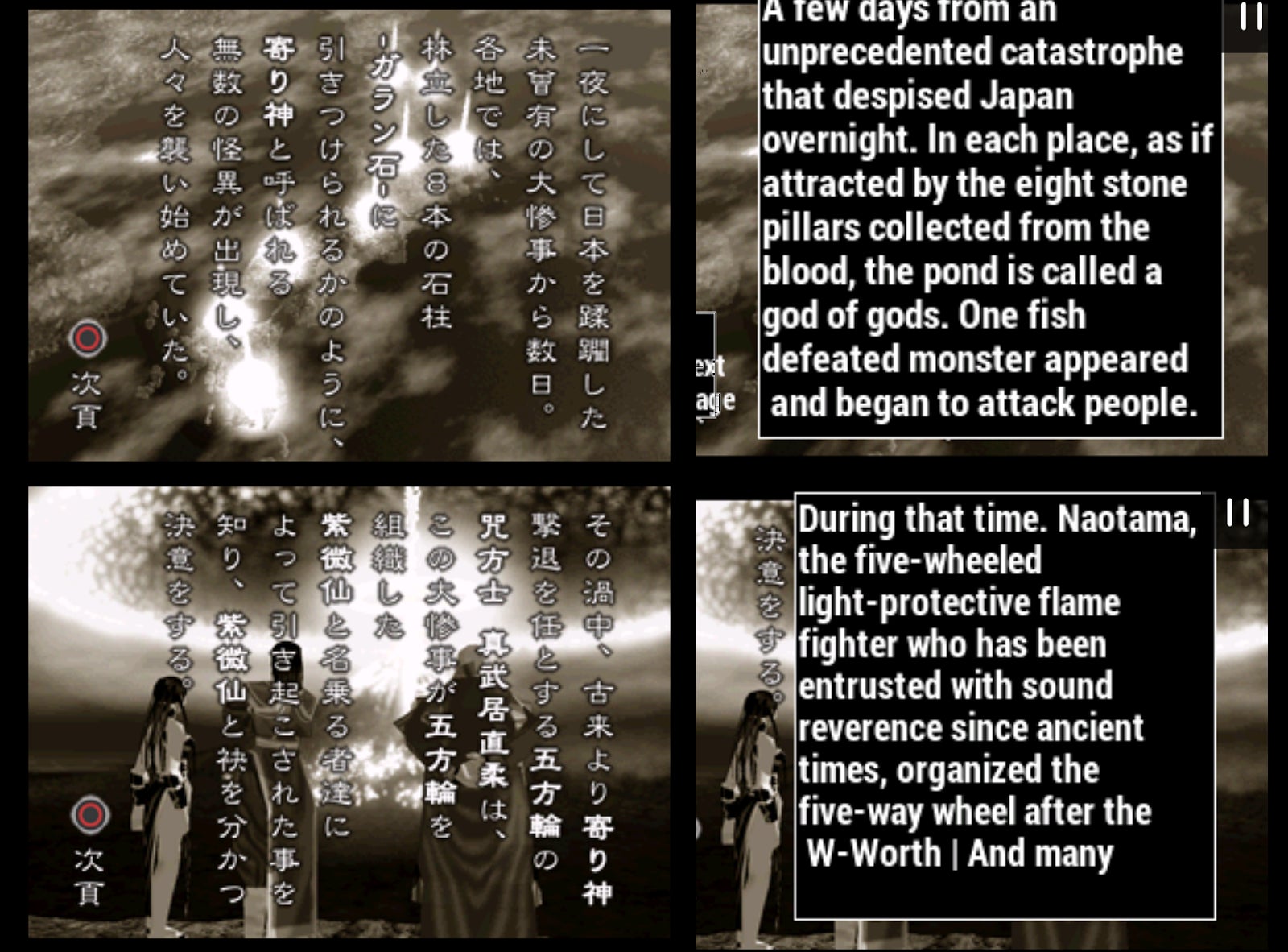
Basically, the machine learning translation works well for when you need to know what a specific command prompt might mean, or want a general idea of what you’re supposed to be doing. Any sort of nuance or more subtle meanings are likely to get mangled. But you can sorta kinda get it, as seen in this shot from 1998’s Soukaigi for the PlayStation:
It’s still a really exciting improvement. I mean, if you have time to learn Japanese, you should definitely just do that instead. Official translations are also ideal, but even then there are still so many games out there that seem unlikely to ever get them. For every Seiken Densetsu 3 out there, a Front Mission II continues to fade into obscurity for English-speaking audiences. Fortunately, even those games still have unofficial fan translations, which is your best bet if you’re trying to play Mother 3
But then there are all the Japanese games that don’t have any sort of translation readily available out there. It’s nice to know that players now have another option, even if it’s very much still a work-in-progress.