Returnal, a relatively punishing action game out next week for PS5, treats your character being near death the way many games do. When your health gets dangerously low, your screen displays a series of cracks (meant to mimic a busted visor) and starts pulsating red (meant to mimic…the blood rush of adrenaline?). These “red screens of almost-death,” as I like to call them, have been de rigueur game design for ages—and I, for one, am so very over it.
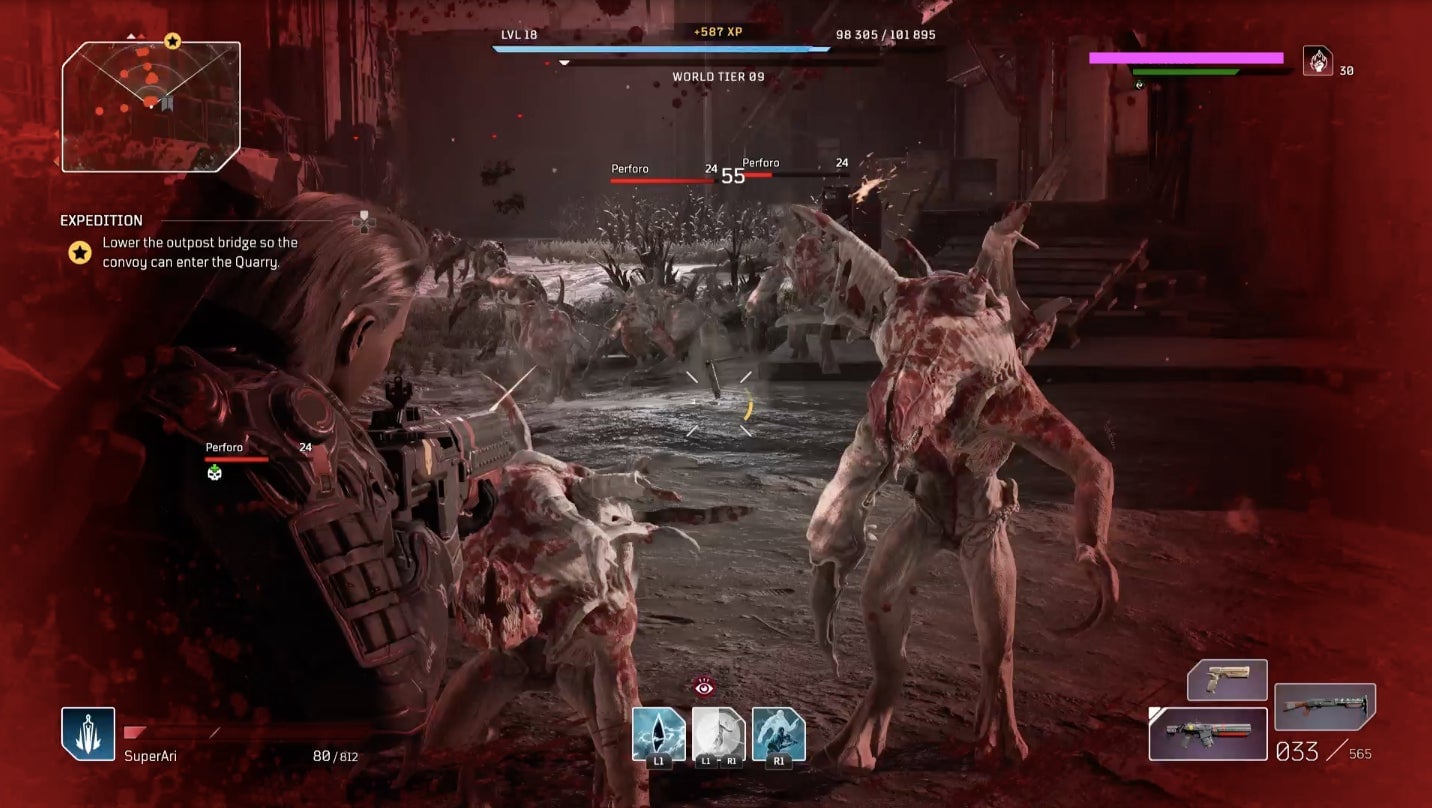
Returnal is just the latest game to do this to me, but most games I’ve played recently have a similar set-up. Outriders muddies the screen when you’re low on health. Doom does the same exact thing. Gears goes redscale when you’re about to die, as if to scream, “Get those mountainous biceps behind cover, if they can fit.” In games like Uncharted and The Last of Us, color drains from the screen. Tomb Raider. Quantum Break. Call of Duty. Battlefield. I could go on. I bet you could, too.
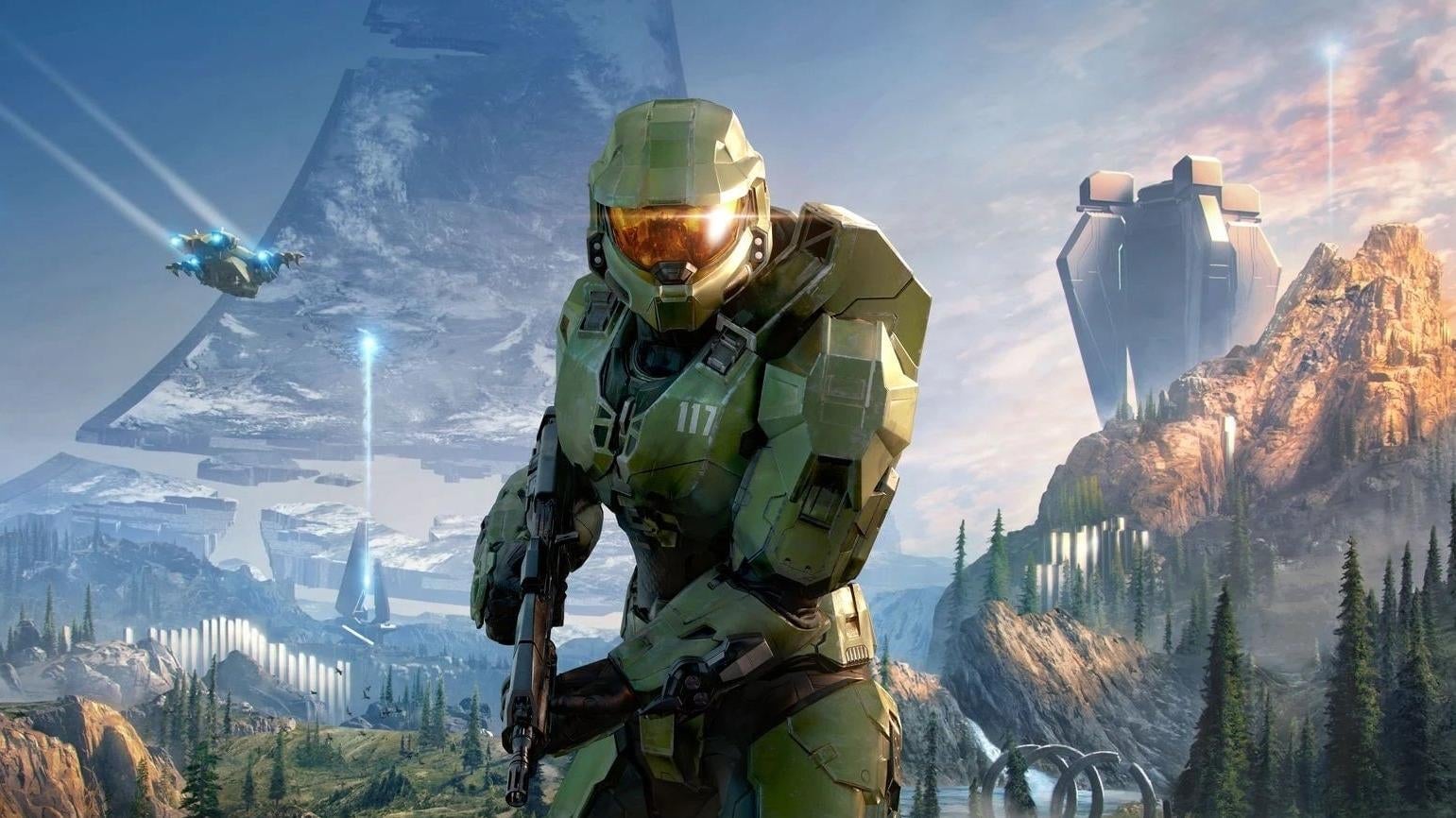
This ubiquitous design choice isn’t without rationale. In, gosh, 2016 (what is time?), the folks at Game Maker’s Toolkit released a terrific video explaining how and why every game features the red screen of almost-death. Once upon a time, action games didn’t always lean on blurring the screen to indicate damage; instead, because it was imperative to signal enemy attacks to the player, the screen remained clear. Enter: the health bar. But, over time, thanks to games that introduced a recharging shield mechanic (hi, Halo), game designers focused more on raising the stakes within individual fights rather than between fights. That’s where a visual cue—say, a screen that goes red and maybe a little bit blurry—comes in.
The red screen of almost-death also helps ramp up the stakes. You’re on the brink of death—a tense situation—so the game therefore increases the tension, possibly with the hope that it could stoke some dormant survival instinct. Red screens of almost-death also serve as an immediate visual cue to warn the player about impending death. They make sense, especially in games that don’t have health bars.
But I can understand something and still be annoyed by it. (Exhibit A: Those plastic anti-shoplifting packages that send thousands of people to the hospital every year.) In games like Doom and Outriders—where you restore health by killing enemies—being low on health makes those enemies harder to see, which makes it harder to kill them, which makes it harder to get health, so then you die. It’s an ouroboros of failure.
Plus, plenty of games that use the red screen of almost-death also have indicators of your health already on the screen, which makes the whole thing more annoying and unnecessary. If I want to know whether or not I’m about to eat it, I can just peek at the lower left-hand corner. I don’t need to lose any ability to tell what’s going on on-screen, or suffer through seconds to minutes of a red, pulsing screen until I find a health item or meet my drawn-out fate.
Ultimately, it’s a minor quibble, and I don’t mean to offend the game designers whom I’m sure work very hard to make these near-death effects so stressful. But in particularly punishing games where I die a lot, it all starts to feel like overkill. I’m dying, I know, I get it! I’m sure the red screen of almost-death isn’t the sole cause of, say, how many times I’ve died in some tough games. But it sure hasn’t helped.