Battle royales have managed to pull off an unlikely scenario. The genre has remained relevant for players, streamers, and competitive-level play. And it’s not just one game: The genre currently has multiple, big-budget competitors existing alongside each other with relatively healthy player counts. But there are challenges that could pave the way for something to take its place, or at least exist alongside it. True, Apex Legends and Fortnite typically maintain strong numbers and an active community. PUBG does as well, though it doesn’t seem to occupy the collective consciousness as it did in the late 2010s. And Warzone 2.0 is struggling
But excitement over Fortnite’s new Unreal Editor shows a playerbase hungry for something new, something expansive. Meanwhile, it seems rough for anyone else to enter this four-way shootout. No one’s saying it’s time to bury the battle royale just yet, but there are plenty of reasons for something new to emerge, something that preserves much of what gamers love about battle royales, but with a fresh spin.
Get in, survive, get out
Enter the extraction shooter. The core premise of an extraction shooter is simple: Go into hostile territory, fight your way through AI forces and other players, and get out alive. The map might be a ravaged battlefield, an abandoned town or city, or even a distant planet. Along the way, you’re likely to encounter deadly bots and even deadlier players. Both are opportunities for greater success or crushing failure.
Read More: PUBG’s Creative Director On The Success Of Battle Royales
Die, and you’ll lose everything you found and came in with, right down to your weapons, armor, and even ammo. But get out, and you’ll have “won”—hopefully leaving with some better gear than what you came in with. The immediacy of victory or defeat strays close to the adrenaline rush of a battle royale, but with the added bonus of being able to keep what you’ve found on your run. And, given the higher chance of unexpected alliances since you’re not all inherently fighting for that chicken dinner at the end, there’s greater variety in what can happen.
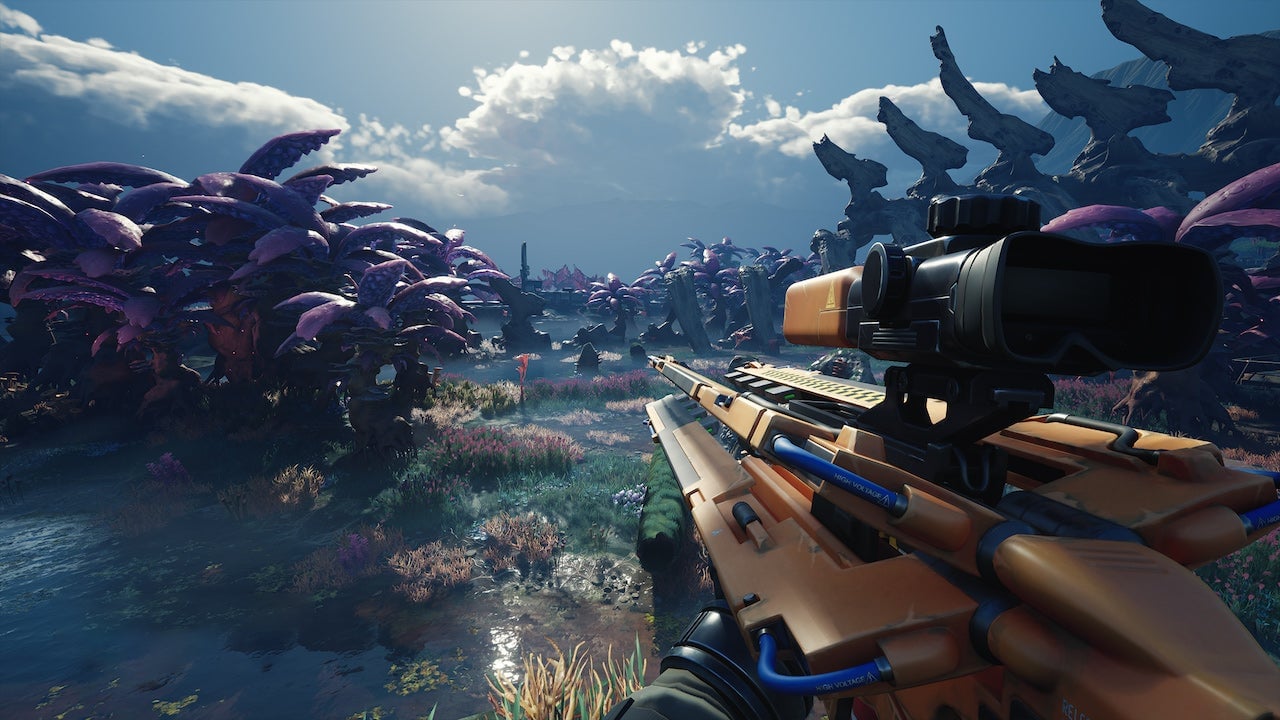
If you’ve found battle royales, despite their staying power, to have grown stale in their repetitive cycles of “deploy, loot, shoot, and hopefully win,” the rising genre of extraction shooters like Escape From Tarkov, Call of Duty’s DMZ, Hunt: Showdown, or The Cycle: Frontier, among others, is likely to offer enough twists to catch your attention. This unique PvPvE experience has until recently, gone largely unnamed.
“PvPvE shooter” was, and still is, a frequent term for it. But, given the fact that, in many cases, you can “win” without even shooting, the language seems to have shifted recently to favor the most basic demand of the player: Extracting. Now spanning multiple games, with more to come (some from publishers of battle royales, like PUBG), each stab at the formula seems to be a different take on the concept that, arguably, first solidified in Escape From Tarkov.
Tarkov’s tactical origins, promising futures
It’s hard to argue that Tarkov isn’t the defining game for the genre. The Division’s Dark Zone PvPvE environment is also a likely progenitor. But Tarkov’s main feature is the quintessential extraction experience. Featuring hyper-tactical gameplay mechanics that task you with inventory management and survival mechanics on top of spontaneous PvP and PvE (sometimes both at once), it is as challenging to play as it is rewarding to get out alive.
Read More: Elden Ring Director Turns to Escape From Tarkov For Inspiration
In Tarkov, you take on the role of a soldier infiltrating a fictional region of Northwestern Russia, fighting, scouting, and looting through various abandoned areas in the city of Tarkov. You choose one of two private military companies to side with and deploy in open combat areas across abandoned malls, buildings, and facilities, searching for key items for jobs, defending yourself, and hopefully scoring some better gear than what you currently have.
Tarkov’s tactics, inventory, and survival mechanics make it particularly punishing, and different games that occupy the same genre offer similar results: The unscripted nature of multiple, opposing players deploying onto a map filled with hostile AI strays close to the “anything can happen” sense we all know from battle royales, and sometimes that makes for a difficult first impression; those who aren’t used to PvP and PvE existing so seamlessly next to one another can expect a steep learning curve. PvP fans might be overwhelmed by difficult waves of AI, and PvE fans could be in for a rude surprise when hostile players seem to just show the fuck up to ruin their day.
Some games, like Call of Duty’s DMZ, dramatically pair back the inventory management to focus on the shooting, but still dwell in that fraught military fantasy. Others, like Hunt: Showdown, have a greater high-fantasy concept, with a Bloodborne-esque vibe, zombies, monsters, and magical abilities. Deep Rock Galactic (notable here for not having PvP, but still requiring extraction with resources), tasks you with mining deep into a planet and pulling off a successful haul with various natural hazards threatening to kill or trap you there.
Depending on players’ proclivities toward PvP, extraction shooters might often feel like a battle royale-style, no-holds-barred killing fest. And sometimes, like the various quests in DMZ that have player-kills as objectives, the mandate to eliminate your opponent remains. But since PvP is not always guaranteed or required of every player as a core feature of the extraction genre, choosing to not engage your human opposition is sometimes smarter than pulling the trigger. And those are tactics that can’t just be easily distilled into “which gun is best?” or “what’s the meta?”
Without that mandate to be the last-person-standing, extraction shooters have the opportunity to fill their worlds with more varied activities, more interesting premises and quests. You’re not here to just be the best out of 100 other players.
The result, I’d argue, is that extraction shooters flip the script of BRs, and most other multiplayer shooters—the mandate to always be on offense is replaced with a suggestion to play more defensively. Playing a round of DMZ forces you to unlearn old habits, to approach gameplay from an entirely different angle, to reorganize your priorities.
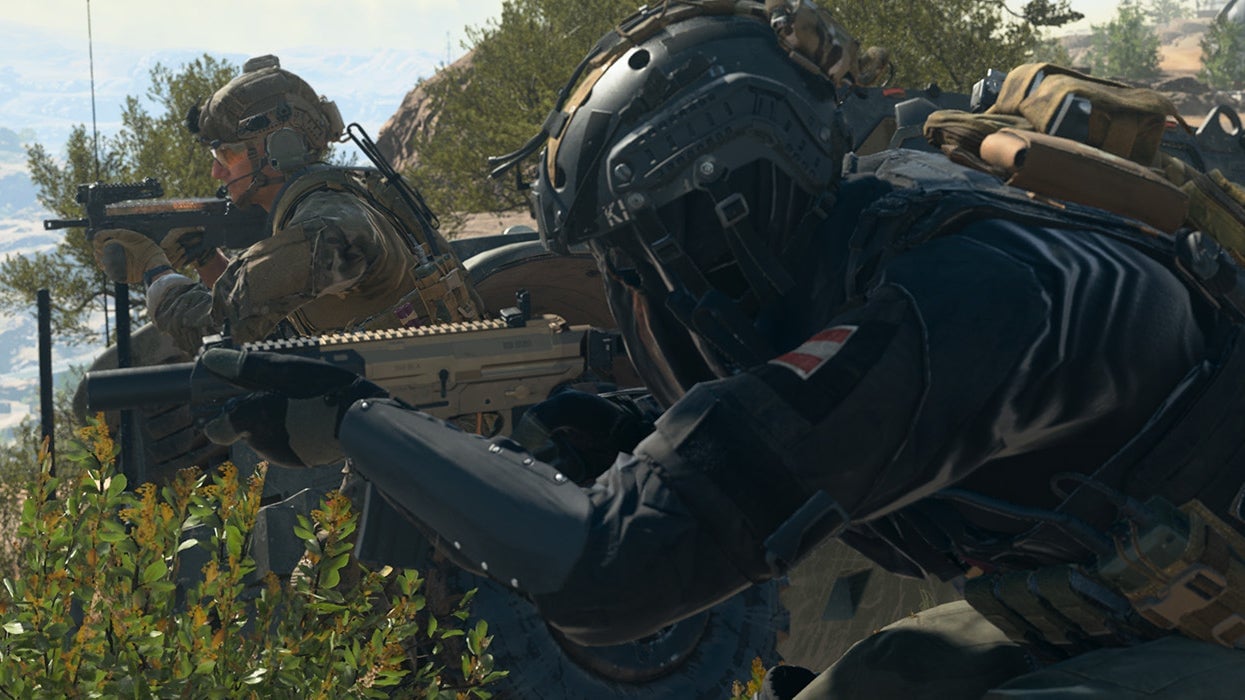
Defensive starting positions and more interesting objectives
Extraction shooters still typically have some kind of time restraint, it’s just not the closing circle of danger and death we know from a BR. You’re given an allotted amount of time to get-shit-done™, not consistently rising tensions tied to a diminishing clock that instigates fights. Your time on the map might involve fighting other players, or it might involve finding a key quest item. Or your run might just be about gathering supplies for a more ambitious follow-up deployment. Aside from specific moments where you’re intentionally looking to start fights (or, like in DMZ, are given a quest to eliminate other players), you might just be better off not picking one.
Evasion and defense are tactics that few shooters can offer as central mechanics, especially battle royales. Shooters, by and large, want you to be shooting: Aim-down-sites, center screen, fire. Rinse, repeat. Kill, kill, kill. Shooting in an extraction shooter, however, is simply a utility helping you toward your ultimate goal: Extraction.
Read More: Warzone 2.0’s DMZ: Everything You Need To Know About The Game’s Best New Mode
A quest added to DMZ with Warzone’s second season demonstrates this particularly well. Titled “Break Check,” you’re tasked with first going into Warzone’s largest map, Al Mazrah, retrieving an item from a vehicle crash site, extracting it, then deploying to a different map and delivering it to a key location.
First you’ll enter Al Mazrah, which is filled with hostile AI and other players—players who, by the way, might have that very same quest and as a result will end up as your primary opposition, almost like a scripted level in a traditional linear shooter. But nothing here, aside from the quest objective, is scripted. How you choose to locate the initial crash site and go in is entirely up to you.
Seamless roleplay opportunities
The word “shooter” is in the genre name. It is one of the primary components of the genre. But who, what, and why you’re shooting is often the end result of a dynamic equation from mixing up several unpredictable variables. The genre lets you play with a freeform, adaptable, style similar to a battle royale: You can be a sniper, spotter, point-person, shotgunner, spray-and-pray thrill-seeker, but competing quest interests encourage more interesting outcomes than the simple fight to the death in the center circle we all know so well.
Do you set up a perimeter, with teammates taking key positions with spotter scopes or sniper rifles to provide cover? Do you rush in fast and take out anyone in your way? If the situation gets too hot, you always have the ability to fall back and head for extraction, living to fight another day (and thus not losing essential weapons and gear like armor vests and self-revives). If you’ve ever played a single player shooter campaign, you’ve definitely done similar things, but it was always at the mandate of quest design. You’re playing “the sniper level” or the “get out of Dodge” section. But here in an extraction shooter, you’re doing it spontaneously, of your own accord. It’s all based on what makes the most sense, as well as what’s the most engaging and fun thing to do.
Read More: This Warzone TikTok Shows Why DMZ Is So Amazing In Less Than A Minute
And securing that item in “Break Check” is just step one. You then have to get out, or extract, from Al Mazrah. Anyone who’s played DMZ before can tell you: Getting out is a mission unto itself. You might have to bail on an initial plan when other players or hostile AI get too aggressive and threaten to take you out. You then need to head on over to another map, Ashika Island, as the final step, depositing the item in a dead drop, which itself requires much of the same real-time planning and tactics.
Again, how any of these steps are achieved is up to you to determine, in real time, the best strategy. Maybe you’ll blast through each one, taking out anyone who stands in your way. Maybe you’ll summon up your best Solid Snake tactics and pull it off without anyone seeing you. And then there’s a whole other side to how you could interact with this quest: As the primary opposition for other players.
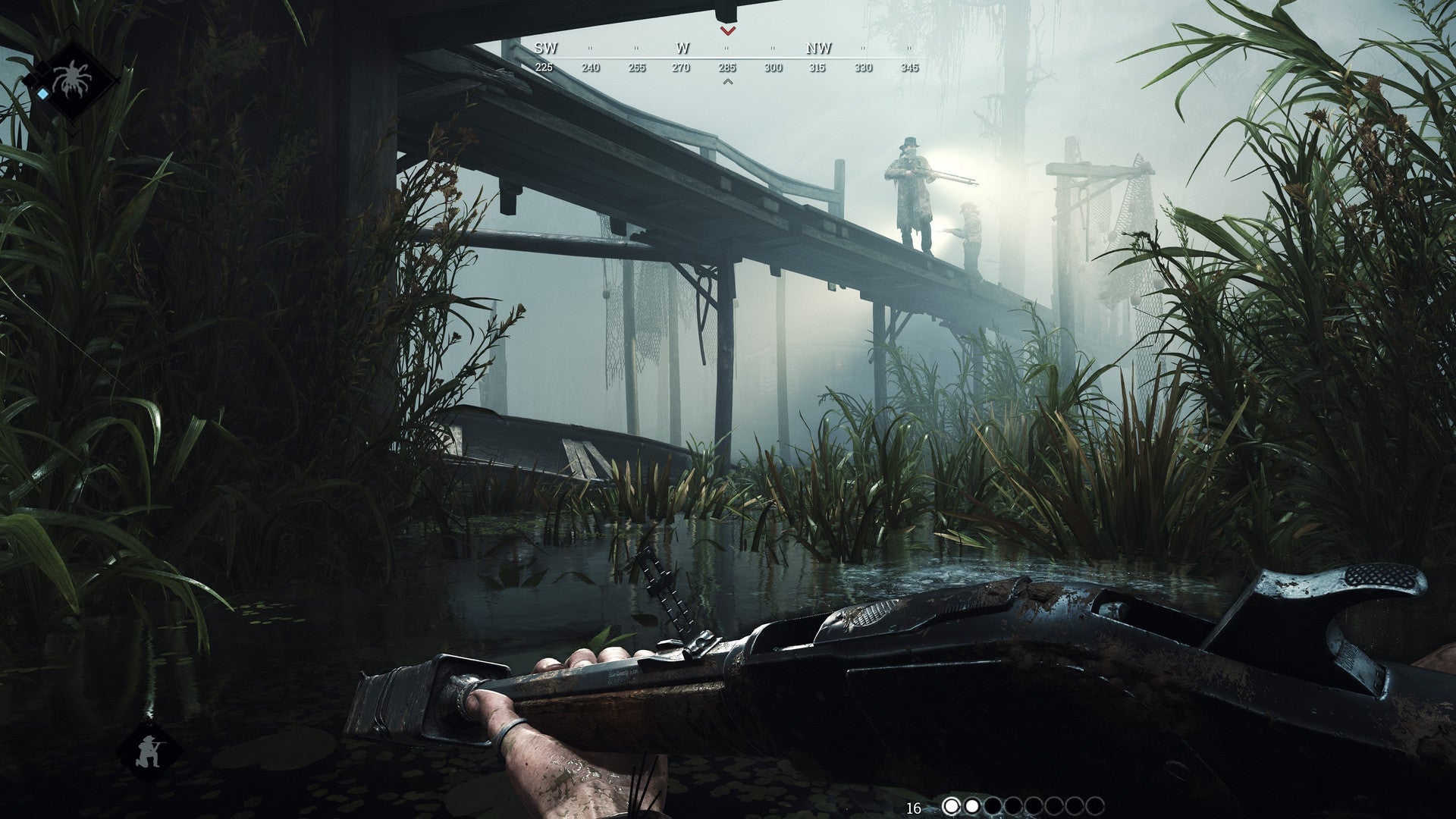
In “Break Check,” or many other DMZ quests, you could essentially play as the boss and prevent other players from accomplishing that task, setting up a sniper’s nest somewhere and waiting for a player or group of players to walk into your line of fire. Or maybe you want to play a silent ally, spotting other players on that quest, but choosing to set your sights on enemies the other players haven’t seen yet, clearing the way for them to get out alive. In extraction shooters, it’s as common to see campers as it is to see campers camping for campers. The result triggers a wide range of emotional responses to unexpected outcomes.
Main character, primary antagonist, mysterious ally, these are some of the various roles you can take on in an extraction shooter, set in the free and open spaces that are familiar to battle royales, but without the mandate to necessarily fight one another. It isn’t just about being the best at aiming and shooting.
Defense, allyship, opposition, and unexpected thrills, extraction shooters offer a more multifaceted set of emergent gameplay opportunities than a battle royale, while still maintaining the freedom and unexpected action that we’ve come to know and love from the genre. It’s challenging to say for sure whether or not the extraction shooter will reach the same level of popularity as battle royales (DMZ, in particular, proves that some players struggle with the mixed emotions of spontaneous PvP in PvE scenarios and other social trickery).
But it could just be a matter of time before the right game lands in the perfect Goldilocks-zone of PvPvE, loot, quests, gameplay, or even just the right franchise. If you’ve found yourself deploying in match-after-match of an extraction shooter of your choice, then you understand by now that this genre truly is something special.