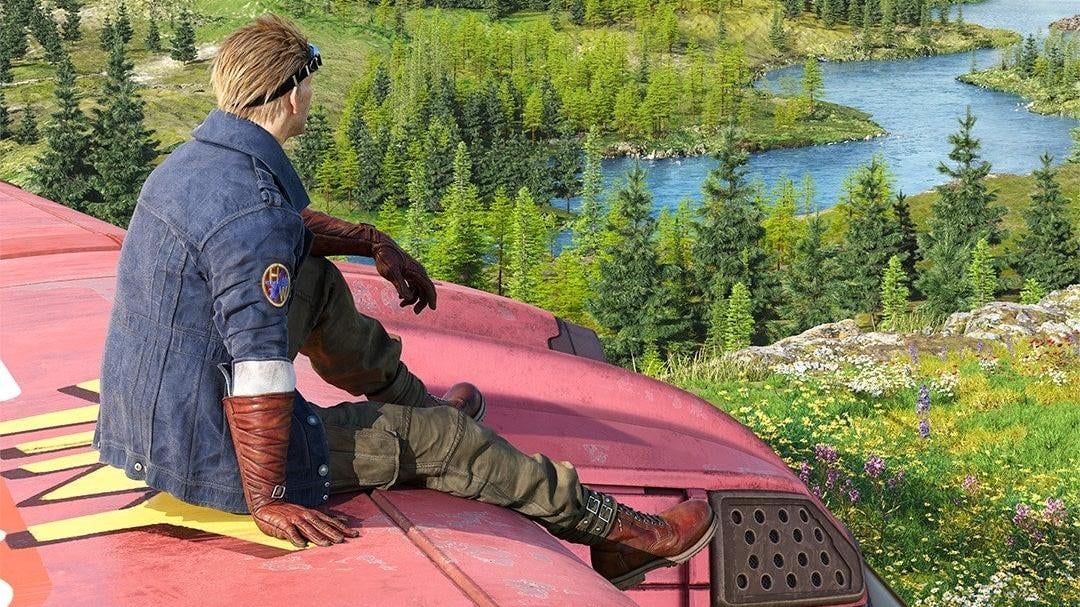
Final Fantasy VII Rebirth revels in all the extra time you can spend hanging out with the original game’s iconic cast. But it also falls victim to it in a way that not even Remake did four years ago. Square Enix’s plan to recreate Final Fantasy VII as three games seemed questionable when the company announced it back in 2016, and Rebirth exposes the strengths and weaknesses of the approach, which makes examining the game as a standalone product complicated.
We won’t spoil anything new to Rebirth here, but will talk about known scenes from the original game. No, not the big one with Aerith.
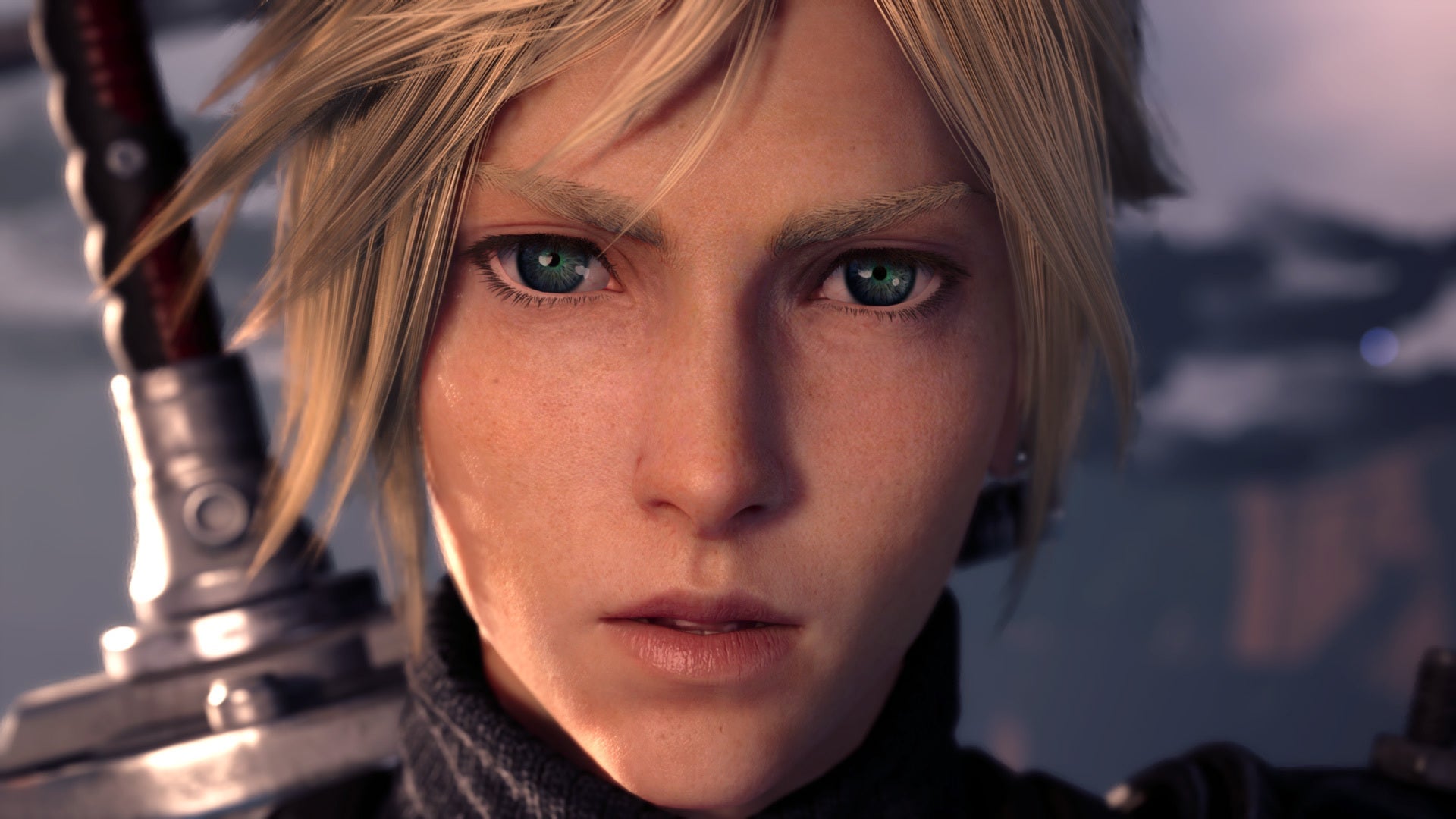
Large swaths of Final Fantasy VII Rebirth are an absolute blast. Square Enix takes full advantage of how much time you have with protagonist Cloud and his merry band of misfits, and there are so many endearing moments that make the most of this crew. Even if you’ve never played the original FF7, it’s easy to see what made this party so beloved back in the day. The easiest comparison point that comes to mind is Mass Effect 3’s Citadel DLC, in which BioWare forgoes the main game’s plot to just let its crew hang out. Rebirth spends so much time showing its party just growing close and being silly that it reminds me just how much better Final Fantasy is when it’s campy—instead of aspiring to Game of Thrones’ political drama like Final Fantasy XVI
Pre-order Final Fantasy VII Rebirth: Amazon | Best Buy | Target
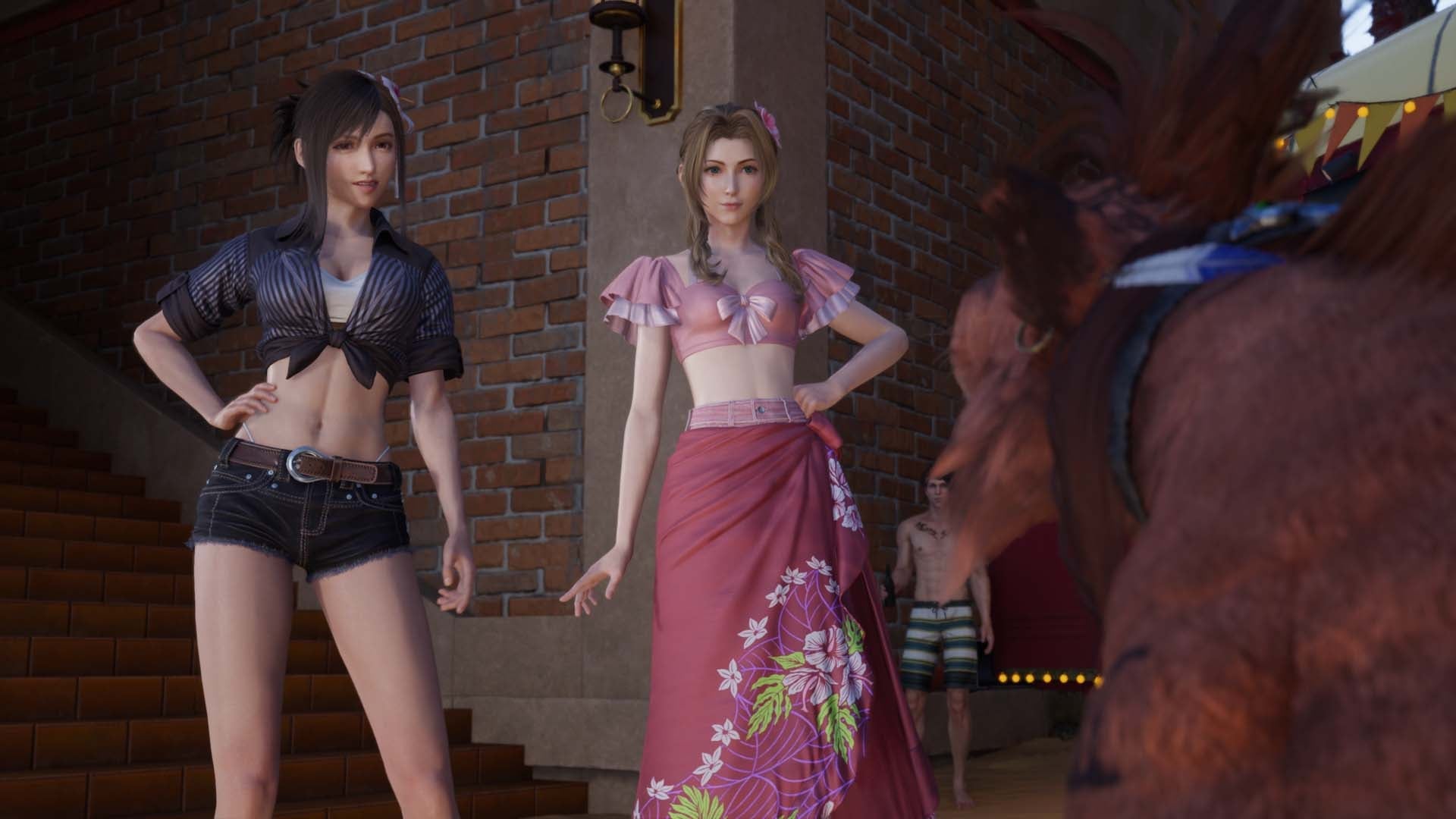
So many of my favorite moments in Rebirth are when shit gets goofy. Red XIII donning a Shinra soldier uniform to masquerade as a human got a belly laugh out of me. Visiting the iconic Gold Saucer amusement park, where everyone’s personalities are cranked up to 11, makes Cloud’s diminishing stoicism all the more delightful. Each of these detours on the way to the one-winged villain Sephiroth lovingly builds upon the party’s dynamic, and every time I thought I didn’t care for a character, Rebirth found a way to bring me around. Cait Sith, a newcomer in the sequel, is one of the bigger weirdos in the group, being a robotic cat with a Scottish accent no one else in the game has. But he blends in so well with all the shenanigans that I bought into him almost immediately.
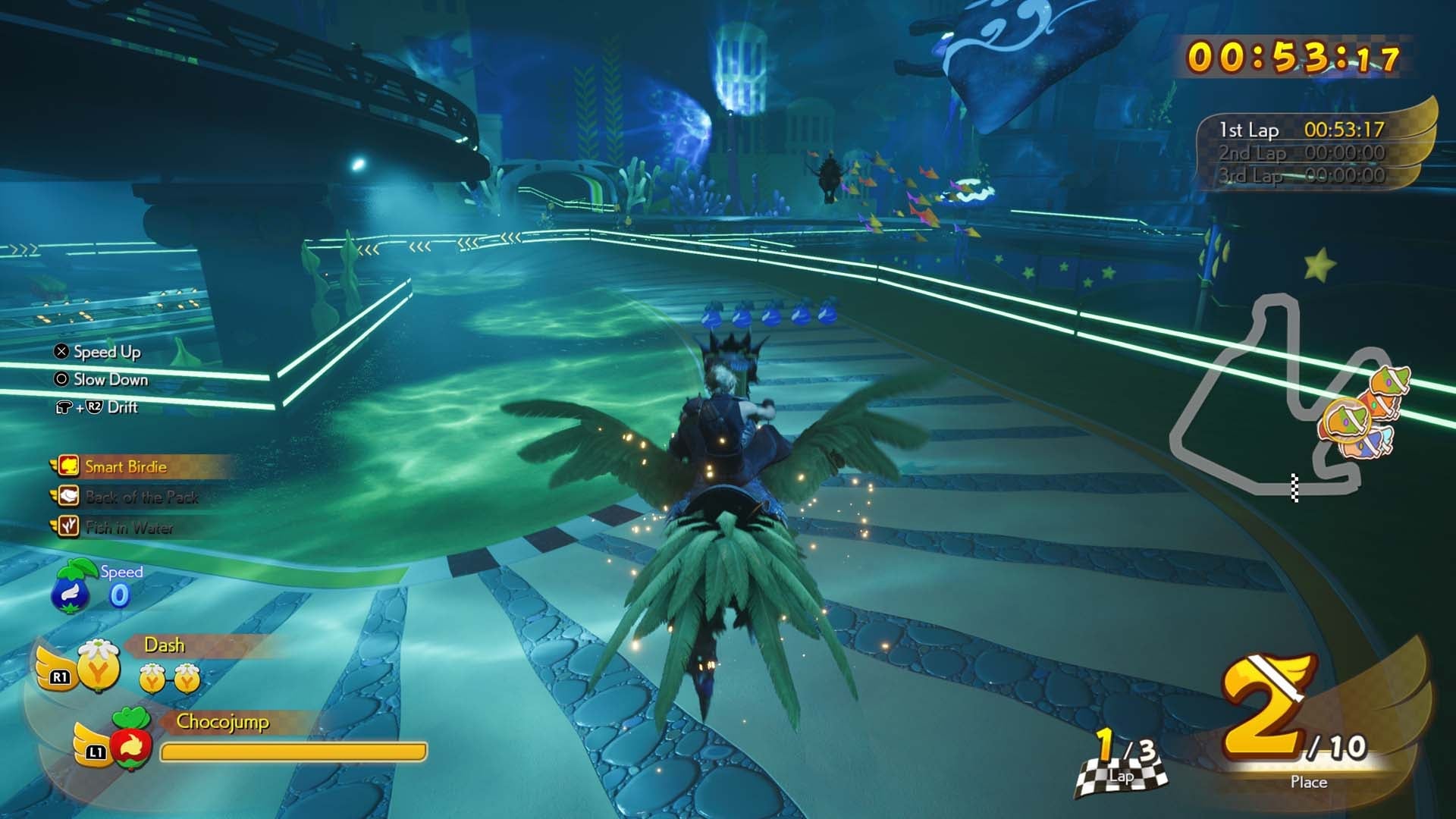
All this absurdity and fun makes Final Fantasy VII Rebirth feel like a theme-park version of this game’s world that never closes. The world is Cloud’s oyster and he’s free to hang out with all his friends, get to know them, and play every attraction Square has created. The crew takes detours into Mario Kart-style Chocobo racing, a fighting game with characters made to look like the original FF7 for PlayStation, and an incredible card game called Queen’s Blood that I’m still playing after hitting credits. There’s even a point where Rebirth turns Red XIII into a Rocket League-style soccer player. If you’re looking for quality time with your friends, Rebirth delivers that in spades and never lets up.
Too much of a good thing
Therein lies the problem. Final Fantasy VII Rebirth represents the second act of what was meant to be one story, told concisely in a 30-to-50-hour RPG. It is, for all intents and purposes, the “second disc” to insert into your PlayStation to continue the story. One you pay an additional $70 for, and Square Enix has undoubtedly taken that into account. This is a big game on its own merits, but the awkwardness of its placement in the Final Fantasy VII story means that it shows the trap Square was going to inevitably fall into by formatting the Remake project this way.
In the grand scheme of things, Rebirth’s main story doesn’t cover a lot of major events. Most of the game is Cloud and company moving through different areas of Final Fantasy VII’s world like they’re on a guided tour, directed by nothing but a hunch and a dream. You spend chapters of Rebirth without moving the plot forward, only following enigmatic black-hooded figures who are showing up around the world, going somewhere. They want to instigate something called the “Reunion,” and seem tied to Sephiroth. But that’s the driving force for an entire game instead of a sliver of one, and that’s what even a mainlined playthrough entails: following people in hopes that wherever they’re going is where you need to be.
To say Final Fantasy VII Rebirth meanders is an understatement, as Square’s solution to trying to make a full 30-to-90-hour game out of what was roughly a dozen hours of the original is to fill the world to the brim with mini-games. The bulk of Rebirth’s main quest ping-pongs Cloud to different areas to take part in a different side activity. The amount of diversions on offer here would give a Mario Party game a run for its money. In fact, you could probably make a whole other video game by packaging all of them into a separate collection. The good news is that there’s a lot of variety in what you’re doing in Rebirth, but not all mini-games are made equal. For every Queen’s Blood, there’s some nonsense like controlling Cait Sith and throwing boxes around a room with one of the most poorly considered controller layouts I’ve used in a game. We can’t simply drive anywhere; there has to be an Xbox 360-style turret section to keep you busy.
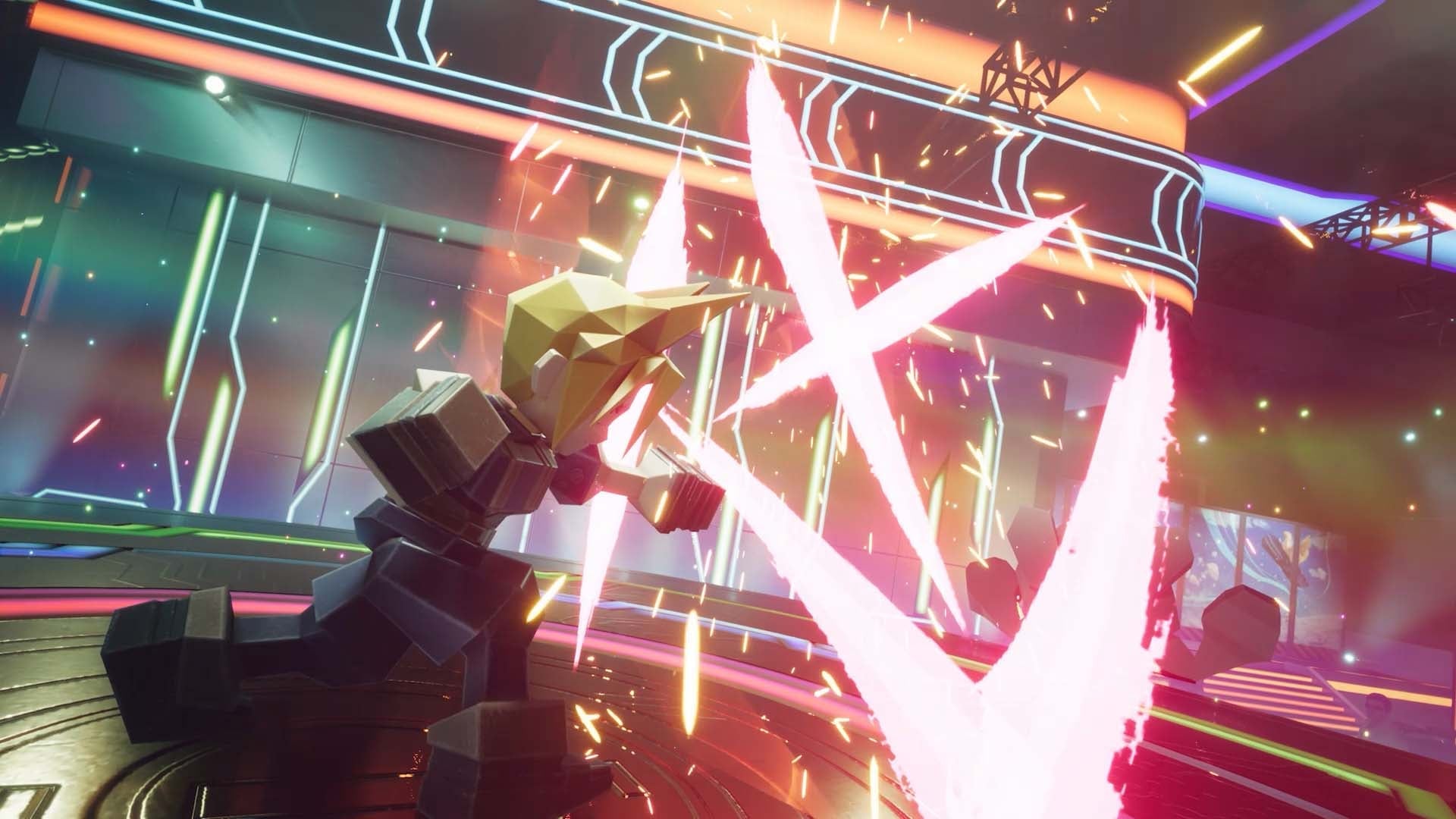
Rebirth’s biggest problem is that it has an inability to let anything last only as long as it did almost 30 years ago. Every place Cloud steps into has to be filled with an endless amount of things to do and see. It’s easy to extrapolate how that philosophy would result in Final Fantasy VII taking place across multiple games, rather than the singular one it did before. For Remake, much of that artificial expansion came from side quests stretching what were originally small moments into hours-long ones. For Rebirth, the bloat comes from a constant, inescapable barrage of mini-games. Yeah, you don’t get forced to do the same thing very often, but Rebirth is always finding ways to gamify what could have taken a fraction of your time otherwise.
Part of this feels like scope creep. If Square Enix is releasing Final Fantasy VII Remake as three games instead of one, there’s a desire to make sure each feels like a complete video game full of capital C “Content” that justifies it being a standalone product on a store shelf. But the more generous reading is that Remake and Rebirth feel an obligation to make every scene and segment big and memorable, not because they merit the excess, but because each moment might be someone’s favorite from the original. It’s not a matter of making Final Fantasy VII an extended, borderline live-service experience to be divided up and charged for piecemeal, it comes from a misguided fear that if these remakes gloss over something, they might not be giving every Final Fantasy VII fan their perceived due.
The middle child
The end result is Rebirth is 70 percent vibes, 30 percent plot, and the pacing troubles become especially apparent when the final chapters have to cram exposition and plot development into closing moments. There were so many moments that reminded me that I do actually have a lot of attachment to these characters, even if I was disappointed that late additions like Cid and Vincent don’t get to be actual party members. But as a second entry in a trilogy, it falls harder into the trap of the middle section of a three-act structure than most series do.
Rebirth spends most of its time establishing storylines it will get around to later, while Cloud gets to run a gauntlet of the silliest mini-games Square could concoct. It’s tragically where the bulk of Final Fantasy VII’s filler falls, constantly distracting from any forward momentum. What makes silly detours and slice-of-life episodes in dramatic series work is that they don’t end up taking the bulk of the runtime, but Rebirth is one piece of a larger puzzle wrapped in shrinkwrap in a glass-protected shelf at Target.
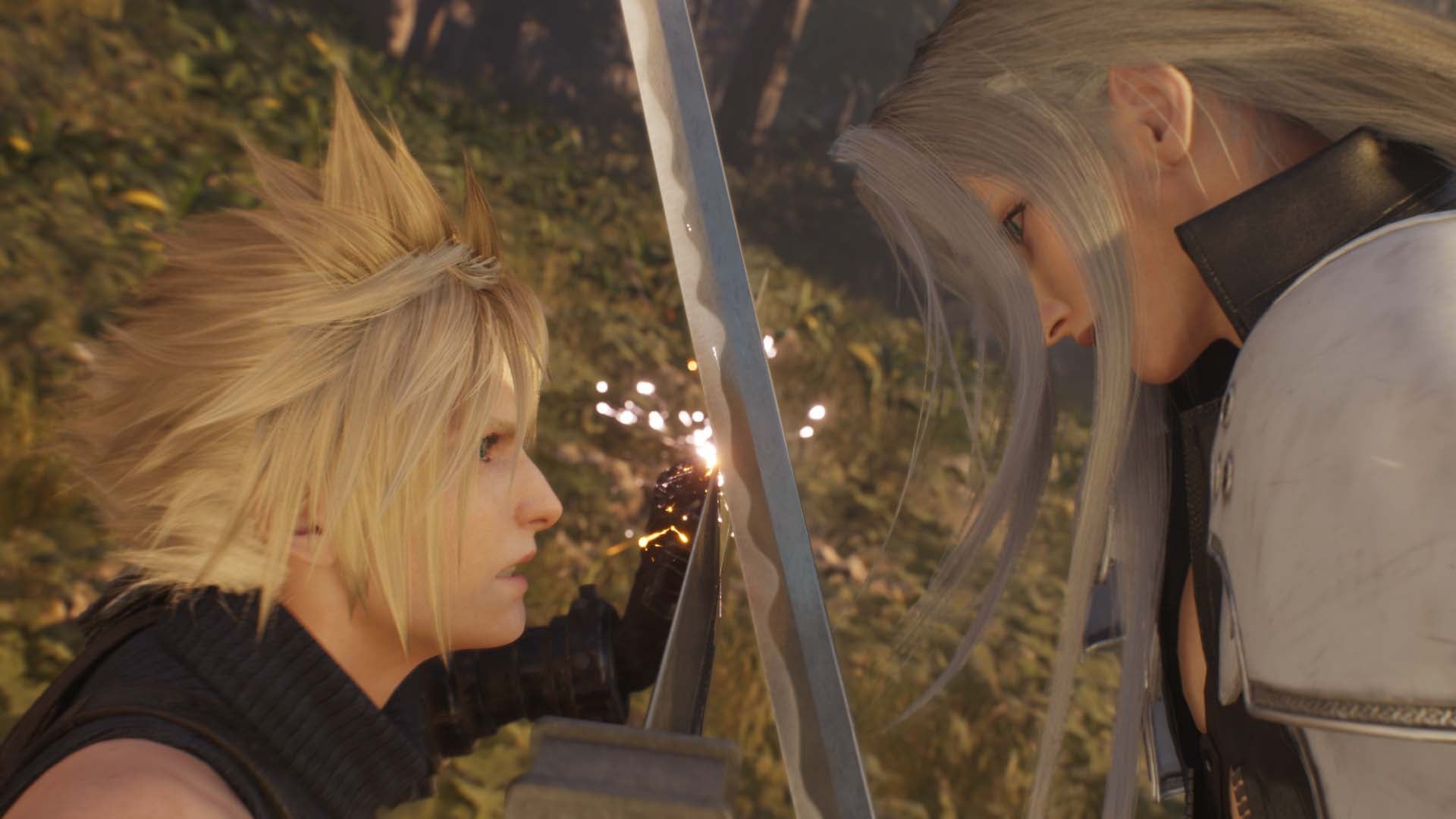
This stretching of one story across three games makes Final Fantasy VII Rebirth an awkward singular video game to assess. Part of me wants to meet it on its own terms and view it as what it is: one third of an intended three-part story Square is delivering across three games. Rebirth is respectably unapologetic in its being a continuation of a previous game. Much of its incredible combat is nearly identical to Remake’s, and so when new additions come in, it feels like a natural progression rather than an overhaul some might be looking for in a sequel. But as a lone, $70 product, it’s a jarring, meandering bombardment of so much goofiness that the serious, consequential shit ends up sidelined. It hits when it’s there, but Rebirth’s main plot gets sidelined for dozens of hours before the silly shit gets out of the way.
In spite of my frustrations, I do want those diversions. The most memorable sequences of this game were in those heartfelt moments punctuated by a hearty laugh or an awkward silence. But I can’t help but wonder if they would have hit harder if they were in one game that could have trimmed away some of the filler to get at the heart of why they mattered. Rebirth feels like a trapeze artist jumping from their bar, enjoying the thrill as they free fall. But it’s hard to look graceful when you’re desperately reaching for the other bar just before it’s out of reach.
Pre-order Final Fantasy VII Rebirth: Amazon | Best Buy | Target