About Hades II
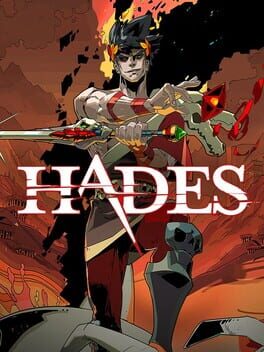
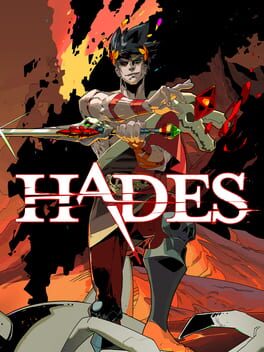
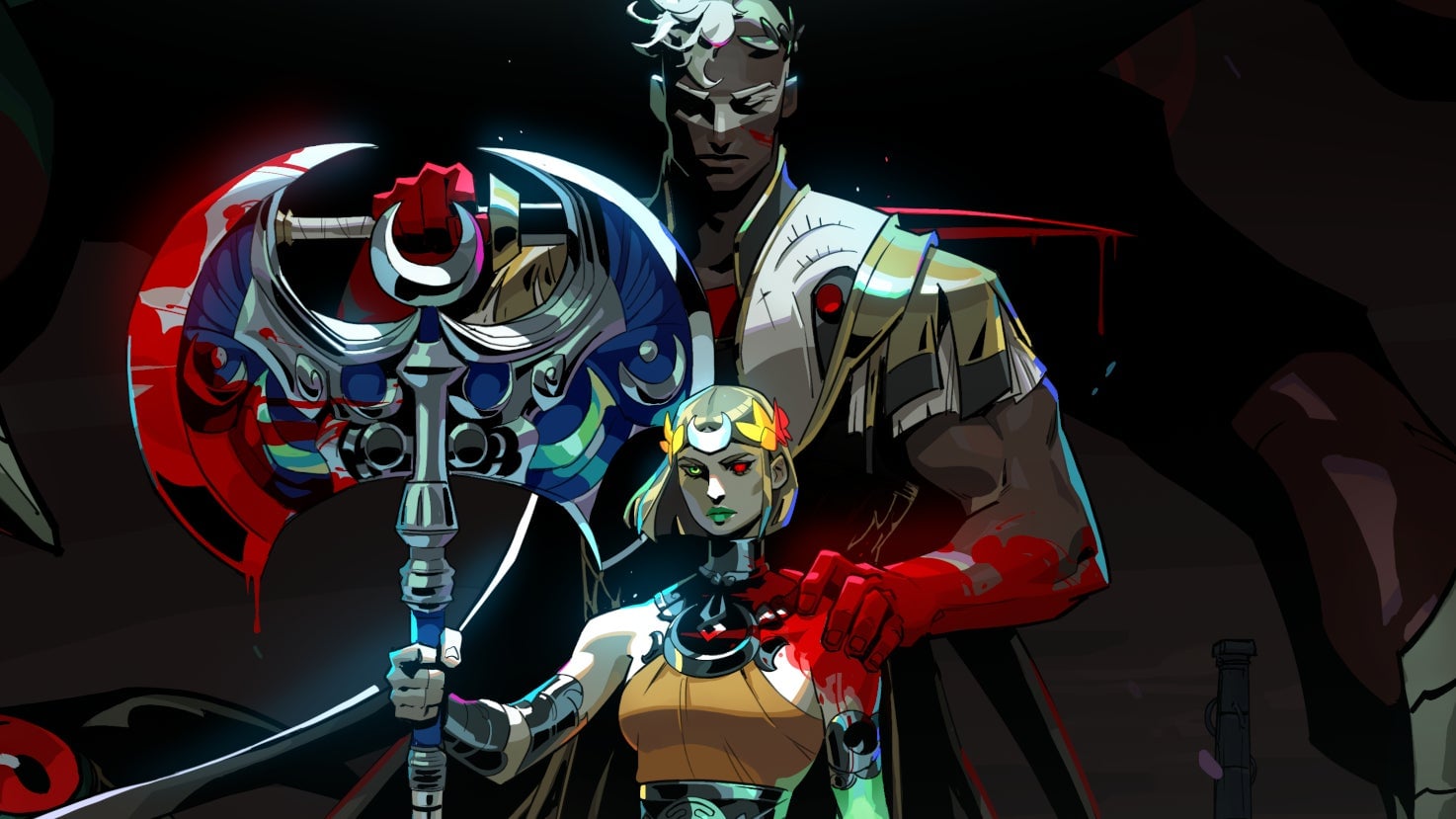
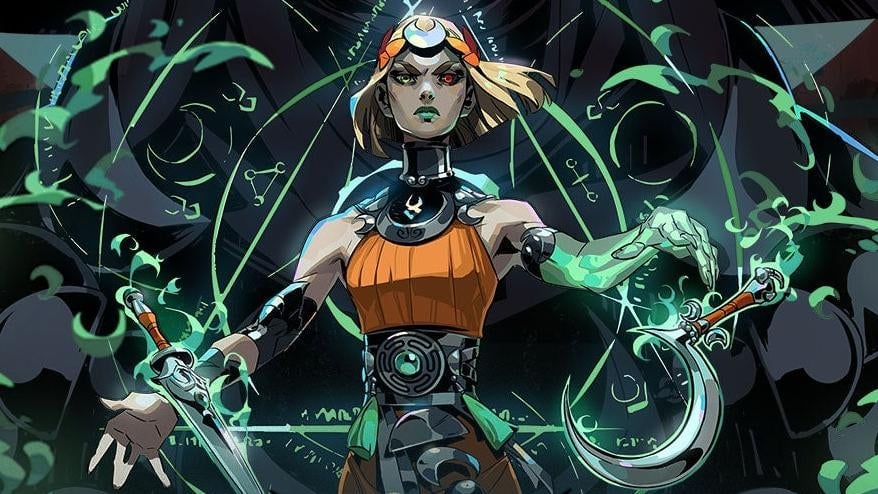
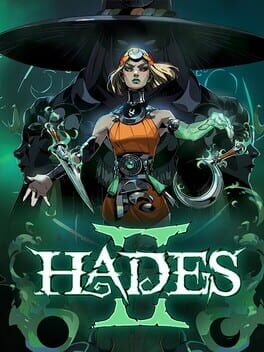
Hades II is a rogue-like dungeon crawler that dives deeper into a mythic world shaped by old Greek stories. The entire game revolves around the immortal Princess of the Underworld who stands against the Titan of Time. It’s not a simple battle. It’s a series of shifting fights, encounters, and story turns that change every time you step into it. The world isn’t fixed. It moves with your choices, your losses, and your wins.
Unlike many action games that push you down a straight path, this one opens wide and keeps stretching the further you go. You don’t just run the same route again and again. Each time feels a little different. Enemies shift. Rooms change. Dialogue bends. Nothing sits still for too long. That makes it hard to fall into repetition.
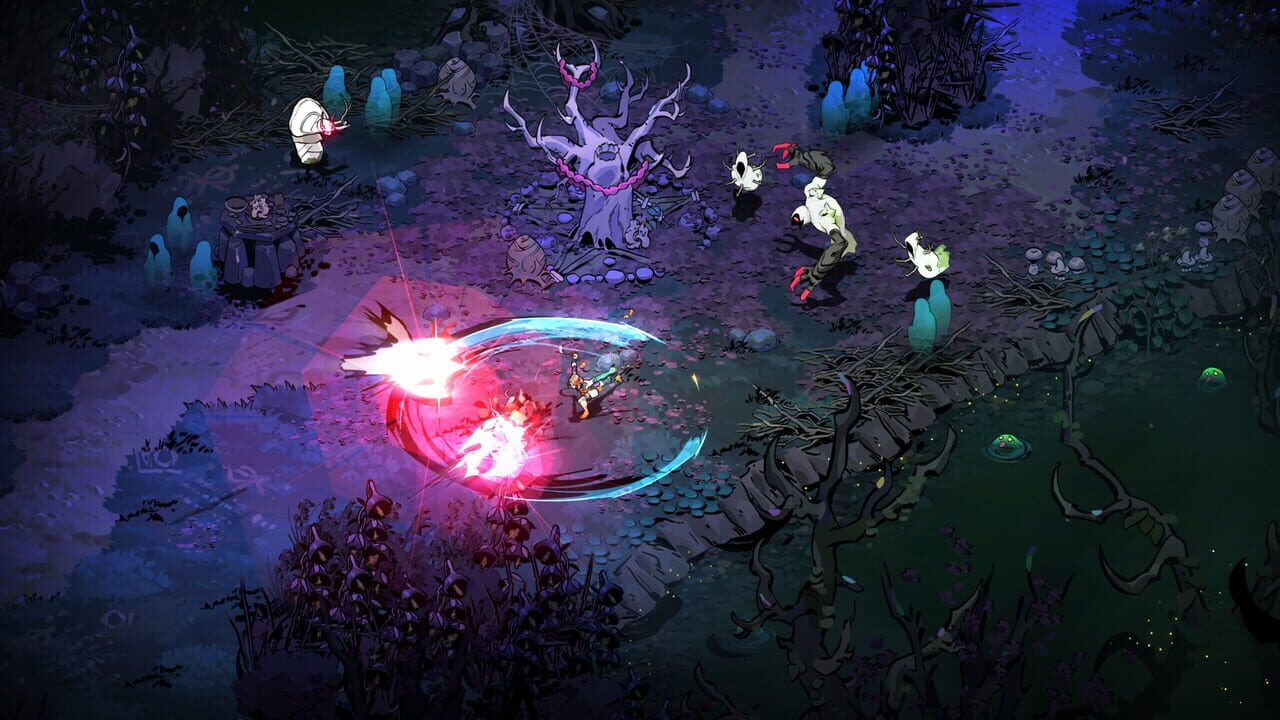
The magic system builds the backbone of the combat. You infuse weapons with dark sorcery and pick up Boons from Olympian gods like Apollo and Zeus. These powers aren’t static upgrades. They mix and layer in different ways, so the weapon that felt familiar yesterday can play like something else today. Some runs come easy. Some bite back harder than expected. That unpredictability is part of the pull.
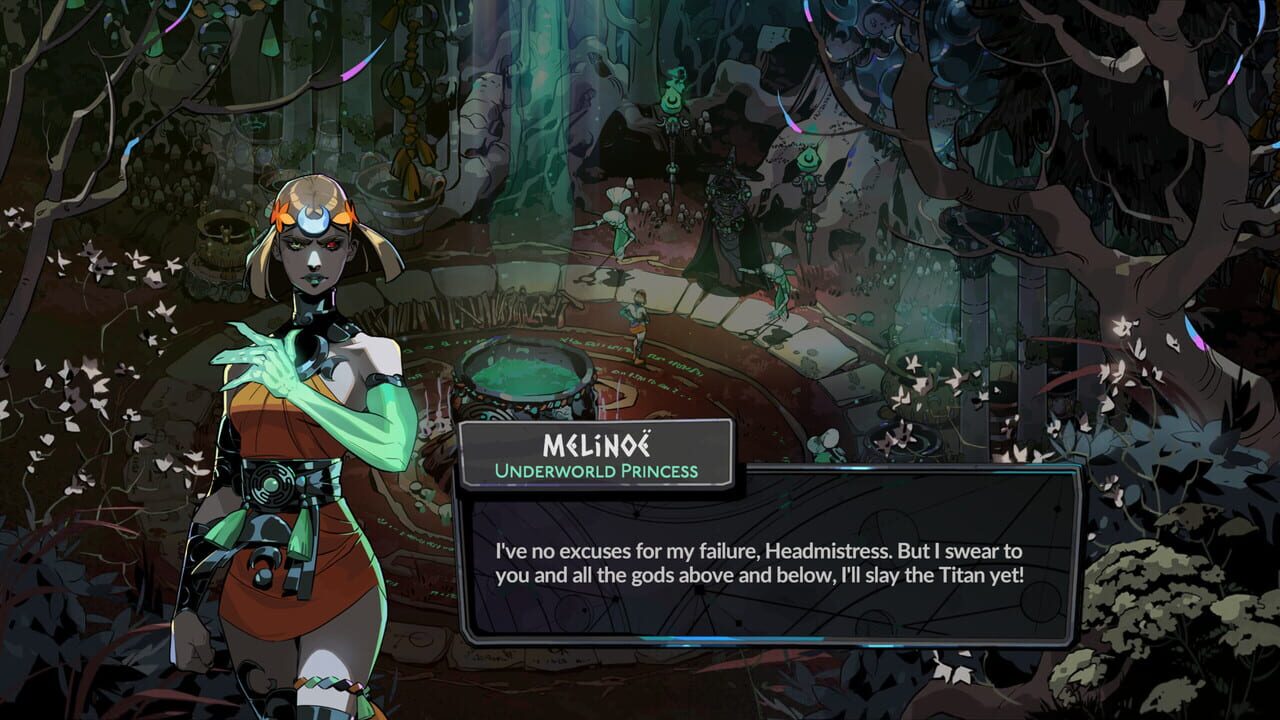
Characters give the game more weight. They don’t float in the background. They meet you, remember your steps, and talk differently as things move forward. Gods, spirits, monsters — they are all stitched into the pace of your journey. You feel their presence, not through fixed dialogue chains, but through fragments that fall into place over time. This makes Hades II feel less like a game waiting for you to finish it and more like a place that exists whether you’re ready or not.
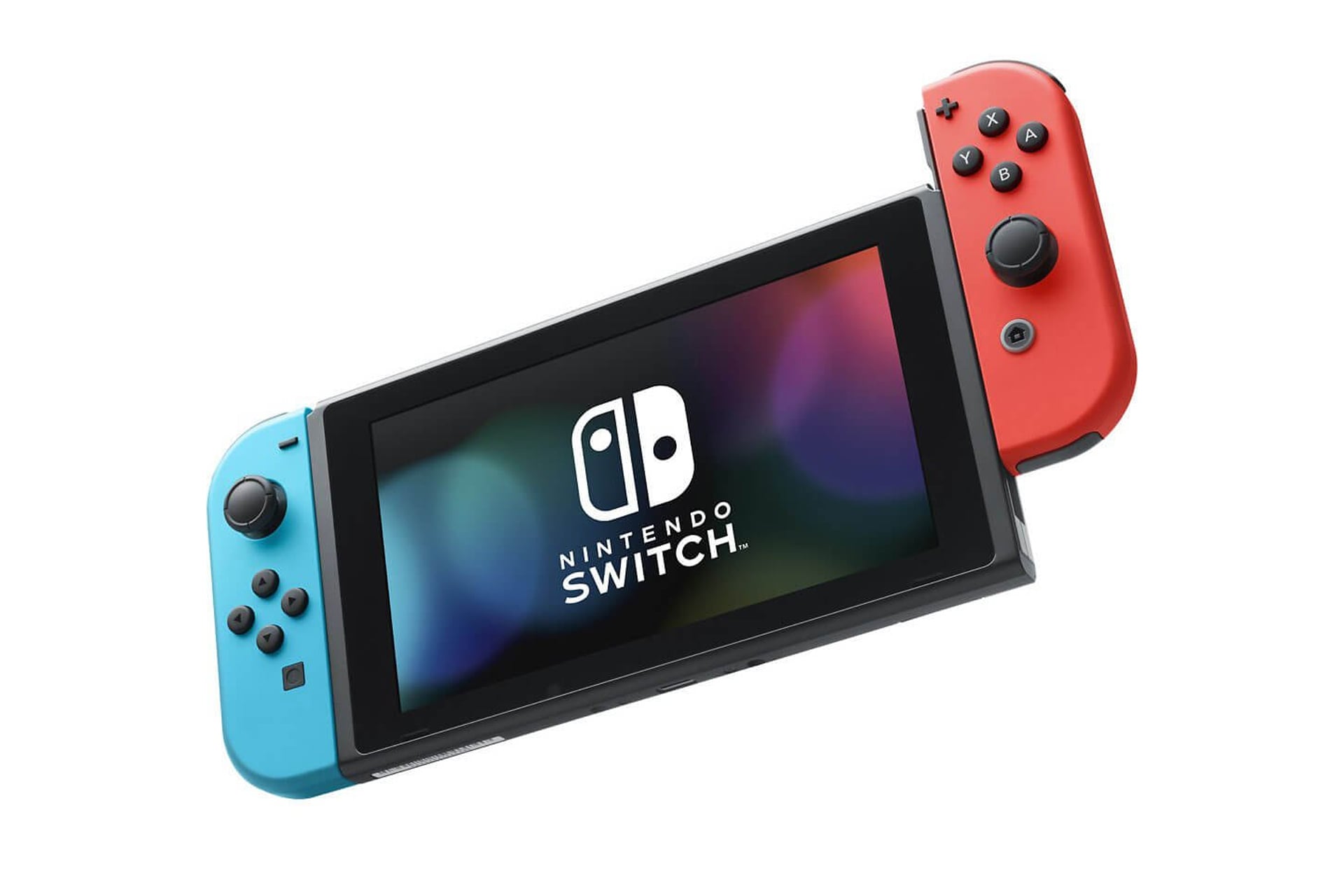
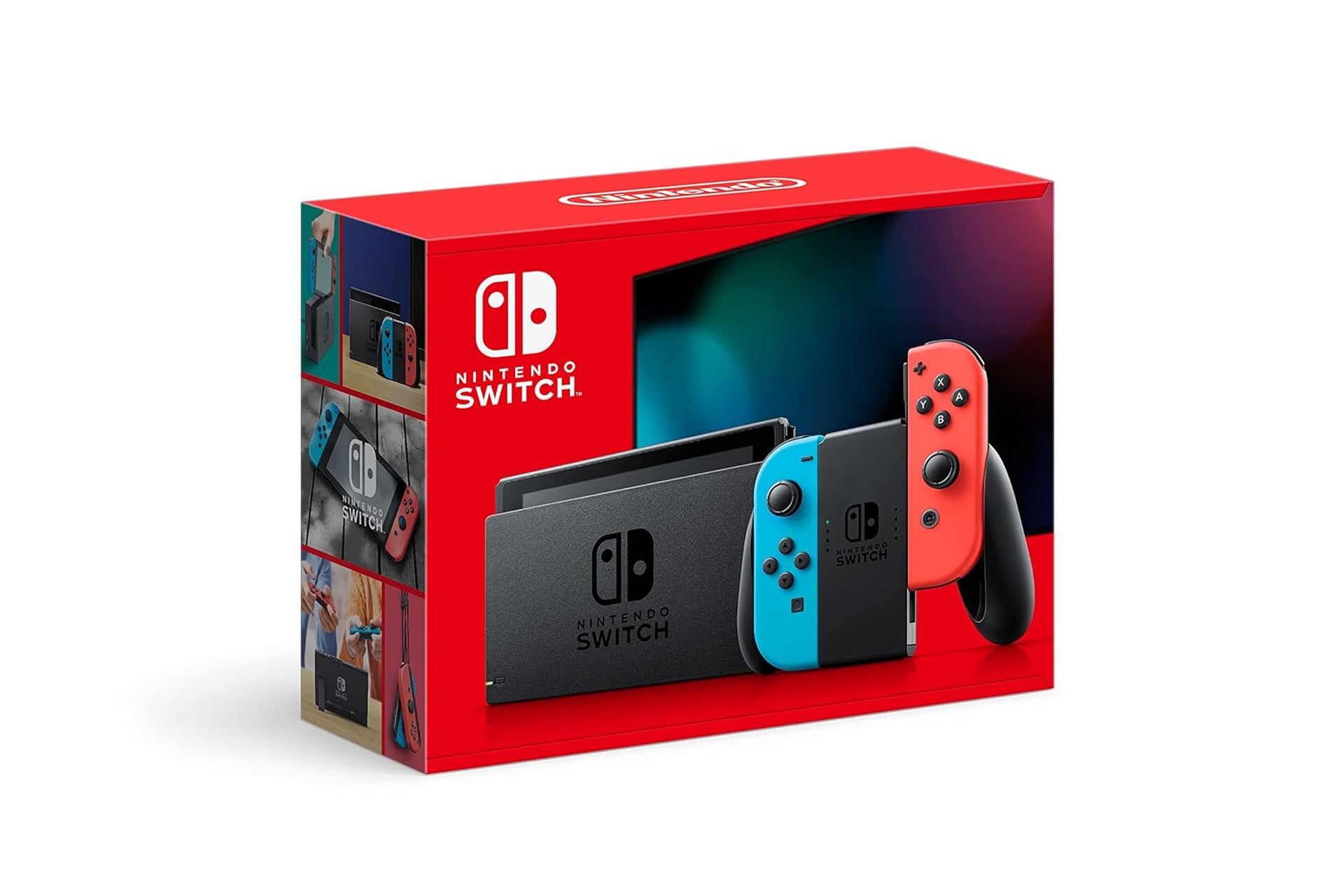
You can download Hades II for Windows, macOS, but also Nintendo Switch (1&2). The game has yet to be released on other platforms.
Why Should I Play Hades II?
One of the strongest reasons is how the game rewards persistence without making it feel like a grind. You go in, fight, fall, and return. But the world never truly resets. It shifts a little more with each attempt. That feeling of steady progress without forced hand-holding makes the experience satisfying in a slower, more organic way. It respects your time without begging you to rush.
The combat is sharp and direct. Every strike, every dash, every piece of magic has weight. And because your abilities change with each run, you can’t sleepwalk through fights. You actually have to stay alert. Sometimes the build works in your favor and everything flows. Other times it pushes back, and you have to rethink your steps. It doesn’t punish you unfairly, but it also doesn’t hand over easy victories.
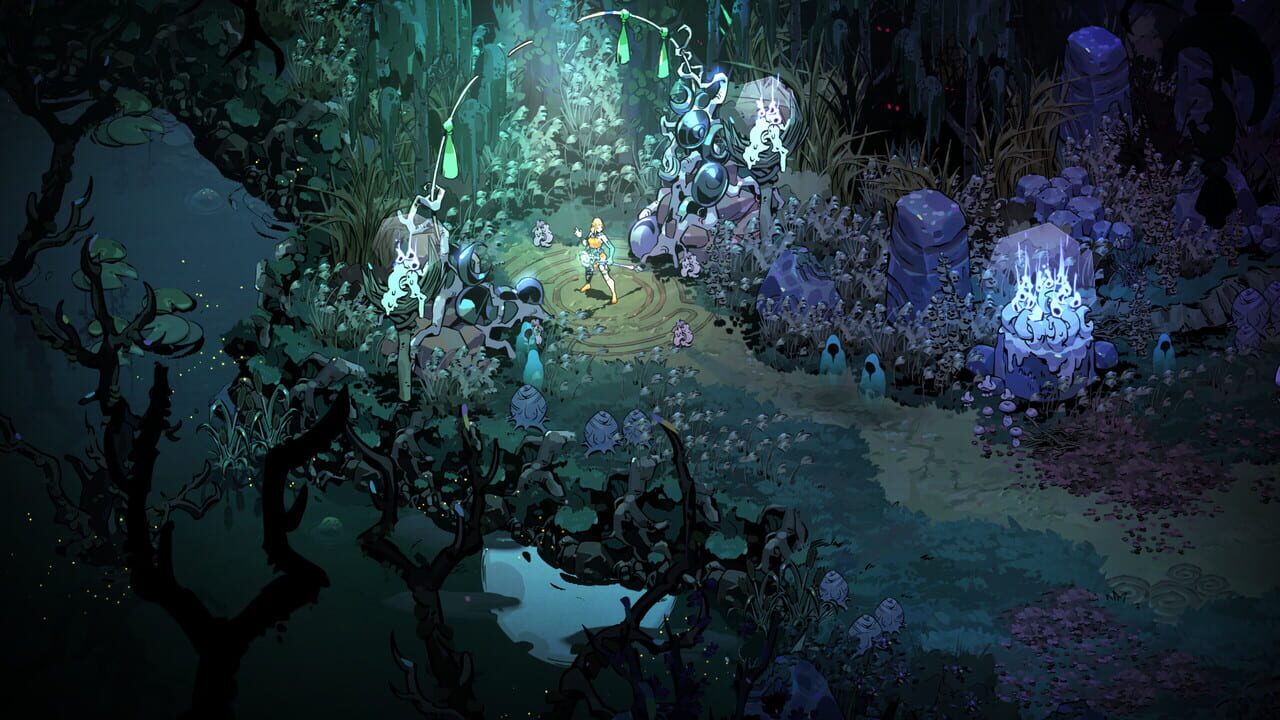
Exploration doesn’t sit on the sidelines either. The world grows wider the longer you stay with it. You start to recognize places, not because they’re frozen, but because you’ve learned to read the rhythm underneath. There are quiet shifts tucked into corners. Sometimes it’s a new weapon path. Sometimes it’s a familiar face saying something they didn’t before. It doesn’t scream at you to notice. You just start noticing.
The characters carry a lot of that quiet weight. Gods and ghosts don’t act like mannequins waiting for cues. They speak with their own timing. You’ll catch lines that don’t appear again in the same way. That unpredictability makes conversations feel lived-in, not forced. So, if you enjoy games where the world seems to grow because you stayed, not because the game told you to, Hades II is made for that kind of player.
Is Hades II Free-to-play?
Hades II is not a free-to-play game. It comes as a complete, premium experience. Once you have it, everything inside the game belongs to the journey you make. There’s no menu full of locked features waiting for extra payments. You don’t need microtransactions to access anything. The world isn’t split between what’s included and what isn’t. That alone creates a cleaner rhythm.
The story, the combat, the progression — it’s all stitched into the game itself. Every upgrade, every power-up, every interaction unfolds naturally through play. When you fail, you learn. When you return, you grow stronger. It doesn’t try to sell you boosts or shortcuts. That steadiness gives the story a sense of weight.
This model also keeps your attention where it should be. You’re not worrying about hitting a paywall or unlocking a missing feature. You just play. That clarity makes the runs feel tighter, less cluttered, and more honest. The world doesn’t need anything outside itself to breathe. It already has enough inside to keep you going.
Where Can I Download Hades II?
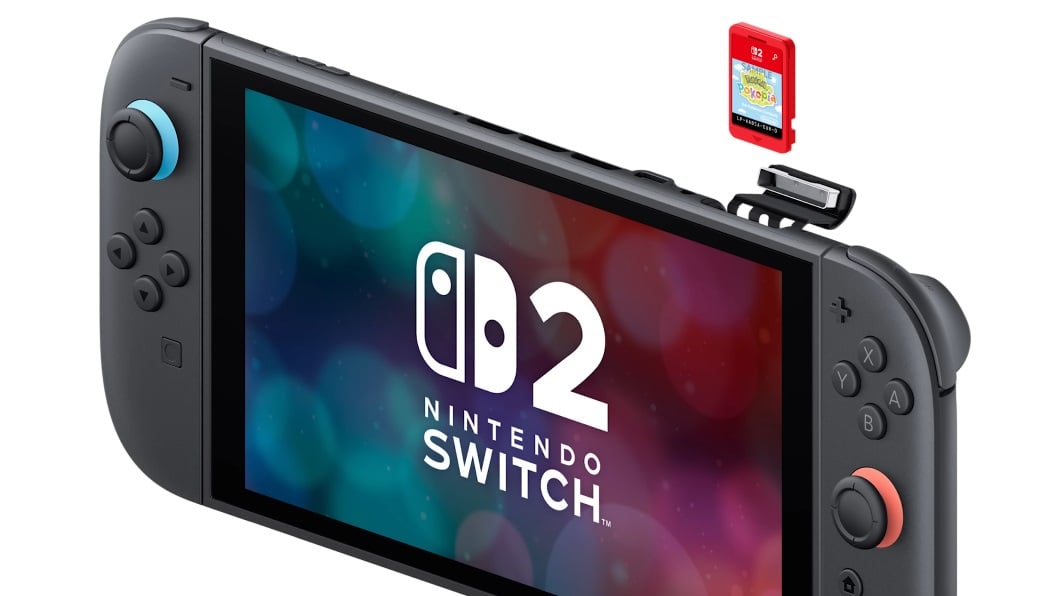
Hades II is compatible with Windows, macOS, Nintendo Switch, and Nintendo Switch 2. You can download it through Steam or the Epic Games Store if you’re on a desktop. On Nintendo platforms, it comes both as a digital download and a physical card, so players can pick whichever suits them best.
Cross-saves make things simpler. You can play on PC, then pick up the same run on Nintendo Switch without losing your progress. It keeps everything tied together. On Nintendo Switch, the game runs at 60 frames per second at 720p, both in TV and Handheld mode. On Nintendo Switch 2, it jumps higher, reaching 120 frames per second at 1080p in TV mode and 60 frames per second at 1080p in Handheld mode. The flow feels smoother, but the heart of the game stays the same.
There’s also an easy upgrade path if you move from Nintendo Switch to Nintendo Switch 2. You can carry the game forward without extra cost. No messy transfer steps, no extra purchases. It’s a small touch, but it shows the developers thought about keeping the experience simple. This flexibility makes it easier for players to stay connected to their runs no matter where they play.
What Games Should I Play If I Enjoy Hades II?
If you like the way Hades II moves — the fast fighting, the evolving world, the way it grows with each run — then Shape of Dreams might fit you well. It carries a similar rhythm: fast combat, layered storytelling, and quiet changes that build over time. It doesn’t mimic Hades II, but it lives in the same neighborhood. You get a similar feeling of digging deeper without the game holding your hand.
Hell Clock goes even darker. It builds its fights with sharper edges. The environment pushes back harder. Nothing in it stays calm for too long. If you enjoyed the unpredictable twists in Hades II, Hell Clock will keep you on your toes. It doesn’t ease you in slowly. It throws you into its storm and dares you to stay standing.
For something larger, Diablo IV stretches this idea across a massive world. It’s not just about a handful of chambers or corridors. It’s an entire landscape built for long sessions, endless fights, and gradual growth. It holds on to the feeling of carving through waves of enemies, finding strength along the way, and seeing how far you can push. If you want the same pulse but on a bigger stage, this is the one.