About SHINOBI: Art of Vengeance
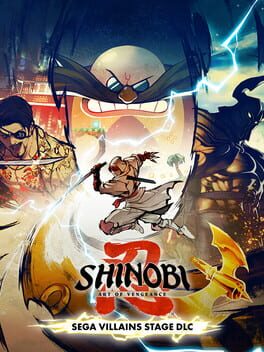
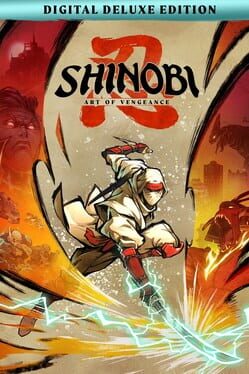
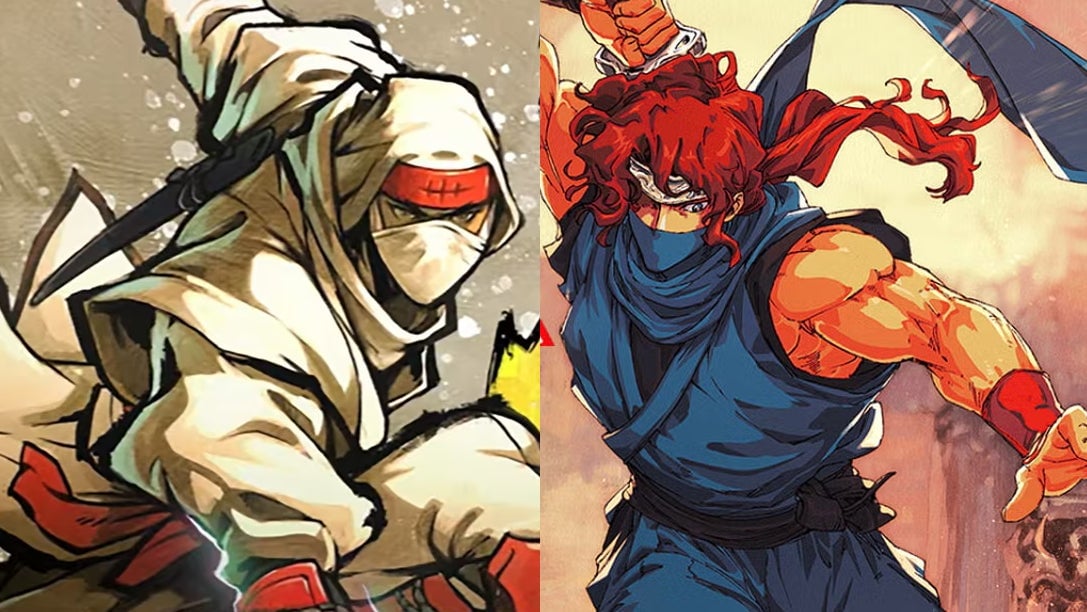
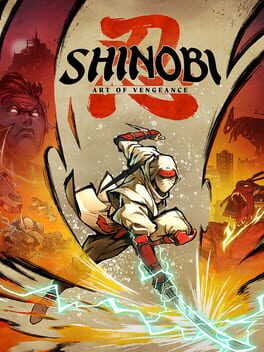
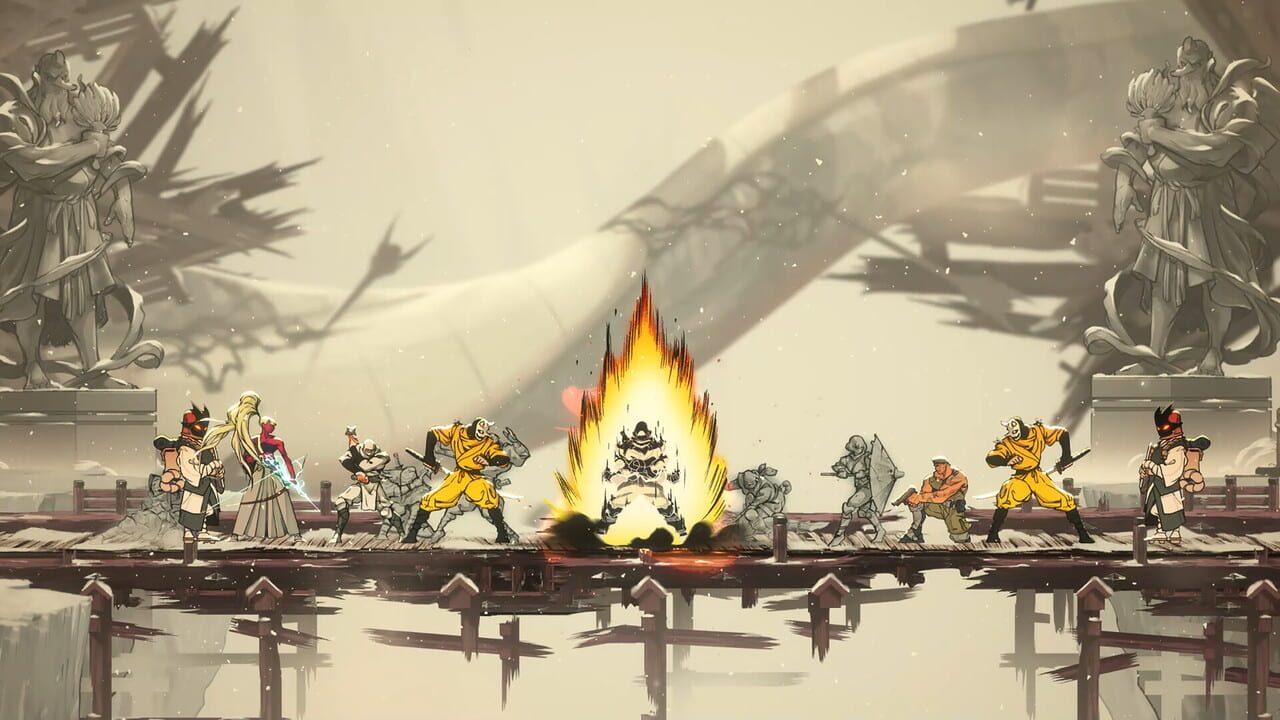
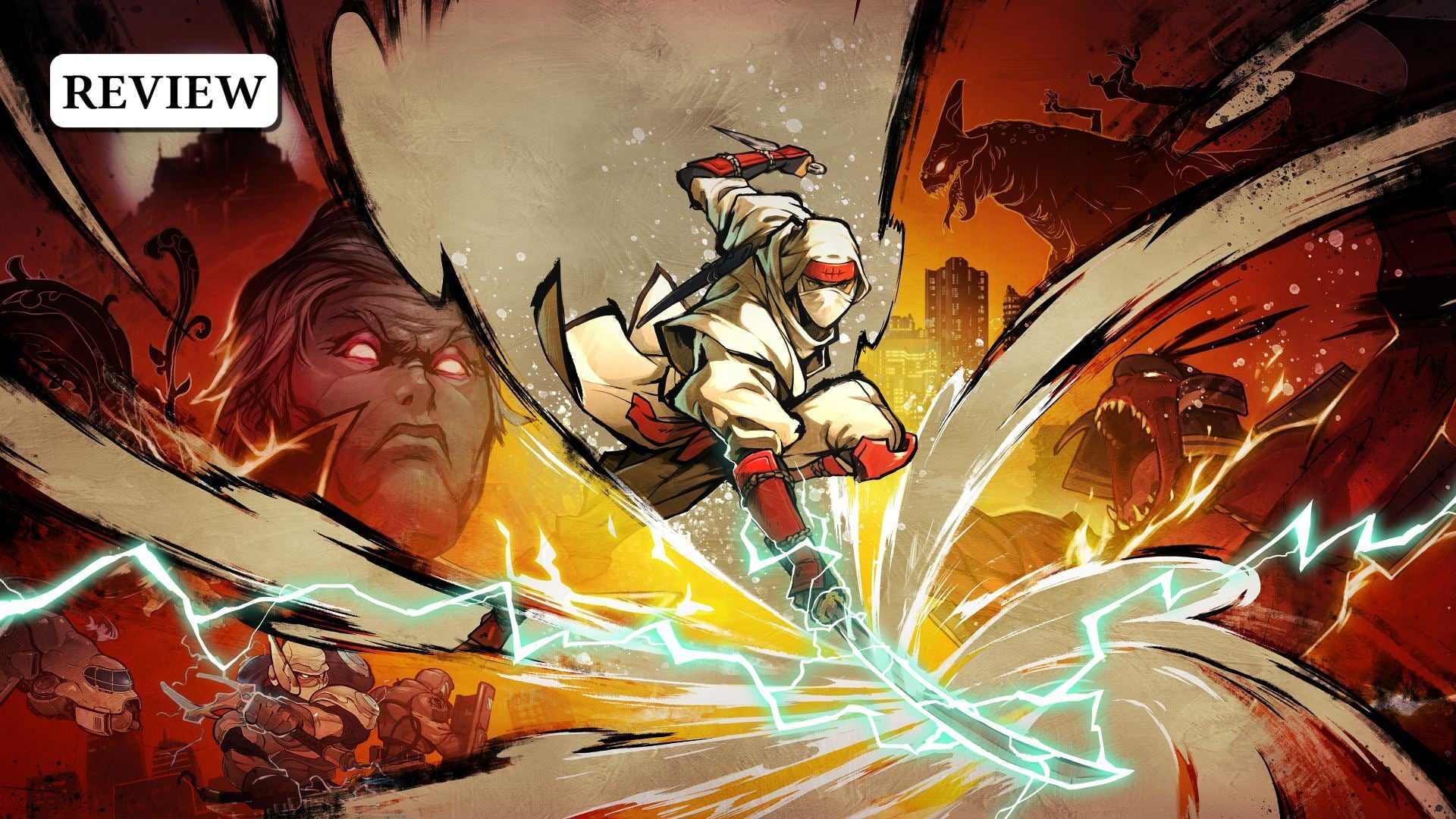
SHINOBI: Art of Vengeance is a contemporary 2D platformer action game that revisits one of the oldest ninja series of Sega. The game has a new hand-drawn art style and faster combat as compared to previous entries. You are playing as Joe Musashi, who is a household name among retro game fans. The sound is more modern, dark, and film-like. It starts with a village burning, stone-frozen warriors, and one survivor giving a revenge mission. The motif is basic: personal loss, hunting down enemies, and a sword in hand. Advancement is attained by struggling through different levels, conquering challenges, and accumulating power gradually rather than throwing oneself into mastery.
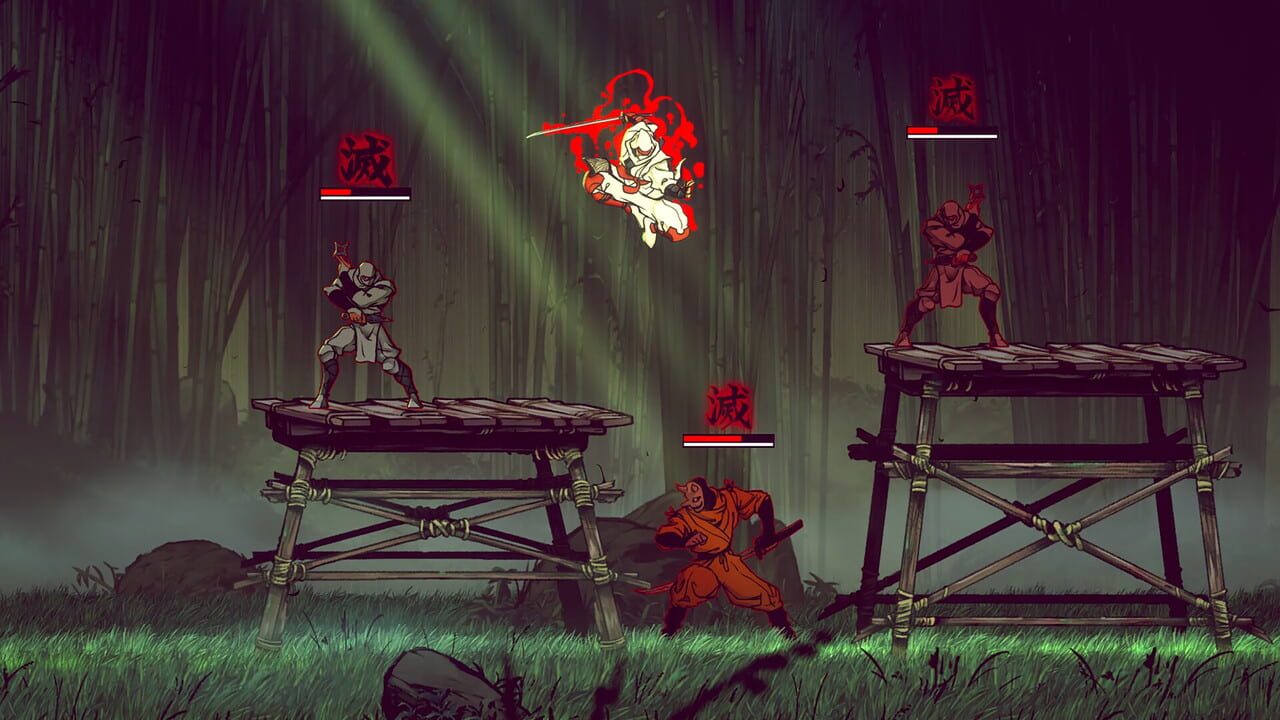
The levels players can visit are 2D instead of open worlds. Fighting combines the use of the katana, throws of the kunai, ninjutsu, and weapons that are brought out in bits. The game is not just a side-by-side, slashing through all the things. The newcomer sees a rhythm, hit, dodge, chain hits, and amulet tweak abilities. It is reaction-based, rather than grind. Some like it because it can bring about nostalgia, some because it is an art, and many because it is quick, direct gameplay.
Why Should I Play SHINOBI: Art of Vengeance?
The reason someone may give it a chance is that it combines old-school structure with the latest movement and animation. Menus are brief, tutorials are succinct. It is just a matter of picking up the controller and traversing levels to get to know the enemies by facing them. The fighting is rewarding when you want to feel that timing is more important than spamming the buttons. When you learn how to dodge-roll, do aerial combos, and ninpo burst damage, it is all clear.
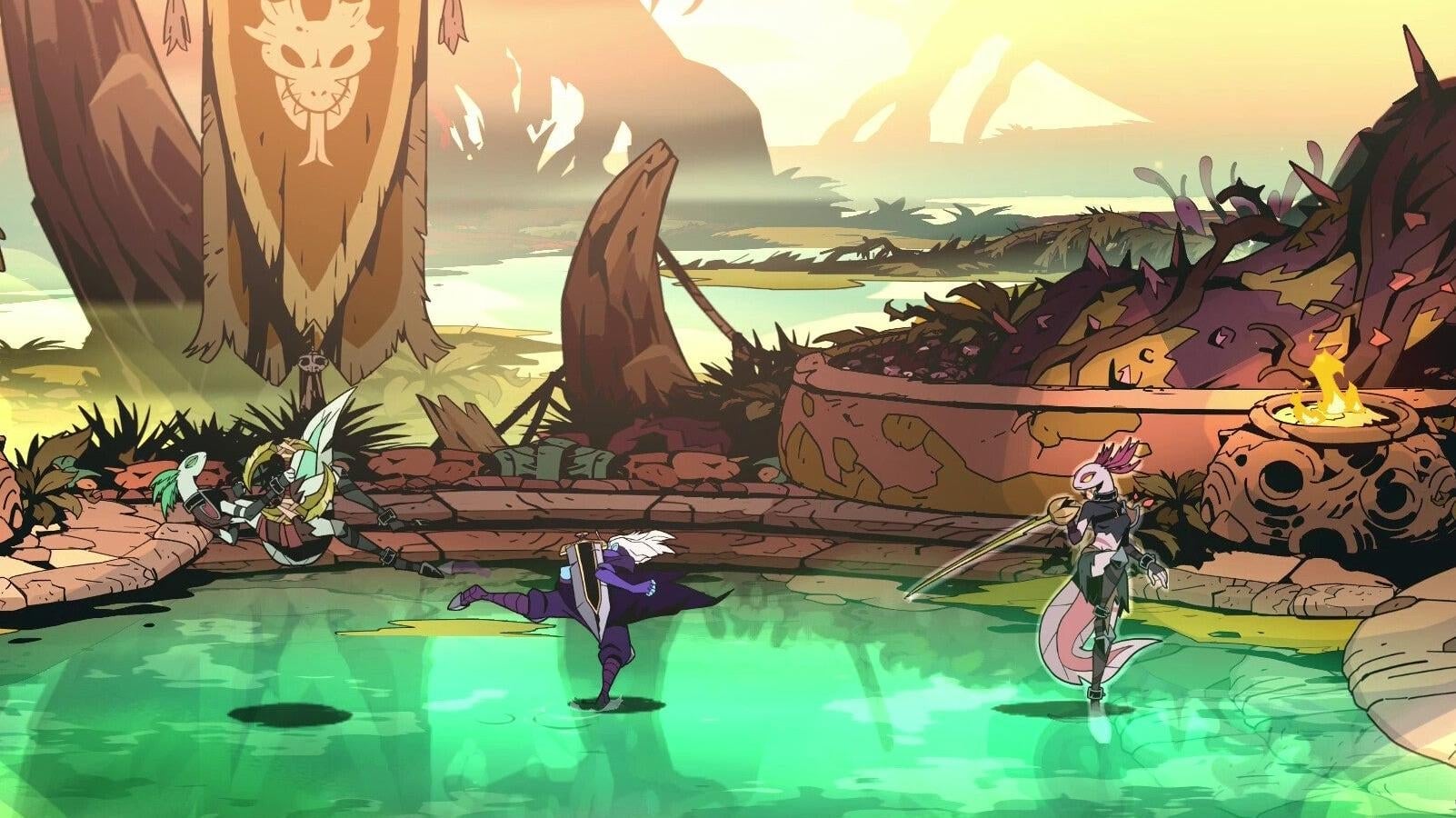
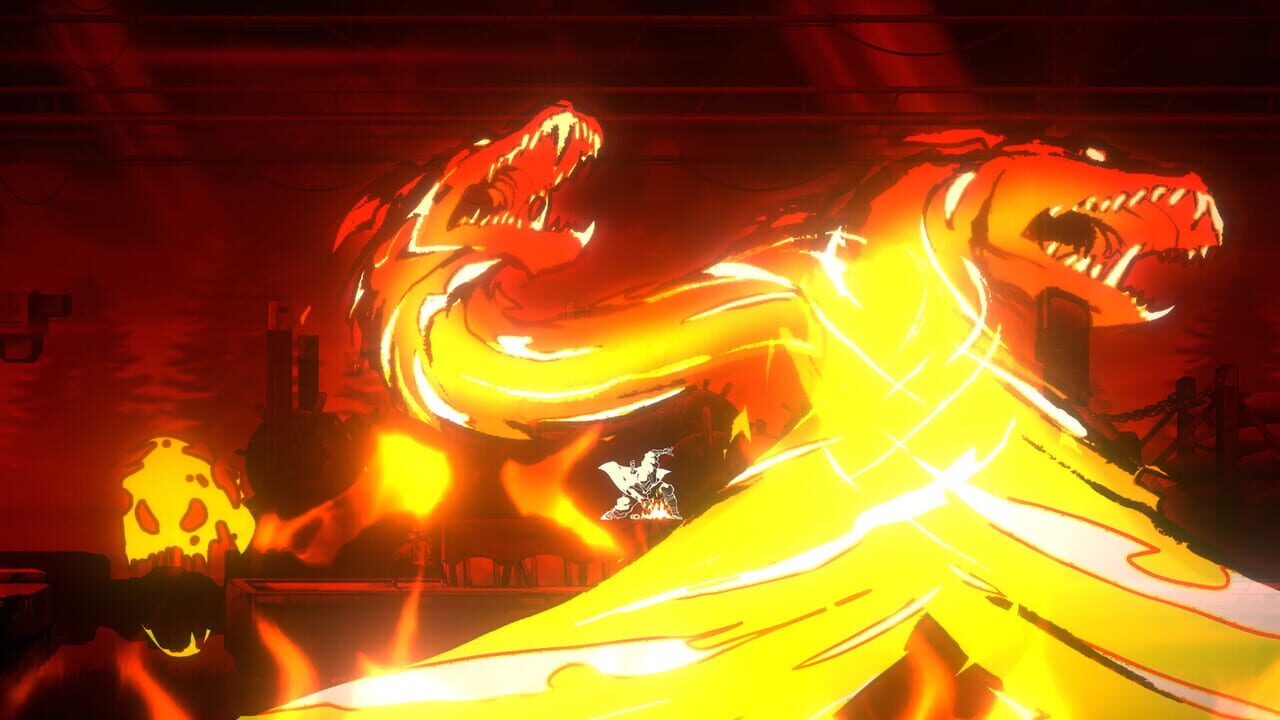
The other reason is its visual identity. It has a peculiar appearance due to hand-drawn lines, bright colors, prominent silhouettes of enemies, and various scenery, such as military complexes, deserts, and ruins. It is neither a generic pixel-retro indie platformer nor a 3D action game; it is in between, with a bias towards an art book. This is a great attraction to players who put their emphasis on style rather than on mechanics.
However, somebody might also play it to complete the progression element. Amulets grant access to specials, traversal tools allow access to new paths, little hidden items are offered to the explorers, and levels can be repeated to locate what has been missed. Although it is a platformer, the game does not follow a strict linear pattern after the upgrades come in.
Conversely, SHINOBI may be petite to the player who desires vast expanses or hundreds of play hours of puzzles. It is concerned with the fight-learn-advance loop, and therefore, expectations are important. This game is a medium-speed, clean, and skill-based action game that does not overwhelm.
Is SHINOBI: Art of Vengeance Free-to-Play?
No, SHINOBI isn’t free to play. It is a paid title, meaning that you buy it once and not with microtransactions in the future. It does not have subscriptions; it is a normal premium issue. This is not that type of game, in case you want to get a Genshin-like entry-free or a live-service game. Consider it to be a conventional pay-once 2D action. A free demo is available, but the full game itself is not free in any form.
Where Can I Download SHINOBI: Art of Vengeance?
Windows PC users can digitally download the game on Steam, and it is available on consoles, depending on the platform it is available on—generally Nintendo Switch, PlayStation, and Xbox storefronts. The users of Steam require the Steam app only; console gamers buy in the marketplace of the device. It does not have an early access or a launcher-exclusive version. It is easy to find, purchase, install, and play.
The PC version runs on Windows only, as other desktop operating systems are not supported.
Steam is the simplest choice for those who may not have a definite preference, as the visible reviews can be seen, update logs can be seen, and system requirements are written down. Consoles are designed to serve the market of players who are interested in handheld gameplay or those who enjoy the comfort of playing with controllers in a living room. One will also need a physical disc in the event that there is a local edition in local shops.
Your device is the most important variable in case you are making a choice. Players of PCs have the pleasure of control over their performance; console players can have simplicity and can be started instantly. No secret actions or special conditions of setting up, just a simple introduction into the first cutscene.
What Games Should I Play If I Enjoy SHINOBI: Art of Vengeance?
Ghost of Tsushima is a scale-wise smaller game: instead of staging, it is open-world; however, the main themes remain the same: samurai steel, honor, revenge, stealth, and direct combat. The movie visuals, exploration, horseback riding, mythical duels, and extended story lines render it a natural sequel in case you enjoyed the movement, katana feel, and atmosphere of Shinobi, but desired more expansive settings and more profound narratives. It is more palindromic and somber but takes the ninja-samurai fantasy to expansive, emotionally charged realms instead of level-driven, low-lying gameplay. A player can simply look it up, read what suits them, and decide if it's worth a download later.
Assassin's Creed: Shadows has a historical stealth focus. It focuses on murder, rooftop walking, diversion, disguise, and hidden-blade killings. It also has a huge open world versus 2D Shinobi, as the missions are branching, and thus rely on how you approach enemies or infiltrate their locations. It is attractive to those players who like silent kills, tactics, and role-play development. It is slower, less combo-centric, and more world-filled than Shinobi. You use more time to watch, to lie, and to plan murders than to do quick slash strings. Most players end up comparing features and then pick whichever one they want to download first.
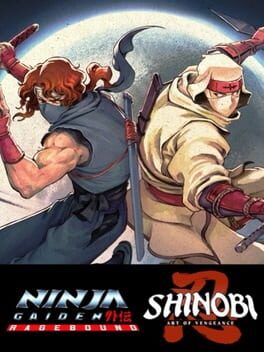
NINJA GAIDEN: Ragebound is focused on pure ninja battles. More demanding, quicker, and more penal than Shinobi, it is aimed at players who enjoy difficult jumps and learning by trial and error how to counter the enemy. Its violent attacks and difficult bosses require quick reactions rather than playing the game casually. Ragebound is the game to be played by those who liked the freedom of movement in Shinobi and wish to challenge it to a more mastery-based game. It is also less exploration and more survival through mastery, which is a logical development of players who take combat as a challenge rather than a movie. Anyone looking for a tougher ninja title might simply download Ragebound to test their skills firsthand.