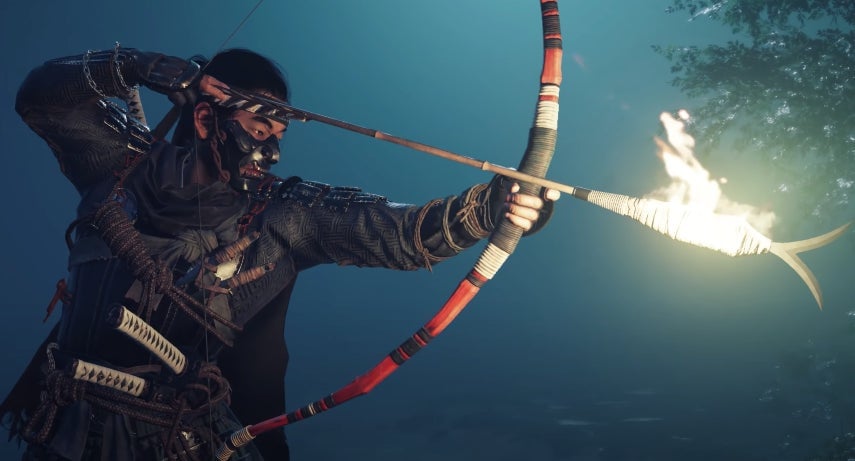
Often, when foreigners bring Japan to life, they don’t quite hit the mark. Sometimes, their vision of the country is eye-rollingly egregious. But sometimes, they portray it in a way that even the Japanese praise. According to the early reviews in Japan, Ghost of Tsushima is an example of the latter.
A handful of the biggest Japanese print publications and sites have posted their reviews, with all giving their seal of approval of the game’s depiction of the Kamakura Era (1185–1333). Considering that Sony Interactive Entertainment is publishing the game, I would be more surprised if Ghost of Tsushima mucked up its depiction. The Japanese reviews, however, seem to express a sense of relief.
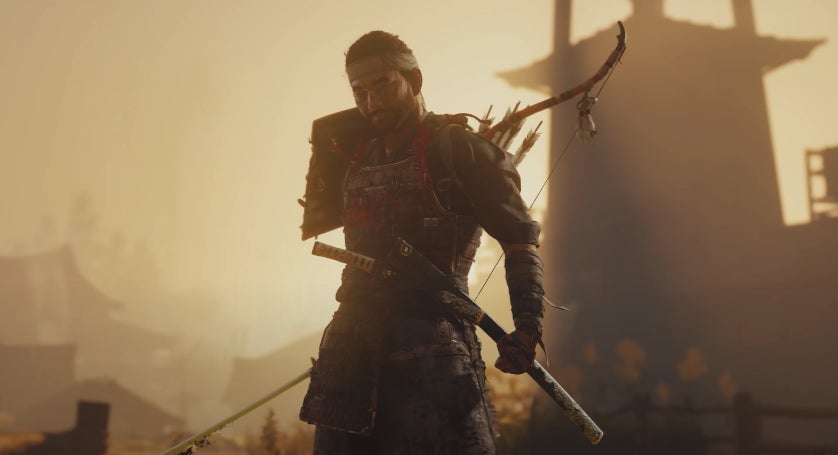
With anything, there will inevitably be players who disagree, but so far, the critical consensus is that Ghost of Tsushima does an admirable job of bringing 13th century Japan to life.
Have a look at what some of these publications have to say about the game (note that I focused largely on their impressions of world-building).
Akiba Souken
Earlier this month, among international players, there was chatter about the Japanese language on the menu screen, but to native Japanese speakers, there didn’t seem to be an issue. Akiba Souken’s reviewer also didn’t feel like the Japanese in the game was strange or off. The reviewer even went on to say the game could be useful for Japanese people to study kogo (古語) or archaic words.
In Japanese, kanji characters have two readings: onyomi (readings based on Chinese pronunciations) and kunyomi (readings based on indigenous Japanese pronunciations). Kanji was imported into Japan by the 5th century, and prior to that, the country did not have its own writing system. Japan did, however, have its own spoken language, with native pronunciation for words and ideas. Kunyomi is an expression of that. (You can read more about onyomi and kunyomi on Tofugu.)
So, as Akiba Souken points out, in Ghost of Tsushima, the word 村長, meaning “village leader,” isn’t the onyomi reading sonchou, but rather, the kunyomi reading muraosa. There are other examples of kunyomi use throughout the game. This is a very small thing, but a conscious decision that shows a deeper understanding of how the language was used.
The review ends by stating that Ghost of Tsushima’s protagonist Jin Sakai isn’t the typical samurai of foreign creation, but rather, a real Japanese 侍 (samurai), with the site using both the English “samurai” and the word’s kanji to highlight this distinction.
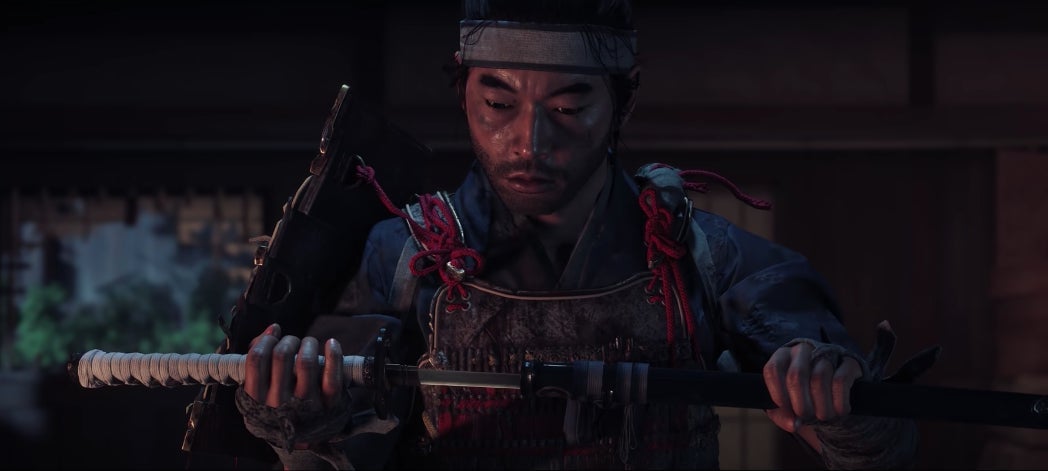
Dengeki Online
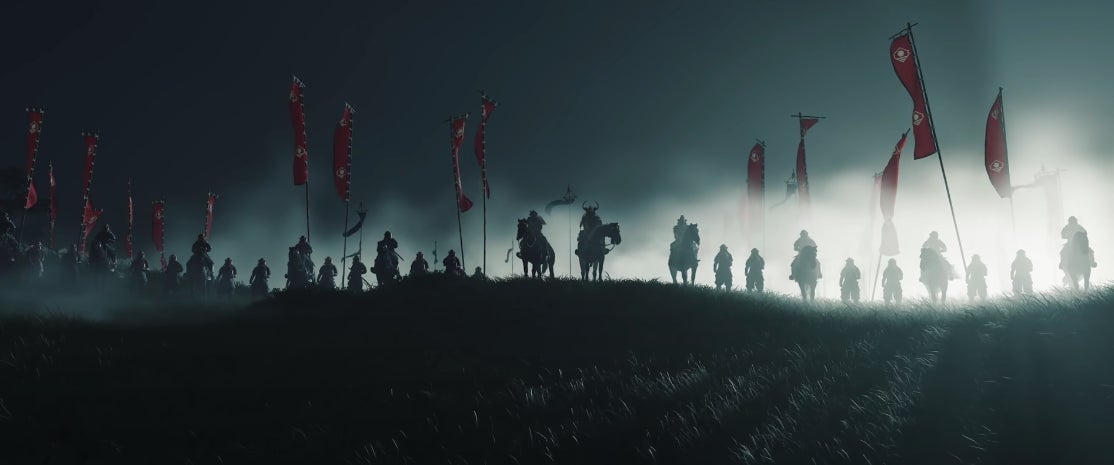
One of Japan’s most popular game sites, Dengeki Online wrote, “In this world, there aren’t any weird [Japanese language] signs or anyone using dodgy Japanese.” Not only did Dengeki praise the game for its understanding of the period (as well as historical Japanese movies), it also lauded the game for how it brought the landscape and scenery to life.
“Japanese historical dramas have been thoroughly studied and brought to life in a world that is very close to how we picture his period of Japan in our minds,” the site adds. Dengeki also praised the game’s story and action.
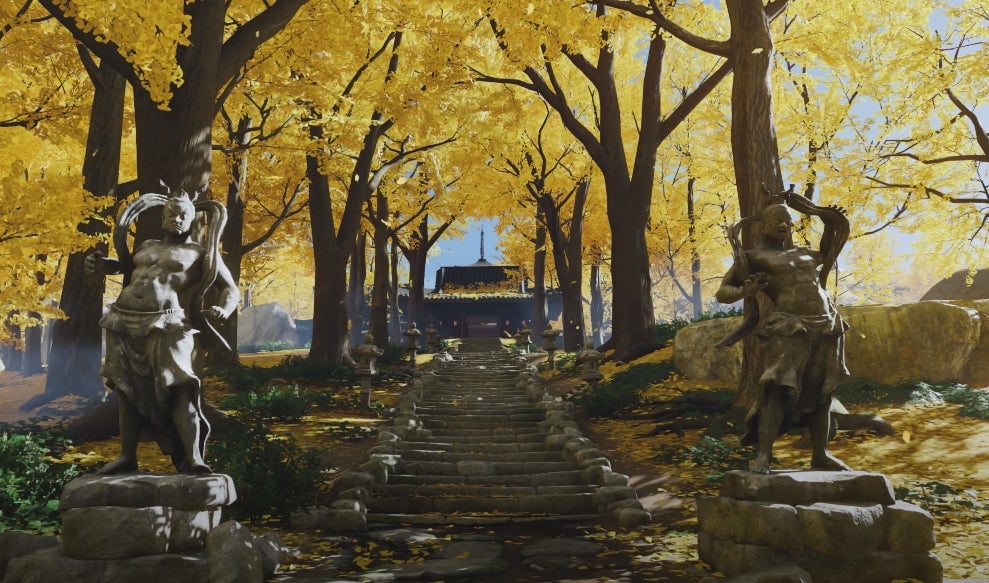
Engadget Japan
According to Engadget Japan, Ghost of Tsushima didn’t really have the type of odd or uncomfortable scenes or storylines that Japanese people often experience in American-made movies. The story, the site adds, shows respect for the period, adding that the game itself was enjoyable and moving.
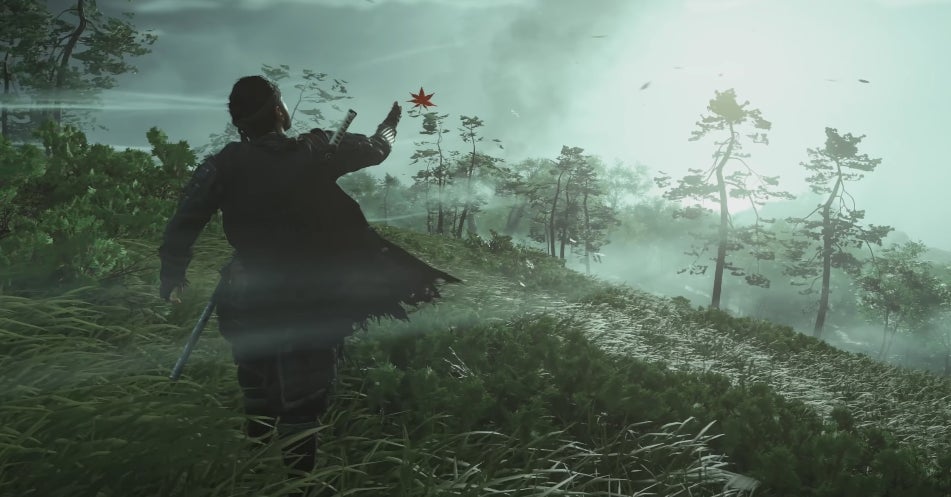
Famitsu
Weekly Famitsu gave Ghost of Tsushima a perfect score. This is only the third time a Western game has gotten a perfect score, with Ghost of Tsushima taking its place alongside The Elder Scrolls V: Skyrim and Grand Theft Auto V.
Like other reviewers, Famitsu found nothing odd or off-putting about the game’s depiction of Japan. In fact, one of the subheadings in the Famitsu review is, “There Is No Sense Of Discomfort In This Foreign-Made Japanese World.” Because foreigners often get their depiction of Japan wrong, whether that’s on the big or the small stuff, Japanese players rightly have concerns that Ghost of Tsushima would be no exception.
As Famitsu notes, when people outside Japan depict the country, they tend to pepper their creations with strange, incorrect language and mix Japanese culture with Korean and Chinese culture, collapsing Asia into a single monolith. Famitsu admitted that it didn’t know how real the game’s depiction of the era was but explained that nothing about it felt odd. This is a fictional account of the period, and in that regard, Famitsu believes the game succeeds.
Interestingly, the one nitpick Famitsu had was regarding the speed at which characters speak. For Famitsu, the dialogue’s tempo is much faster than it should be for the time, and there isn’t the same importance on pauses in conversation that are typical of period pieces. That pause and that silence are key; in Japan, what isn’t said is just as important as what is. Moreover, some of the lines are ironic or sarcastic, which the reviewer felt had more of a foreign sensibility.
Famitsu, however, went on to praise the way the game looks and plays (it thought Kurosawa Mode was especially cool), the story and characters, and called it a great masterpiece. It highly recommended the game to those who like sword-fighting action and historical dramas.
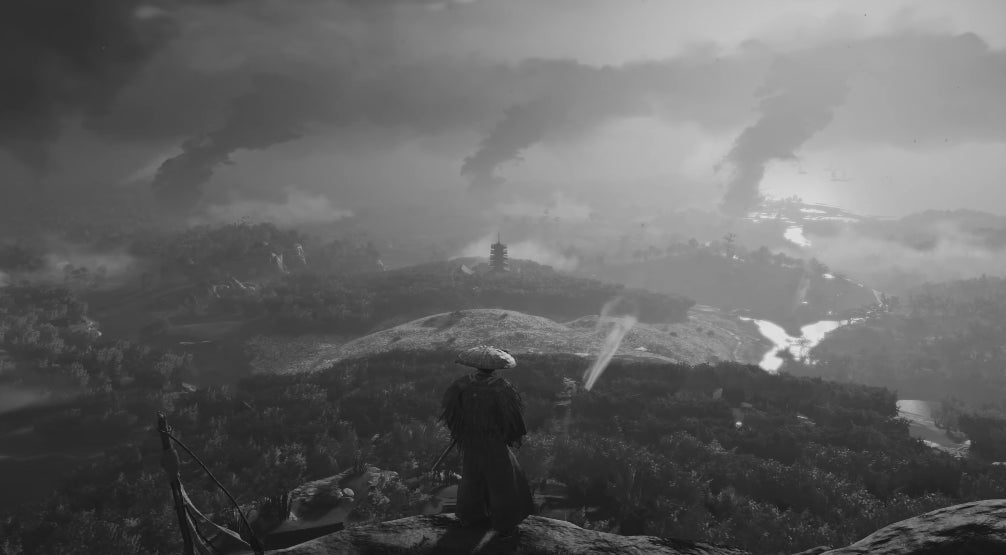
It will be interesting to see what players in Japan think when Ghost of Tsushima is finally released on July 17. In case you missed it, read Kotaku’s review right here.
(Updated 3/3/22 with new details)