In 2008, when GOG.com was launched, it was called Good Old Games. As Steam was on the rise and digital distribution was clearly to become the future of gaming, a Polish company that had just released its first game—a relatively obscure RPG called The Witcher—wanted to get in on the act. The goal was updating and preserving classic gaming, and selling it without any form of DRM. Over the years, GOG seemed to drift away from this origin, and shift its focus to trying to compete as a distribution platform for AAA gaming, going head-to-head with Valve’s behemoth. But today marks a big change.
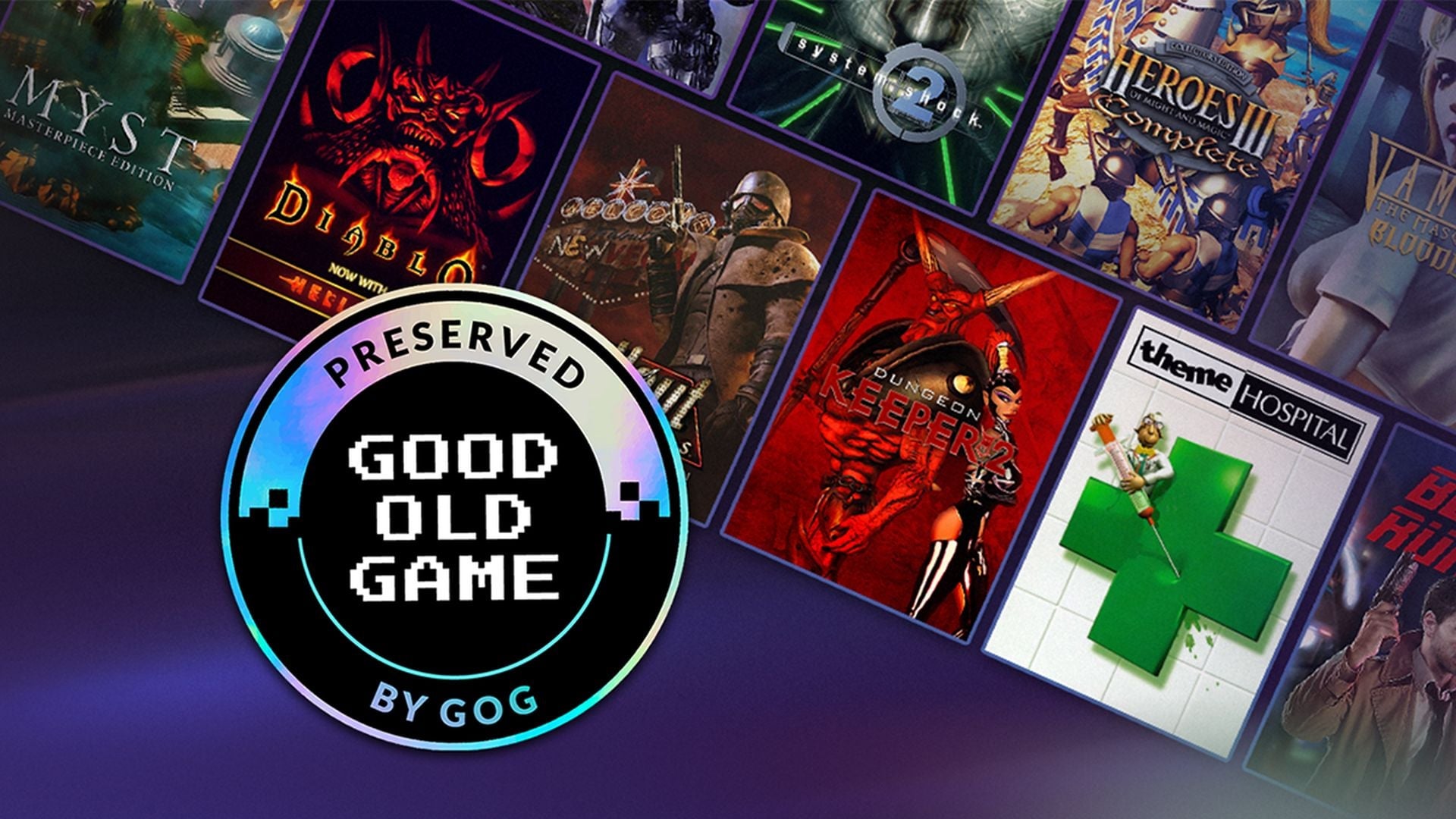
Starting today, GOG is launching what it’s calling The GOG Preservation Program. It’s a self-aware determination to return to the company’s roots, with a long-term commitment to preserve and maintain classic games for the foreseeable future. There are 100 games currently listed, with a pledge to use the company’s “own resources to maintain games’ compatibility with modern and future systems.” At a time when game preservation is becoming increasingly vital, and on far more people’s minds, this seems like a pretty positive step.
How It Started
16 years ago, the world of PC gaming was very different. In 2008, the number one issue anyone would name when it came to digital games was DRM—digital rights management. These anti-piracy measures were grossly ineffective, doing almost nothing to prevent piracy, but instead causing legitimate customers to have far worse versions of a game—versions that required online checks to launch, refused to be installed on multiple devices, or just flat-out didn’t work properly. GOG arrived right at the peak of players’ fury, and offered a service that sold games that promised there would be none of this. Versions that just downloaded the files to your hard drive, that you could copy and share if you felt compelled to, but would never fail to launch because of an abandoned server, or because you bought a new PC.
At the same time, GOG was releasing games that had been unavailable and unplayable on PC for years. Classic titles that dominated the ‘80s and early ‘90s, that were designed to run on MS-DOS and didn’t know what to do with Windows, were suddenly available again, and were sold DRM-free with scans of the original manuals, and updates that meant they’d run straight from the .exe without issue.
The site became known for restoring lost games, a way to play Wing Commander and Ultima II, King’s Quest and Rise of the Triad. An early deal with Ubisoft to release DRM-free versions of its classic games (an ironic situation, given Ubisoft was at the forefront of crippling DRM in newer games) helped the project gain traction, and by 2014 it had deals with companies like LucasArts to make everything from Star Wars: TIE Fighter to The Secret of Monkey Island available.
How It’s Going
Here’s the thing: there are a bunch of those games—games GOG rescued and restored in 2008, and that are still sold on the site—that no longer work. For whatever reasons, for whatever ambitions, in my view GOG changed its sights, wanted to be selling the big-name AAA titles, and took its eyes off that original purpose.
In 2019, according to a Kotaku story by Jason Schreier, the company was in real trouble. Deep into its push to be a AAA store that competed with Steam, there were lay-offs, at the same time as the company abandoned its so-called Fair Price Package, through which GOG would repay customers who were charged higher fees due to regional price differences. One former employee said at the time that he was told, “we’re dangerously close to being in the red.”
As someone who, throughout the first half of the 2010s, regularly used GOG to find classic games and would frequently check the site to see what new titles had been rescued from the past, I drifted away, too. That the games were DRM-free still felt like a big deal, but the convenience of Steam, the improvements in DRM tech, and the shifting nature of all digital ownership made GOG feel so much less essential. I’d once seen it as the site that let me play classic point-and-click adventures, but now when I looked at it, I just saw the same big-name games that are splashed across every other store.
“The market is different today,” GOG’s senior business development manager, Marcin Paczyński, told me by email, when I asked what was driving the decision to refocus. “Most platforms continue to leave these classics behind, or don’t give them the care they deserve, so the games we set out to protect are disappearing again.”
Where It’s Going Next
The new moves by the site are giving me great hope. If DRM was the main issue in 2008, games preservation feels like the most vital topic of 2024. As we watch major publishers just wiping older (and even newer) games from existence, while abandoned servers and forgotten consoles make ever-more games we own unplayable, people are getting really riled up. It seems like a very smart move for GOG to step into this space and loudly declare its intentions.
The GOG Preservation Program promises to begin with 100 games, and keep adding to the list, pledging long-term support of all of them. Those currently included have, GOG say, been tested “on the most popular PC configurations,” and “work flawlessly,” but the company encourages its community, which is rather sweetly referred to as “restless,” to keep pestering if updates break things.
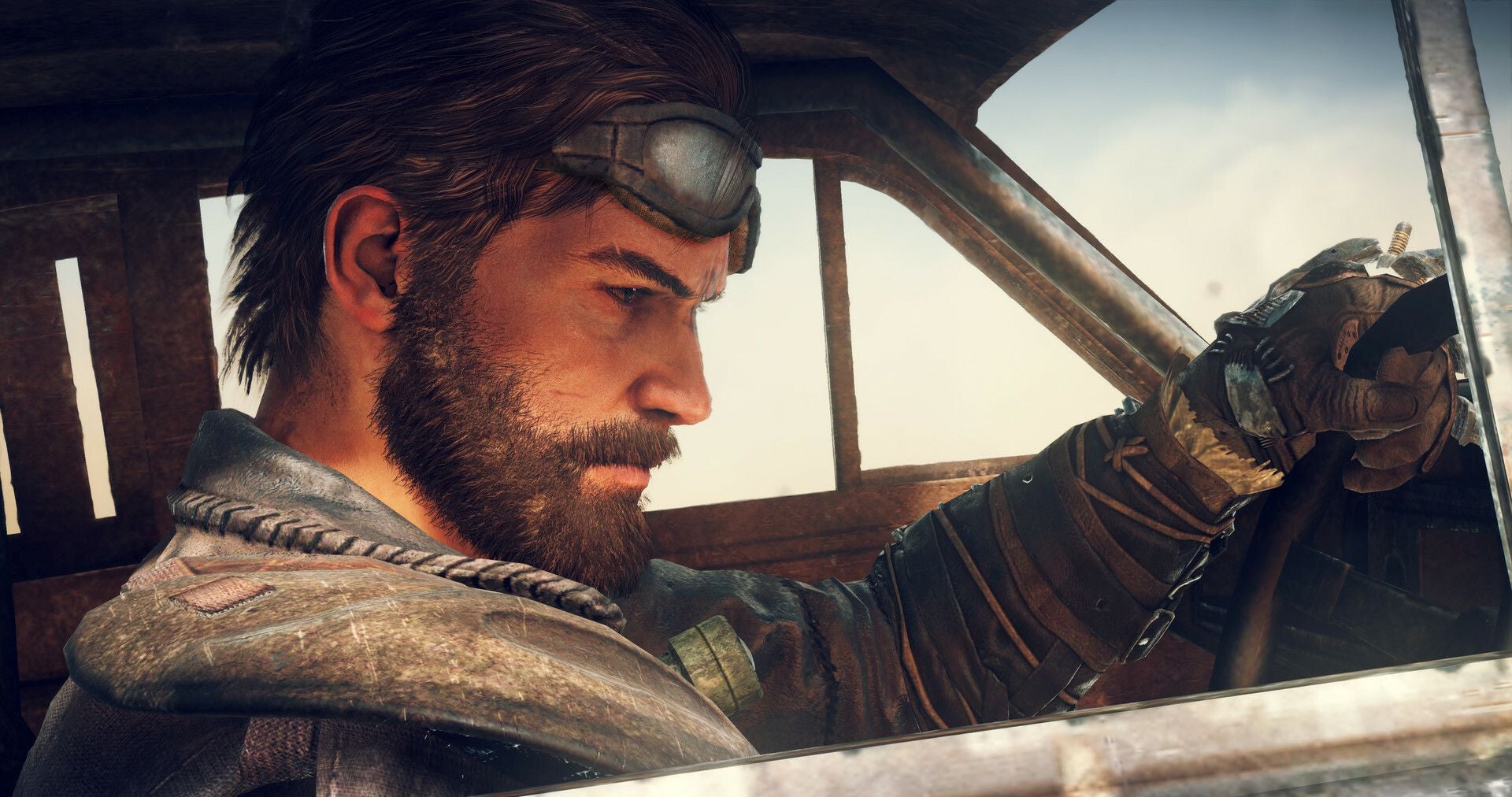
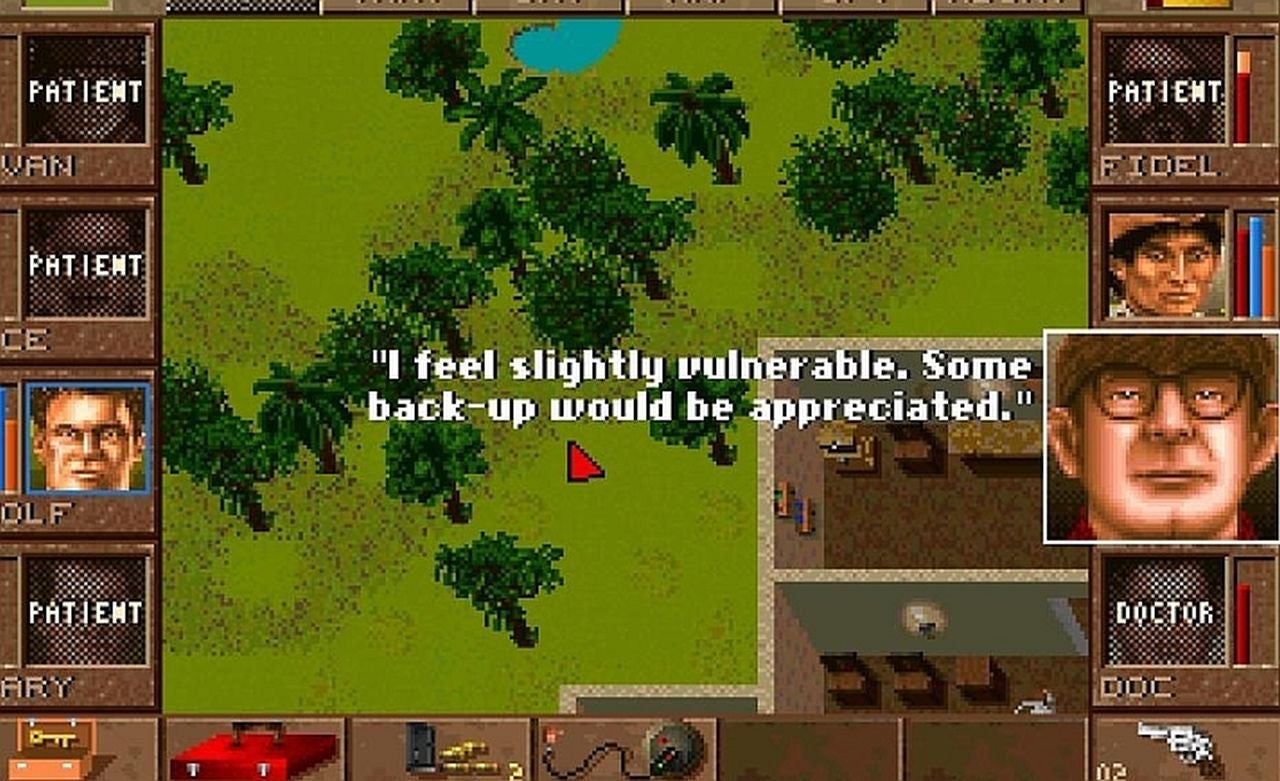
The 100 games are an eclectic bunch, with games like Diablo, Arcanum: Of Steamworks and Magick Obscura, Dragon Age: Origins, Roller Coaster Tycoon Deluxe, Fallout, Blade Runner, and Alpha Protocol in the mix. They reach as far back as the ‘80s, and as recent as Mad Max. The criteria for inclusion is that a game needs maintenance, and that GOG can commit to maintaining it themselves. The company aims to have “hundreds of games” stamped with the commitment by the end of 2025.
“It’s a renewed commitment to our mission,” says Paczyński, “offering improved, well-supported editions of the classics that defined gaming, while continuing to deliver DRM-free new releases.”
Paczyński reiterates the importance of no DRM to GOG, explaining that not having it is vital to preservation. “When you buy a DRM-free game on GOG, you can download and safeguard its offline installer any way you want. DRM-free keeps you out of the reach of platforms’ rules and policies and untethered to some central server suddenly switching off. We still strive to get as many DRM-free titles as possible on GOG, regardless of when they were first released.”
I ask how far ahead the plan goes. What if GOG is zapped by aliens and disappears—what happens to the games it’s preserving without them? “We’re dedicating significant resources and long-term planning to ensure that each game in the program receives continuous updates and care—we know it’s a commitment.” He repeats that the DRM-free nature of the games means the installers survive the site. “Whatever happens to us, ever, your games are always safe.”
“It will stick,” Paczyński adds. “Today, we made several bold commitments, so we are truly serious about this. GOG’s reputation is on the line here—we’re all-in on this!”