So you’re wandering around the map, minding your own business, just trying to get to the next town. You know, the place with the mystical coconut which you can bring to the king who will build you an airship that you can fly across the Dusty Mountains of Lon’dor-thak in order to rescue the mermaid queen and bring peace to the half-eagles of Narnia. Or whatever.
Then there’s a noise. The screen goes all fuzzy. Your gut lurches—ugh, not again!—and you find yourself in a random battle with two orc warriors who want nothing more than to rip out your throat (but only after waiting their turn to attack). You’ve gotta fight, or escape, or find some other way of dealing with them so you can keep moving along. At least until the next one.
This is called a random encounter, and it’s the bane of RPG fans everywhere. We also kind of love it.
An RPG’s random encounters—not to be confused with sporadic coffee shop romances or the column you’re reading—come in all sorts of shapes and sizes. Originally introduced by old RPGs like Wizardry and Dragon Quest, random encounters started off as invisible enemy ambushes. You’d be walking around a hostile environment when suddenly the music would change, the screen would shift, and you’d find yourself locking menus with a gang of marauding rabbits or slimes. To proceed, you’d have to take them out or run away.
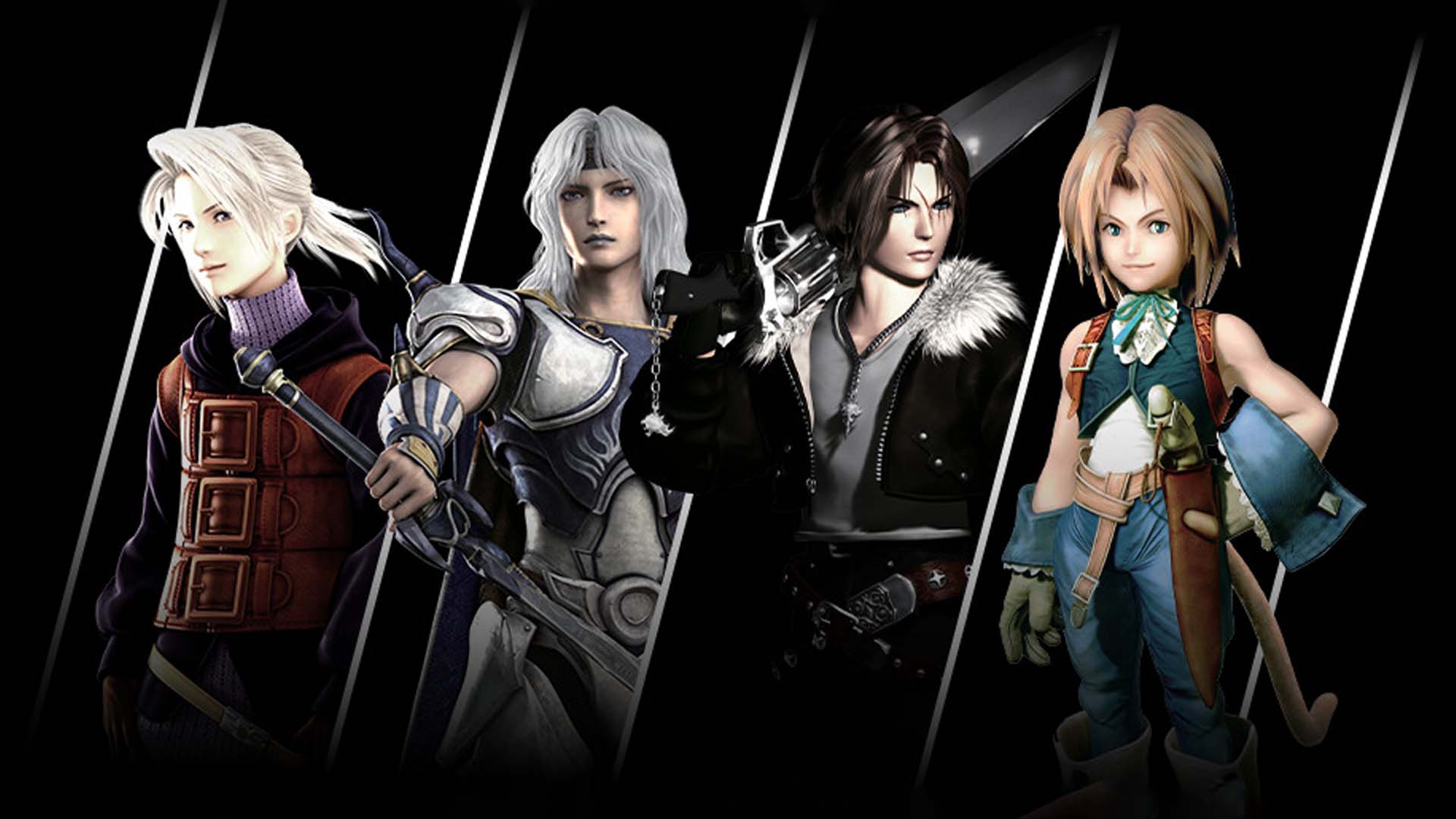
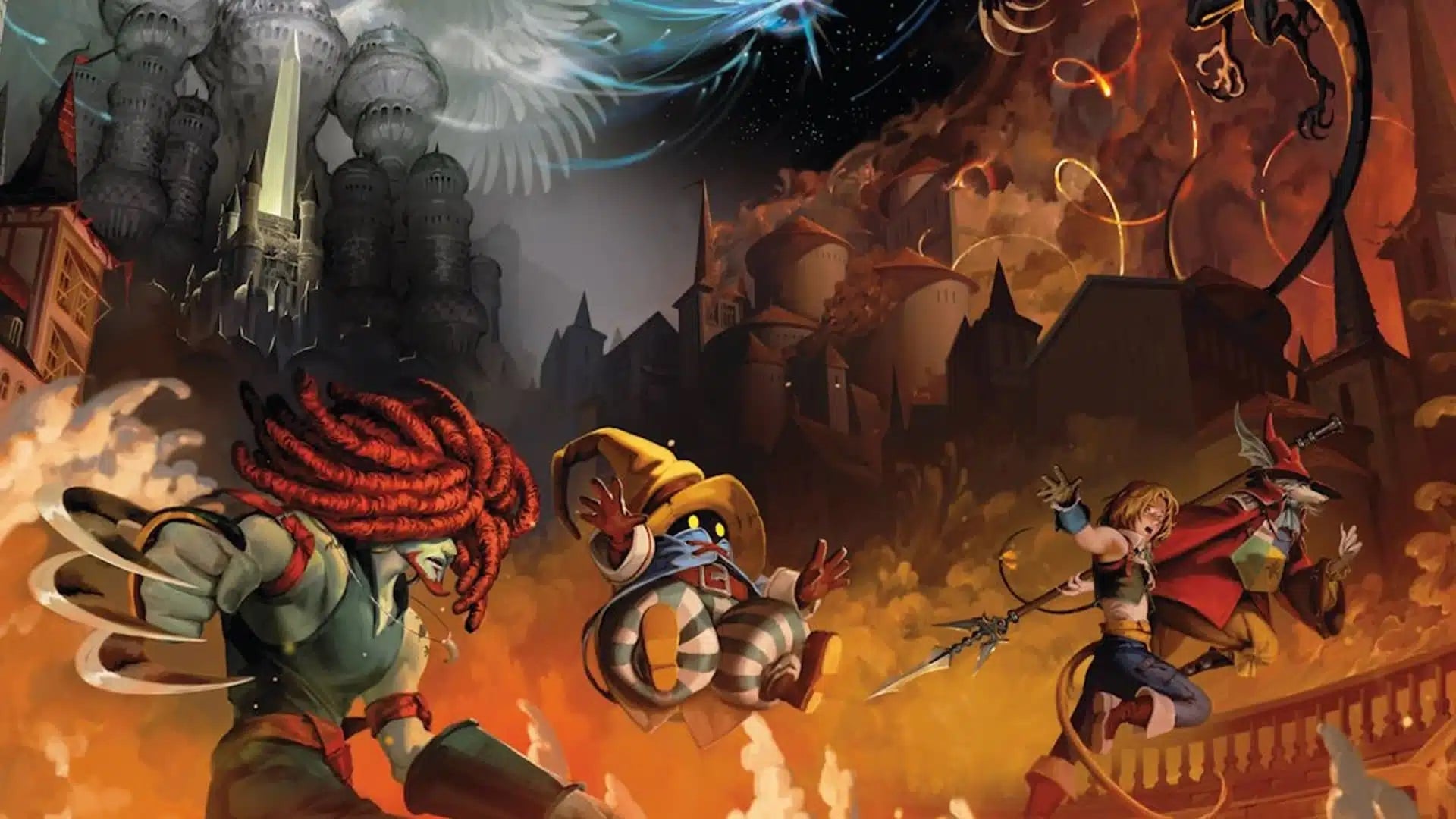
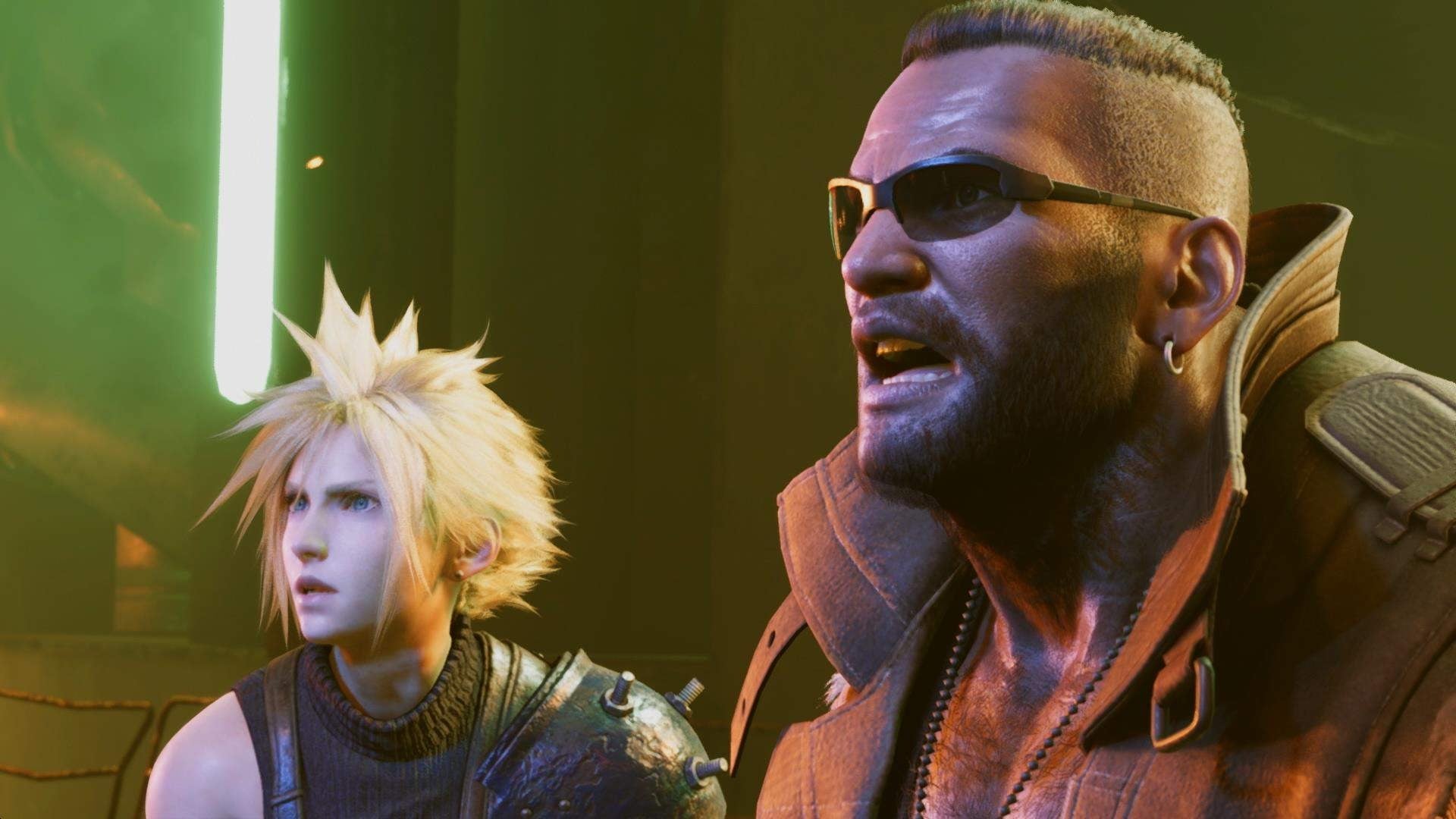
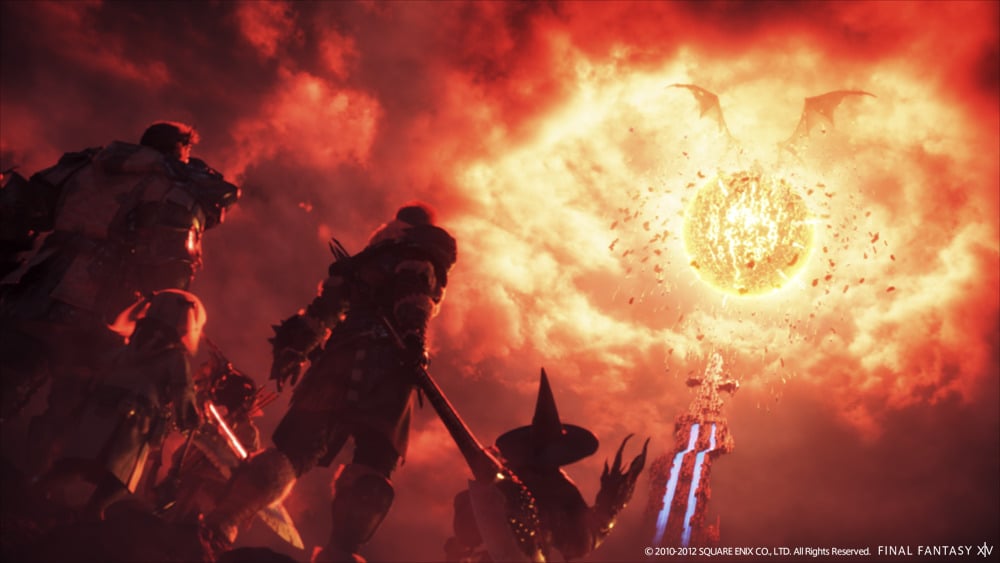
Over the next few decades, JRPG combat systems would grow to evolve and experiment in all sorts of interesting ways. In some games, like Saga Frontier and Earthbound, enemies would actually appear on the field or dungeon instead of just popping up out of the ether. Other games, like Final Fantasy XII and Xenoblade, eliminated screen-shifting in favor of a seamless transition: you’d run up to an enemy and immediately start fighting him right on the field. Some RPGs, like The Last Story and Final Fantasy Tactics, prefer to throw a finite number of scripted encounters at you. Nothing random there.
There are a lot of different types of RPGs, and there are a lot of different types of combat. But random encounters are too much of a genre standby to disappear. They’ll always be appropriate for certain types of games, and despite the flack they often get, they’re not universally reviled. Some people love them. And enough of us have grown up getting accustomed to them, for better or for worse, that I don’t think they’re going away anytime soon.
I have mixed feelings about this RPG-specific phenomenon. At times they drive me crazy: while playing Final Fantasy Dimensions, for example, the sheer frequency of random battles made me want to hurl my iPad off an airship. But I also sometimes love the rhythm of fighting in games like Dragon Quest IX and many others.
https://lastchance.cc/introducing-random-encounters-your-weekly-destination-5885654%3C/a%3E%3C/p%3E
They can’t be too frequent.
This one is pretty obvious, yet the same group of folks at Square Enix just can’t seem to figure it out. First they screwed up the formula with Final Fantasy IV: The After Years, a terrible game that ramped up the random encounter rate to absurd proportions. When that same crew developed Final Fantasy Dimensions, which is a much better game, they forgot to tweak the numbers. You actually get into a new fight every 4-5 seconds. It’s not pleasant.
https://lastchance.cc/forget-mystic-quest-this-is-the-worst-final-fantasy-ga-5924569%3C/a%3E%3C/p%3E
They can’t come in batches.
Whatever the algorithm for determining when and where these random battles happen, it has to be balanced enough that you won’t get something like five fights in 20 steps, then zero fights in 30. This is the sort of problem that occurs when random battles are actually random. They shouldn’t be. The percentage of times you’ll run into a battle should simply reset to 0 every time you enter a room or fight a battle, then escalate every time you take a step. So if you haven’t fought in a while, chances are your next step will be a random encounter.
Or just put enemies on the screen. Much easier that way.
They need to feel meaningful.
I touched upon this while reviewing Paper Mario: Sticker Star. Mario’s latest RPG cuts out levels and experience points, but keeps the turn-based battles of older Paper Mario games. Baddies drop coins and stickers, which you can get elsewhere. There are very few reasons not to skip battles whenever you can. There is no sense of progression, no feeling that you’re earning or accomplishing anything as you fight goombas and snifits and giant turtles. I never felt like battles in Sticker Star were worthwhile, which made them seem like a big waste of time. For random encounters to feel necessary and essential to a game, you need to have something to fight for.
https://lastchance.cc/paper-mario-sticker-star-the-kotaku-review-5957708%3C/a%3E%3C/p%3E
They need awesome music.
Because nothing gets your heart pumping like some smooth jazz. Or a badass violin. Or a thumping 8-bit synthesizer. Or a grand string symphony. Or a crunchy electric guitar. Or BABYBABYBABYBABYBABY
https://lastchance.cc/the-jazziest-jrpg-battle-music-its-so-jazzy-5901549%3C/a%3E%3C/p%3E
Auto-battle can’t hurt.
The aforementioned Final Fantasy Dimensions comes with a high-octane auto-battle mode that speeds up the pace and makes all of your characters attack at once. Persona 4 Golden, which I’ve also been playing recently, comes with the same sort of feature. Keep it coming. And better yet, why not take after Earthbound and let me automatically defeat enemies that are significantly weaker than my party? Auto-win ain’t bad either.
They have to switch things up.
Here’s the big one.
We are used to a certain level of monotony in our video games. We are used to following patterns. We understand that sometimes shooting through a game’s level or hacking through enemies can be a repetitive activity, and part of the fun is learning how to master that gameplay loop.
But a good video game knows how to shake up its own formula. For random encounters, that could mean something as simple as changing the tempo of the music, or making sure that you rarely run into the same group of enemies twice. It could mean different dungeons coming with different battle frequencies. It could mean different types of surprise attacks. It could mean suddenly changing the entire game into a text adventure, ala Nier, or subverting your expectations by playing around with the standard dungeon-town-dungeon-town formula in some crazy ways. What’s important is that things feel different.
For random encounters to work, they need to seem not like a chore, but like an obstacle. Even when they’re not engaging on their own, they should be rewarding enough that we can’t help but want to plow through them. If they aren’t, why even bother?
Random Encounters is a weekly column dedicated to all things JRPG. It runs every Friday at 3pm ET.