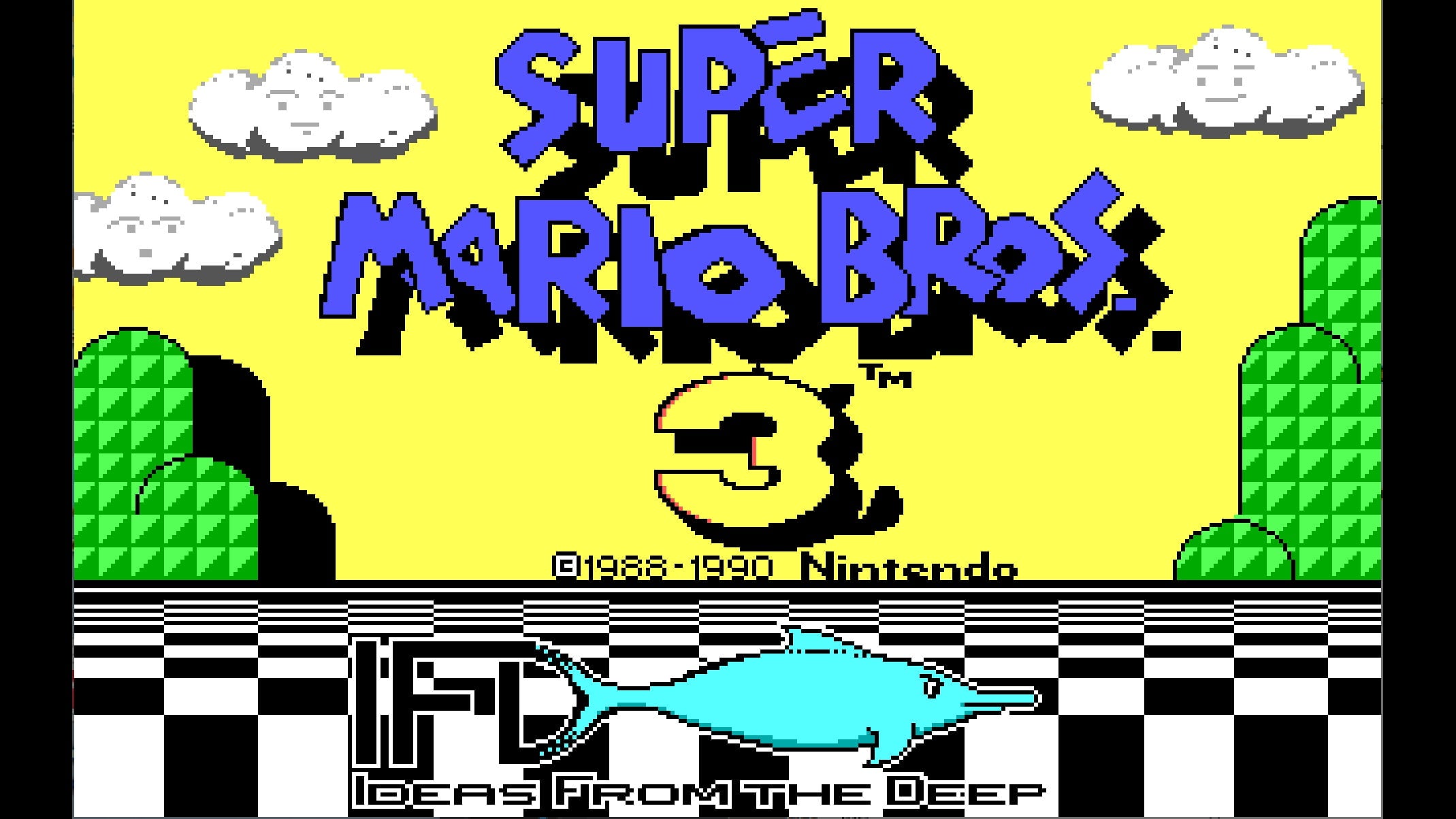
There’s a parallel universe in which Id Software, known for popularizing the first-person shooter genre, created PC versions of Nintendo games. In 1990, the studio created a demo for a PC port of Super Mario Bros. 3. That demo is now in a literal museum.
The Strong National Museum of Play, an institution in Rochester, New York, that chronicles the history of play—and also hosts the Video Game Hall of Fame—recently obtained a copy of that port, courtesy of an unnamed individual who sent in a larger trove of software.
“The individual who donated it was a game developer,” Andrew Borman, the museum’s digital games curator, told Ars Technica. “It wasn’t something I expected to see in this donation, but it was extremely exciting, having seen the video Romero shared back in 2015.” (In 2015, John Romero posted a video on Vimeo detailing some of the demo’s levels and systems. Before then, Id Software’s port of Super Mario Bros. 3, though long part of the established gaming record, hadn’t been widely seen by the public.)
Made over the course of a week, the demo offers a bite-sized snippet of how Super Mario Bros. 3 could’ve played on a computer. At the time, most PC-based platformers did not sport the butter-smooth controls you’d associate with Nintendo-published games. Id’s demo did, and stood out as a result.


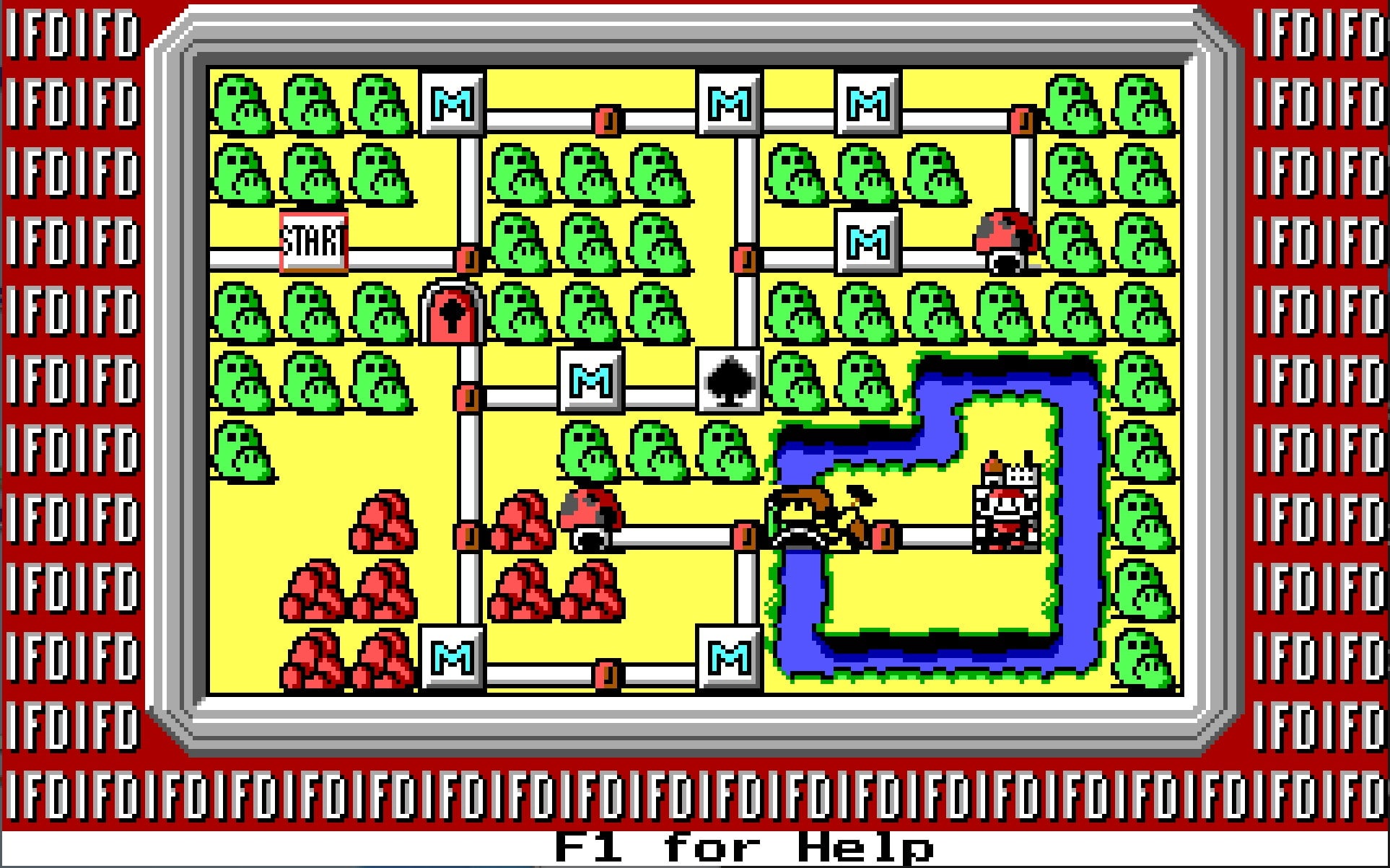

Ultimately, Nintendo didn’t move forward with the port, but the development effort wasn’t for naught. Borman credits its development as the spark—and, crucially, the tech—that led to Commander Keen, a venerable series of platformers released in the early ‘90s.
Read More: Why Some Games Are In Danger Of Disappearing Forever
Video games are a relatively young yet rapidly maturing medium, while preservation efforts over the years haven’t ramped up to match. Physical copies of old games are hard to come by, and are often expensive to buy (now, apparently, with jaw-dropping million dollar price tags). Publishers of older games don’t always put their games on digital platforms, and those that do will often remove them later. As a result, a lot of the hard work of video game preservation has fallen to benevolent pirates and others who use more illicit tactics
For the time being, the Strong Museum has no plans to publicly exhibit the demo, but will make it available to researchers who file a request form