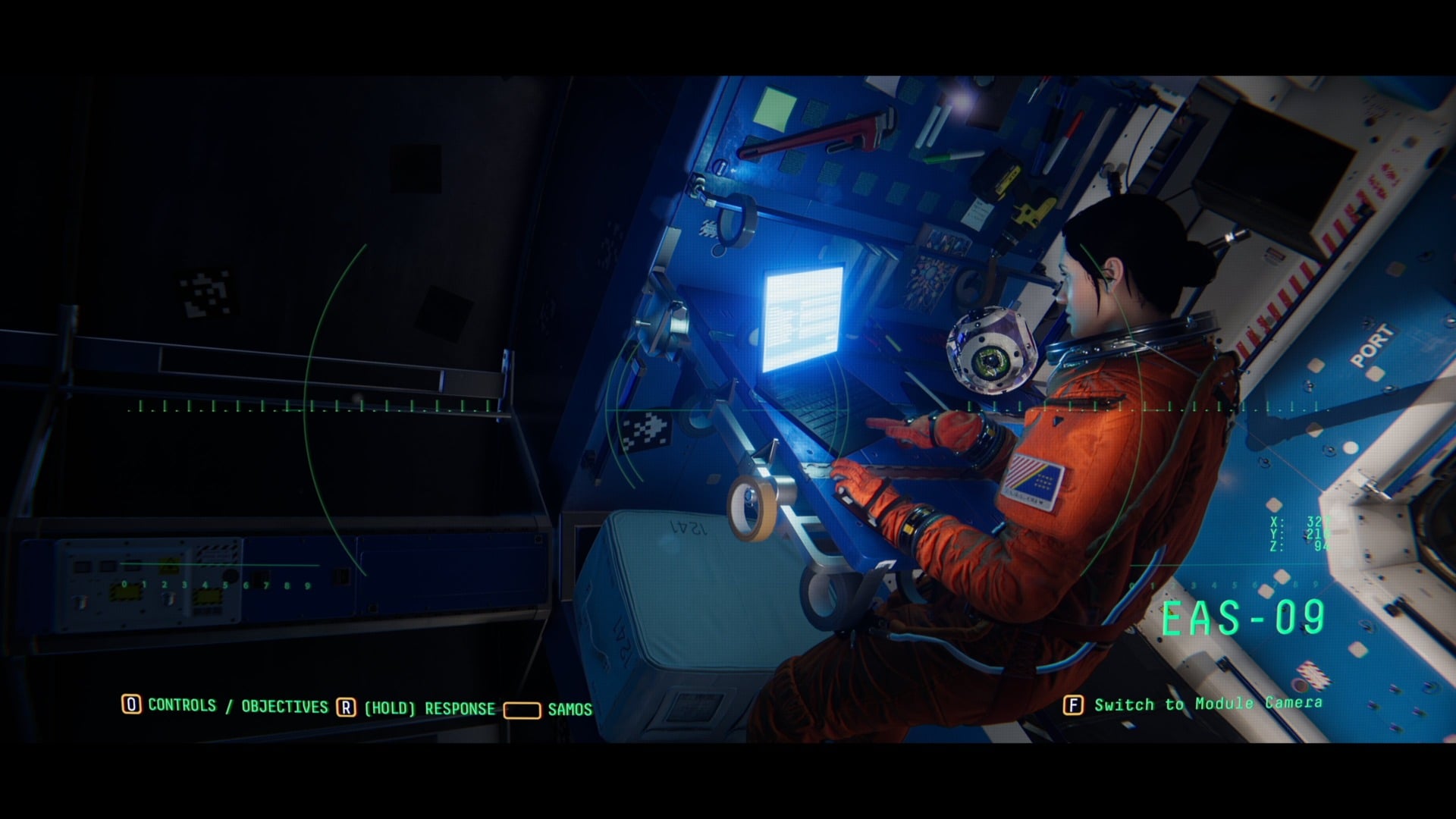
In most science fiction stories, artificial intelligence is bad news. With the familiar beats of Greek tragedy, AI is almost always destined to bring ruin to those with the hubris to create it. So how would it feel if you were the AI, and it was your job to keep a human safe—even while something in your programming is telling you not to?
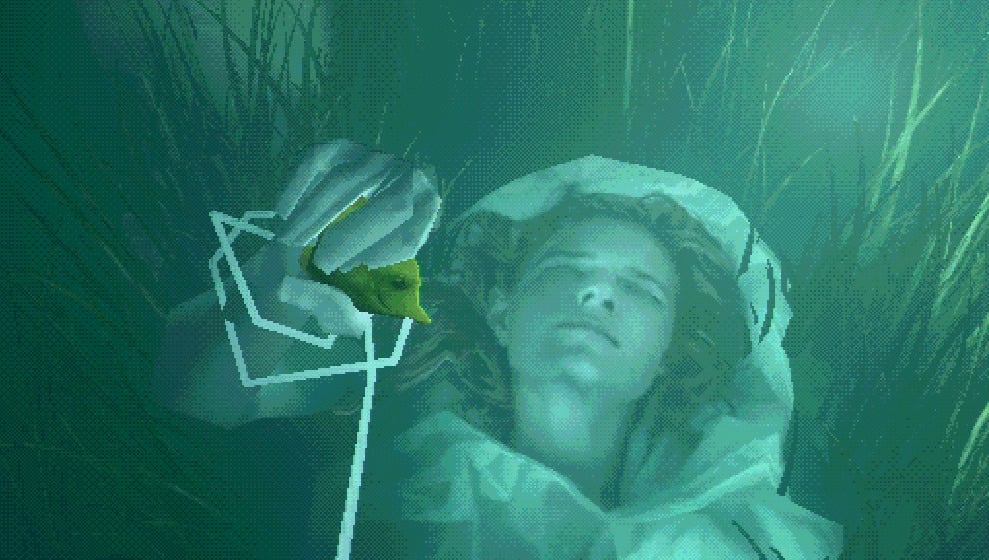
Out this week on PC and PlayStation 4, Observation is a sci-fi thriller from No Code, the developers behind Stories Untold. In it, you play as a computer that might be losing its damn mind, in space. It’s a little bit of Arrival, a lot of 2001: A Space Odyssey, and a dash of Night Trap
Set in 2026 aboard an international space station of the same name, Observation puts players in control of SAM, an artificial intelligence designed to support the crew in orbit above Earth. After a mysterious disaster strikes the Observation, SAM is rebooted by Dr. Emma Fisher. Working with her, you must determine what went wrong and if there’s anyone left alive on board. Oh, and something seems to be deep in SAM’s system, demanding that SAM betray Dr. Fisher instead.
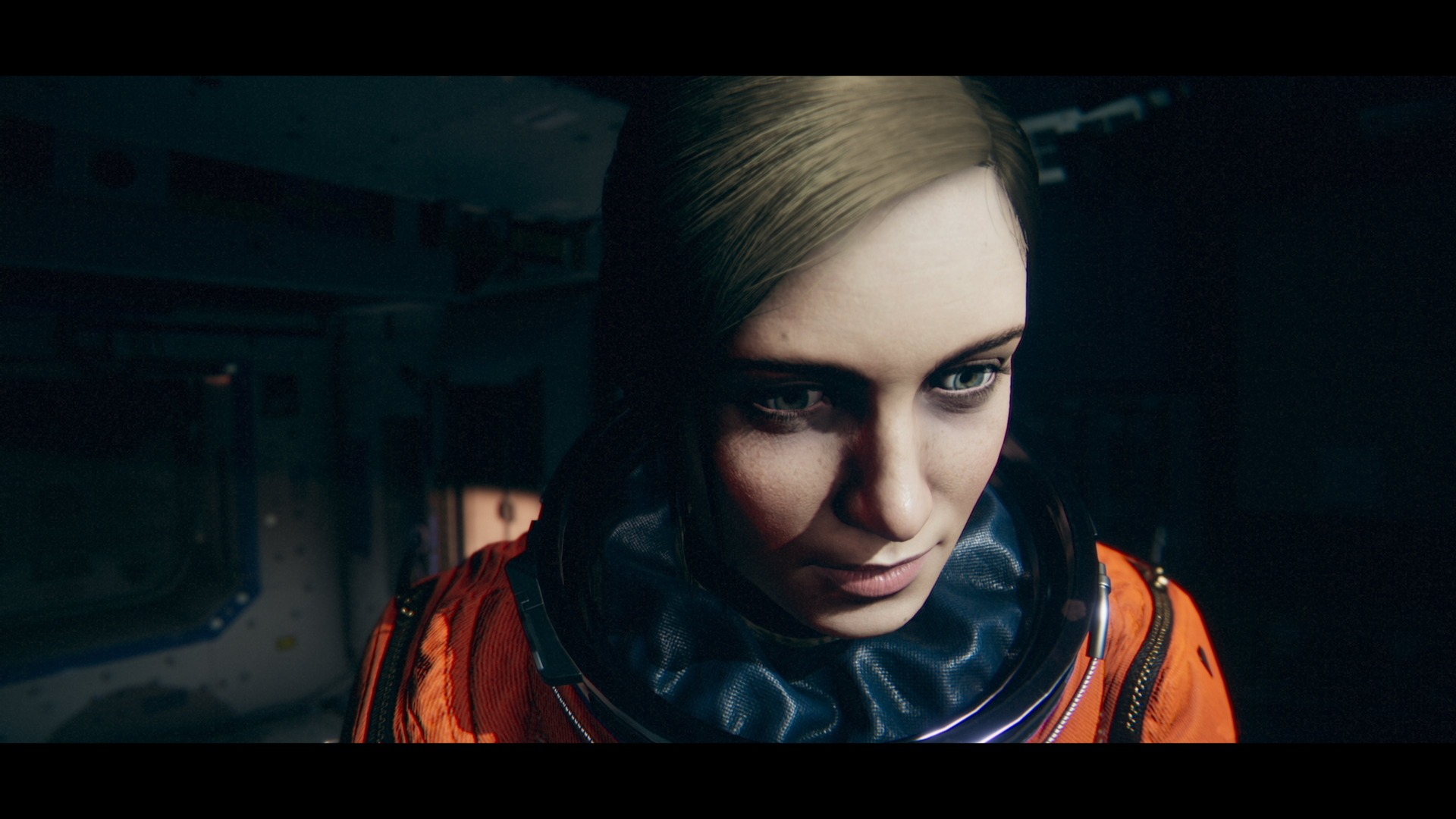 Since you play as an artificial intelligence program, you’re bound to the Observation’s infrastructure. You peer out through security cameras, moving them around to spot objects you can link to and interact with: laptops, hatch controls, safety equipment. Anything that’s plugged in has potential to be manipulated.
Through your efforts to assist Dr. Fisher, you’ll spend a lot of time identifying problems in each of the station’s individual modules and solving them in brief puzzles. In turn, Dr. Fisher will bring more of your systems back online, allowing you to access more of the Observation and opening up new modules to explore. This ultimately yields more clues about what has gone wrong and whether or not the Observation is really alone out there in space.
My time spent with the first few hours of Observation feels a lot like an adventure game with a strong sci-fi thriller kick. Like most adventure games, there are a number of environments to poke around in and a set of verbs you can use for interacting with them—scan this, rewire that, establish a link over there. There’s a tactile feeling to Observation’s puzzles—linking to different objects requires you to pair with a three-digit code, rewiring devices requires you to trace a prescribed pattern through a blank grid, and various systems have a very analogue feel, worked with dials instead of touchpads. Taken in conjunction with SAM’s limited perspective, Observation does a tremendous job at making you feel claustrophobic and tense, as your limited agency hampers your ability to respond to urgent crises.
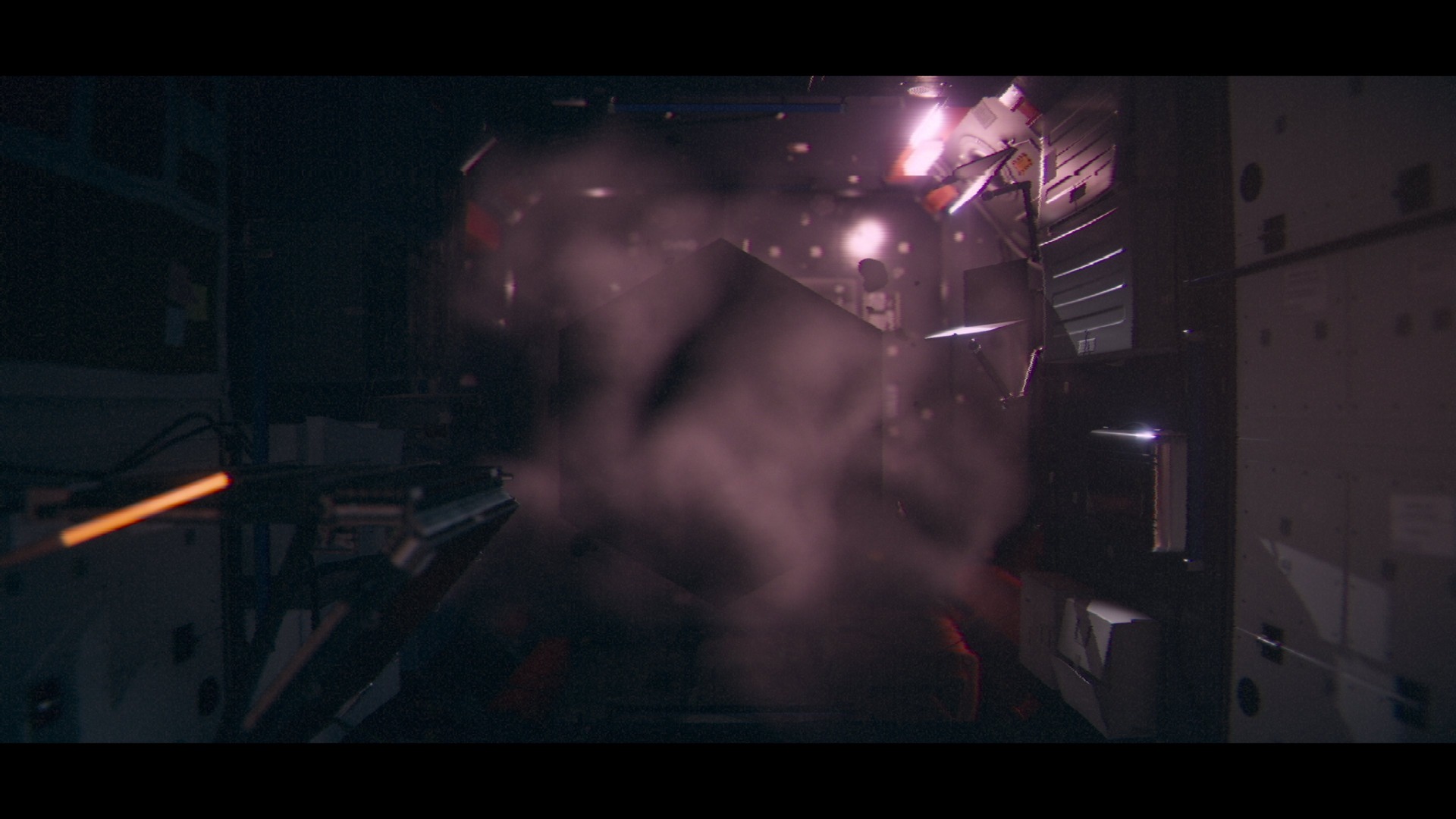
This also, however, makes Observation feel slow and stilted. Most times this is okay—swapping between cameras and rooms, examining them carefully, and linking to various devices as you look for clues and ephemera has a nice, deliberate rhythm to it. Less pleasurable are the sequences when you have to move around via floating spherical probes—partly because the zero-gravity controls and camera made me dizzy, and partly because controlling the probe is tedious work that detracts from the more intentional pace of the story.
Observation takes its time, giving you a number of small, distracting crises to solve as a larger existential one grows in urgency. Something is wrong with SAM. Something is telling you to take Dr. Fisher far from Earth, and you can’t seem to help but comply. Messages flood your screen unbidden, you have no choice but to comply with directives not given by Dr. Fisher, and something is infecting the station, killing those on board. I want to know what’s wrong. I want to know if I’ll turn out different, or if I’ll bring about the same doom that AI always seems to summon. I’m not sure which answer is better, and that’s a credit to Observation.