With its dying breath, it looks like startup-turned-laughing-stock WeWork is investing in esports.
Earlier this week, Bloomberg reported that WeWork filed a trademarkwith the United Kingdom’s Intellectual Property Office for “Play By We.” The application describes “entertainment services in the nature of online video game playing and esports,” “esports contests” and “providing facilities for video gaming events.”
WeWork carved out a name for itself renting shared office space and tech services and, in August, was valued as high as $47 billion. After the company’s shady business practices and managers’ incompetencewere exposed by its SEC filing, WeWork’s valuation plummeted to $8 billion and the company delayed its initial public offering.
Far be it from us to give investment advice to a company that managed to bungle its IPOdespite a $7.5 billion SoftBank investment, but WeWork isn’t the only fraying brand doing this. The retailer GameStop, whose share price has plunged and is closing 200 stores, is doubling down on its esports investment this year, too. GameStop has looked into “home-grown e-leagues,” esports education programming and tournament sponsorships. GameStop also opened an 11,000-square-foot arena called the GameStop Performance Center in Frisco, Texas, for the esports team Complexity Gaming. In an interview with Kotaku earlier this year, the CFO of Complexity Gaming declined to share with Kotaku whether the company is profitable.
When it comes to charming money out of investors, “esports” is the new note to play, it seems, replacing “blockchain” (which was the new “wearable”)—one of those things that’s mysterious and sexy because it so perfectly balances being hard to explain, full of big numbers and a little science-fiction. Esports is the future, say the businesspeople reliant on its future success. Yet according to a Kotaku investigationearlier this year, the esports industry seems like it’s headed for a fat market correction. More generously speaking, “esports” isn’t the magic bullet for a sinking company’s money matters.
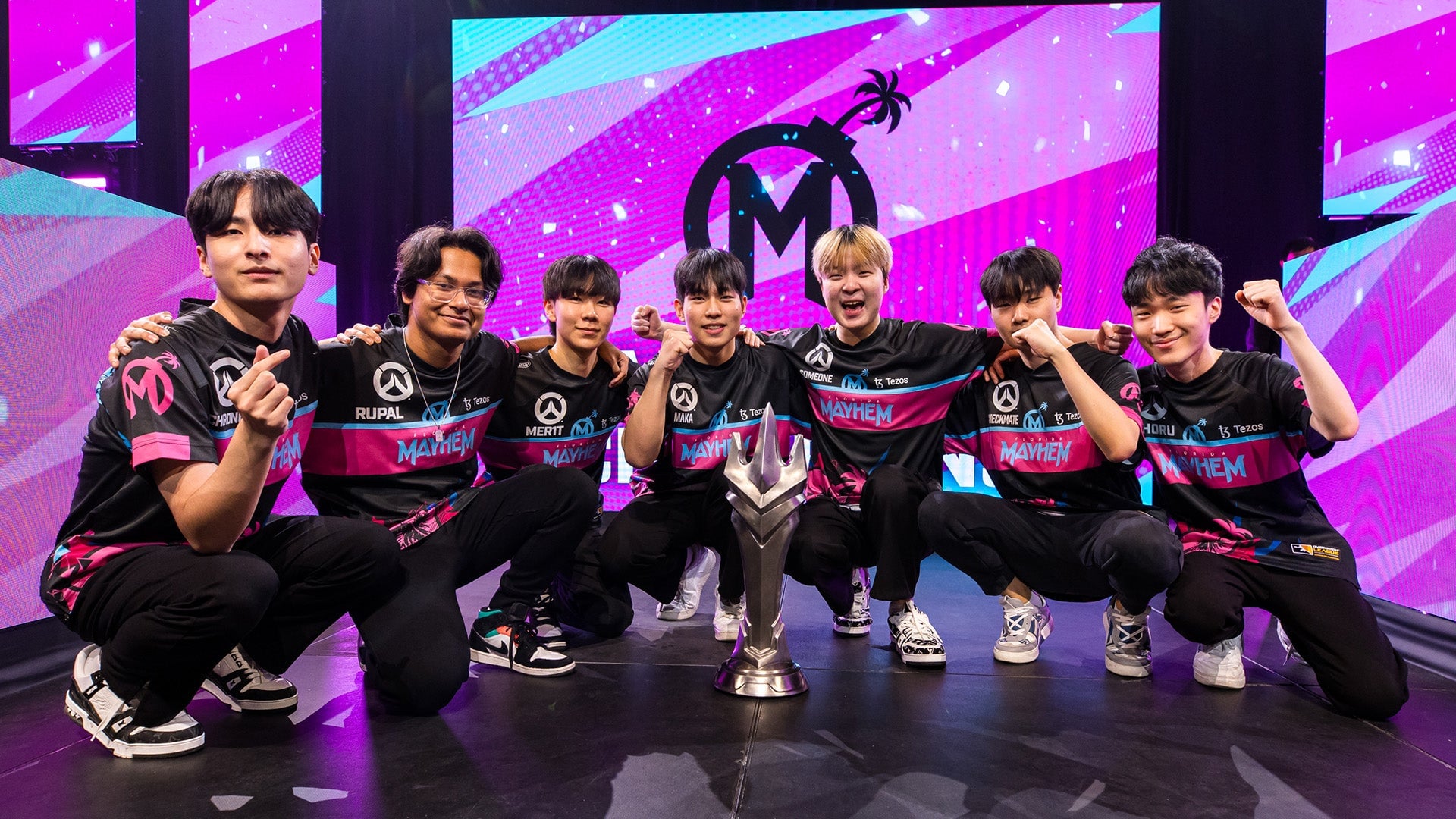
I am a huge esports devotee and regular participant in Super Smash Bros. and Overwatch tournaments both IRL and on Twitch. Despite my fandom, and millions of others’, it’s also extremely unlikely that the esports industry is performing on the level that big players say it is. Analysts like NewZoo often say the world of esports is worth $1 billion—a slick number, yet one that may very well be made up. Industry professionals speaking with Kotaku have said they have no idea how that number could possibly be real. Even if the numbers add up, it’s often difficult to tell whether esports should actually get the credit. For example, it’s tough for outside observers to differentiate between players buying in-game Overwatch cosmetics for the New York Excelsior or players buying a simple in-game loot box.
One Fortnite esports insider told Kotaku that they “don’t share any financial details. . . so almost everything you see out there is guesswork,” and at Riot, one insider said that many reports referencing League of Legends’ financial data are “garbage.”
There have been layoffs at esports organizations Infinite, the ESL and Echo Fox. Even successful golden-boy esports organizations like 100 Thieves—ones experts cite as having actual, viable business models—can’t afford Activision’s $25 million buy-in for the Call of Duty league. Entire leagues like Blizzard’s Heroes of the Storm league and H1Z1’s pro league have shuttered, with the latter owing hundreds of thousands after shuttering. Esports viewership data is unreliable and, sometimes, intentionally inflated.
WeWork, like GameStop and many of the other companies taking ventures into the esports industry, appears to be chasing a fantasy.