Would you shoot someone responsible for America’s horrible housing market? Would you like to? What if you met his wife and kid first?
How did we get here, and where are we going? What happens when the 99% rise up, and more to the point, how happy will you be to play a video game that casts you as one of them? Or what if you’re playing as a police officer, an enforcer of the status quo?
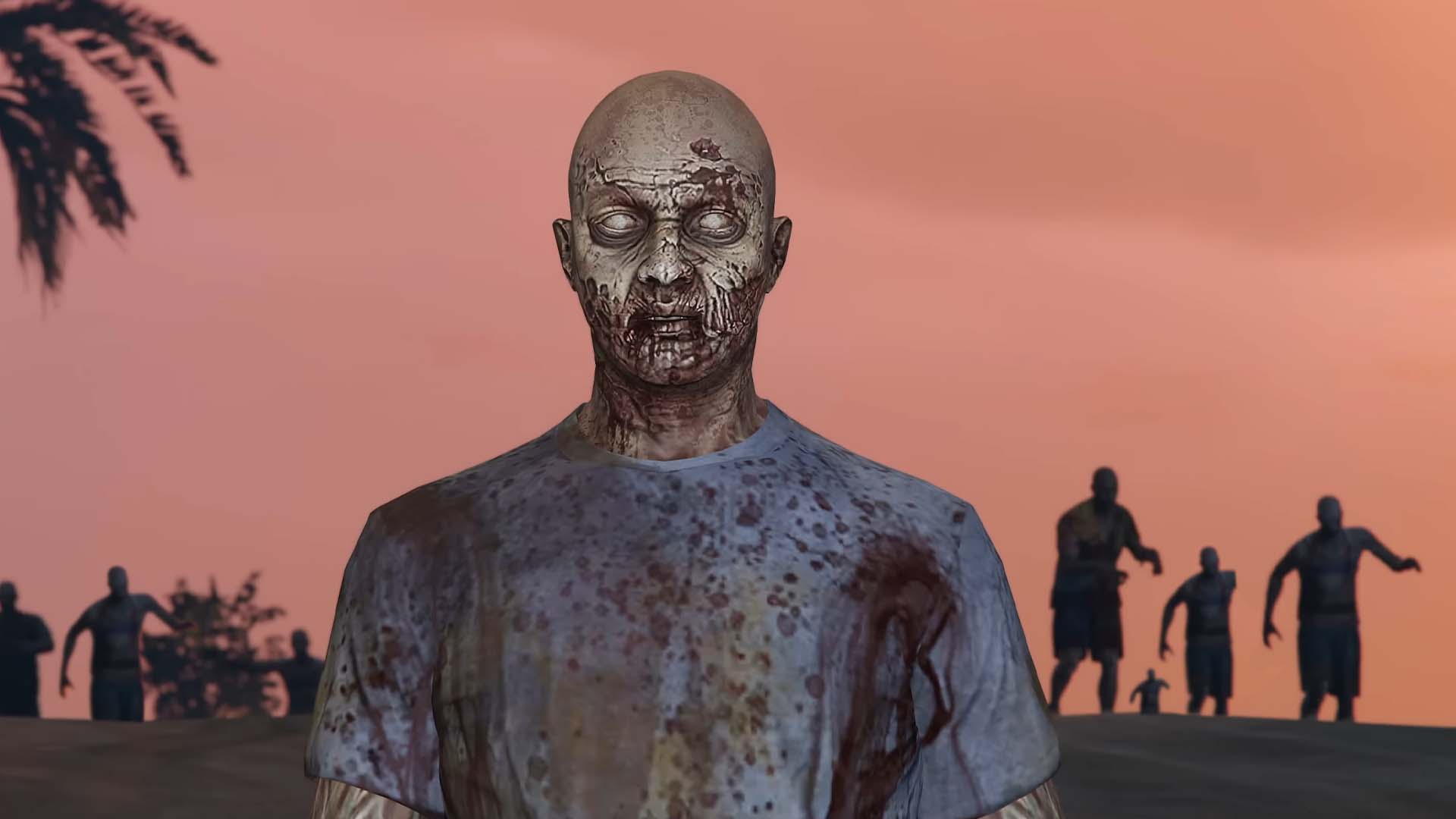
The recent economic recession—and its fallout—looms over most everything these days, and video games are starting to reflect that. From Grand Theft Auto V to the newest Rainbow 6, it’s looking as though amid the zombies, aliens, cops and foreign soldiers we’ll be fighting, it’s the economy that will be the next big video game bad guy.
Given the time it takes to make a modern video game (generally a year at the fastest, and often two or three), it makes sense that big-budget AAA games would be a little bit behind the curve when it comes to tackling relevant social topics. It wasn’t until several years after 9/11 that we started seeing games referencing the “war on terror,” placing Homeland Security and FEMA center stage, and sometimes openly referencing the attacks on the World Trade Center. (I should note that in this post, I’m discussing AAA games, not faster-to-make newsgames, though I don’t doubt there are plenty of those that deal with the economy already.)
Big-budget game makers are often skittish about approaching topical material. Hot-button issues don’t guarantee sales, and often they’re more trouble than they’re worth. Take, for example, the saga of Atomic Games’ Six Days in Fallujah, a documentary-style war game that attempted to show aspects of the grisly human costs of the war in Iraq only to be dropped by its publisher and never see the light of day. Or, look at the foofaraw that erupted just last year over Medal of Honor naming one of its multiplayer teams “The Taliban,” only to back off at the last minute and rename them “Opposing Force.” Whether it’s due to games’ spotty history with controversial material, their interactive nature, or their presumed audience, topical AAA games can be a tough sell.
https://lastchance.cc/medal-of-honor-maker-defends-taliban-renaming-addresse-5653154%3C/a%3E%3C/p%3E
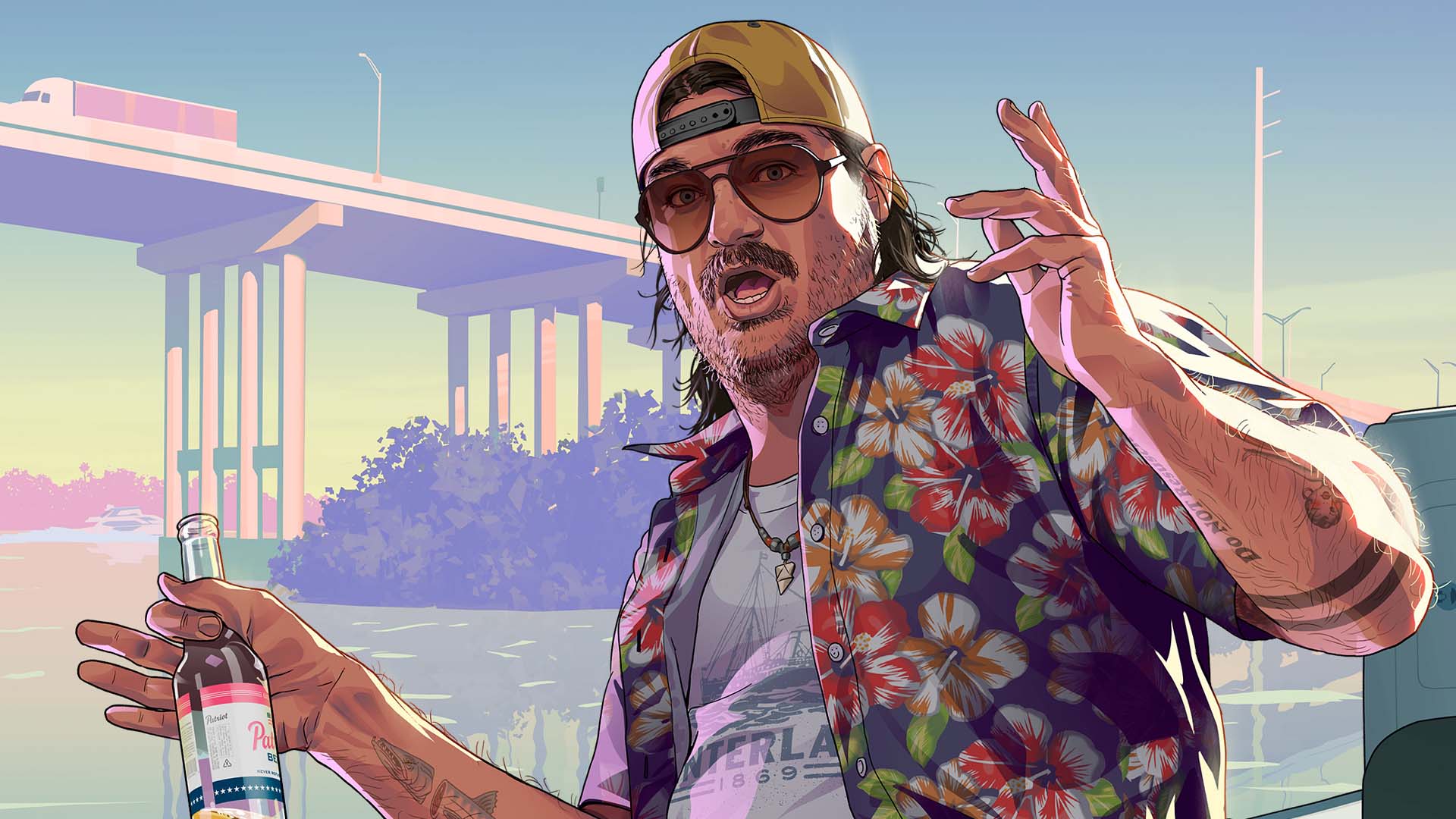
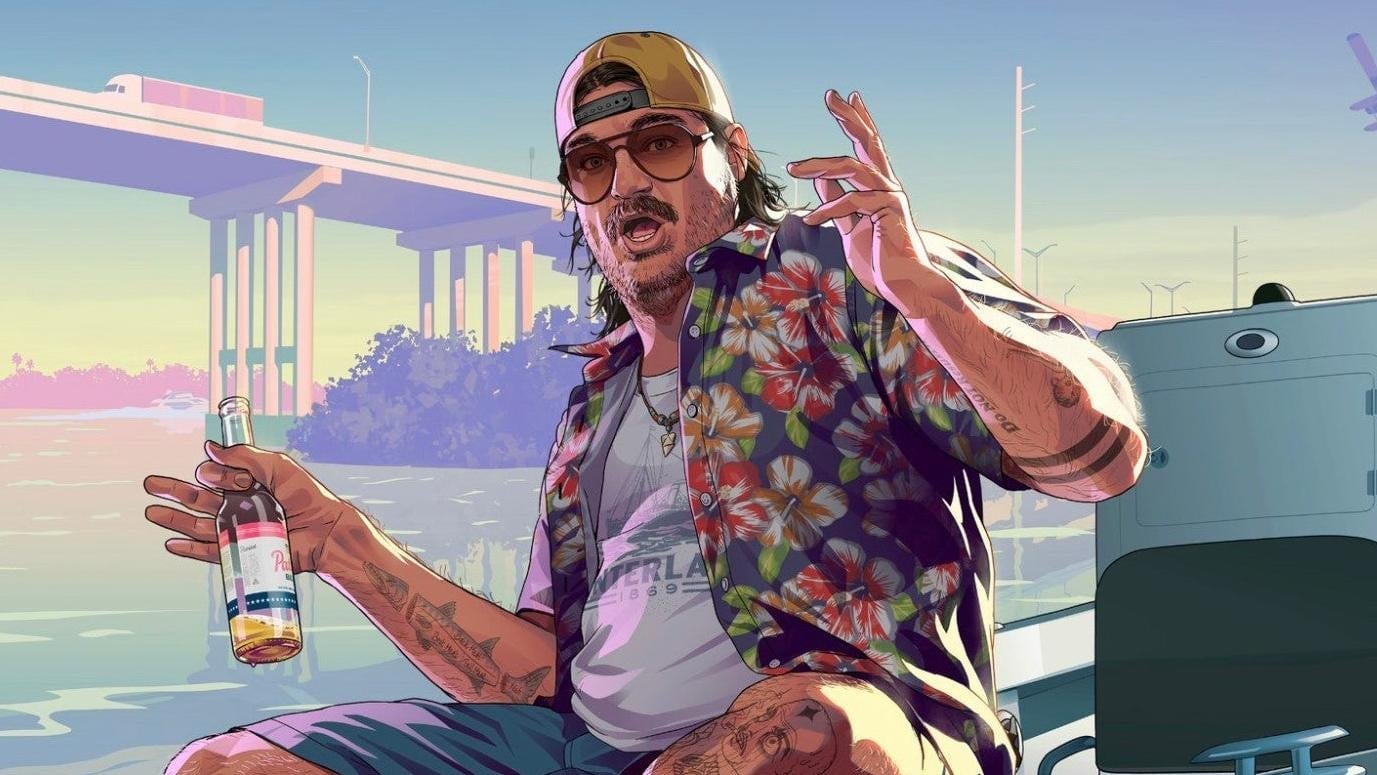
In the first trailer for Rockstar’s just-announced Grand Theft Auto V, (among all the other things we noticed), we saw several signs of economic woes and general down-and-outness. An encampment of homeless people under an overpass, a guy begging for beer money on the street.
https://lastchance.cc/grand-theft-auto-vs-first-official-trailer-5855541%3C/a%3E%3C/p%3E
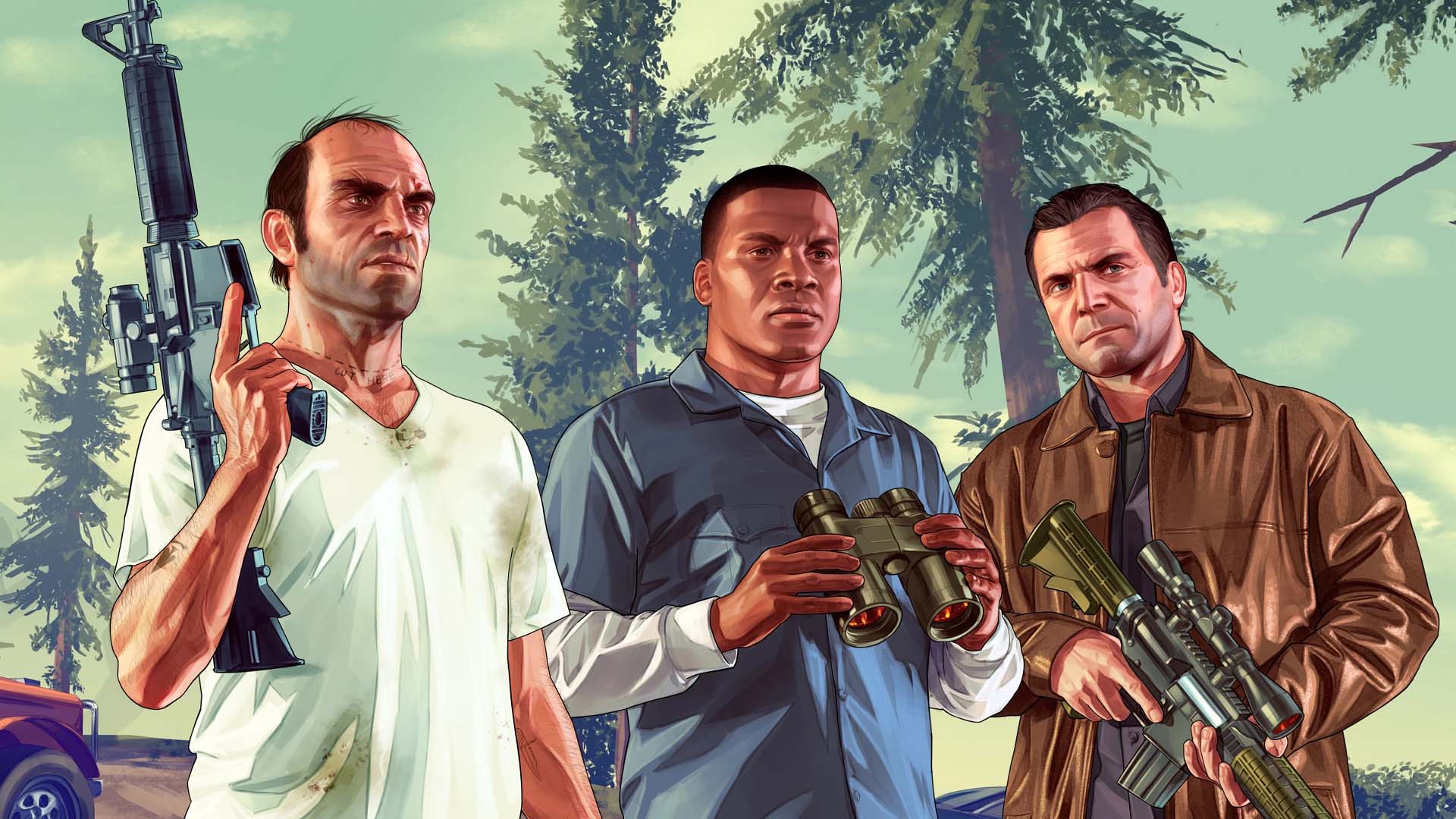
It wouldn’t surprise me at all to see Rockstar capture the new American zeitgeist, four years later. And while it’s likely that while the nation’s economic woes will provide a backdrop for GTA V, it wouldn’t surprise me to see it play a more integral role in the storytelling, as well. I can easily imagine the economy factoring into the protagonist’s return to a life of crime, or a storyline revolving around helping out a homeless former banker, or a story about taking down a corrupt financial institution, or even a few missions poking fun at the Occupy movement.
In Take-Two’s earnings call today, a spokesman described GTA V as a story of the “pursuit of the almighty dollar.” For any other game, that would just sound like vague marketing language, but Rockstar tends to choose their words more carefully that most. GTA IV was described time and again as a story of the “pursuit of the American dream,” and the finished game very emphatically focused on that theme. Hearing GTA V described as a story focused on the pursuit of money makes me think that the American economy will be front and center.
Kaos studio’s Homefront dealt with the economy in its own twisted, interesting way. In the game’s fiction (written by Apocalypse now co-author John Milius), America has lost its world standing due to economic imbalance and a shortage of oil, and as a result has become susceptible to foreign invasion. The main character is cast as an insurgent, the very same sort of “freedom fighter” that other war games label as terrorists. The game was a bit of a flop, but it’s heartening to hear that acclaimed developer Crytek has assumed the reins of the franchise. Kaos was playing with some very compelling stuff: What makes an insurgent? What drives us to acts of terrorism? What does it mean to truly have nothing to lose? One can’t help but hope that Crytek will explore those questions further.
What will we do when pitted against an enemy with whose cause we may sympathize?
Terrorists make for effective cannon fodder in games, but as villains, they can be difficult to write. One of the easiest ways to give a character or group of characters depth is by adding backstory—you know, “why did the chicken cross the road?” But with terrorists, it’s a bit more difficult to write motivation. For various reasons, religious beliefs are generally off the table with big-budget games, so most video game terrorist groups are motivated by some sort of vague anger at America and the West for imperialistic tendencies. And most if not all modern-day military shooters are perfectly content to avoid these sorts of questions entirely, often by putting some sort of Bond-ian villain behind it all. How many games have crudely taped a megalomaniacal mastermind and an army of “Russian Ultranationalists” onto their story in an attempt to give Western gamers a more palatable enemy to kill?
Ubisoft’s just-announced Rainbow 6: Patriots also features terrorists, but with a recession-flavored twist: they’re fueled by rage at the nation’s economic elite and have risen up and begun destroying national landmarks. At the start of a new video of prototype gameplay, a man and his family are taken hostage by terrorists who tell him, “You really did cash in on everyone else getting foreclosed, didn’t you? Today you’re going to make up for that.”
In the game itself, players will be controlling law enforcers facing an armed uprising. It echoes real life in ways that may be uncomfortable to acknowledge—what will we do when pitted against an enemy with whose cause we may sympathize? As I imagine a law-enforcement or SWAT video game based on the recent Occupy Oakland protests, I have to wonder: would players be cast as beleaguered public servants trying to do their best or the jackbooted thugs who violently put down dissent?
Economic anger feels intense and relatable, and it can make games more believable, complex, and scary. It remains to be seen whether economic issues will merely be the latest window dressing for video game carnage, or whether some developers and writers will choose to go deeper.
I find myself expecting a lot of the former, but hoping for at least a little bit of the latter. The recession is here, and whether our on-screen characters are fighting around it, against it, or because of it, it’s not going away anytime soon.
You can contact Kirk Hamilton, the author of this post, at [email protected]. You can also find him on Twitter, Facebook, and lurking around our #tips page.