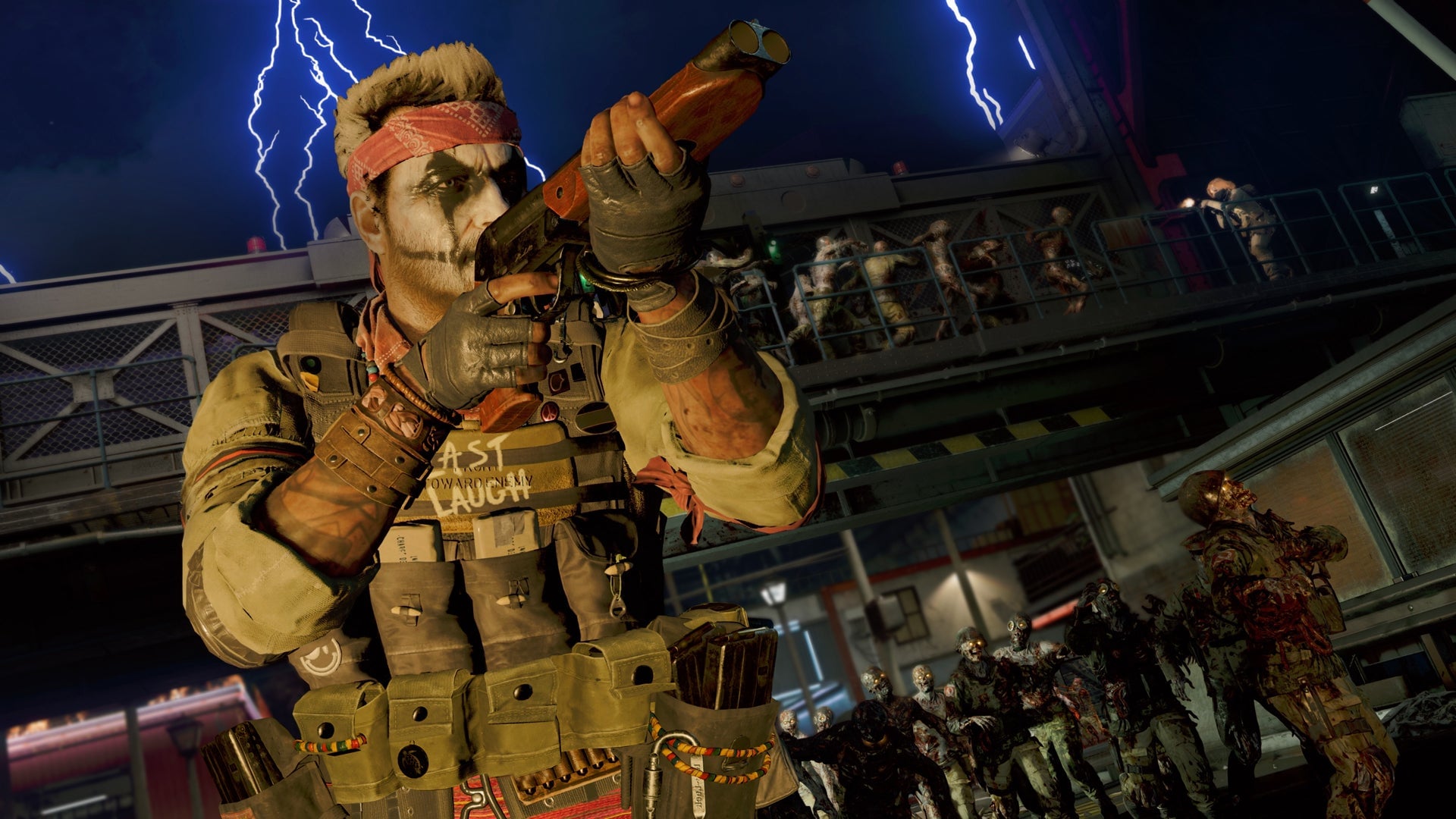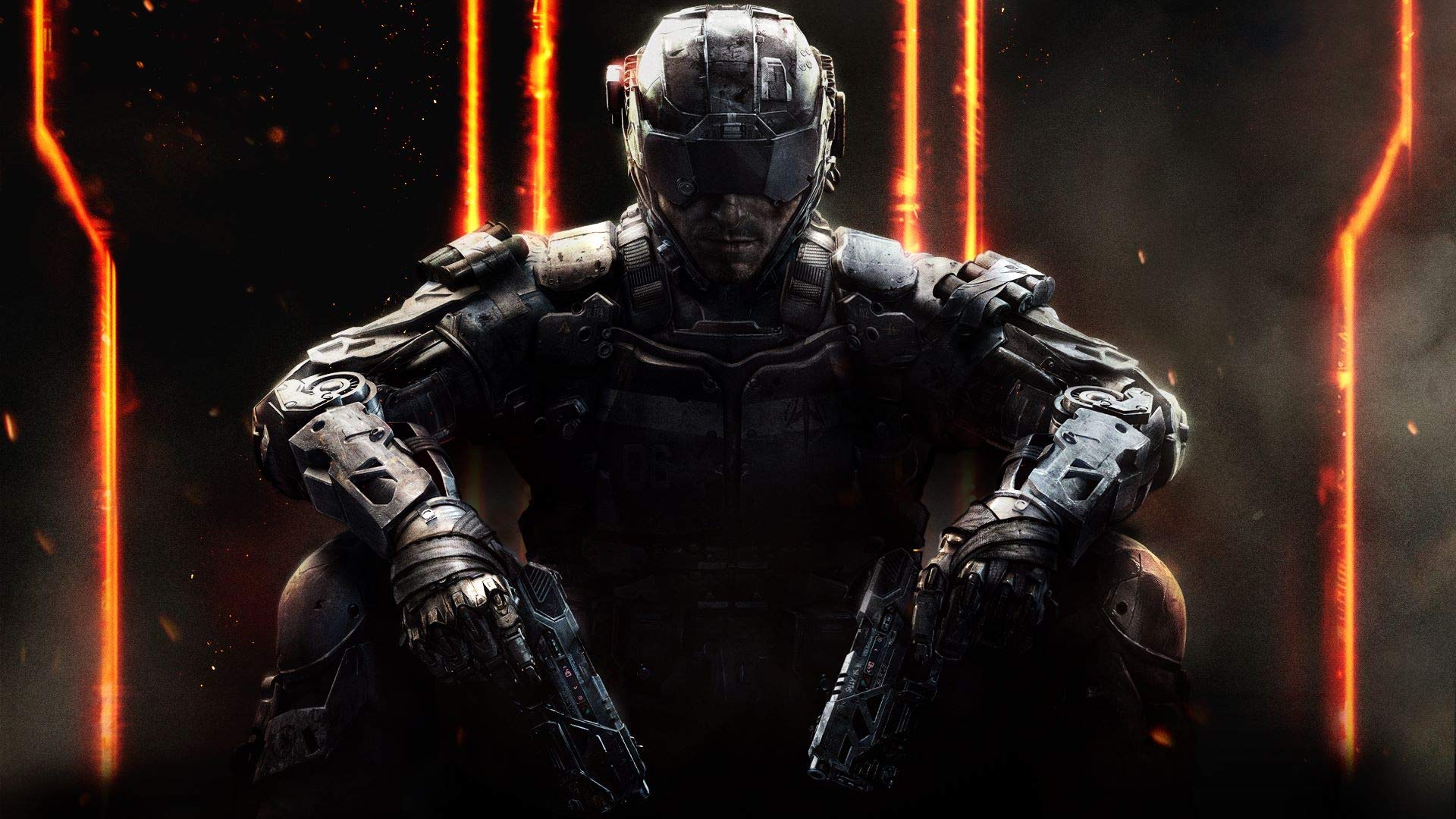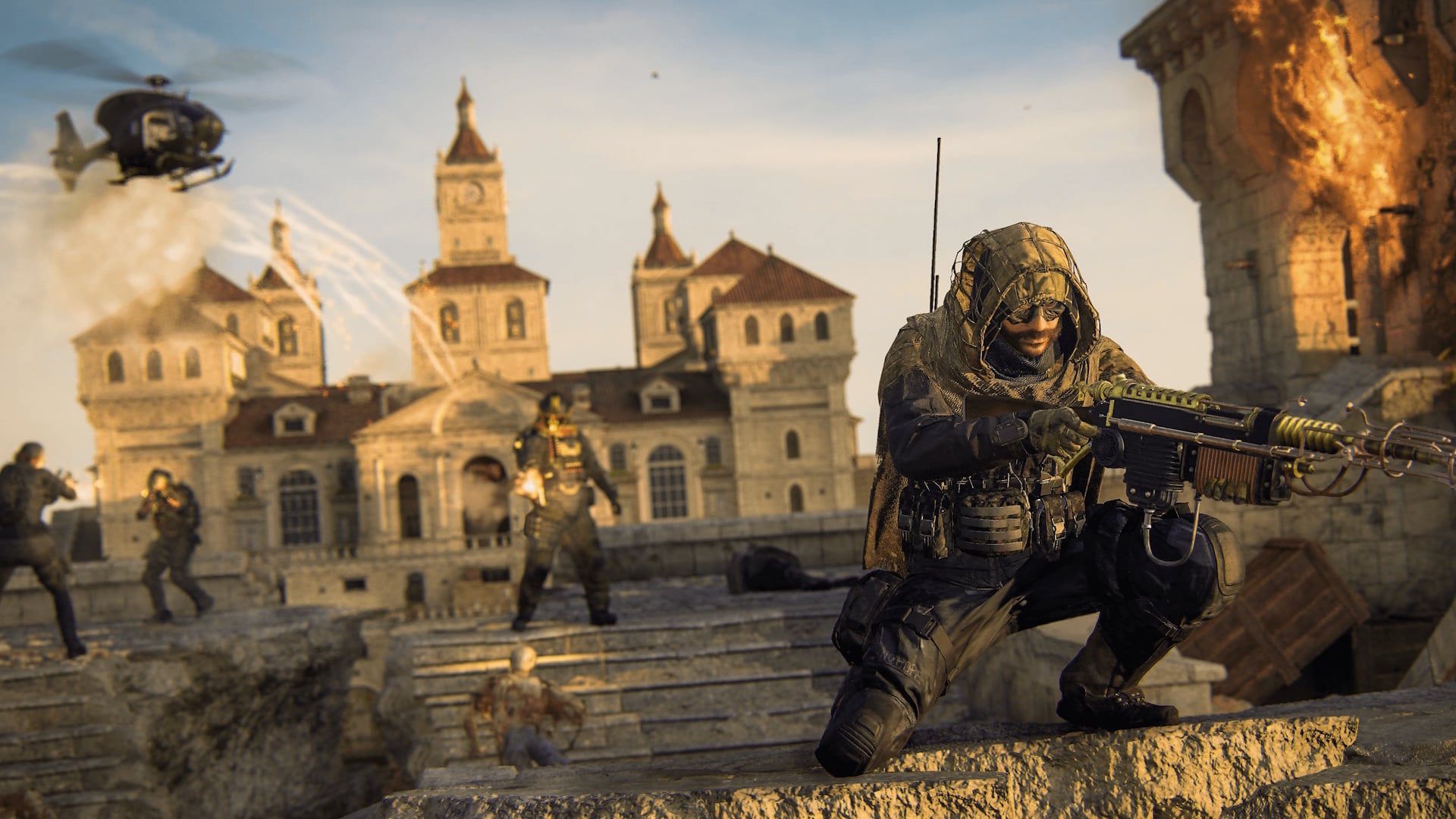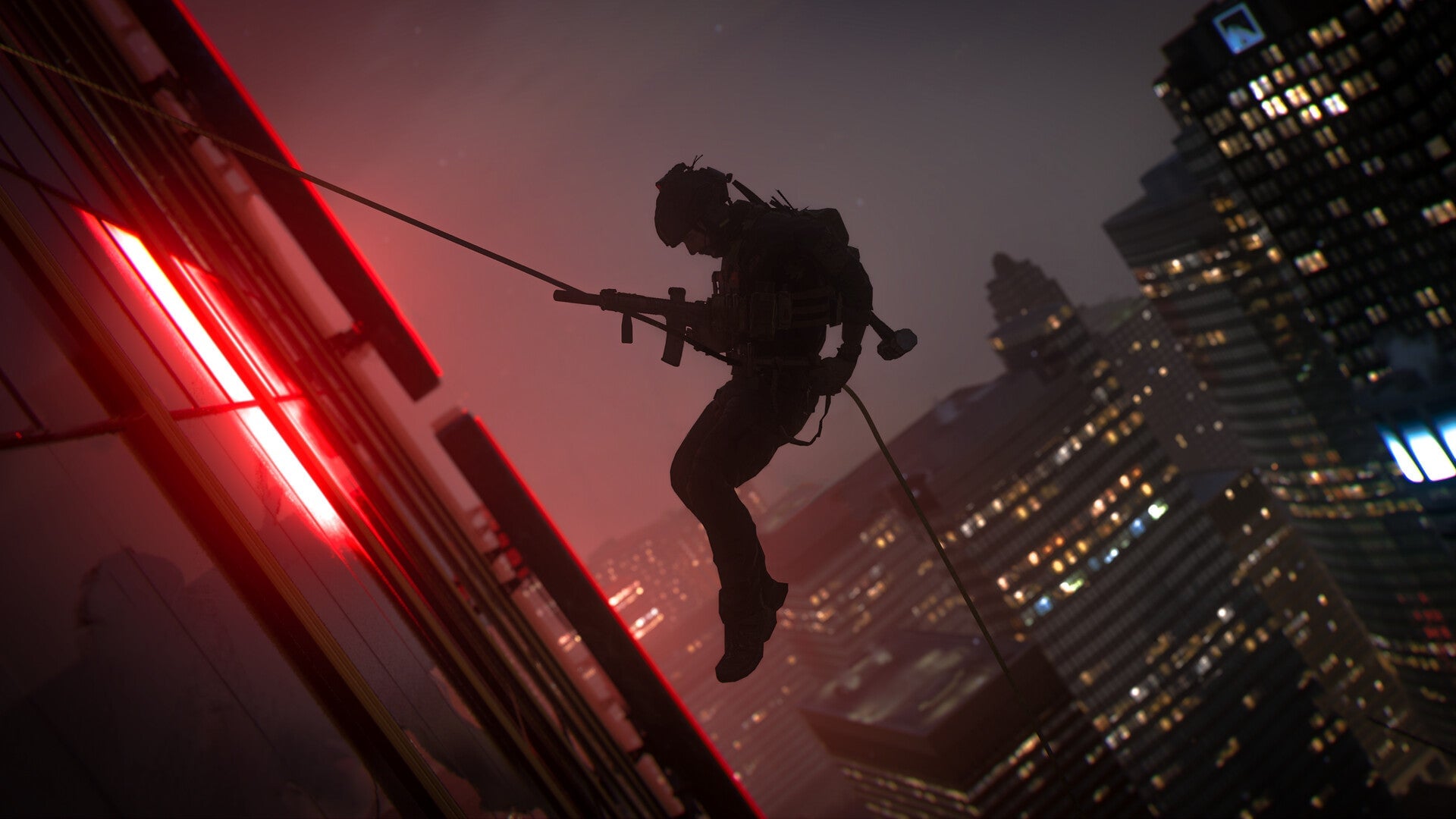
“ISIS has refined the mechanics of the sale of violence.” Writing for the New Yorker website, Jay Caspian Kang thoughtfully examines how the terrorist group invokes well-worn motifs from shooters like Call of Duty in its recruitment materials.
Much like the organization’s use of modern social media, selling prospective recruits by promising a life “better than that game Call of Duty” has proved disturbingly impactful. Kang is careful not to place blame where it isn’t due while still managing to raise a point gamers and game journalists often struggle to broach effectively. The language of first-person shooters is now a deeply entrenched one that many people understand on an instinctual level. Like any other organization trying to expand its membership and the reach of its message, ISIS understands this and uses a game-laden vocabulary to its advantage:
The similarities between ISIS recruitment films and first-person-shooter games are likely intentional. Back in June, an ISIS fighter told the BBC that his new life was “better than that game Call of Duty.” Video-game-themed memes traced back to ISIS have been floating around the Internet for months, including one that reads, “THIS IS OUR CALL OF DUTY AND WE RESPAWN IN JANNAH.” (“Respawn” is the gamer word for reincarnate.) Another ISIS video, as the Intercept notes, looks like a deliberate homage to Grand Theft Auto. Audio clips that sound much like ones in Call of Duty have been spliced into other ISIS videos. Many of the ISIS recruitment videos are dedicated to showcasing rocket launchers, mines, and assault rifles, as if to say, “If you join us, you’ll get to shoot these things.”
A game like Call of Duty is a very different beast depending on who’s playing it and the context in which they’re doing so, of course. For the vast majority of their players, modern, militaristic first-person shooters strike a nerve because they’re profoundly compelling and incredibly fun to play. At the very least, however, we should consider what it means to keep delivering the same iterative power fantasy of shooting hordes of nameless and faceless terrorists in the face in games that are suggestive of contemporary conflict, even as they eschew specific references to one quagmire or another.
Moreso than many other forms of entertainment, games are a dynamic medium. Once an idea or image is put out into the world, there’s no controlling how it will be used by the people who play it. And how many young players fall prey to the allure of such lush, majestic images of violence—let alone geopolitical conflict? Kang concludes:
…while ISIS should have little trouble recruiting the Eric Harrises of the world, who, as Dexter Filkins pointed out in an earlier post, join the ranks because “killing is the real point of being there,” it’s worth wondering how much further their reach could extend. How many frustrated kids whose only outlets for aggression are Call of Duty, sports, or hip-hop will take a disastrous step in illogic and see ISIS as the real-life evocation of those fantasies?
I haven’t made up my mind about Call of Duty and its ilk yet, but I’m also fairly certain there isn’t—and never will be—a single “right” answer to questions about how shooters should represent modern warfare. So in the meantime, give the New Yorker piece a careful read and let me know what you think.
To contact the author of this post, write to [email protected] or find him on Twitter at @YannickLeJacq