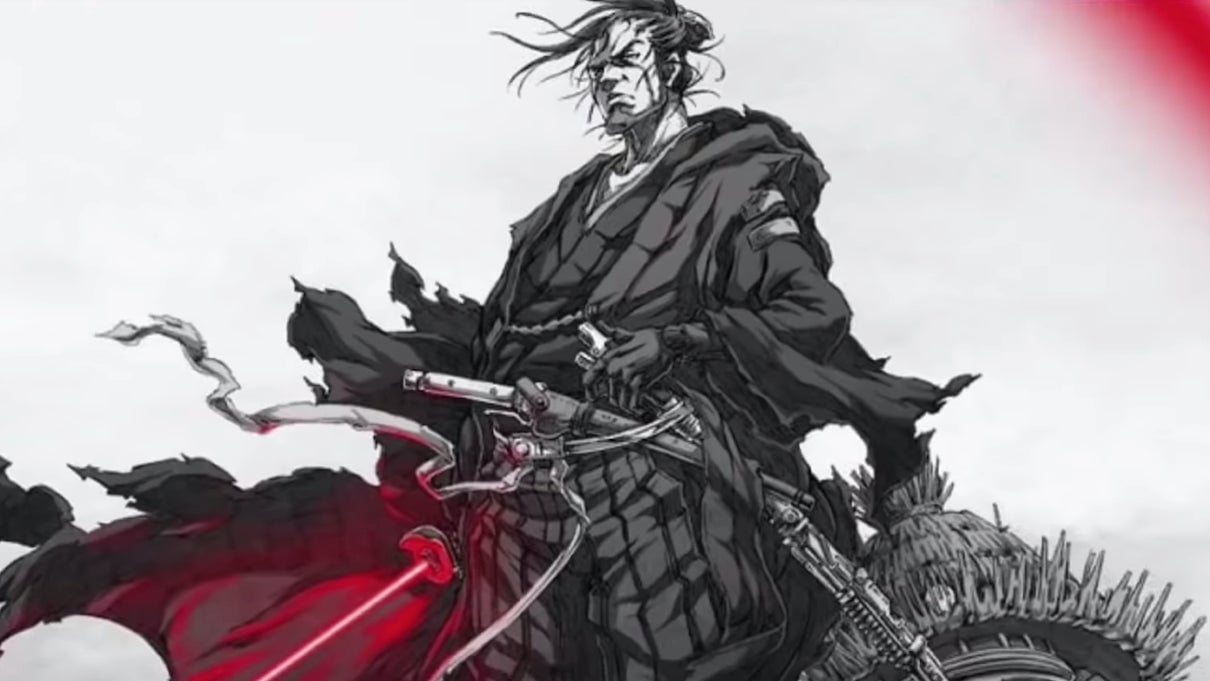
This weekend, Disney announced Star Wars: Visions, an anime anthology of original shorts. Seven anime studios are putting their unique spin on the world of Star Wars, a first for the franchise. Yet, it feels like Star Wars has finally come full circle.
“Japanese animation inspired a lot of the people at Lucasfilm over the years,” said executive producer James Waugh. “We loved the idea of seeing Star Wars expressed in that way.”
The studios include Kamikaze Douga, Geno Studio (Twin Engine), Studio Colorido (Twin Engine), Trigger, Kinema Citrus, Science Saru, and Production IG.
Here is the official description of the project:
As a first formal venture into anime, each “Star Wars: Visions” short bears a unique Japanese sensibility, which in many ways aligns with the tone and spirit of Star Wars storytelling. From the beginning, stories told in the Star Wars galaxy have counted Japanese mythology and the films of Akira Kurosawa among their many influences, and these new visions will further explore that cultural heritage through the unique animation style and perspective of each anime studio.
For years, the movies have resonated in a deep way with Japan and its culture. After Star Wars: A New Hope was first released in Japan, it would inspire Japanese animators, and helped lead to an anime boom in space operas.
Star Wars draws from a variety of sources, but famously Japanese culture and cinema were among George Lucas’s many inspirations. For example, design-wise, the Imperial and Rebel crests were influenced by mon or emblems traditionally used in Japan by families, or more recently, companies.
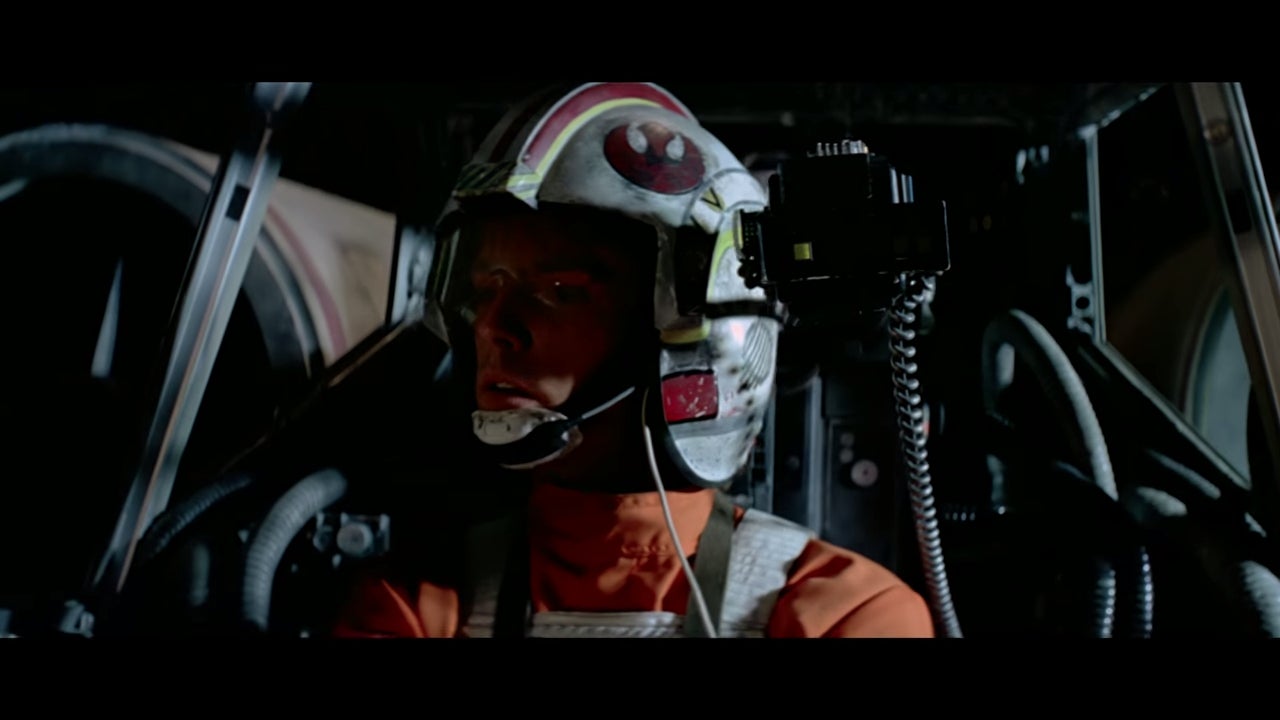
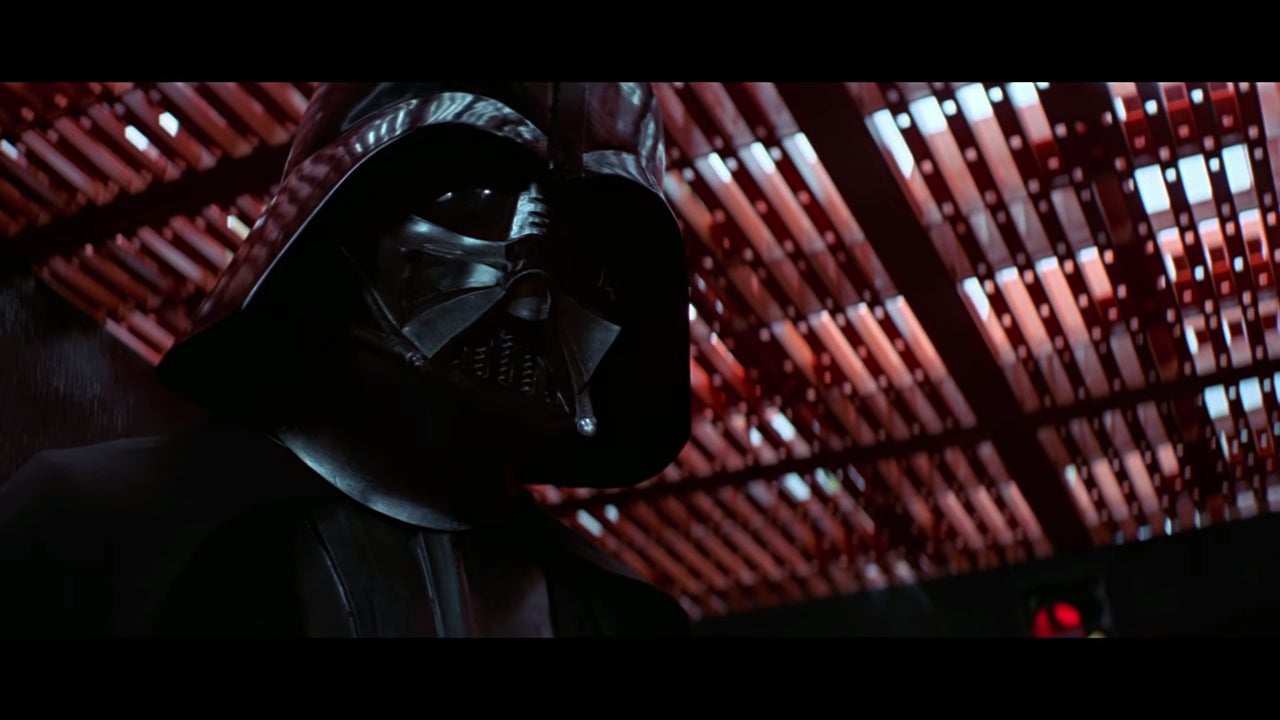
Japanese period films, called jidaijeki, were clearly a big inspiration for Star Wars. Akira Kurosawa looms large, with The Hidden Fortress perhaps being the biggest single source, providing inspiration for characters, their relationships, and even plot points. Kurosawa-style “wipe” transitions would even become a series mainstay, but it apparently wasn’t enough to have Kurosawa’s stylings. Lucas, reportedly wanted the director’s leading man. Mika Mifune—the star’s daughter—recounted how Lucas wanted her father Toshiro for the role of Darth Vader.
Star Wars borrowed specific elements from Japan (and elsewhere), incorporated them, reinvented them, and presented them in a brand new way. Japanese culture has done the same for thousands of years, whether that was taking and reinventing culture or artistic elements from China, Korea, India or, later, the West.
Take Osamu Tezuka, for instance. Considered the father of anime, he was inspired by Walt Disney. Yet, what he created wasn’t simply made-in-Japan Disney animation. It was different and inspired a new generation of animators at home (as well as, it seems, back at Disney). “Anime” has now become classified as a style (though there are arguments that “anime” is simply the Japanese word for “animation,” full stop) and has gone fully mainstream in the U.S. The influence of American animation can be felt running through anime; however, artists draw upon a wide variety of sources, including the country’s own rich artistic and cultural traditions. The work that follows will inevitably will be different.
Similarly, Star Wars presented elements of Japanese culture back to the Japanese, but mixed with elements of classic Americana. For instance, the films of John Ford, or Buck Rogers’ comic strips and serials, along with the German expressionist films like Metropolis, Arthurian mythology, and European history. The result is something different, yet, for Japanese audiences, still familiar.
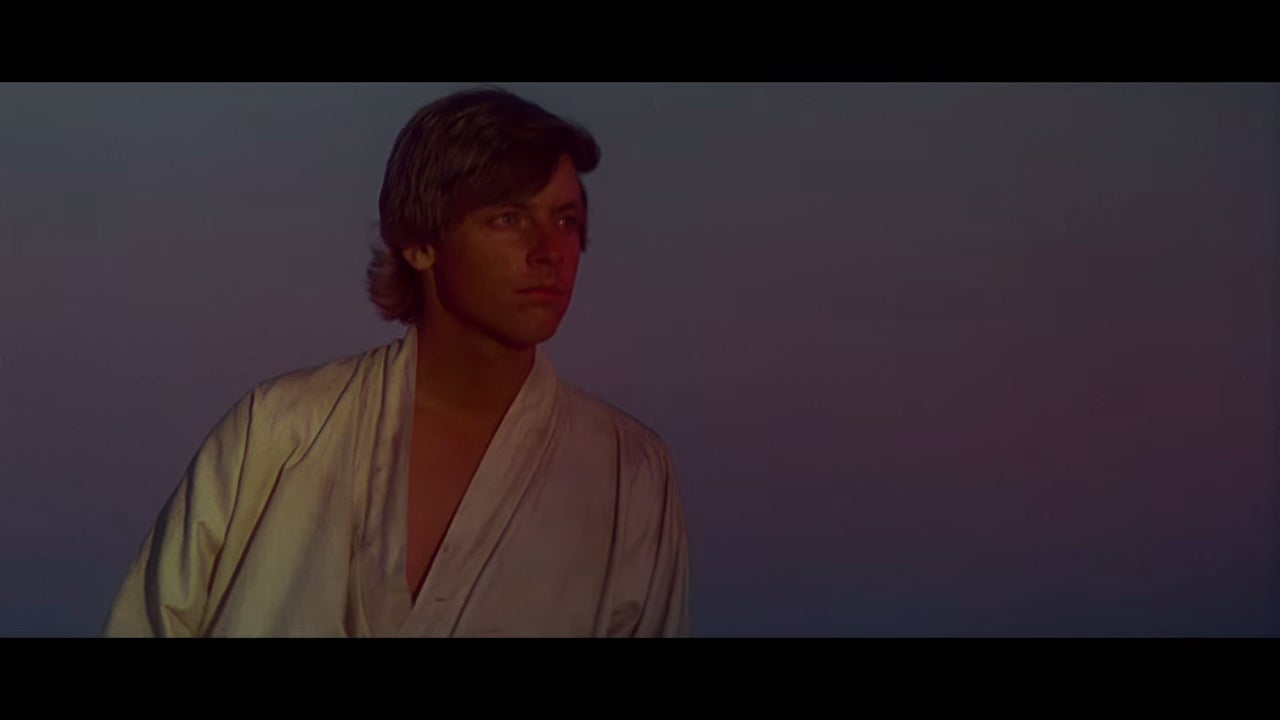
The throughline of Japanese influence in Star Wars is also why an anime anthology makes perfect sense. This is why the movies have made for a good kabuki show, why Star Wars was fitting for a screen painting at a Buddhist temple in Kyoto, and why Bandai’s samurai-style Boba Fett and Darth Vader figures were so perfect.
This is also why Japanese animators want a crack at putting their own spin on Star Wars. In the above clip, creators like Hitoshi Haga at Kinema Citrus and Kenji Kamiyama of Production I.G. appear. “A lightsaber is the stuff of children’s dreams,” said Kamiyama. “I took that and added a bit of Japanese flavor.”
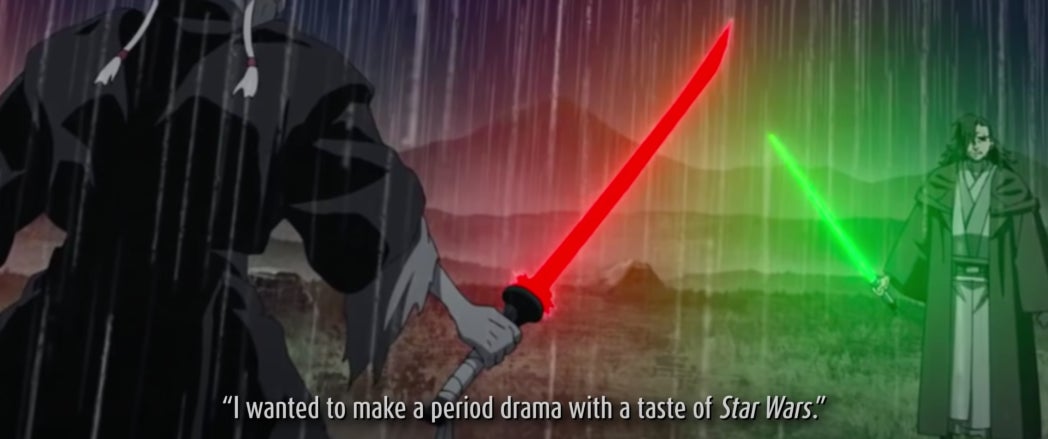
Later in the clip, Studio Trigger president Masahiko Otsuka talks about how he wants to make a period drama with Star Wars, mentioning that this could be his last work. The actual word Otsuka uses in Japanese is “jidaigeki”—the genre of period samurai films that inspired Lucas and is said to have sparked the word “Jedi.” See? Full circle.
By putting their own lens on Star Wars, anime creators will leave their own personal mark on a galaxy that’s far, far away. The result will be, no doubt, different, fascinating, and ultimately, Japanese. Can’t wait.