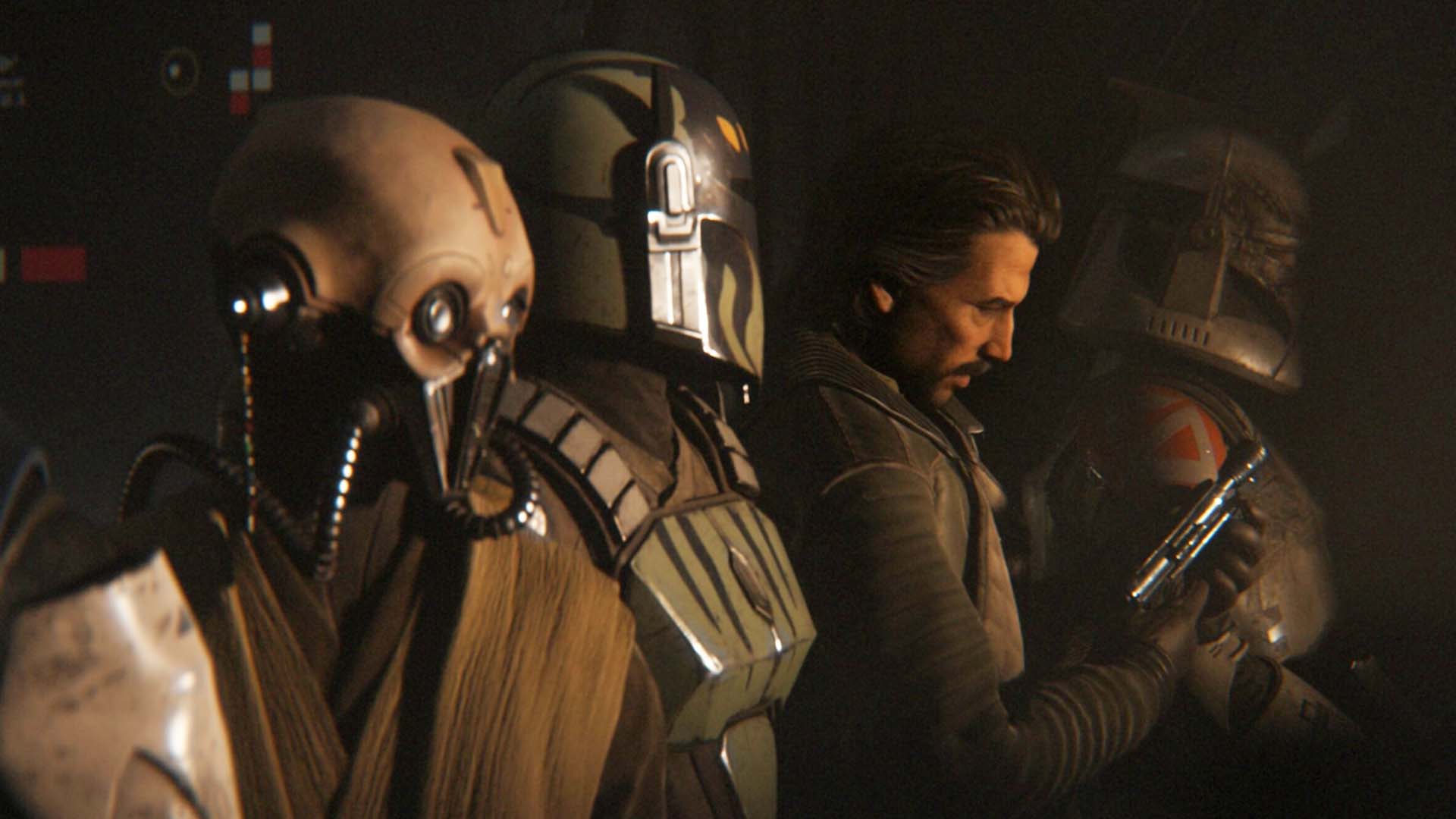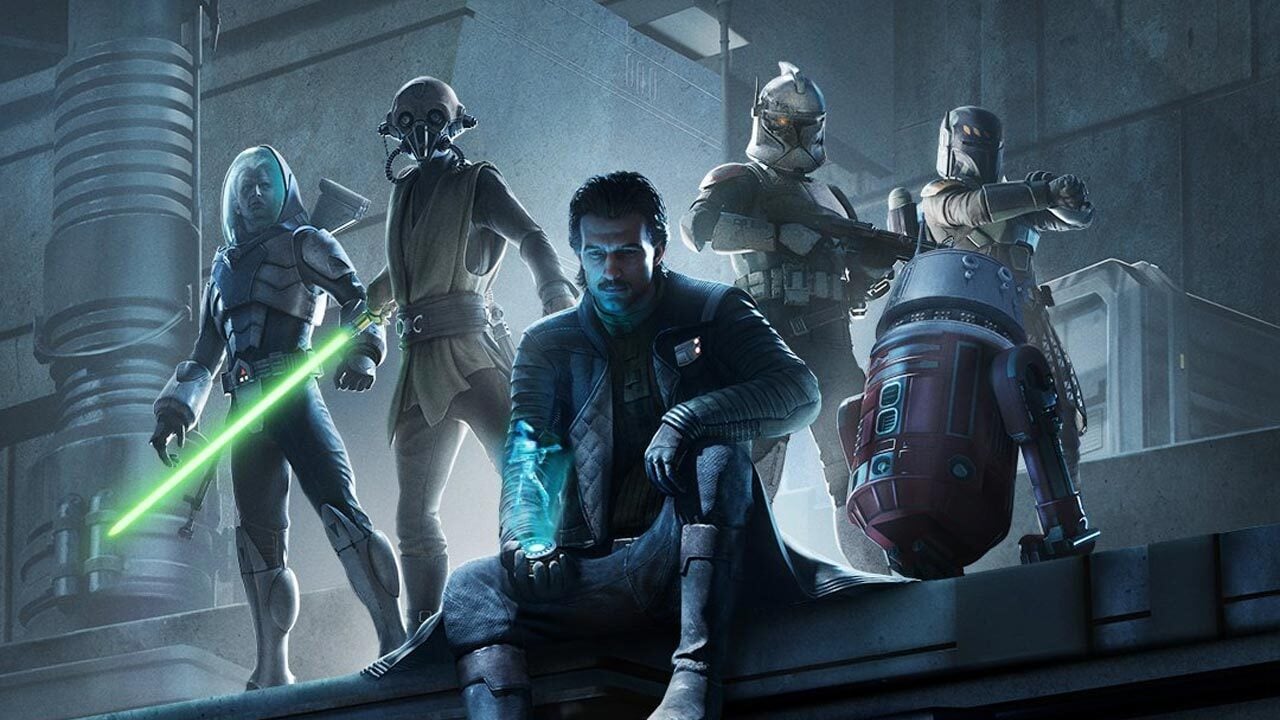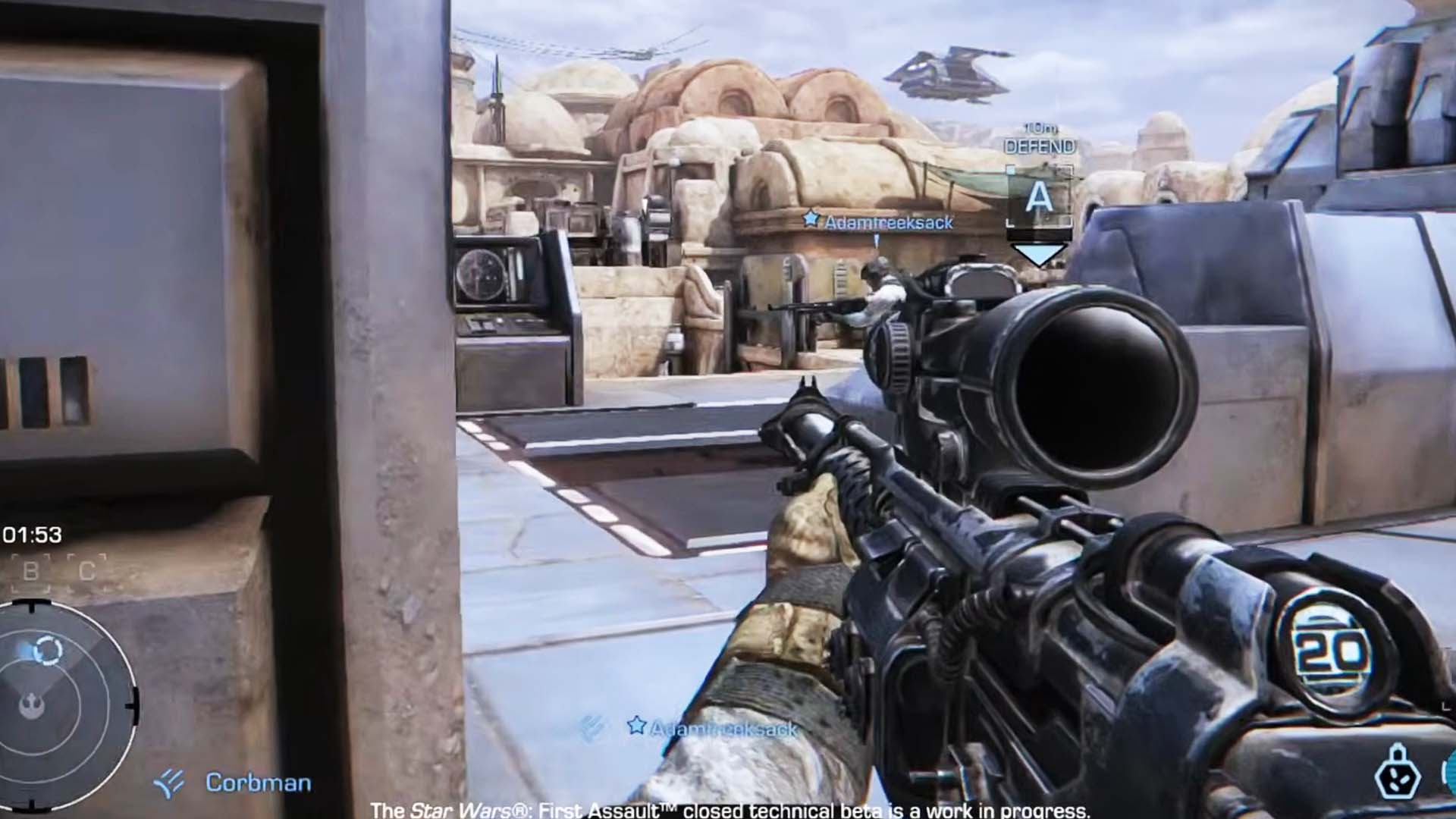
If you know how to use the Internet, you will have little trouble finding people who will tell you that Kinect Star Wars is a bad video game. These people are correct. The combination of one popular thing (Star Wars!) with another popular thing (the magical hands-free Xbox 360 Kinect sensor!) has resulted in one foul ice-cream-lobster sundae.
The only challenge for me is to figure out how to blast this game—fairly—in a new, informative, illustrative way.
I will now make my first attempt:
This game controlled better, that is, half-decently, only once I started playing it with a Wii controller in my hand.
Too weird?
OK. Let’s try again…
Kinect Star Wars is a collection of Star Wars-themed inter-activities that some would call games or others would call methods for teaching children to curse.
Let’s distinguish from the howls I can agree with and the ones I think are wrong. This much-hyped project is not the sacrilege that some old, original-trilogy-loving grumps complain that it is. The allegedly-mortifying Cloud City dancing mode actually is the best part of the game. And it’s fun! Those who can’t smile at the opportunity to dance along with a virtual Han Solo or Boba Fett to some pop songs that have been re-written with Star Wars-themed lyrics are too miserable to take seriously. Your childhood has been ruined? Please. If your childhood involved loving A New Hope, then you already loved some cheese.
https://lastchance.cc/we-dance-with-slave-leia-to-weird-lucas-approved-chris-5898525%3C/a%3E%3C/p%3E
WHY: Because you’ve got to do or do not, and all this is is a bad try.
Kinect Star Wars
Developer: Microsoft Game Studios, Terminal Reality, Good Science, Frontier Developments, Hyrdogen Whiskey, Panic Button Games (and more?)
Platforms: Xbox 360 (requires Kinect)
Released: April 3
Type of game: Gesture-controlled collection of Star Wars Jedi adventuring, Rancor-role-playing, Jabba-palace dancing, lightsaber dueling, and pod-racing.
What I played: Finished the campaign in three or four hours, danced through a dozen songs, did bits and pieces of other modes. Only had fun with the dancing.
Two Things I Liked
The promise of being able to hoist someone up with the Force by lifting my hand in front of my TV.
The execution of the goofball dancing mode, that lets you do “the trash compactor” or “the Jedi mind trick” while dancing along to Star Wars remixes of Christina Aguilera and other pop stars’ hits, with Han, Leia, Lando or even Boba Fett dancing along with you.
Two Things I Hated
The execution of that lift-bad-guy-with-the-Force things.
All the other Jedi Kinect controls, too.
Made-to-Order Back-of-Box Quotes
“They should have delayed this game longer.” -Stephen Totilo, Kotaku.com
“Does anyone remember Enter The Matrix?” -Stephen Totilo, Kotaku.com
I’m not, however, here to praise, Kinect Star Wars. I’m here to shake my head at it. I’m here to tell you that—this is important—the game’s main mode is a mess. The “Jedi Destiny” adventure mode, a tedious storyline mode that sends you through land and space battles across the Star Wars universe, exposes Kinect for being the latest bandwagon tech that could benefit from that old Yoda advice about either doing or not doing and not wasting our time with half-baked trying.
Are you old enough to remember when companies first started having websites and the people who promote how wonderful milk is decided to have a website? This is like that: mis-use of new technology that reeks of some executives believing this is a marvelous idea.
The Kinect is, simply, a terrible interface for this game that replaces the fantasy of being a Jedi with the frustration of a game that seldom functions the way you would want it to.
The Kinect’s failure, which I’ll have to explain one hand at a time, ruins the game’s main adventure mode, Jedi Destiny. This disastrous chronicle is a vaguely-interactive three or four-hour adventure that lets one or two Xbox Kinect players control one or two Jedi Padawans.
Sadly, at its most abstract, Jedi Destiny is not a joke. In some alternate universe made of better decisions and technology, it would have been cool. In the abstract, you’d control the Jedi by swinging one arm as if it held a lightsaber while stretching your other arm out to levitate a boulder and then swipe it toward a hopeless enemy Droid. This would be awesome.
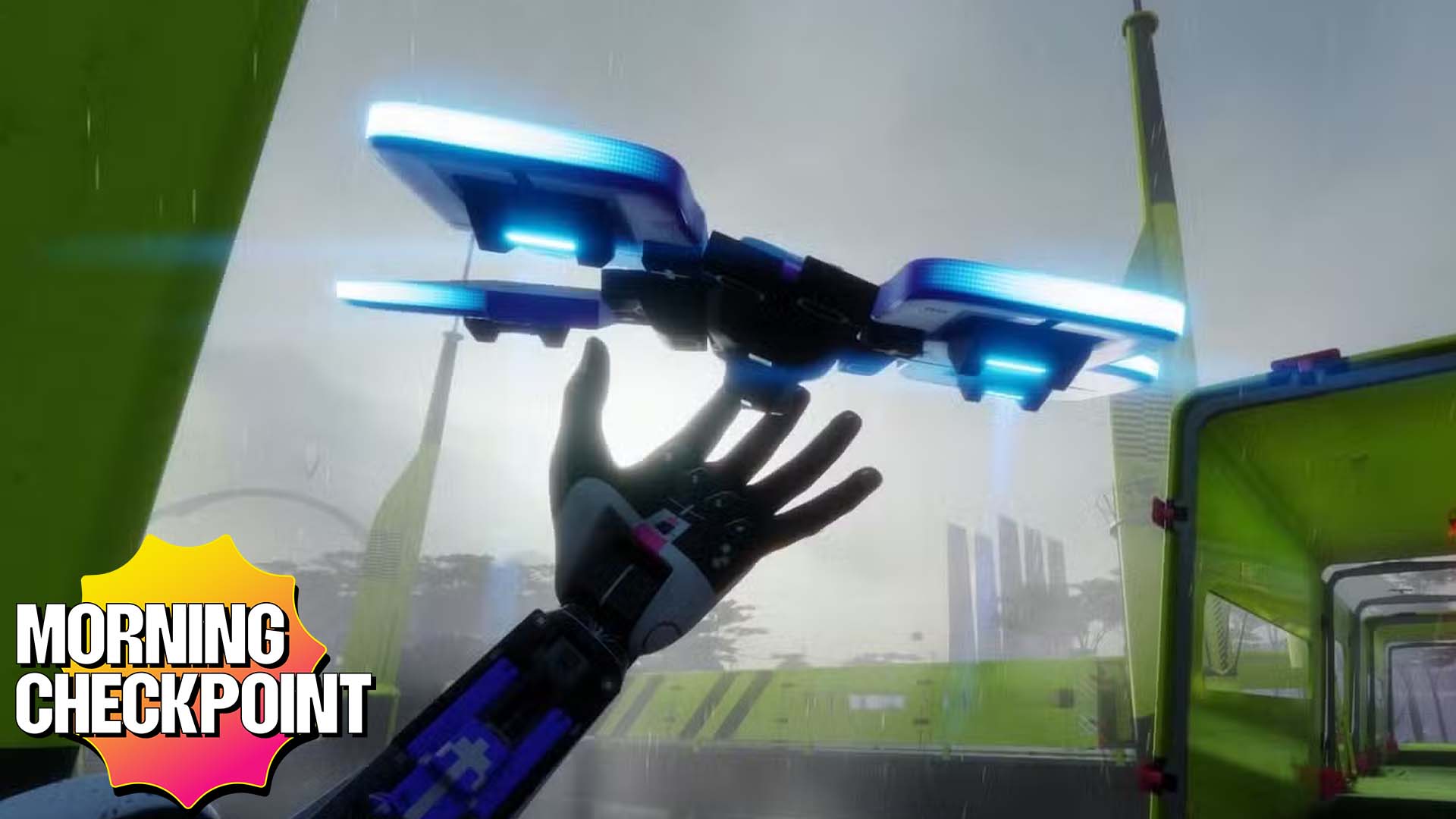
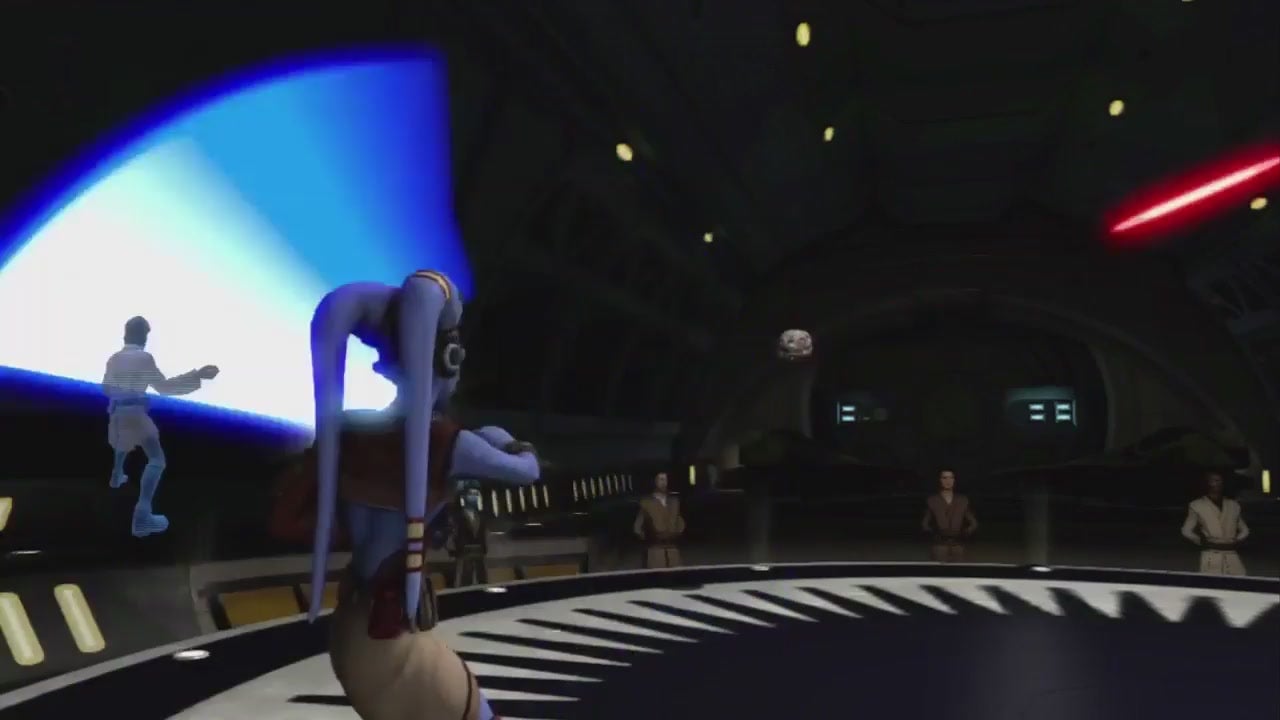
In concrete terms, your adventures in Jedi Destiny’s Dark Force Rising storyline seldom play out as you would want them to. You’re watching your Jedi run from one fight to another, giving you the chance to jump over some obstacles, sidestep some barriers and fight the same few enemies again and again. And it controls so badly. You may control your Jedi trainee’s lightsaber hand, but your gesture for success here is, more often than not, the kind of hand waving you’d use to defeat a mosquito or to badly lead an orchestra. Gripping a TV remote or a Wii controller in hand makes this feel a little better, otherwise you’ll feel as much like a lightsaber-wielding Jedi as a baseball player who strikes out feels like they’ve just hit a homerun. The problem is that the Kinect seems barely capable of recognizing arm movements as movements of a saber-wielding arm—and appears to have no clue at all that you’ve just turned your wrist to tilt your saber down or point it out.
What a cruel game this is. It shows you scenes of Jedis who slice robots with lightsabers while pirouetting through the air, tangling with two at a time while standing on their shoulders and stabbing through the droids with the force and grace that the crude Kinect controls prevent you from replicating. All you can do is the lightsaber equivalent of striking a match. No wonder they deem you a trainee.
The only hope for adventure mode would be the player’s other hand—the hand that wields The Force—because this hand needs only move in the slow motions that the Kinect can track so well (see: using Kinect to select Netflix movies to watch).
This hand is let down by this game as well, because the people who made Kinect Star Wars have no idea how to compensate for the Kinect’s lack of buttons. The Kinect is popular because it makes using an Xbox feel more magical, intimate and simple. Forget pressing buttons on the controller, Microsoft says. Just wave your hand at the thing. Talk to it. You’ll be good to go. (Except if you’re trying to be a Jedi!)
You’ll feel as much like a lightsaber-wielding Jedi as a baseball player who strikes out feels like they’ve just hit a homerun.
The Kinect Star Wars player will raise their non-saber hand (my right, though it could be your left) and they will extend their arm, getting into the spirit of things by pretending to focus. And they will ideally see a blue glow in the distance that means they have grabbed a distant boulder with the Force, but, no, they’ve grabbed the Force-proof soldier next to it. If this game was played by a controller there would be a button you could press to cancel your Force-grip or a button to transfer the Force grip from soldier to boulder (maybe a button for each of those!), but with the Kinect, what are you going to do? You’ve got one hand doing its Force-grab thing. You’ve got one hand wielding an imaginary lightsaber. You have to keep your feet free to kick or move forward. The only option appears to have been to either assign some hey-Xbox-please-move-my-Force-grab-to-focus-on-something-else input to a wiggle of your hips. Or make it voice-activated (“Force Switch!”). The developers did not do these things. Hey, that’s actually a positive. Maybe?
If anyone who helped make this game has reached this point of the review, they may have just bellowed: THIS GAME IS NOT FOR YOU.
I have no son or daughter, but perhaps this game is for the little ones. I can imagine my nephew waving his arms gleefully as he chops his saber hand through droid after droid. I can imagine him jumping up and down to flip over bad guys and strike them from behind. I can imagine him not minding that the only way to walk from enemy to enemy in adventure mode is to step one foot forward and then lunge, because apparently the universal gesture for daring someone to punch you on the chin is the ideal trigger for telling the Jedi Order’s next Obi-Wan Kenobi to go from one side of a room to the other.
My nephew might be amused by all of this. I was amused by bad games when I was a child, too. I was amused by games that didn’t respond to my inputs, that wasted my time by repeatedly throwing the same enemies at me, enemies who required the same boring patterns of movement to defeat in a level structure that was plain and devoid of the ability to surprise as most good video games—interactive jungle gyms that they are—do. When I got older, I learned to separate the bad Nintendo Entertainment System games from Super Mario Bros. This game ain’t Super Mario Bros., and if my nephew likes it, I’ll bet he does because all it needs to be to make him smile is a single five-minute program that lets him wave his hand in front of his television to make a virtual Jedi move his lightsaber. The rest of the adventure is justification for charging $50 for this thing.
At its best moments, Kinect Star Wars starts to work and you can feel the promise of a game that lets you swat one fool enemy with one hand while hoisting the other with your Force hand and then hurling him into a wall. This works rarely, though. Even when it does, it happens during what feels like fan fiction.
Oh, there’s no great Star Wars adventure here to distract you from bad controls. No, there is a pastiche of references mostly to the original trilogy by a team of game creators who really should have just been put on a Kinect version of those films’ best scenes (look, maybe it wouldn’t have been nephew-appropriate, but some of us would have written positive reviews if all Kinect Star Wars was was the interactive version of the New Hope Darth Vader conference table force-choke scene followed by the Empire Strikes Back‘s Luke-needs-to-grab-his-lightsaber-before-that-snow-monster-gets-him scene, etc. etc. How sad is it that Microsoft themselves made a commercial that depicts this exact fantasy instead of what’s actually in the game?)
Here is an adventure mode that, in four hours, squeezes in homages to the original movie’s Death Star escape, the Phantom Menace’s final space battle, drops some “Red 5 standing by” fan-service lines, milks Yoda’s reverse-talking gimmick dry, does its own version of Return of the Jedi‘s Sarlaac Pit scene, works in some Darth Maul twin bad guys, goes to the speeder bike well multiple times and ends—you won’t mind if I tell you—with its version of A New Hope‘s medal ceremony. They even have Chewbacca grunt at the end. Maybe this is all a sign of rebellion from creators who wanted to make their Star Wars game something other than what it was.
The Jedi Destiny mode is, like the aforementioned official website for milk, something to avoid. The dancing mode, however, is a goofy joy, though it feels tossed-off. It allows you to only queue up one pop-remix at a time while matching your living room dance moves to those done by the Star Wars cast in Jabba’s palace, in Cloud City or elsewhere. The dance mode is essentially a simplified Dance Central and would be a pleasant addition to that game.
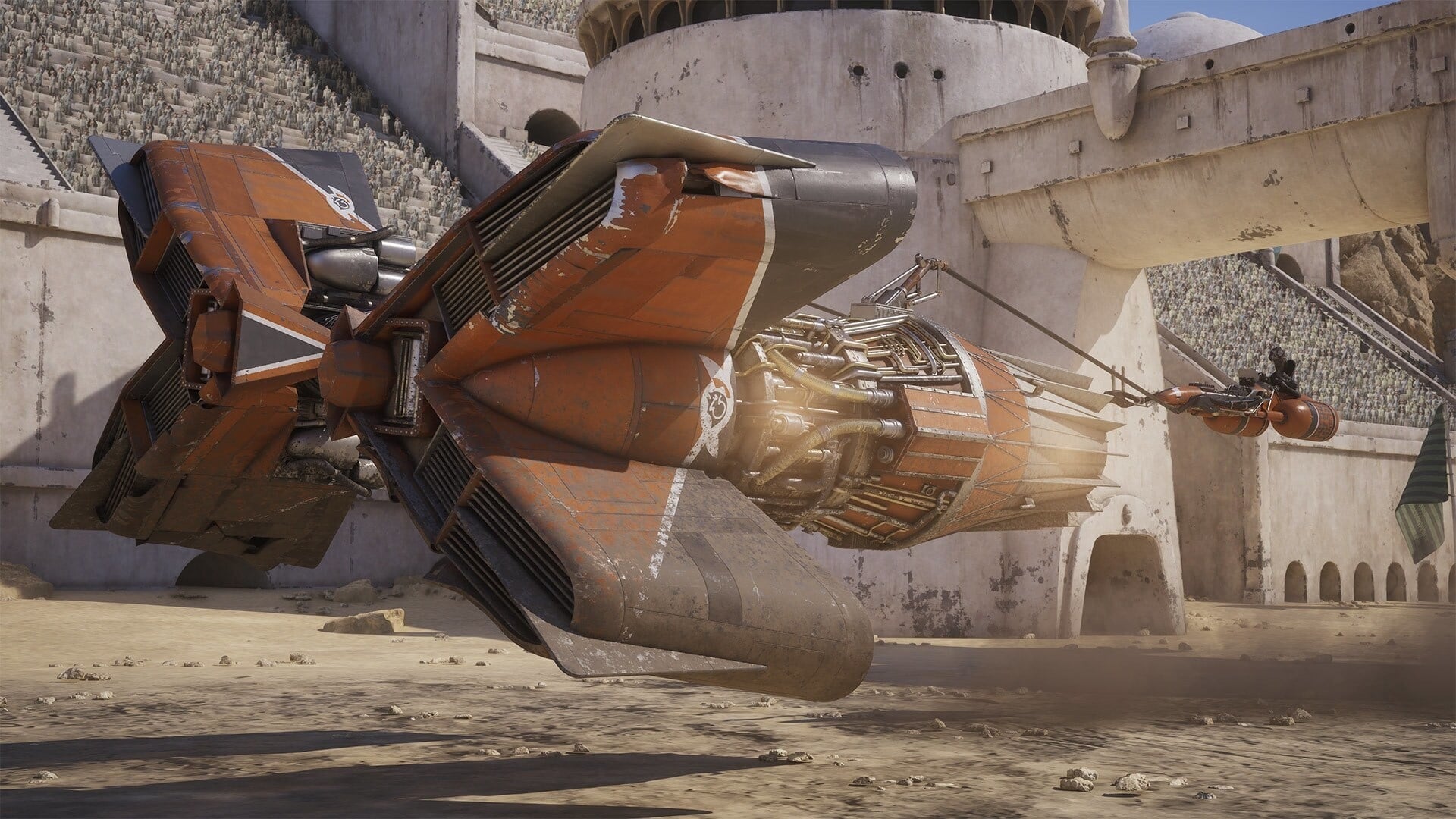
Kinect Star Wars also includes a gesture-controlled pod-racing mode, a throwback to the hovercraft racing in The Phantom Menace. It controls so loosely that you’ll wish you had a control stick in your hand like, you know, real pod-racers have.
There’s a dueling mode, pitting one or two players against one or two enemies, from lowly Imperials to Darth Vader. You’ll do some strategic blocking (hold your hand up, down, left or right), then whack away at the bad guy. If you’re good you’ll parry some and unlock better battles the faster you go. It’s… decent.
This game plays badly, except when it’s just asking you to dance. In other words, it’s only good when it is asking you to laugh with it,
Bonus: you get to be a Rancor. Yes, you get a mode that lets you be the beast the lived below Jabba the Hutt’s palace. You are set loose on various towns in the Star Wars galaxy and empowered with the ability to pick up people and eat them, pick up droids and toss them, jump up and smash the ground and even rampage through town knocking down buildings. It’s fun once. Then you discover that it’s essential to get this Rancor to walk forward and that one of the only inputs you’ve got to do that mandates that you crouch and then paddle you hands as if trying to not drown.
It’s cliche to roll one’s eyes at new Star Wars products and to see them as that: as the droppings of an assembly line. There actually was a wonderful idea here. Anyone who has ever liked Star Wars would have been delighted with a game that let us feel like we were actually using The Force, that let us air-Jedi our way through a battalion of Separatist droids or bounty hunters.
What we get here seldom works well and is barely a pleasure. This game plays badly, except when it’s just asking you to dance. In other words, it’s only good when it is asking you to laugh with it. Otherwise, it’s just a bad joke and a very bad video game.
I leave you with this. On the left, the signature spaceship your heroes fly in Kinect Star Wars. On the right, the Outrider, signature spaceship of Shadows of the Empire, a miserable Nintendo 64 Star Wars that is suddenly less lonely in the category of bad Star Wars side-stories we could have lived happily without.
We Dance With Slave Leia To Weird, Lucas-Approved Christina Aguilera Star Wars Remix
We’ve had a copy of Star Wars: Kinect in our New York office for a few days now. Which means, aside from Stephen’s upcoming review, people have been dancing their asses off to pop songs.
Pop songs that have been re-worked to include lyrics from the Star Wars universe. More »