Shaun Inman loves his pixels, the little bits of color that combine to make up video games.
“Good pixel art strikes the perfect balance between appreciable craftsmanship and the gestalt,” Inman writes on his site, devoted to his game creations. “A single pixel out of place, one too few or too many, ruins the illusion. There’s an unmuddied, economy of expression, the thankless result of the limitations of cartridge-based consoles.”
If play and video games are essentially a product of learning then, Inman writes, a game’s graphics are the teachers.
So in creating his games, Inman replies on the deliberately unsmooth, pixelated aesthetic of retro game graphics to deliver the goods.
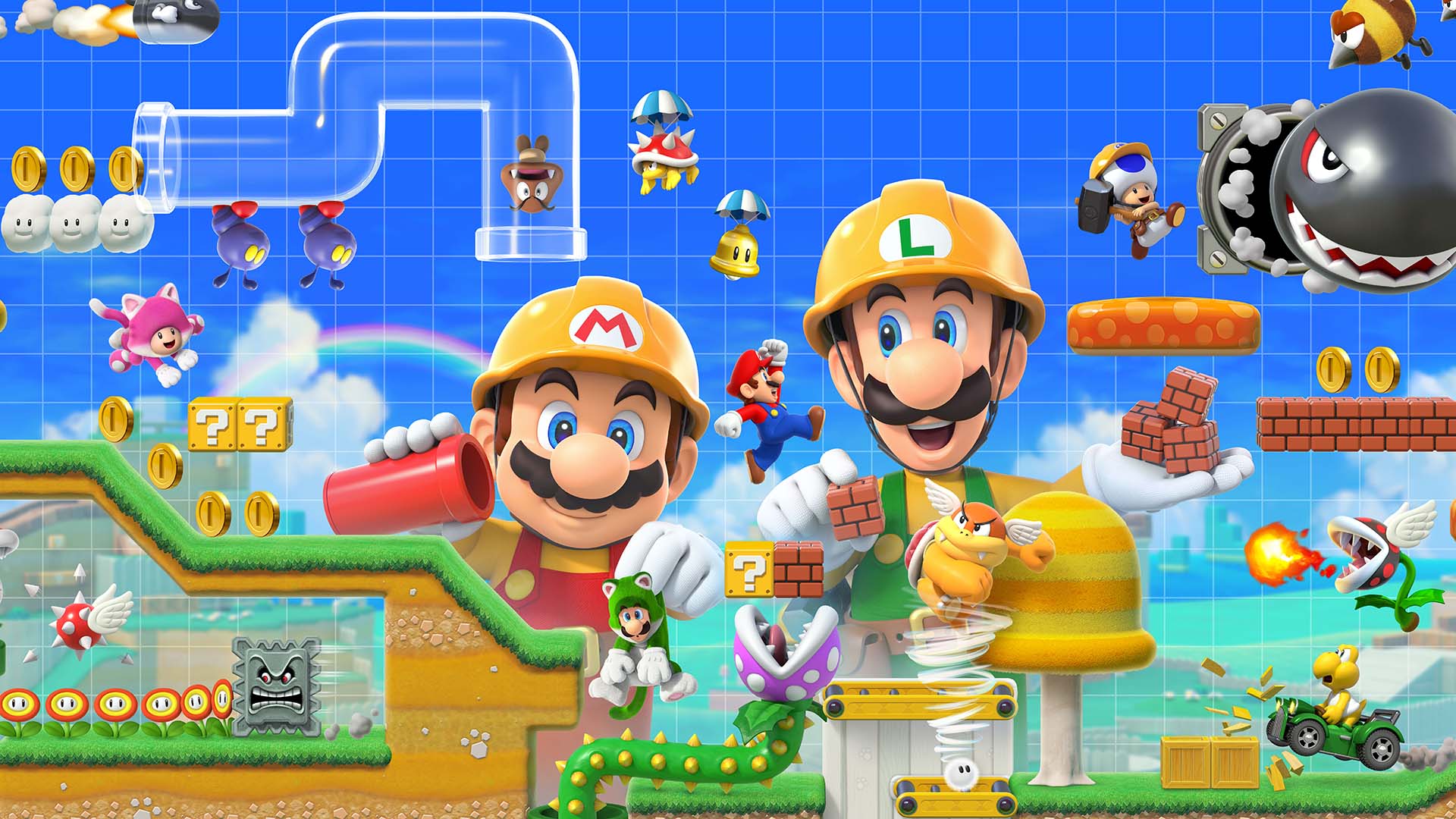
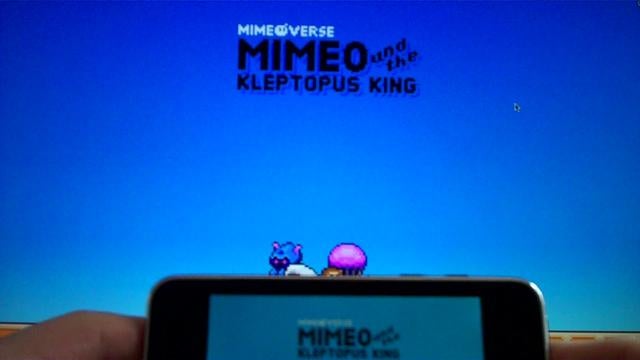
In this case, the goods are called Mimeo and the Kleptopus King, an iPhone title that started out as a Super Mario Bros. clone.
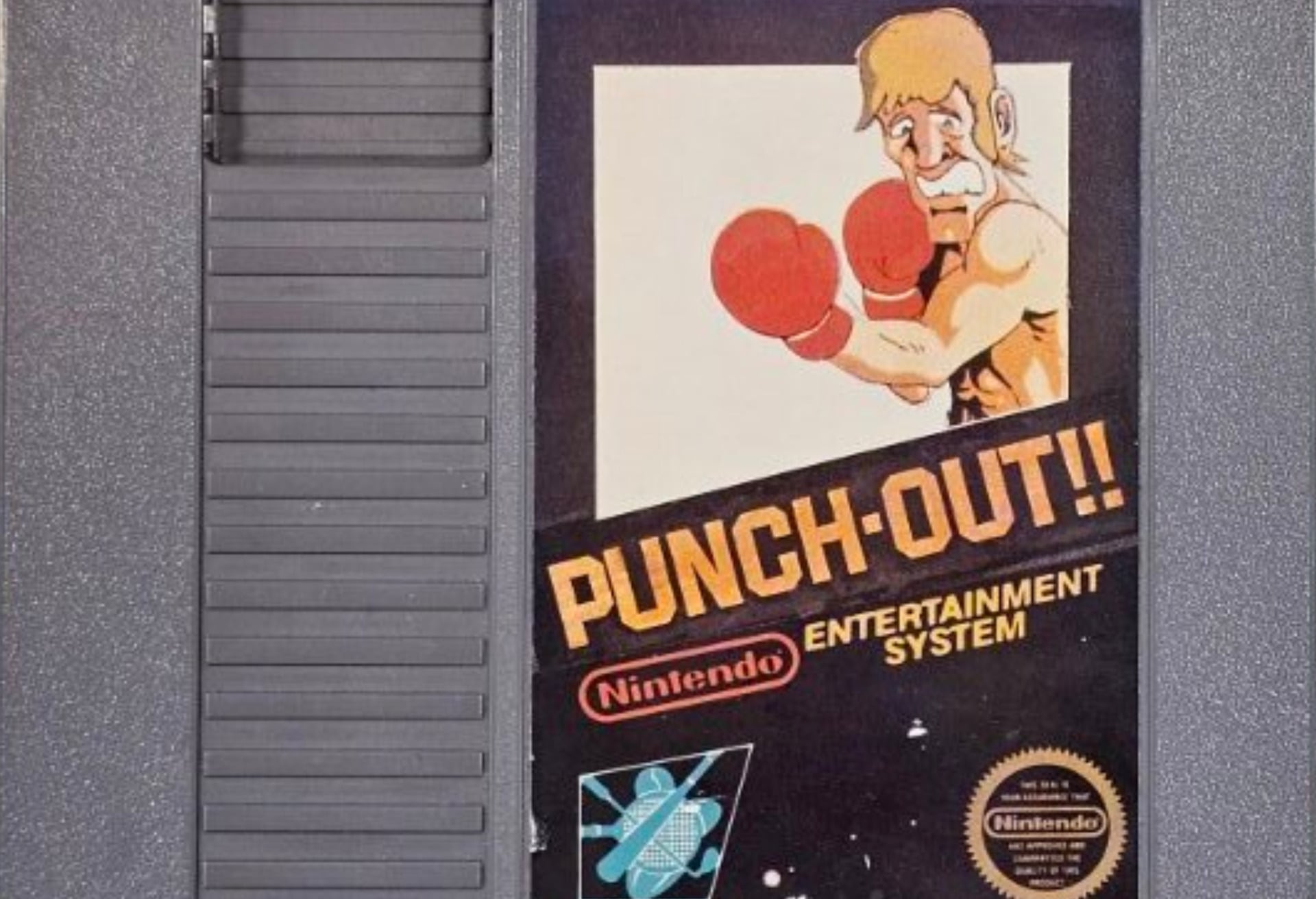
In the game, players control Mimeo, a character sucked into a “down-sampled 2-bit” world. That means tiny, clunky black and white graphics. As players maneuver through the world’s dangers by jumping over and onto enemies, they can discover game carts. Finding a game cart upgrades Mimeo’s abilities, and more interestingly, his graphics. Cart collecting can move Mimeo from 2-bit to a green-toned 4-bit, to the multi-colored world of 8-bit to the final 16-bit upgrade.
This move through graphics, mimicking the shift in capabilities of Nintendo’s gaming systems of the 80s, is mirrored by the game’s music, also created by Inman. What starts out as 2-bit bass moves to 4-bit hi-hat to 8-bit melody and finally turns to a 16-bit counter melody.
It’s an ambitious title for any platform, one that Inman writes that he hopes will be wrapped up by the end of this year.