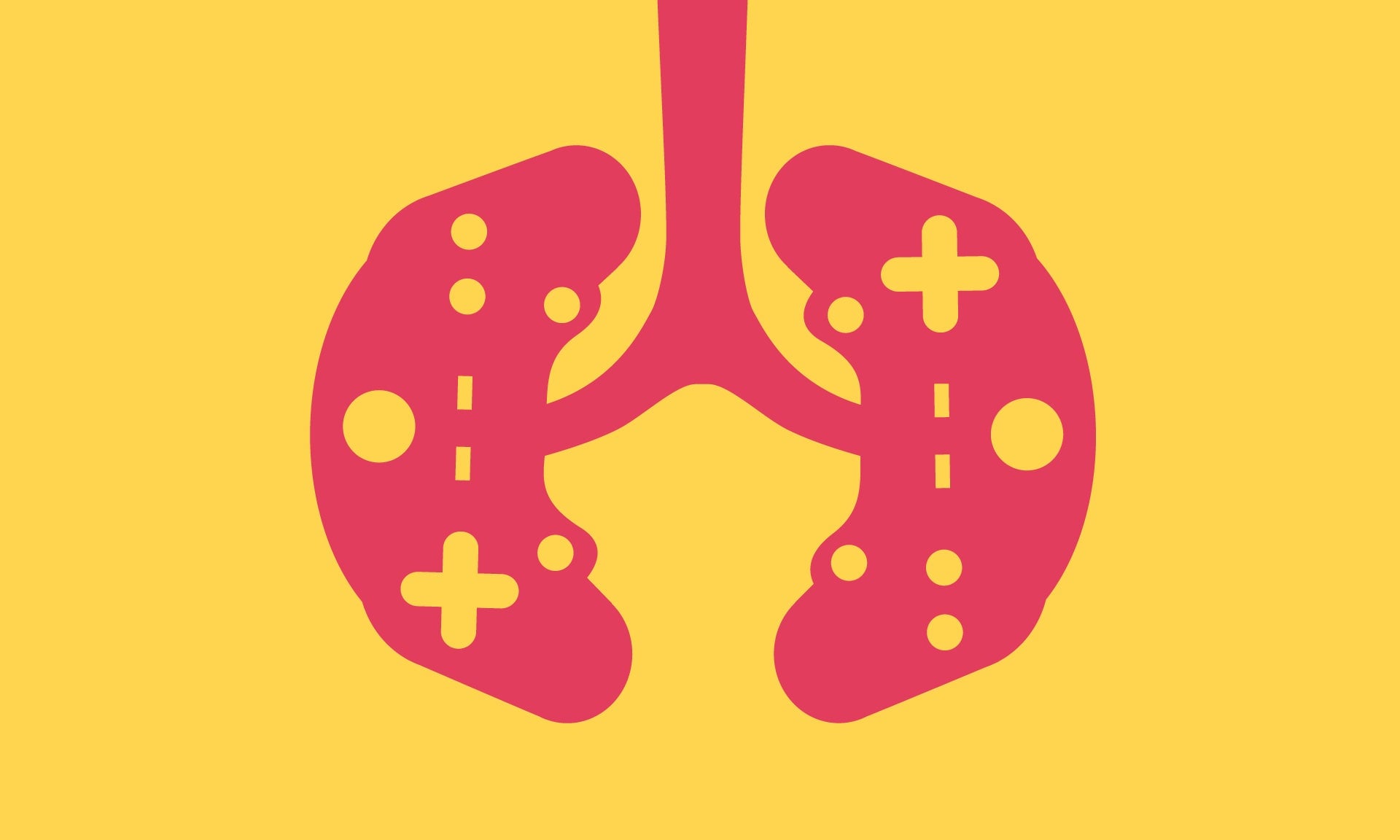
Over the last seven years, at least six high-profile esports players have been struck with a debilitating and serious medical condition called spontaneous pneumothorax—a collapsed lung. Some had to withdraw from matches. A couple kept playing, even though it probably wasn’t a great idea. Why is this, of all injuries, common in esports?
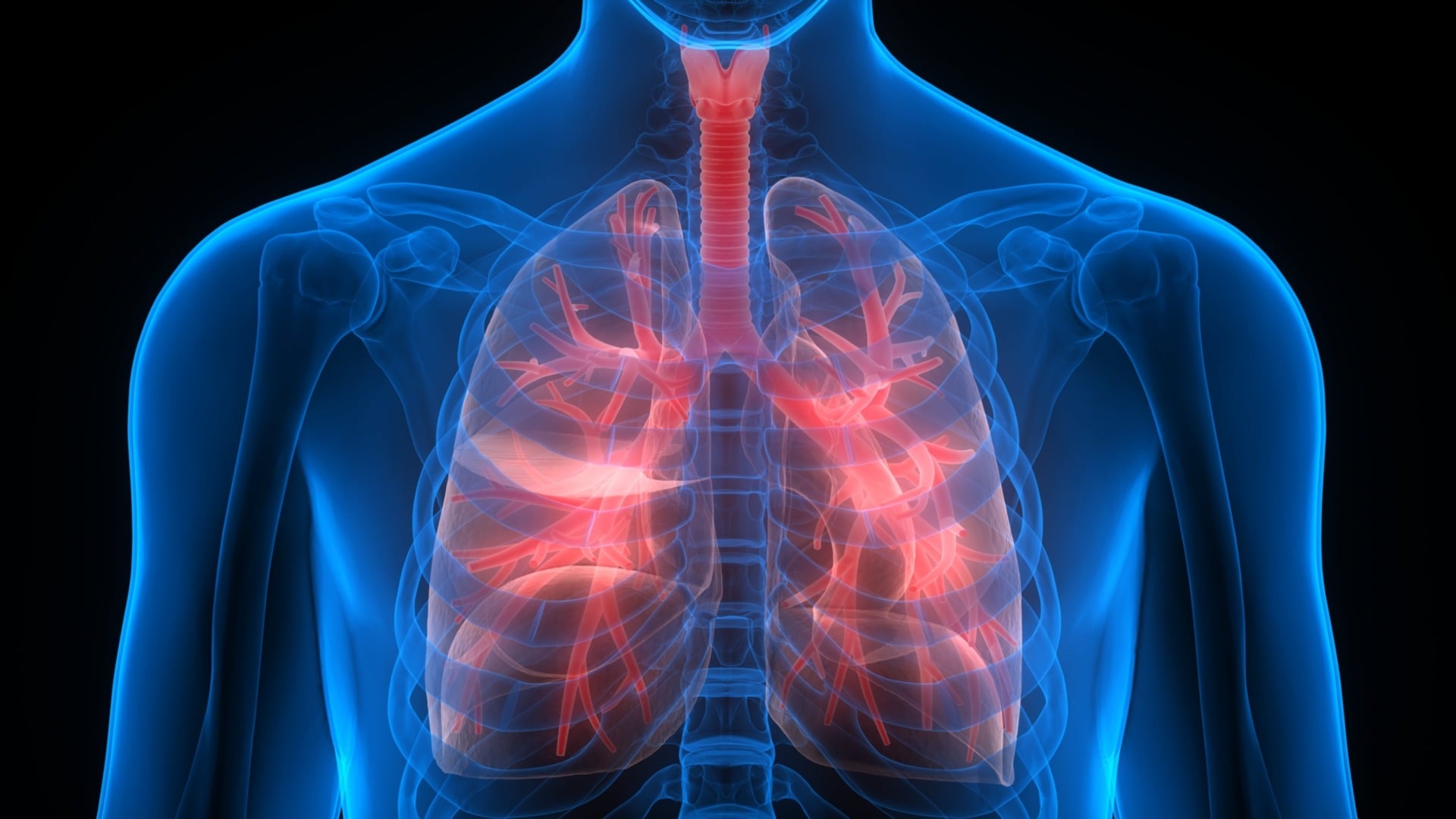
Aspontaneous pneumothorax,in layman’s terms, is a collapsed lung that occurs suddenly, rather than as the result of specific physical trauma. It’s a severe injury that can be life-threatening if not treated promptly, though it varies in severity, and sometimes people recover on their own.
Initially, those suffering from a collapsed lung typically feel sharp pain in their chest or shoulder regions, as well as extreme shortness of breath. This occurs because air has escaped from inside the lung and filled the space around it, putting pressure on the lung and preventing it from expanding as it should. If it’s particularly severe, it requires immediate medical attention.
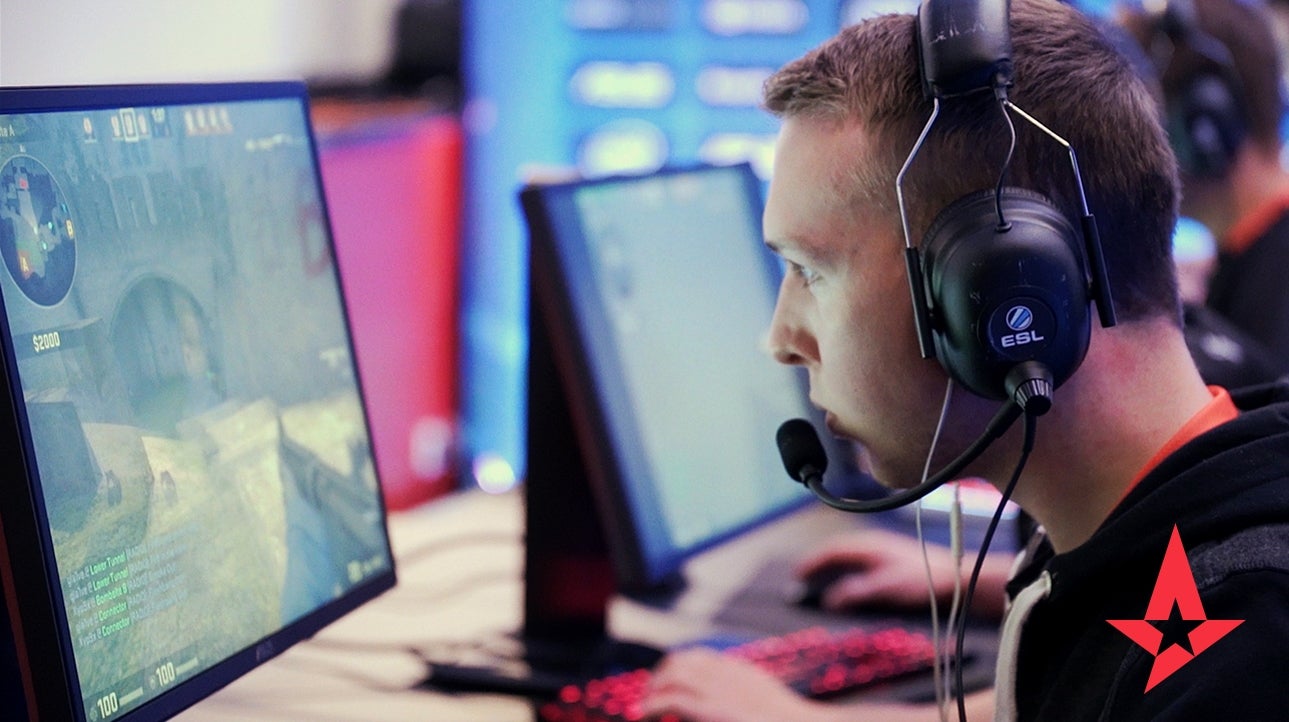
In March, LuxuryWatch Blue Overwatch player Song “Janus” Jun-hwa was rushed to the hospital with a collapsed lung, and had to miss his team’s last match in season two of OGN’s big APEX tournament. Ultimately, he recovered and went on to play in season three. The incident was alarming—and yet not the most harrowing example.
In February of last year, Lukas “gla1ve” Rossander, then-leader of the Copenhagen Wolves’ CSGO team, was playing at the Assembly Winter tournament in Finland when he realized he had a collapsed lung. He realized this because it was his third time experiencing the ailment. Astonishingly, he didn’t quit playing. “I decided to play the game with a lot of pain as I did not wanted to let my team down,” he wrote on Facebook at the time. “It was probably my worst LAN game ever with 10 frags in total on 2 maps.”
Rossander was taken to a hospital in Finland shortly after the match, then returned home to Denmark—though not on a plane, because he couldn’t fly in his condition—where he received surgery to correct the condition.
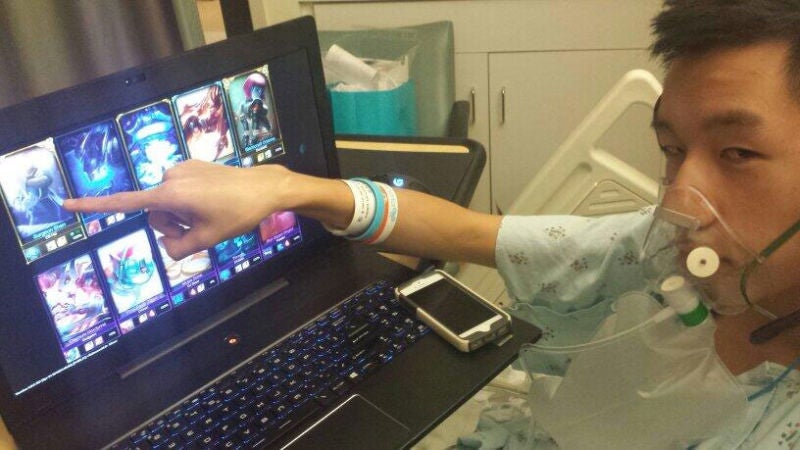
Perhaps most notoriously, pro League of Legends player Hai Du Lam had to drop out of a big tournament in Paris due to a collapsed lung in 2014. He ended up in the hospital. Instead of idling away his bedridden time, he went right back to doing what he did best: playing League of Legends. While wired up to a breathing machine. He even streamed for four straight hours from the hospital, because the road to recovery apparently has three lanes. However, when he returned to the team he was on at the time, Cloud 9, he wasn’t the same; he was seemingly tired and out-of-sync with his team. Eventually, he left the active roster, citing injuries, and focused on other Cloud 9-related pursuits. However, he later returned to guide his team through a now-revered “Cinderella” comeback run to qualify for the LCS World Championship. These days, he plays for a re-branded Cloud 9 challenger team owned by the co-owner of the Milwaukee Bucks.
Those are just three high-profile examples. There are more. In 2015, Pain Gaming League of Legends player Matheus “Mylon” Borges had to be hospitalized on his 19th birthday. In 2011, former StarCraft II pro Kim “sC” Seung Chul suffered a collapsed lung, and a few months later, a relapse.
Is it all one crazy coincidence? Or is something else going on here?
The Doctor Is Out
I reached out to three medical professionals in hopes of finding out whether there was, however improbable it might sound, a connection between esports and collapsed lungs.
Matthew Hwu, head of physical performance and esports medicine for popular organization Counter Logic Gaming, said there could be a correlation. He noted that collapsed lungs occur most commonly in skinny young men with poor posture and sedentary lifestyle habits, which does sound an awful lot like some pro players. Hwu added, however, that he’s still skeptical, noting that the idea of full-blown causation strikes him as “a stretch.”
“Maybe some of the players were smokers or those who had asthma and had generally poor management of their nutrition/health,” he said in an email, “which is an increased risk factor for primary spontaneous pneumothorax—but does not have much evidence to fully support it.”
Caitlin McGee, a physical therapy specialist who travels to esports tournaments and helps teams deal with the physical ramifications of pro gaming for a living, added that posture, smoking, and asthma aren’t the only things that might cause players to develop breathing issues, which can potentially contribute to spontaneous lung collapse. Another way that players can compromise their breathing, she said, is “with bad breathing habits, for lack of a better phrase.”
“There’s a natural human tendency to hold your breath when under exertion, or to breathe shallowly,” McGee said. “That also compromises the effectiveness of your lungs and reduces the expansion of lung tissue.”
To avoid all of this, Hwu suggested that players should practice good posture, exercise regularly, and maintain good nutrition, and that teams should make sure practice and scrim schedules aren’t too rigorous.
Alan Bunney, an MD and CEO of esports organization Panda Global, said that he can’t think of many “sudden” issues that plague esports pros, given that the scene is mostly made up of young men. He added that “a spontaneous pneumothorax, likely via a bleb rupture, is one of the few I can think of.” (A bleb is a “a small collection of air between the lung and the outer surface of the lung” that can rupture and cause a collapse.)
Without hard data, though, Bunney was hesitant to draw a correlation. He noted, however, that even healthier habits can only help so much. “Don’t smoke,” he says. “Eat a healthy diet.” But other than that, there’s not much you can do: “Exercise doesn’t prevent (or cause) them from happening… Travel has never been documented to cause blebs to burst, either. Most of the time a spontaneous pneumothorax happens at rest, so it’s not a particular movement, either.”
Collapsed lungs happen, and it’s possible that the extended periods of poor posture, bad breathing, and otherwise strained lifestyles might be causing them. All three doctors agreed that after a certain point, all players can really do is stay vigilant. It falls on teams and organizations, then, to ensure that if more of these incidents occur in the future, proper treatment won’t be far away.