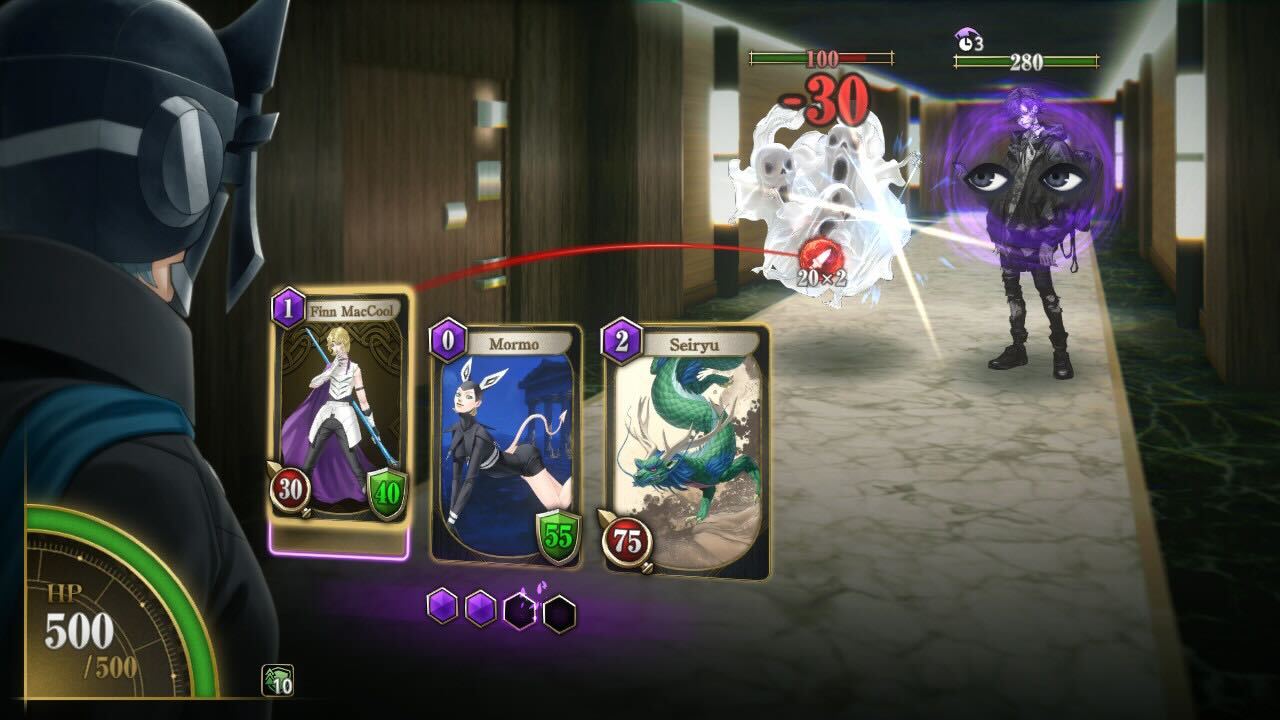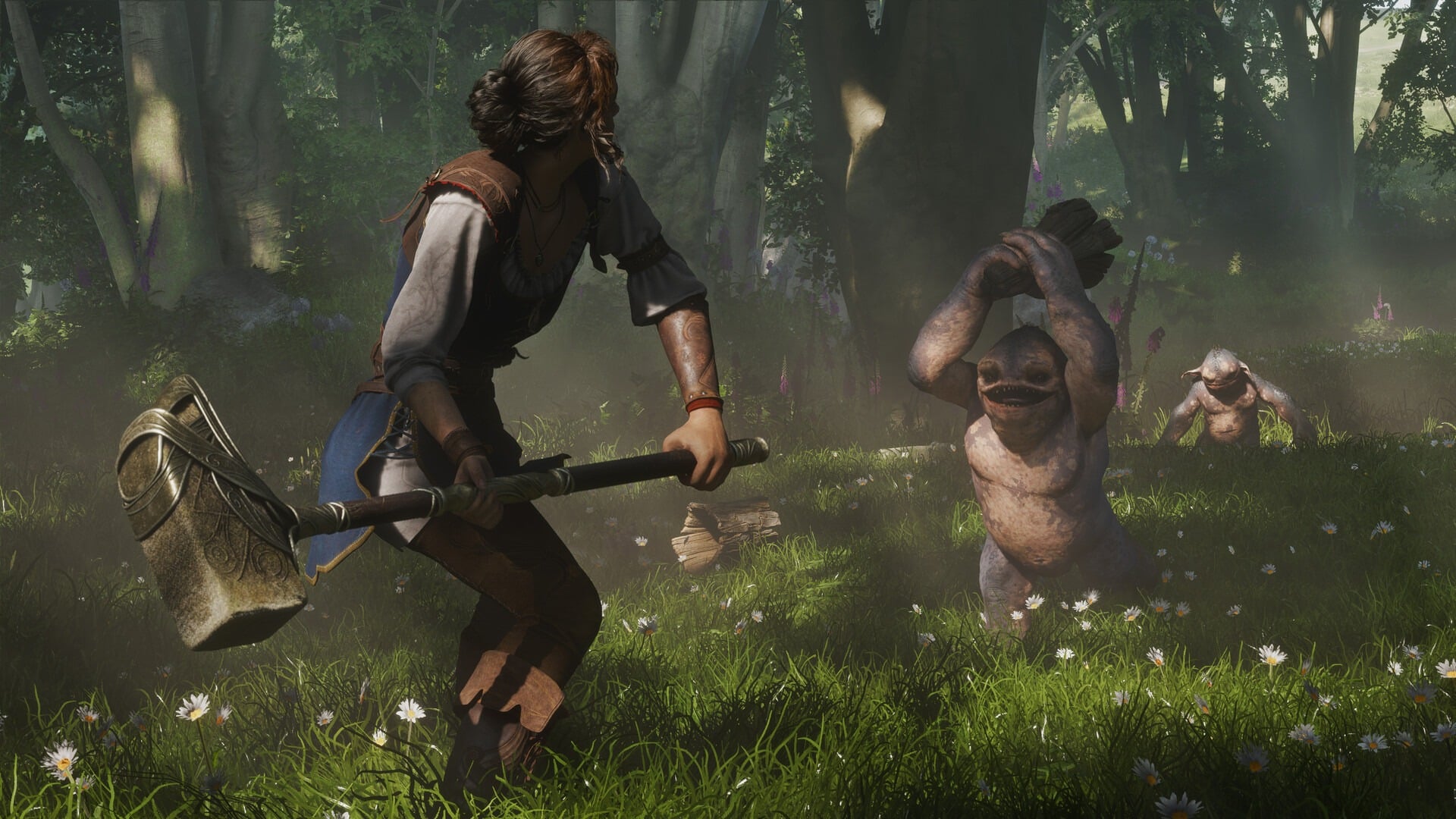
Over the years, Persona, Atlus’ high school social sim RPG series, has captured my heart as the quintessential “power of friendship” games. The games have meaningful things to say about human connection as they follow high schoolers trying to save the world and still study for their final exams. But even when the series has touted progressive ideals like accepting your true self and taking down corrupt systems, it’s always found a way to attack people it should be advocating for. I was concerned that Metaphor: ReFantazio, the new fantasy RPG about a high-stakes election, would fall into the same trap. I’m happy to report that it doesn’t, and actually goes out of its way to subvert the tropes its predecessors fed into.
Mild non-story spoilers for Metaphor: ReFantazio follow.
The Persona series has a history of carving out time to belittle queer people and women, even when it spends large swaths of its runtime advocating against the systems that keep those people down. Persona 5 infamously portrayed gay men as predators while it spent most of the game advocating for those who are under the heels of those in power. It also had a teenage girl suffer sexual abuse at the hands of her teacher, only for the game to repeatedly have men ogle her throughout the remaining 100-hour runtime. Persona 3 had a needless trans panic scene. Persona 4 starts to get into meaningful discussions of gender roles before devolving into homophobic jokes and gender absolutism. Catherine, a puzzle/dating sim detour, has its own messy trans storyline that the team tried to interrogate in the Full Body re-release, yet managed to step on several rakes along the way
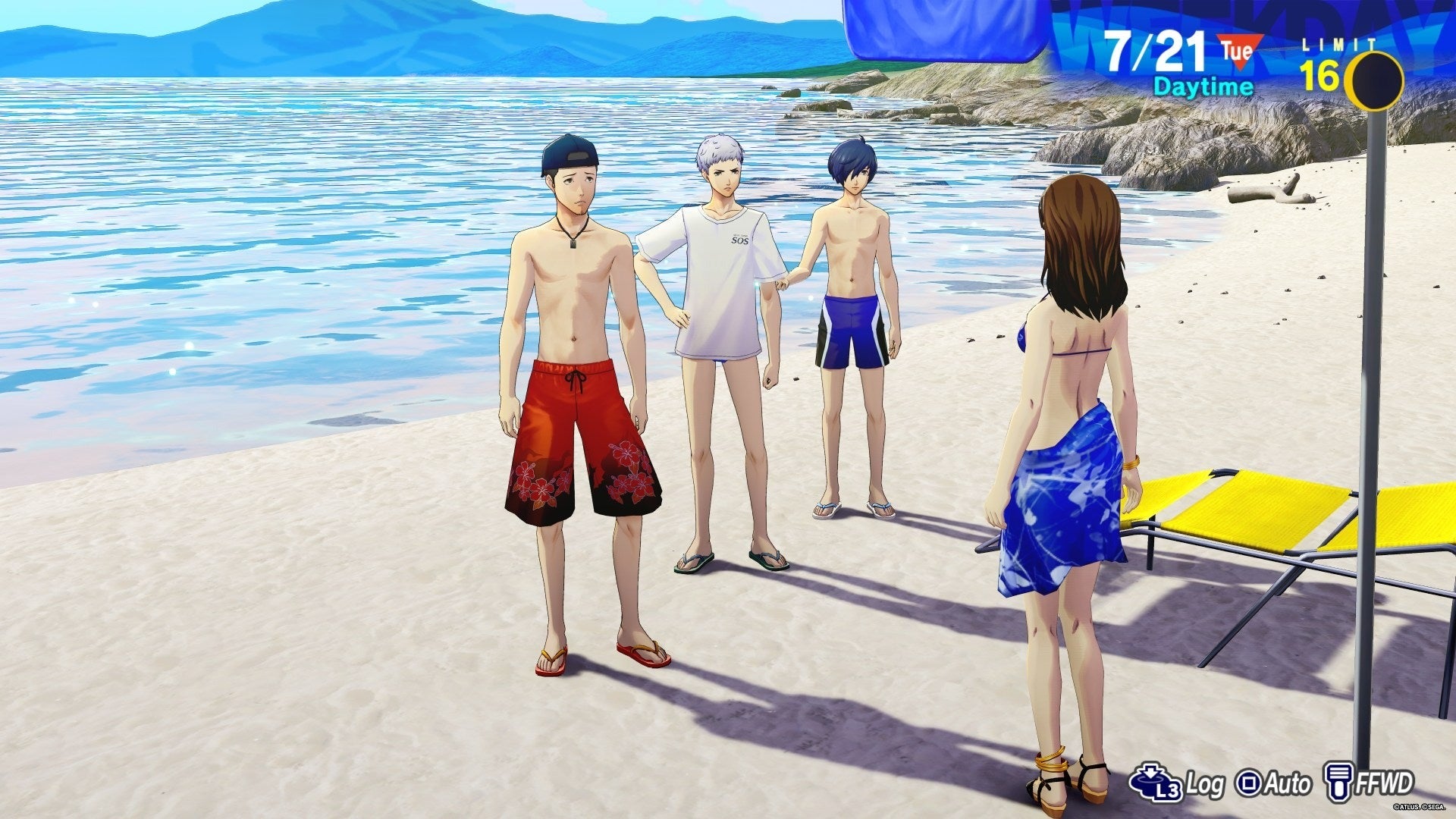
In recent years, Persona has started to make up for these problems in games like Persona 5 Tactica and Persona 3 Reload. Tactica allows the player to express romantic interest in men without it becoming a joke. Reload completely retools the trans-panic scene to omit the part where three high school kids run away scared from a woman with stubble, and makes some relationships explicitly queer. While it was still working in the confines of the original story, and thus doesn’t actually give gay romance options, it at least left me feeling like Atlus might be kinder to queer people in Persona 6. That game has yet to materialize, but Metaphor: ReFantazio is here and, at the very least, it doesn’t engage in the same derailing queerphobia.
That being said, Metaphor is a fairly sexless game, and there’s not much romance to speak of. There’s a heavily implied romance at the end of one of its Follower stories, but even that can be played off as one-sided if you choose. So the game isn’t making strides in how Atlus represents queer people in its world, it’s just not taking weird left turns to hurt them. On the other hand, that pivot away from romance in its social sim elements means the women you befriend in the RPG don’t get dragged into the same dehumanizing leering and reductive friendship routes Persona has become known for. In fact, Metaphor goes out of its way to subvert that expectation early on.
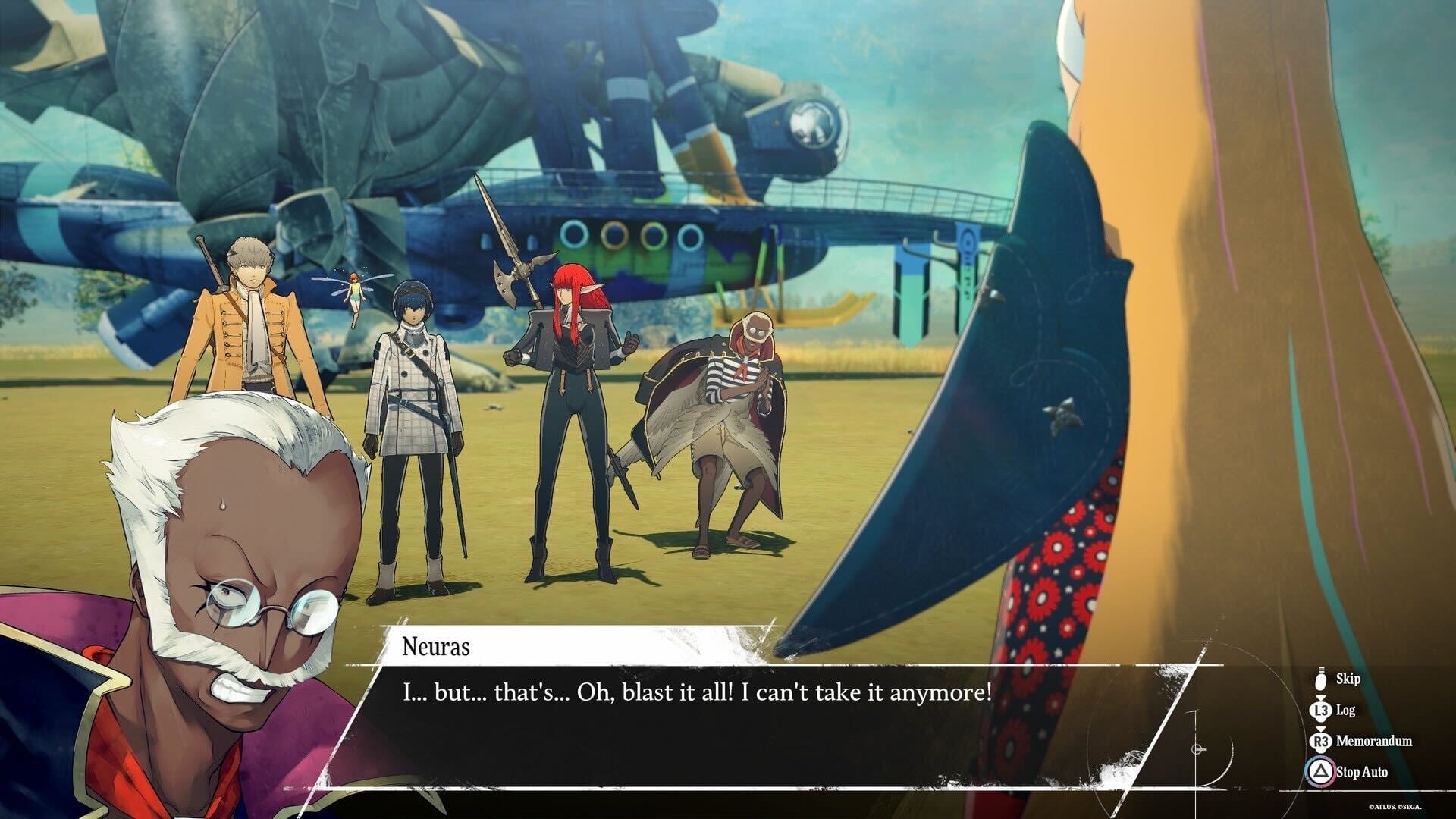
The scene that best captured this was in the game’s early hours when Neuras, the party’s pilot, is shown getting noticeably excited in the background when the group meets a famous vocalist named Junah. She’s clearly beloved by everyone in the world of Euchronia, and given that fans can’t give celebrities personal space, I was bracing for the older man to be a creep toward her. However, I immediately unclenched when instead of running to her, Neuras ran to her ship to nerd out about how advanced it was compared to the average model. To my surprise and delight, it was Hulkenberg, the game’s mostly stoic knight who (respectfully) fangirled about Junah instead. The scene was clearly playing on expectations that it would fall into the same skeevy tropes games like Persona has, only to come out the other side endearing me to two characters I’d already grown attached to.
Overall, Metaphor feels like a more sophisticated and mature take on the themes Atlus has delved into with Persona without the asterisks I typically have to put on the end of a recommendation. Omitting those storylines isn’t as forward-thinking as thoughtfully including them, but I am glad to see Atlus learning lessons from years of this shit plaguing otherwise great games.