Wii U
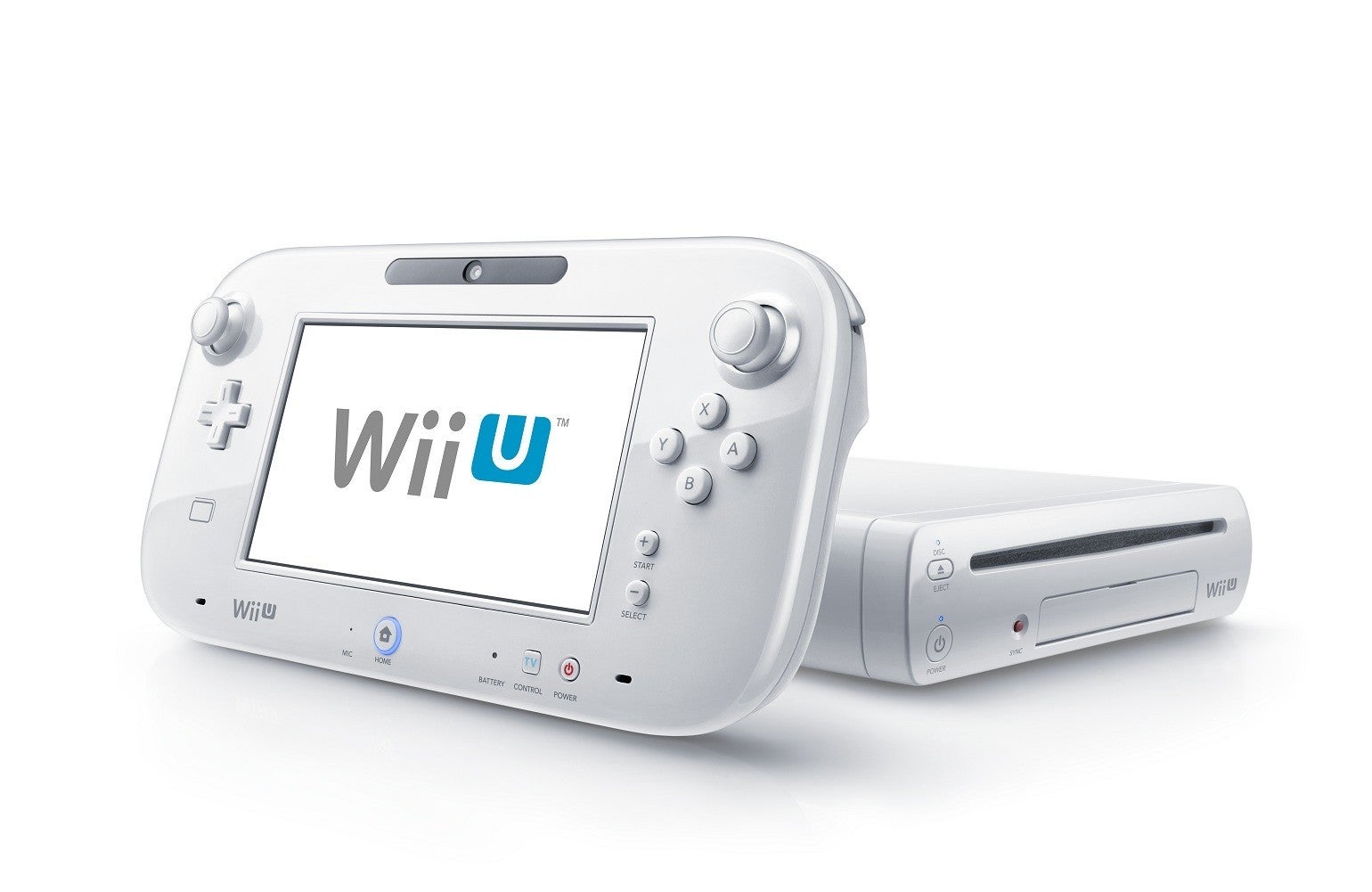
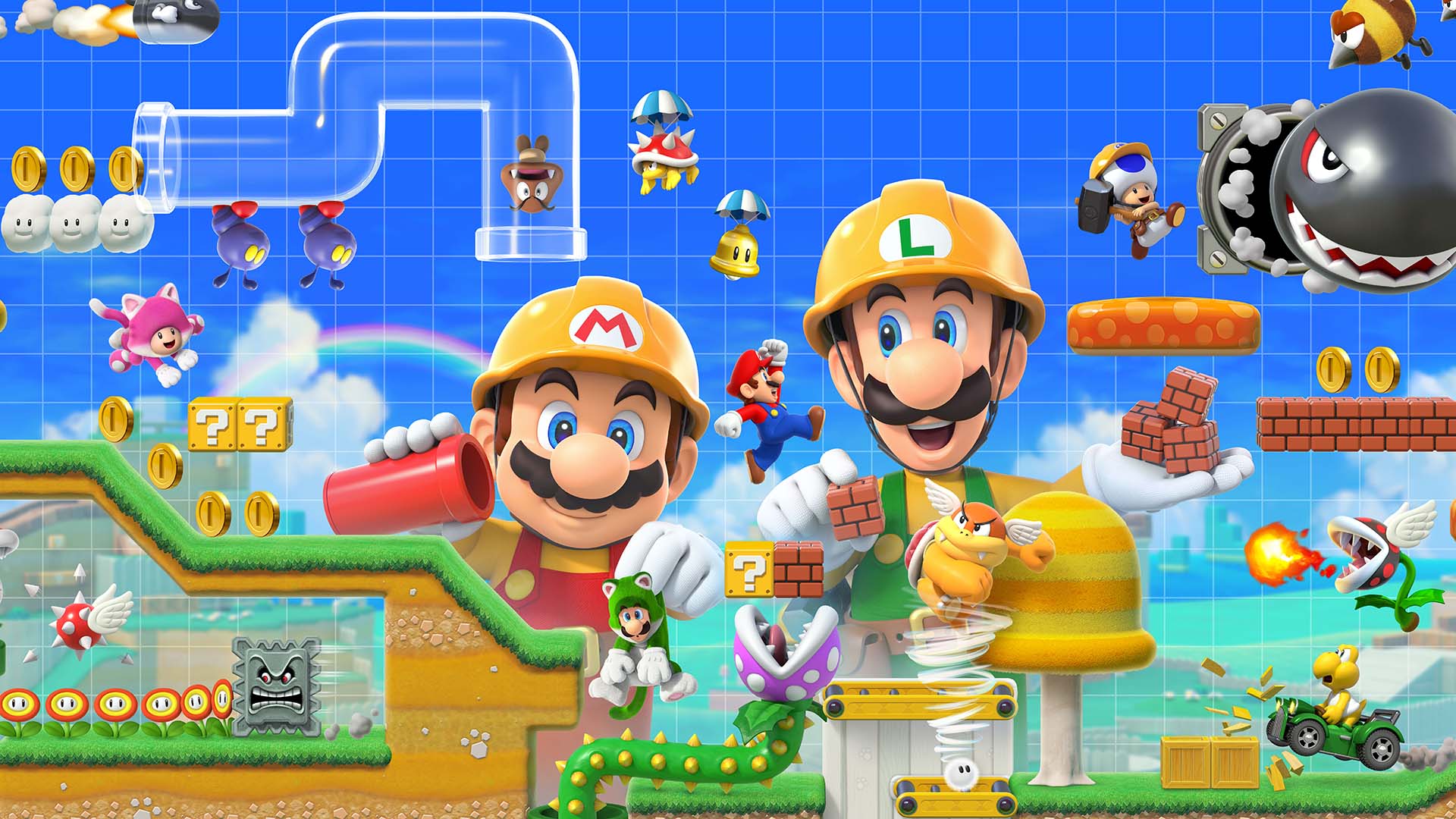
Few console launches have become cautionary tales the way the Wii U’s has. Fresh off the incomprehensibly successful Wii, Nintendo had quite the act to follow in 2012. However, the system itself didn’t have much to offer at the outset that you couldn’t find on consoles you probably already had. New Super Mario Bros. U and Nintendo Land were decent exclusives, but the majority of the launch line-up was third-party games that had been out for months or years on the PS3 and 360. The system also launched at the worst possible time. The PS4 and Xbox One were looming, the Wii U was only about as powerful as systems people had been playing since 2005, and unlike the Wii or the Switch, the system’s gimmick was hardly a system-seller. The gamepad was a novel way to try and bring the “second screen” experience to home consoles after the surge of tablets and other mobile devices in the early 2010s, but it didn’t have the immediate appeal of the systems that came before and after.
I remember when my brother was picking up our Wii U on launch night, and the Walmart cashier (bless her heart) said it was a touchscreen accessory for the original Wii, rather than a new console. There’s nothing quite as damning as the person selling your product not knowing what it is, and that came down to a branding problem above all else. Perhaps that’s why Nintendo went with the numerical naming convention for the Switch 2, rather than something that could have seen it misconstrued as a peripheral. The Wii U never really gained any momentum after it stumbled onto store shelves, even with some excellent games. — Kenneth Shepard