Nintendo Entertainment System
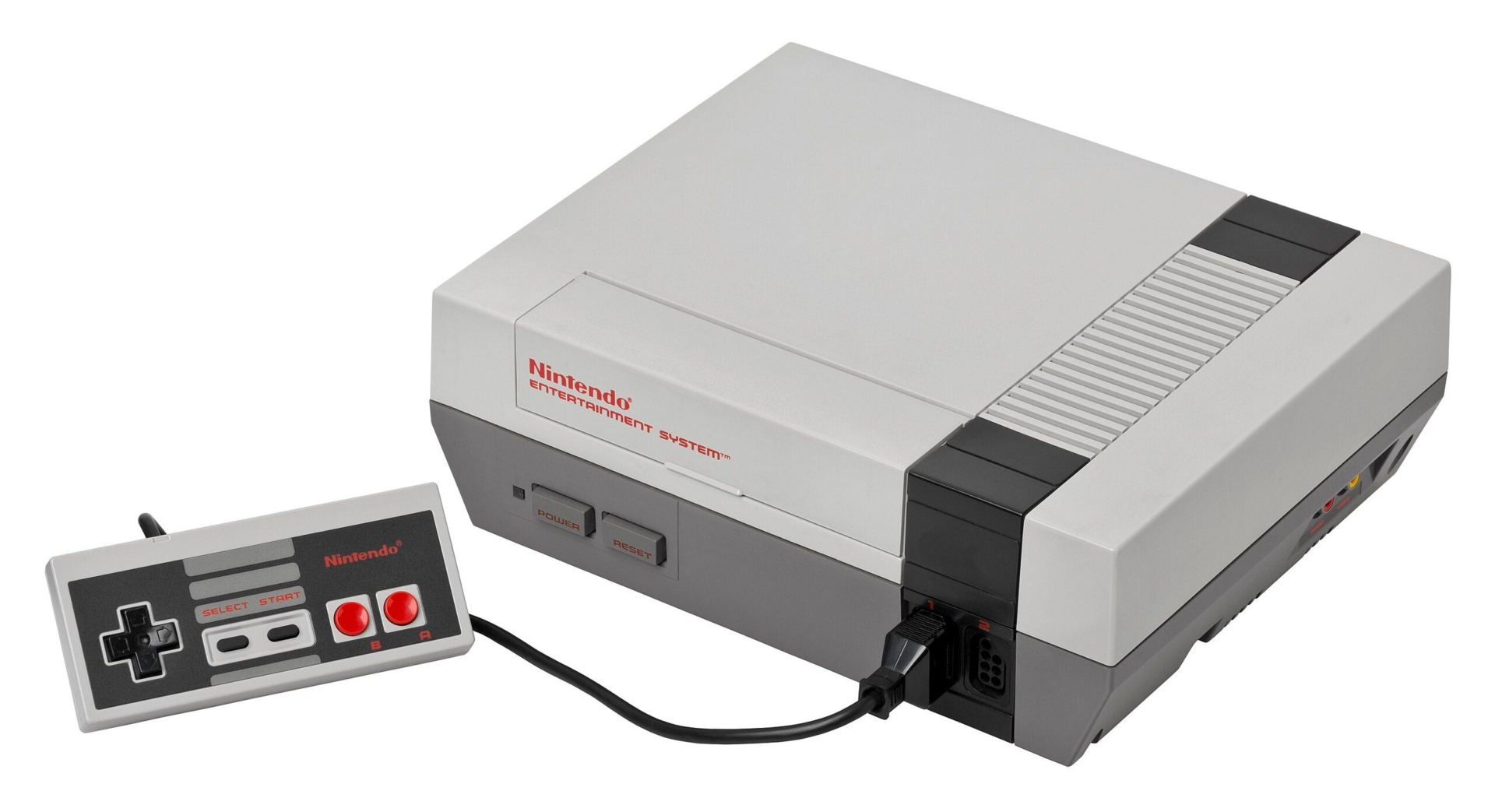
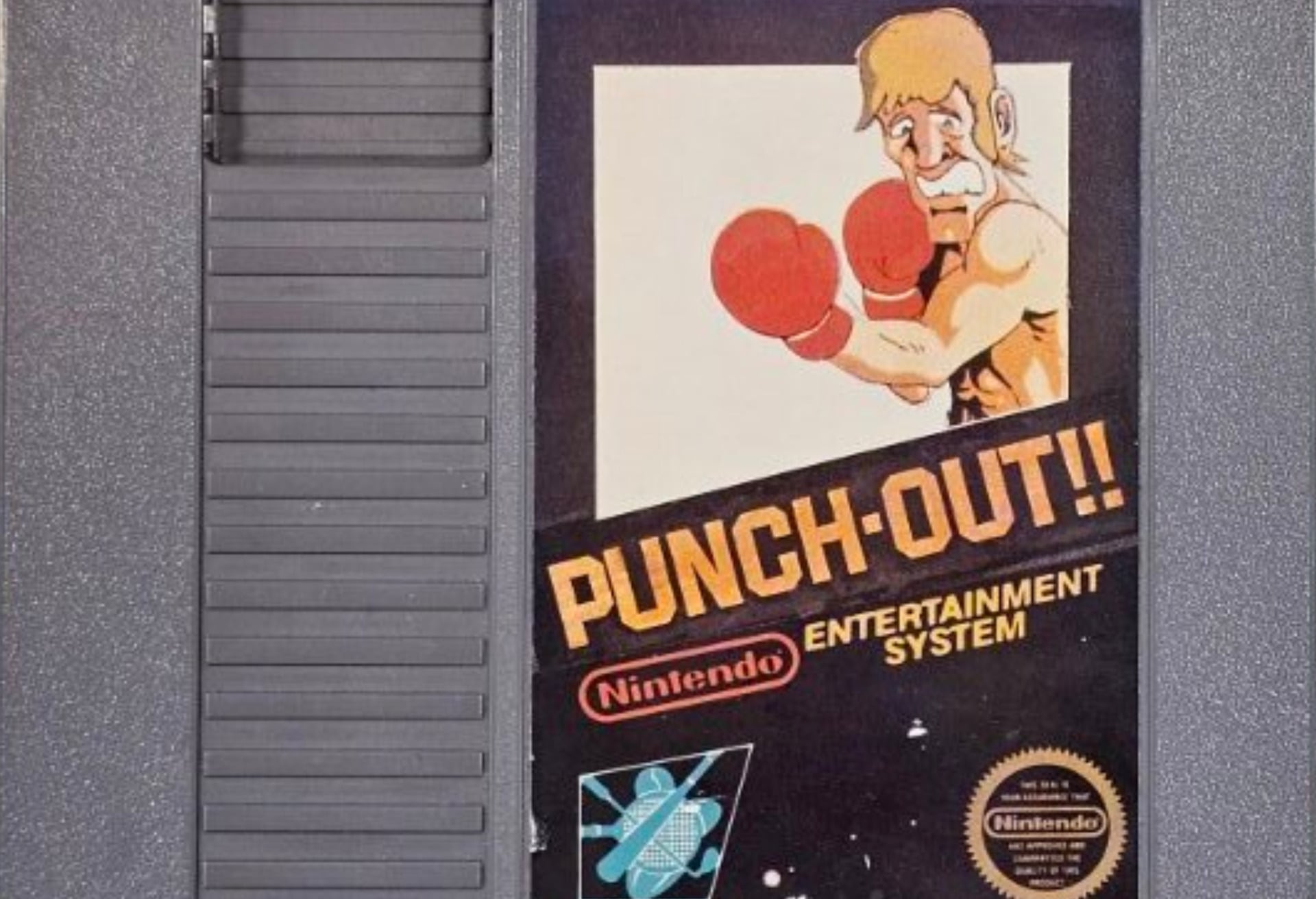
The years between the collapse of the market for Atari video games in the early 1980s and the arrival of the Nintendo Entertainment System in 1986 were long and harrowing for me, as a child whose earliest memories saw me developing a love for video games only for them to largely evaporate from the marketplace, their future uncertain. When they returned, it wasn’t with all the hype and fanfare we associate with console launches today. It was, for a bit, tentative and awkward, a case of the culture feeling out this new contender in the space. Nintendo, despite being the makers of beloved games like Donkey Kong and Mario Bros., both of which I’d played in arcades and on Atari 2600, wasn’t a name Americans were familiar with (my mom, god bless her, always pronounced it “Intendo”), and the initial arrival of the NES leaned heavily on R.O.B., a robot who looked cool and futuristic in advertisements but was somewhat frustrating to actually use. (In retrospect, however, I’ve come to appreciate R.O.B. as a wonderful novelty who may have been essential to securing Nintendo a foothold in the American market, letting the NES take up shelf space as a “toy” at a time when “game consoles” felt like poison to retailers.)
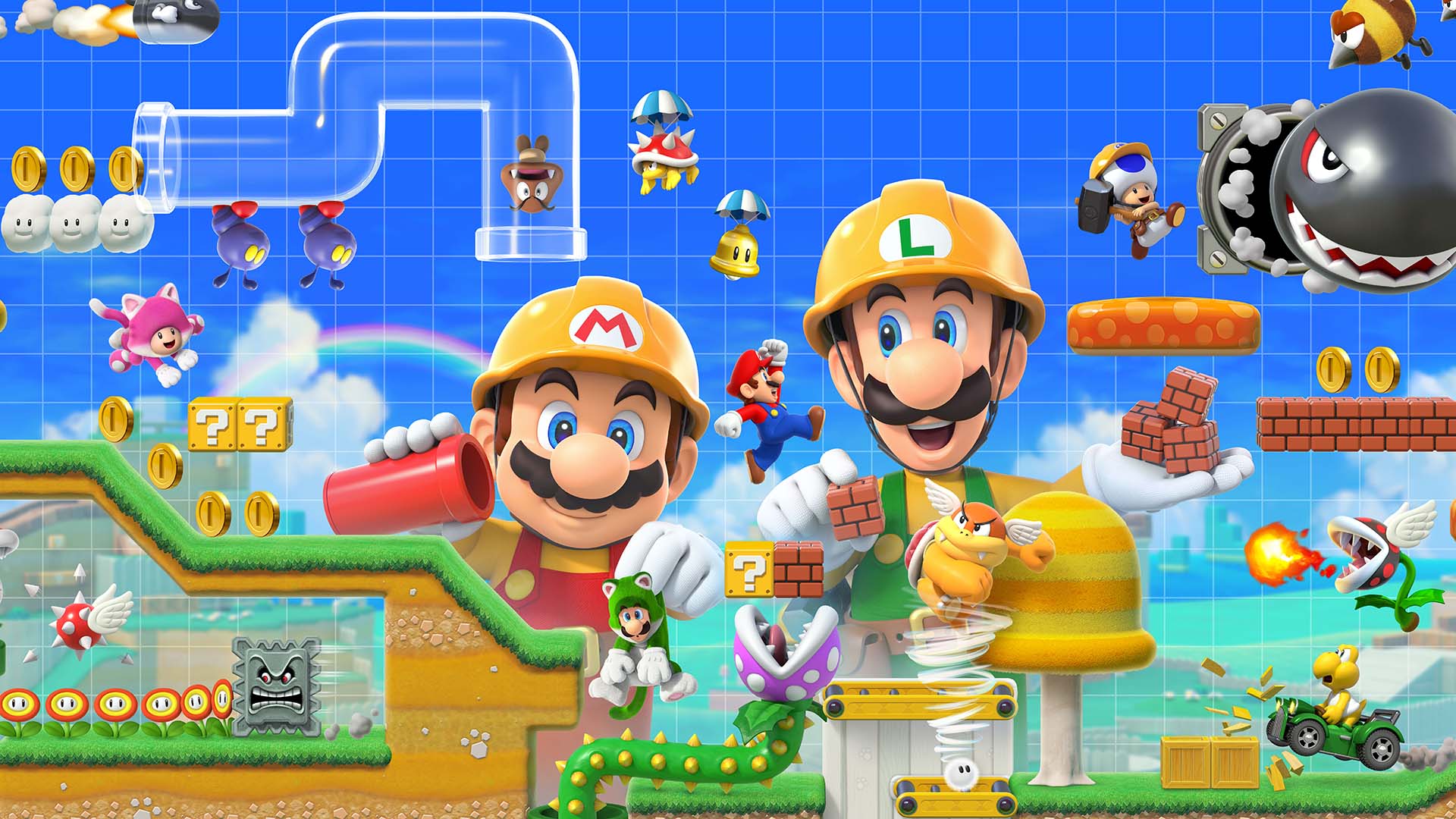
The moment I knew I wanted one—and first believed that video games were about to be back in a big way—was when I saw a big display kiosk touting the console at the Sears department store (RIP) in the Northridge Fashion Center. All the games looked colorful and amazing, leaps and bounds beyond what Atari had been able to deliver, but the one that looked like pure magic was Super Mario Bros. I’d already seen it in an arcade cabinet at my local 7-Eleven, this extraordinary game in which the little mustachioed hero of Donkey Kong now ran to the right into a whole world of mystery and adventure, and here was the promise of that same incredible experience at home. Before too long, Nintendo went from being largely unknown in the States to being a household name (even if my mom never learned to pronounce it correctly), and soon we were all reading issues of Nintendo Power and getting hyped for upcoming releases. It may not have been the most knock-your-socks-off launch in Nintendo’s history, but I think it was probably their most tactical, and it may always be their most historically significant. — Carolyn Petit