Switch
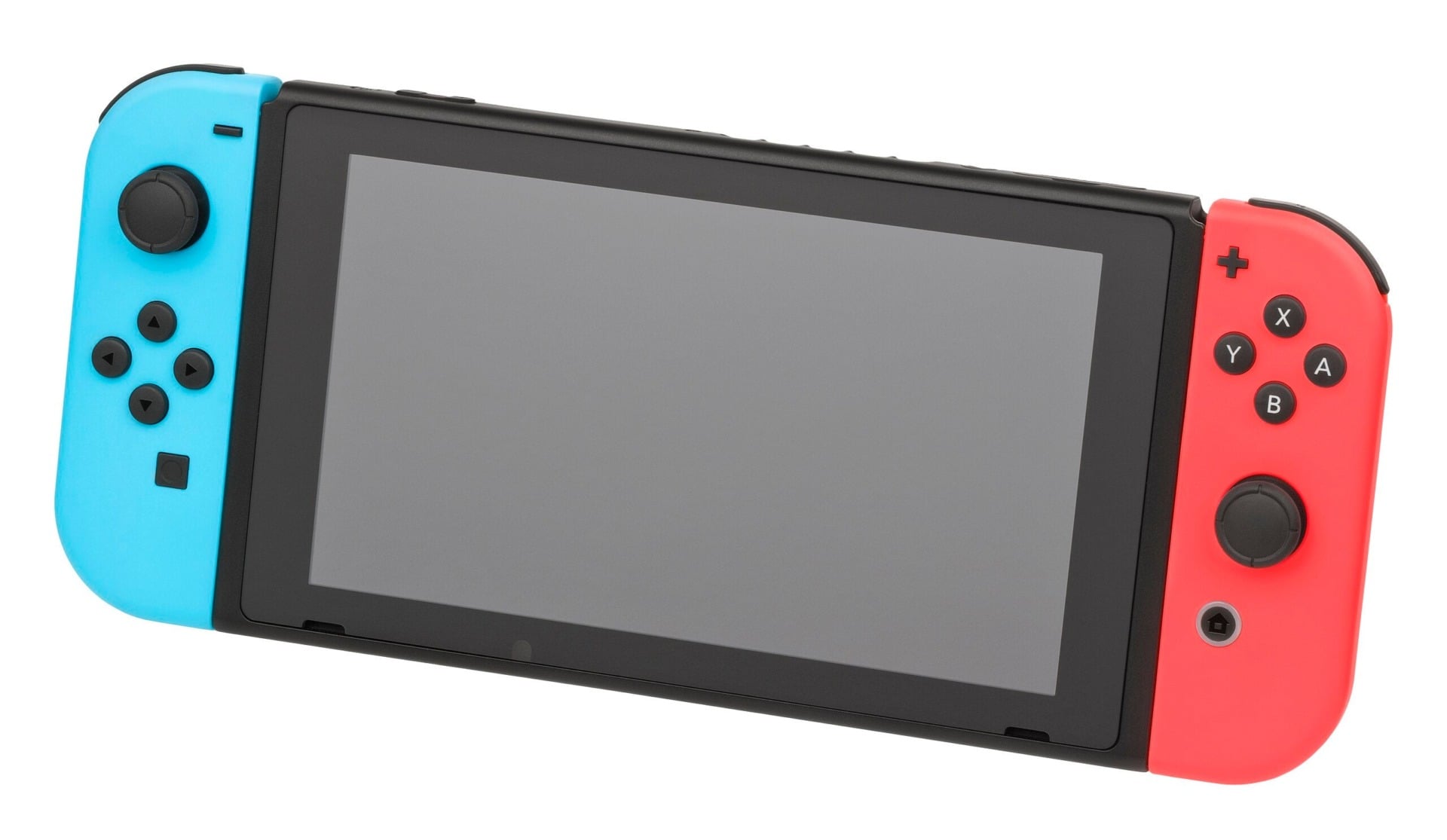
When the Switch was unveiled, it sounded like some fanfiction futuristic device you’d made up as a kid. You’d whine to your friends that you wished you could play your Nintendo 64 games on long drives to grandma’s house, and then you’d draw up some impractical machinery that would allow you to pull your games off the TV and onto a handheld contraption. It seemed like science fiction growing up, and then Nintendo released a system that did just that. It wasn’t as powerful as the PS4 or Xbox One, but the portability gave it some actual utility that separated it from the competition and prevented it from falling into the same awkward catch-up phase the Wii U had. On top of it being such an incredible new device, it launched alongside The Legend of Zelda: Breath of the Wild, which, in addition to being a fulcrum point for open-world design as we know it, showed that the Switch also had the juice to host console-quality experiences on the go. It’s a double-edged sword that the Switch has become such an important pillar of the console market that Nintendo can’t really pivot away from it to make something new and experimental with the Switch 2, but the company pulled off something that felt like magic in 2017. As soon as it hit store shelves and people got a taste of a brand-new Zelda game in the palm of their hands, it was over. — Kenneth Shepard