Grumpy complaints about bad game endings are not news. But a podcast complaint that games don’t have what they called “falling action” and “denouements” in high school? That’s worth being grumpy about.
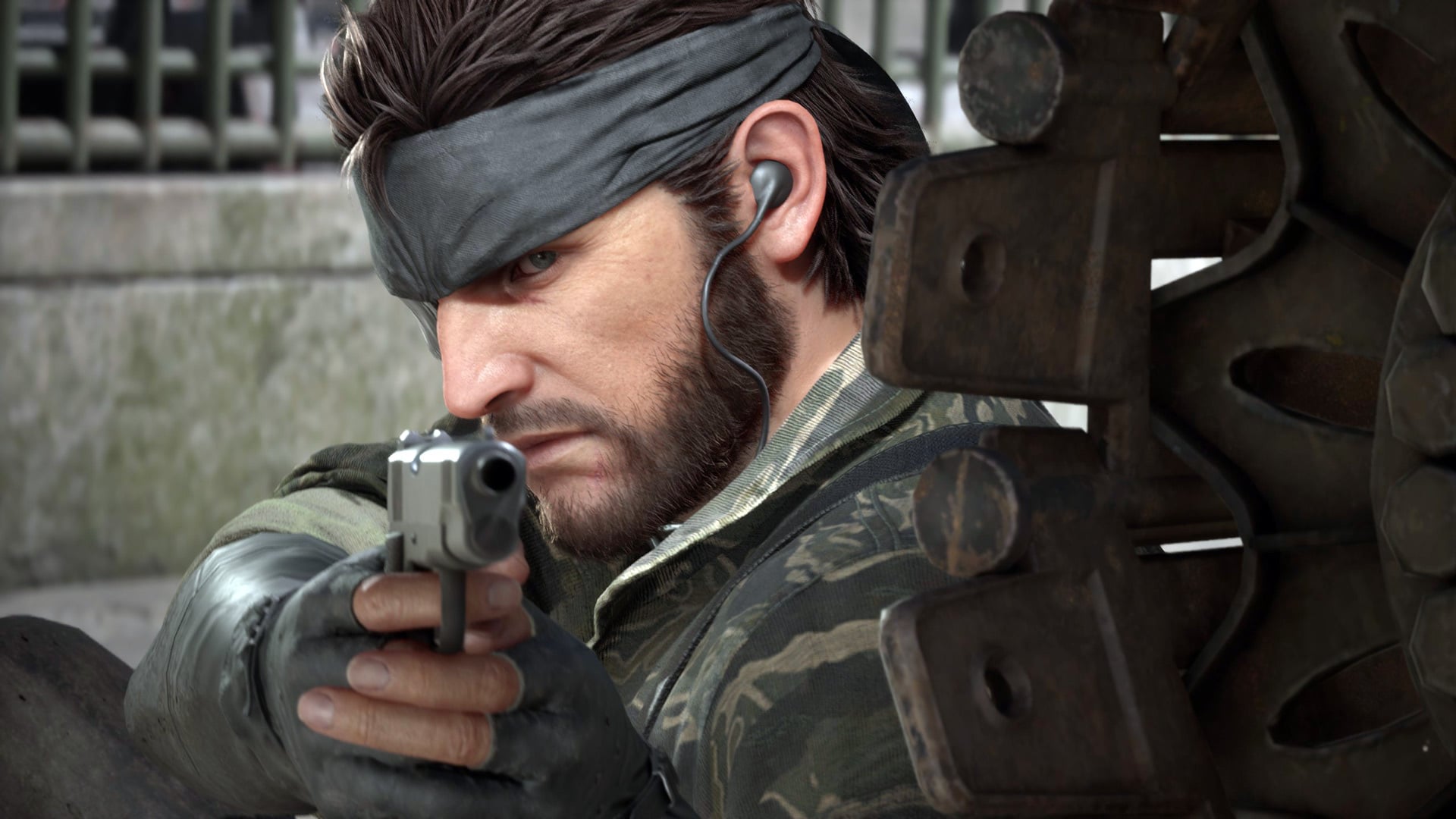
A listener of the Listen Up podcast recently asked the show’s hosts to talk about the poor quality of game endings. The listener was blue over the arguably poor endings of Metal Gear Solid IV and BioShock.
The hosts debated whether they should lament the state of game endings or delve into the problematic staying power of end-boss-based design.
Neither.
They settled on a more interesting nuance: What about making the most exciting moment of a game not be the very last thing? Maybe that’s a problem?
Here’s Listen Up master of ceremonies Garnett Lee and Gamasutra’s Christian Nutt on the last Listen Up at 1:49:40:
Garnett Lee: The exigency of making the game come together at the end and hitting the [development] milestones was what undermined building out the ultimate end of the game. They were working on the journey, they’re building all this stuff. And then they get toward the end and they’re like: “Oh shit, we’ve got to wrap this thing up. Let’s wrap it up, get it done and get it out…”
…If you followed a classic story progression, the end of the game wouldn’t be the climax. You’d have the climax prior to the end of the game and then you would have the rest of the run-out.
Christian Nutt: Ico had a denouement…
Indeed it did, Christian. And the denouement was playable, which is more than one can say about the long post-climactic-end-boss-battle of games like Ocarina of Time or BioShock or just about any Metal Gear.
Most games give the gamer little to experience after the final major battle other than a cut-scene or end credits. An exception — that doesn’t satisfy what’s being called for here — are open world games that continue after their story concludes do. They, in a sense, have denouements, just based on the fact that the player can roam a Fallout 3, Fable II or Grand Theft Auto: San Andreas world after the final narrative confrontation. But that’s not quite the classic way it’s done.
What about going back to visit the home town your game started in? Or chatting with the characters who helped you slay the final boss?
Why is the climax the last thing you play in most games? That’s a good question from Listen Up.