During the two-and-a-half decades I’ve been playing JRPGs, I’ve learned three important lessons: 1) If an NPC tells you a rumor, it’s true; 2) All valuables are hidden in bookshelves; and 3) Mini-games are almost always better than real games.
It’s a strange phenomenon, don’t you think? We play role-playing games because we want to go on grand, sweeping adventures, yet sometimes, all we want to do is go to the casino and play some blackjack. There’s something inexplicably addictive about the act of playing a game within a game.
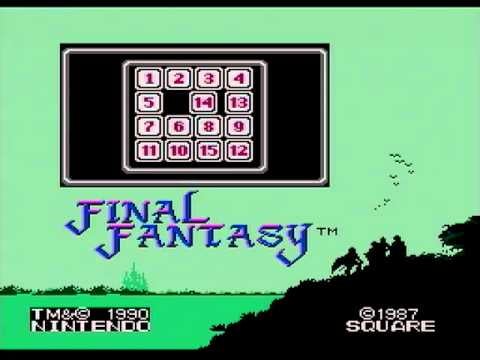
This is a trend that spans all the way back to the original Final Fantasy, during which, while riding in your ship, you could mash the A and B buttons to access a hidden sliding puzzle that was way more fun than it had any right to be. I have fond memories of booting up my NES just to try to solve that puzzle.
Things haven’t changed all that much: even today, it’s tough to find a JRPG without gambling, cooking, monster collecting, or some other optional activity that is often more satisfying than the main quest it’s supposed to supplement.
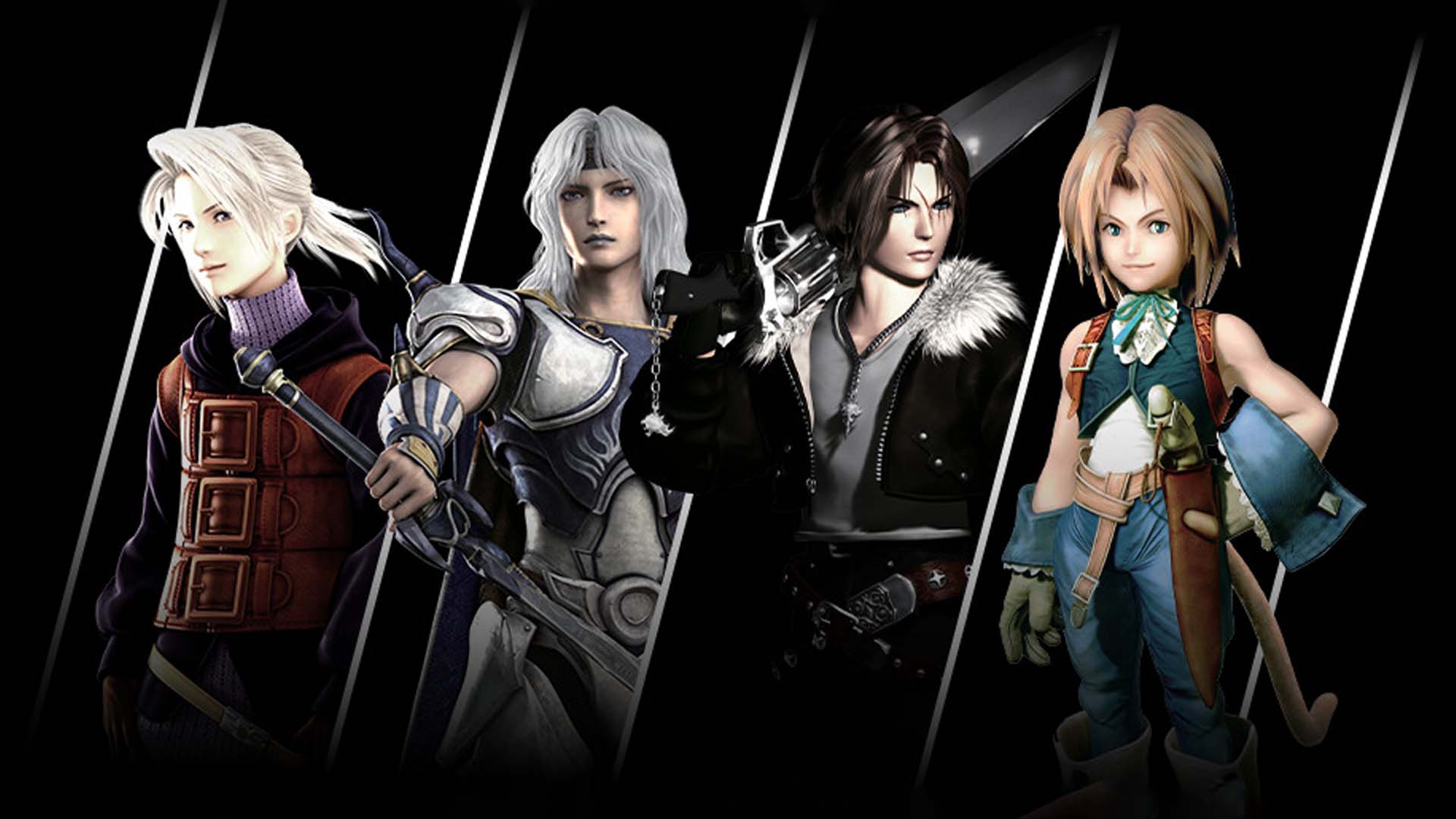
Take Final Fantasy VIII‘s Triple Triad, for example, a brilliant mini-game that transforms all of FFVIII‘s characters and monsters into cards that you can deploy on a grid-based battlefield. What’s really smart about this card game is that it’s integrated into the world really well: almost everyone in Final Fantasy VII‘s universe plays it, and you can challenge people to card battles at any time. Triple Triad is so memorable and exciting that fans have tried to re-create it on the web and even in real life
Another great example: Suikoden II‘s cooking game, an Iron Chef knockoff with its own silly plot line—which, like most great Food Network shows, involves poison and betrayal—that you access by stopping off at your castle’s kitchen between missions.
So what makes these mini-games so great? I think the best ones follow a few basic rules:
1) They have satisfying rewards.
Triple Triad is triumphant not just because it’s a fun diversion, but because you can use it to abuse the crap out of Final Fantasy VIII: you can transform the best cards into valuable items that you’ll need if you want to take on the game’s most powerful bosses.
On the flip side, it’s kind of frustrating to, say, spend five hours building up your fairy village in Breath of Fire III only to find that it really doesn’t have any impact on the rest of the game unless you get really lucky at the casino. (You won’t.)
2) They don’t feel like chores.
Jump-roping in Final Fantasy IX by mashing the X button? Ugh. Trying to dodge lightning in Final Fantasy X, also by mashing the X button? Come on. As a rule of thumb, if a mini-game can be beaten by tapping one button, it’s probably not very good.
3) They require some level of skill.
Look, Xenogears, I love you, but I will never, ever play Rock-Paper-Scissors in a fucking video game.
4) They make sense.
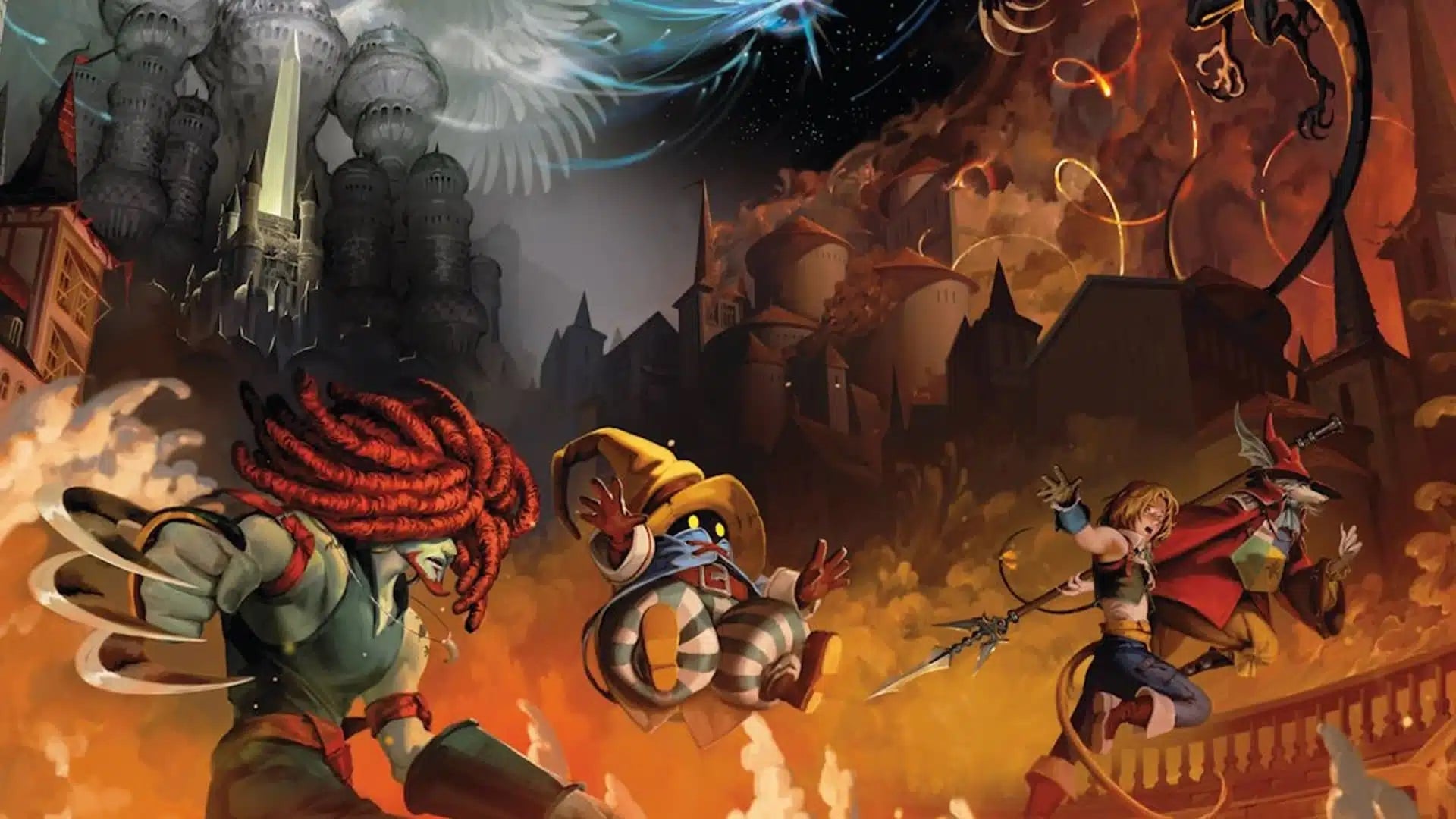
While designing Final Fantasy IX, Square’s team must have looked at their last game and said something like “hey, this Triple Triad thing is awesome, and people kind of love it: let’s make it even better!” So they added a bunch of new numbers and stats and wound up with a card game that is totally unsatisfying because it makes very little sense. While you’d win or lose in Triple Triad based on the strength of your cards and the strategy you used, Final Fantasy IX‘s card game adds probability to the equation, so you might find yourself losing and not even know why.
(FFIX’s Chocobo Hot & Cold, on the other hand—a mini-game in which you dig around a forest hoping to find treasure by playing a version of the old classic “hot and cold” —is a lot more enjoyable.)
Mini-games don’t need to err on the side of simplicity—they just have to be comprehensible. If a mini-game is designed well, like Rogue Galaxy‘s Insectron or Final Fantasy VII‘s ridiculous snowboarding, then when you lose, you’ll feel like you deserved to lose, not like you could have never won in the first place.
5) They fit within the game’s world.
In The World Ends With You‘s twisted take on Shibuya, Japan, all of the kids like to play a game called Tin Pin Slammer, so it makes perfect sense that your characters would want to play it too. Final Fantasy X puts you in the shoes of a star blitzball player, so of course you get to build your own blitzball team and enter tournaments and whatnot. (Blitzball, for the uninitiated, is basically underwater soccer. With, erm, energy beams. And hit points. It’s weird.)
The best mini-games are the ones that you can see your hero doing anyway. And, hey, maybe that’s the real reason people love mini-games so much. Maybe we feel kind of bad for our characters, who have to go off and save the world and work their asses off all the time. Maybe we just want to give them some R&R. Don’t they deserve it?
Random Encounters is a weekly column dedicated to all things JRPG. It runs every Friday at 3pm ET.