Pac-Man might not seem like much next to today’s hyper-realistic gun, dungeon, and gungeon-packed blockbusters, but the tiny puck that aspired to manhood inhabited a surprisingly complex world. His nemeses, the ghosts, are still pretty clever, even by modern video game standards.
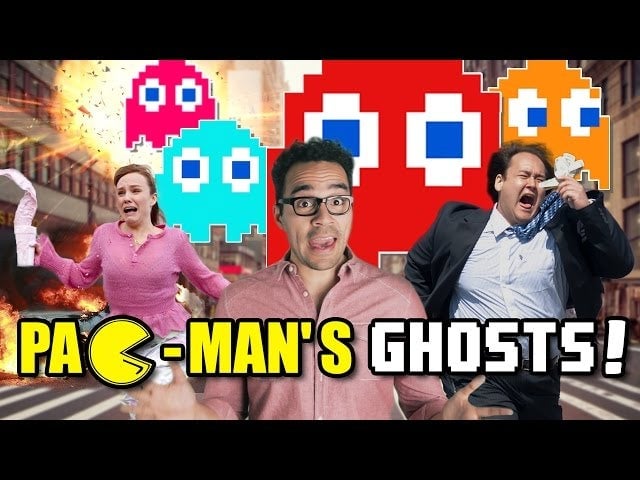
PBS’ ever-interesting Game/Show took an in-depth look at Pac-Man‘s ghosts and the way their ’80s digital electronic mainframe mega-brains functioned. In short, the four—Blinky, Inky, Pinky, and Clyde—were all programmed to use unique strategies in conjunction with one another, and their attacks intentionally ebbed and flowed to instill a sort of terror in the player.
Each ghost had a primary characteristic derived from the Japanese translation of their name. Blinky was the straightforward one, relentlessly pursuing you to the ends of the earth (which were, admittedly, just the walls of a small maze), but the others were more interesting. Inky based his movements on Blinky’s, picking spots that would compliment him when Pac-Man was on the run. Pinky, meanwhile, was programmed to think ahead, always moving to where he predicted Pac-Man would be.
Lastly, Clyde was… well, Clyde wasn’t very bright. He’d move to attack and then, er, decide not to. Fittingly, his Japanese name translated to “the one who lags behind.” I get the impression that his Japanese ghost parents were kinda assholes.
It’s all pretty interesting, though. In a time when group AI in many hyper-realistic first-person shooters is still… questionable, it’s kinda crazy that Pac-Man‘s ghosts were already whipping up fairly complex on-the-fly strategies more than 30 years ago. We have, admittedly, still come a long, long way since then, but it’s worth keeping in mind that some older games were more forward-thinking than we gave them credit for.
Image credit goes to SteamGK
To contact the author of this post, write to [email protected] or find him on Twitter @vahn16