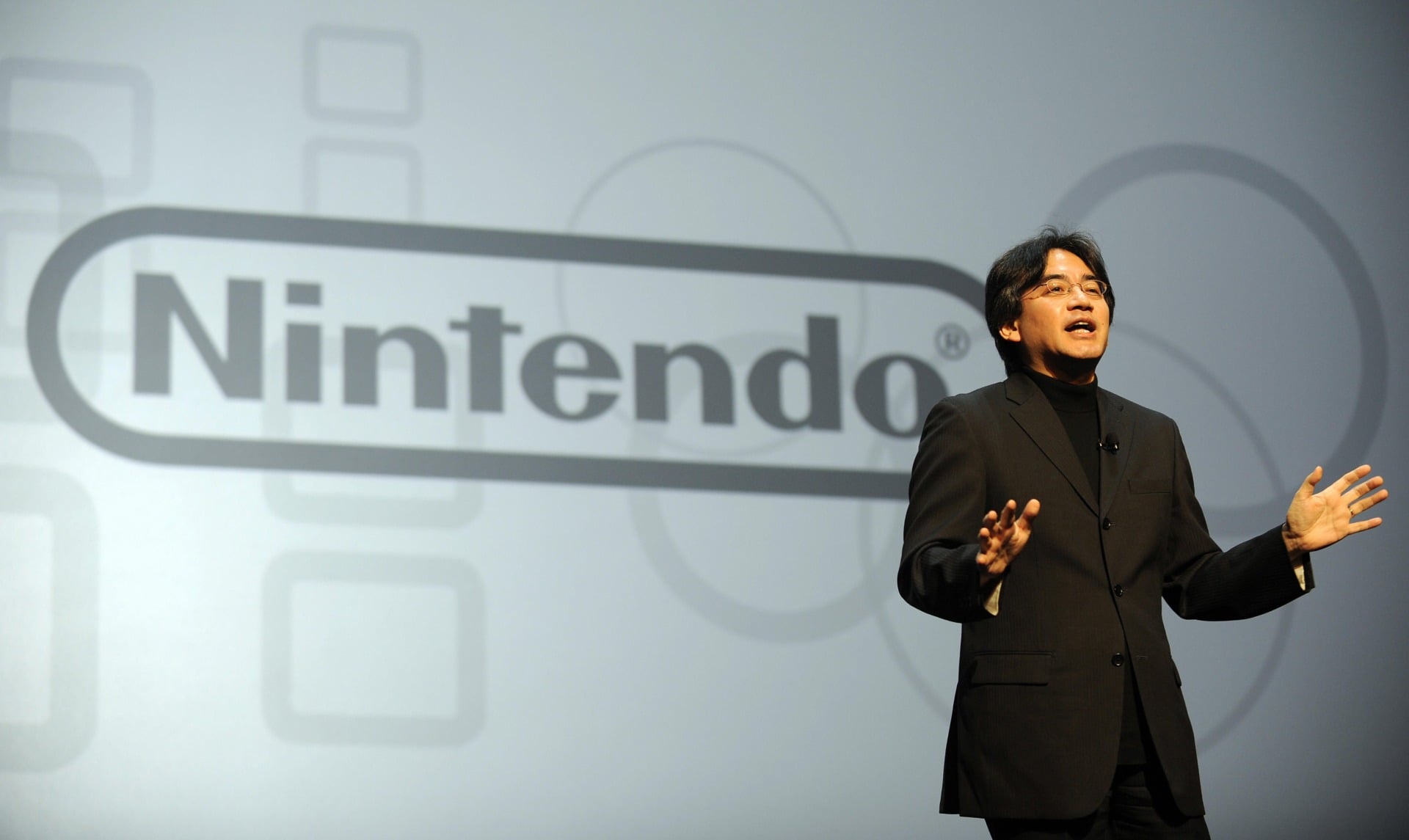
Former Nintendo president Satoru Iwata made a huge impact on gaming. The exec had the rare combination of technical knowledge and business savvy. He also seemed like a really good dude.
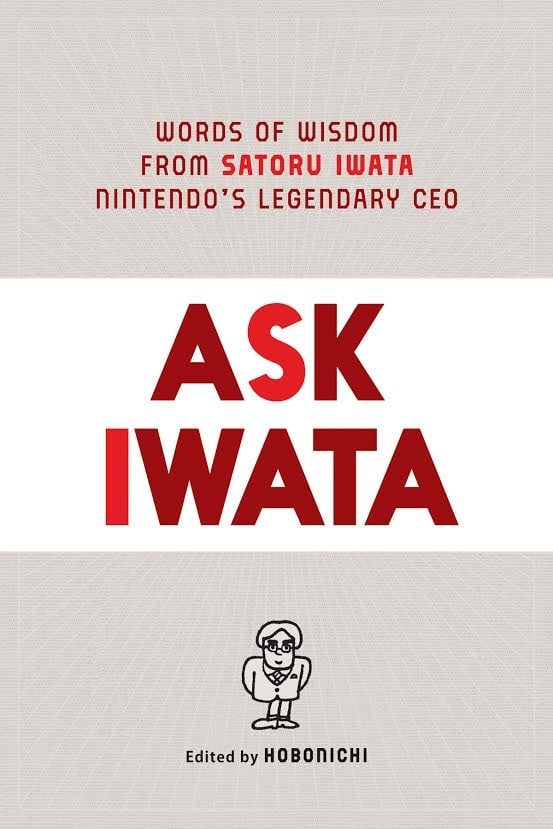
Sadly, Iwata passed away on July 11, 2015, at the age of 55. In the newly released English translation of Ask Iwata, which is a collection of his philosophy and insights, two important colleagues, Shigeru Miyamoto and Shigesato Itoi, reminisce about the man.
“Wondering if Iwata ever got angry? Actually, no,” said Miyamoto. “At least, he never raised his voice or anything like that.” He could disagree without being disagreeable and, when necessary, be strict as he was running a massive company.
According to Miyamoto, no matter how strongly they disagreed, Iwata would never get irritated. “Sometimes he was at a loss for words, though,” Miyamoto said. “He’d talk forever, really on a roll, then suddenly go quiet.” It was at these moments, he believes, that the former Nintendo president was thinking and formulating his own argument. “After a while, he’d finally say, ‘About that…’ And I’d say, ‘Oh, you were thinking the whole time!’” This is one thing that made Iwata so interesting, Miyamoto said.
“He [Iwata] never put on airs, or acted angry just for show,” said Itoi, who worked with Iwata on Earthbound and kept in close contact over the years. “He really was a decent guy, you know?” He was personable and chatty. Itoi recalled how whenever they’d take the Shinkansen [the bullet train – Ed] together, they’d talk and talk to the point where Itoi would nod off. “When that happened, I’d tell him honestly, ‘Sorry, man, I’m going to sleep.’” Then, Iwata would start working on his laptop for the rest of the trip.
All three men went way back, with the younger Iwata, a programming whiz, coming from Hal Laboratory to run Nintendo. During this time, Miyamoto said his friend’s personality never changed, not even one bit. Itoi recalled how Iwata, even as president of Nintendo, would travel from Kyoto to his office in Tokyo alone, without extra staff or assistants and carrying his travel suitcase himself. This, Itoi pointed out, might be considered unusual for a business exec. Then again, Iwata wasn’t your typical corporate exec.
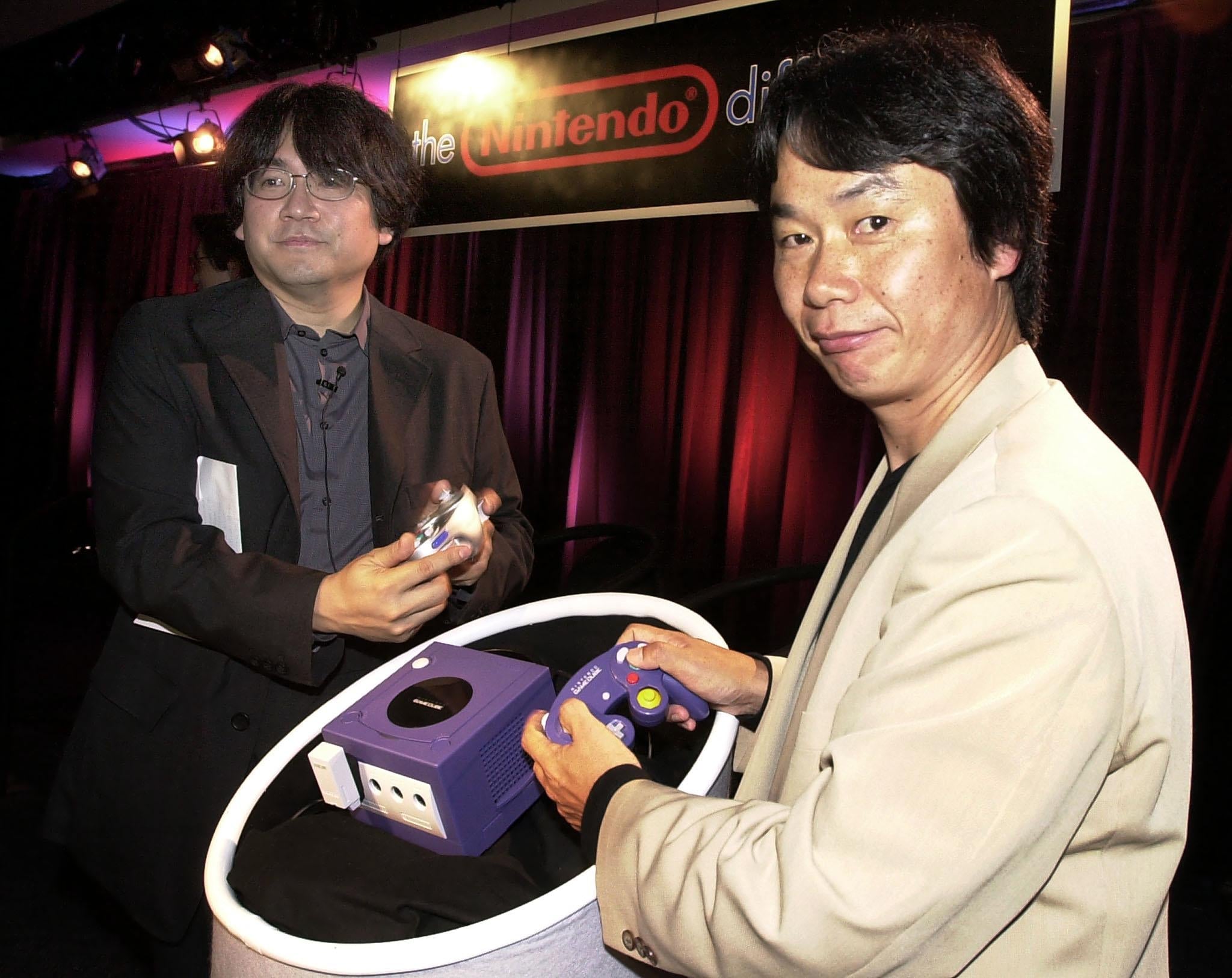
“When it all comes down to it, Iwata was my friend,” said Miyamoto. “He never bossed me around, got mad at me, or fought with me.” This is unique, especially in Japan, considering their ages and tenure at the company. Miyamoto was older. He had more senority. Yet, the position went to a more junior employee. “At any other company,” he continued, “you might expect there to be some tension when a younger person with less experience passes you and becomes president, but in our case there was nothing of the sort.” Once Iwata started working out of the Kyoto headquarters, Miyamoto realized his friend was better suited to being president. “I’m glad that things turned out that way.”
Miyamoto recalled how Iwata was respected and loved as a father as well as other recollections, including the time the busy exec put a treadmill in the president’s office so he could jog. “I have all these different memories, and they come back to me at random moments.”
Miyamoto and Iwata sound like kindred spirits—in some ways they were similar, but in others, they could not be more unalike. “One major way in which we differed is that whenever he was on the Shinkansen or on an airplane, he loved to make effective use of his free time,” said Miyamoto. “Meanwhile, I’d be slacking off.”
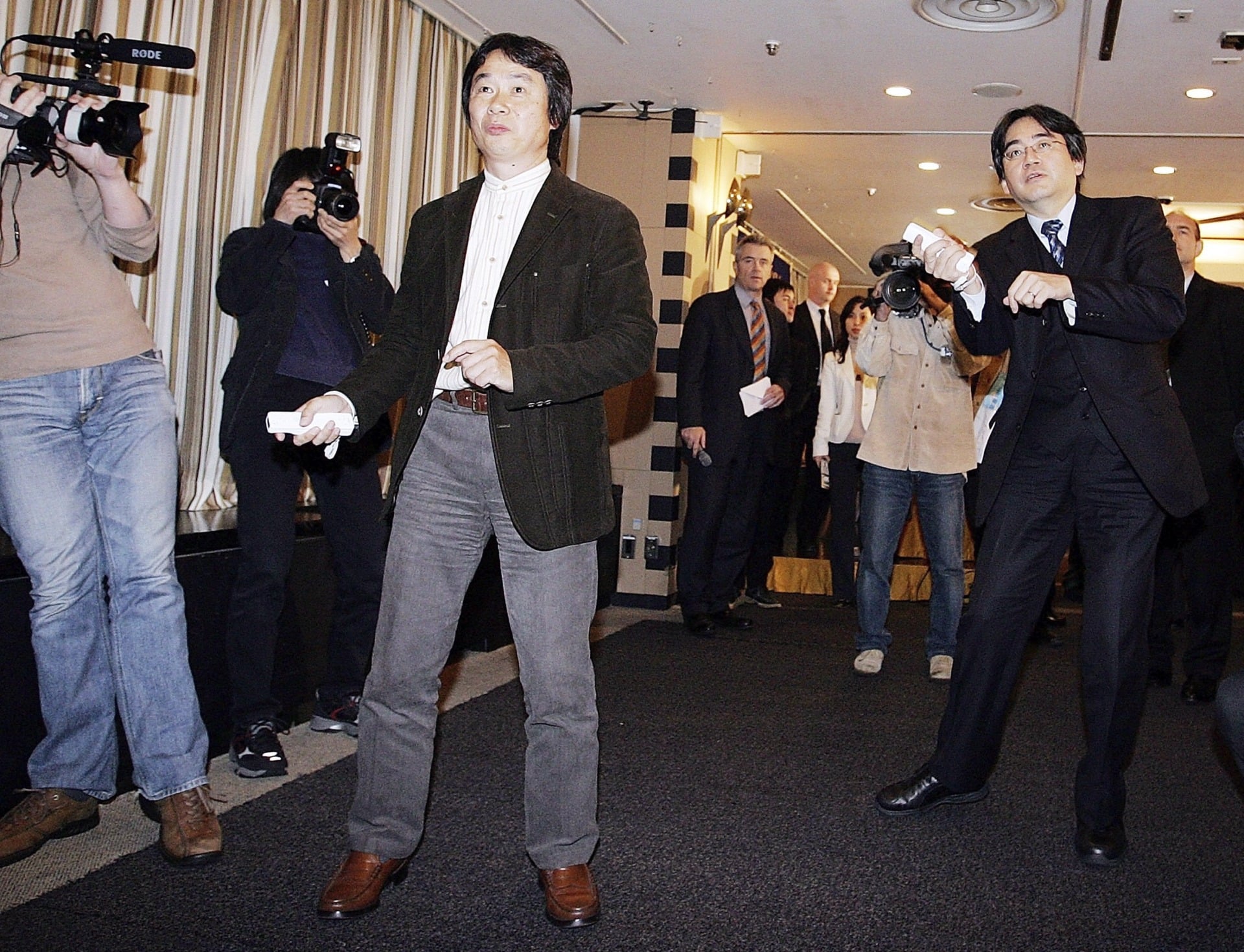
Iwata was driven and worked hard, but never took himself too seriously. “I’ve said as much to Iwata myself, and I mean this in the best sense of the word, but he was a bit of a goofball,” said Itoi. “But believe me, this was a strength for him.” Around the office, Iwata was called “Kirby.” According to Miyamoto, “If you’re stuck in a long meeting, and there’s a pile of candy, it’s easy to eat a ton, right? Well, doing that earned him the nickname ‘Kirby,’ and we made sure there was always lots of candy close at hand.”
One thing that made Iwata such a great leader is that he helped support his team. This, according to Itoi, is what made his Monday lunches with Miyamoto so important. “They were a combination of all the things he [Iwata] loved,” said Itoi. “A chance for him to say, ‘I think I’ve got it,’ and work through an idea that would make his close acquaintances and customers smile.”
Miyamoto feels that Iwata’s ideas have become part of Nintendo’s corporate fabric and that the company is still going strong. The future looks bright thanks to the young generation of staff. But, no doubt, he does miss his friend. “What makes me sad is that if I have a crazy idea over the weekend, there isn’t anybody I can tell about it on Monday morning,” Miyamoto said. “When I’m eating lunch, he isn’t there to say, ‘I think I’ve figured out your problem, which leaves me feeling stuck sometimes. I really miss him.”
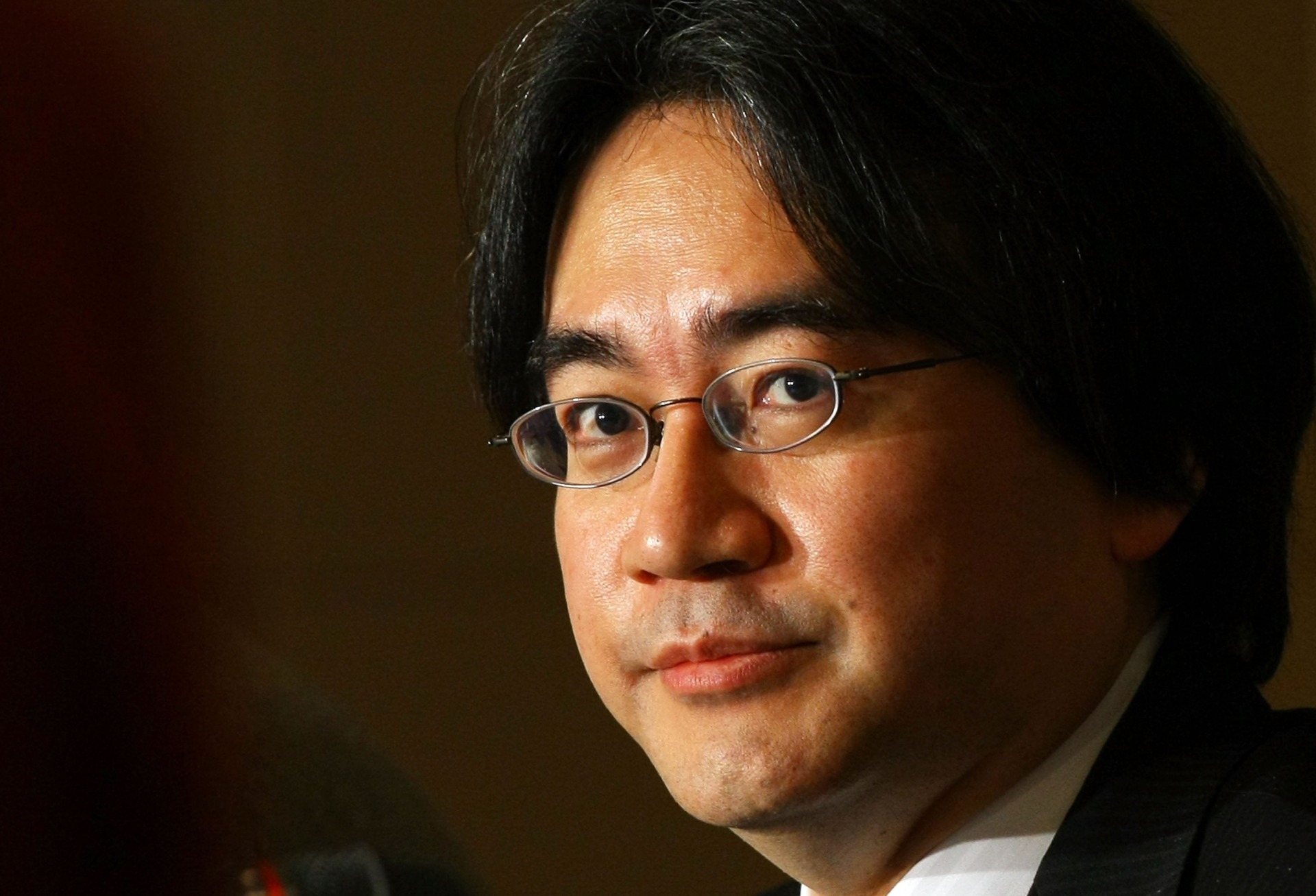
Ask Iwata is published today. For more information, check its official site.