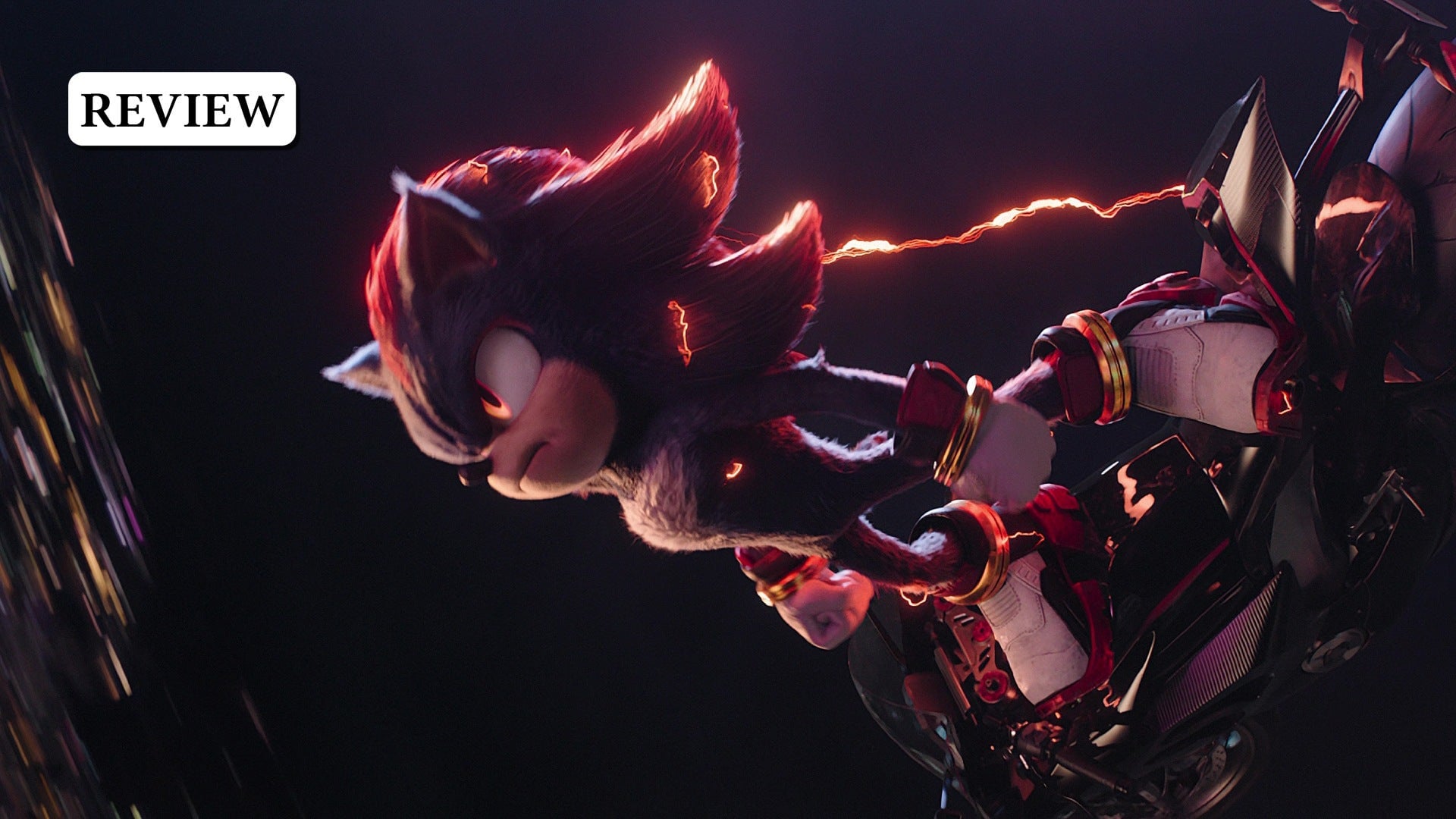
With Sonic the Hedgehog 3, the live-action adaptation of Sega’s speedy platformer is entering a new era. With each subsequent movie, the Sonic films have sought to shed the generic “family” movie image for one that was more honest to the anime-inspired twists and turns of the long-running platformer series. And this latest film succeeds. Sonic 3 is a loose adaptation of one of the most beloved stories in all of the series’ 30 years. While the film does tweak some things along the way, it doesn’t shy away from the otherworldly, supercharged melodrama that differentiated Sonic from its contemporaries in the early 2000s. Sonic the Hedgehog 3 still falls into the occasional trap of talking down to the all-ages audience with low-hanging jokes and some frankly groan-worthy segments, but more than ever, the third film earns the right to delve into the video game excess that made these characters so beloved in the first place.
While there are a few lapses in judgment, Sonic 3’s greatest strength is that it prioritizes its nonhuman characters, rather than sidelining them in service of the less-interesting humans. After the colossal letdown of the Knuckles series’ human-centric story, I was relieved to see Sonic 3 not only focus on the anthropomorphic aliens, but also give them some of their best material yet. Keanu Reeves’ Shadow is the heart of the film. Though his backstory differs slightly from the games, the same throughlines of grief and vengeance flows through him. Reeves’ performance in the Shadow Generations tie-in DLC was rough, but his soulful delivery in the film carries the heavy weight Shadow bears in the darkest stories the movies have told.
Though the specifics are slightly different, Sonic 3 draws heavily from the dueling character perspective of the game it draws most from, Sonic Adventure 2. The movie takes most of that game’s key components, effectively delineating the movie into two tones depending on which speedy hedgehog is at the center of any given scene. The moments when Shadow is the focus are as contemplative and evocative as the ones in his debut in the Dreamcast game two decades ago. Sonic’s scenes, meanwhile, are cheerful and optimistic, with the angst of Shadow’s darker story bleeding through as the movie attempts to examine both characters’ reactions to loss.
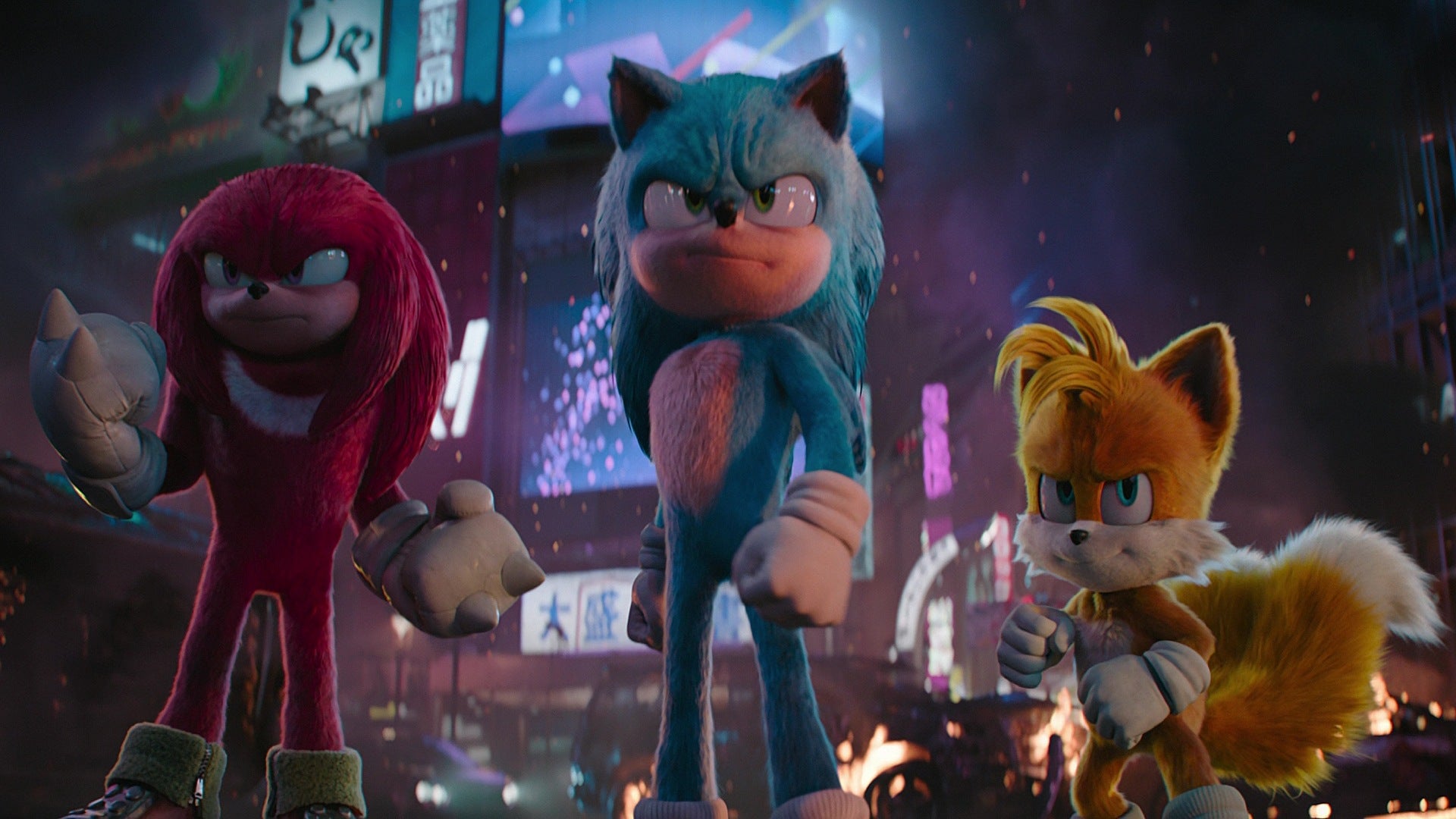
The clear duality Sonic 3 draws between Sonic and Shadow is what makes the film a more intentional video game adaptation than the previous films. More than just bringing in familiar characters and lore, Sonic 3 actively adapts the structure and symmetry of Sonic Adventure 2 to great effect. Though the movie sadly is missing a key player, as Rouge the Bat doesn’t appear in Sonic 3 as some speculated, the asymmetry between Sonic and Shadow, even as they appear to be equal in strength and skill, is the clearest sign of a directorial intent that was too nebulous before. Sonic 3 sheds most of the cheesy distractions from previous films, like Sonic 2’s wedding subplot or the inane pop culture references that have plagued these movies. Instead, the film is clearly in pursuit of something that feels true to the source material and doesn’t always talk down to the kids in the room. Surprisingly enough, the movie is one of the most poignant explorations of Sonic and Shadow’s contrast, coming off years of Shadow being treated like a bit player. It respects its characters enough to not water down the darkest parts of who they are. Well, it does so for the protagonists, at least.
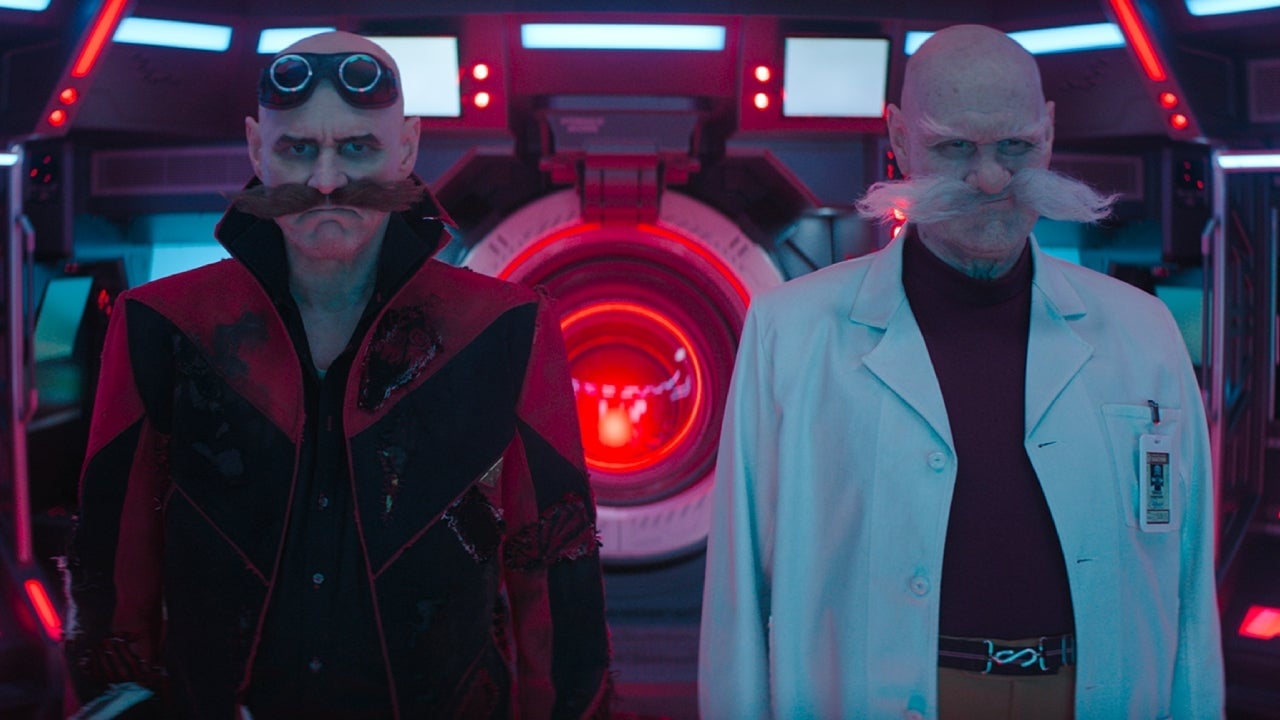
While I loved Sonic and Shadow’s rivalry, I didn’t expect to come out of Sonic 3 soured on Jim Carrey’s performance as Doctor Ivo “Eggman” Robotnik. Carrey plays two roles in the film, reprising his role as the eccentric mad scientist, and Eggman’s grandfather, Gerald Robotnik. Gerald has had an important but mostly posthumous role throughout the Sonic series, and I was wary of Carrey’s portrayal of him in the trailers as the movie seemed to be taking a more humorous approach to a character notoriously known for some of the most spine-chilling moments in the franchise. Gerald is alive and well(?) in Sonic 3, and it gives Carrey the opportunity to mostly riff with himself. While both characters have their moments, most of these films’ greatest sins are on display while the Robotniks are on screen. These moments are where you’ll find the needle drops, an unexpected dance break, and all the unfunny bits that come off like an adult writing for children they don’t believe could grasp something even slightly sophisticated. Almost all of that falls under Carrey’s screen time and feels like a waste of his talents and the mad scientists he plays.
Paramount’s overreliance on human characters has been one of the most glaring issues of the Sonic films. Capable actors playing Sonic’s human friends were often given the worst material in the script and it made even the shortest scenes feel excruciatingly long. Sonic 3 isn’t innocent of this, as Jessica Jones actor Krysten Ritter joins the cast as GUN agent Director Rockwell who mostly exists as a temporary obstacle for everyone before being quickly shuffled off the board. The Knuckles series might as well have not been named as such, as Idris Elba’s take on the beloved Echnida was barely in the show. For two movies, it felt like Carrey’s unhinged, show-stealing performance as Eggman was immune to this, but the movie does such an otherwise good job of keeping the focus on Sonic and Shadow that those distracting, low-effort propensities funneled into his performance instead of elsewhere.
The best human interactions in Sonic 3 are the ones that come back to its two leads, such as Alyla Browne’s role as Shadow’s best friend Maria, or Sonic’s father/son relationship with James Marsden’s small-town cop Tom. Lee Majdoub also gives an earnest performance reprising his role as Agent Stone dealing with his toxic relationship with the ol’ Egghead. But so much of the job of distracting children with zany antics falls at Carrey’s feet. It robs him of the wit and comedic timing that he had in the first two films. I’m sure he was having a blast on set, but he deserved better than what he had to work with.
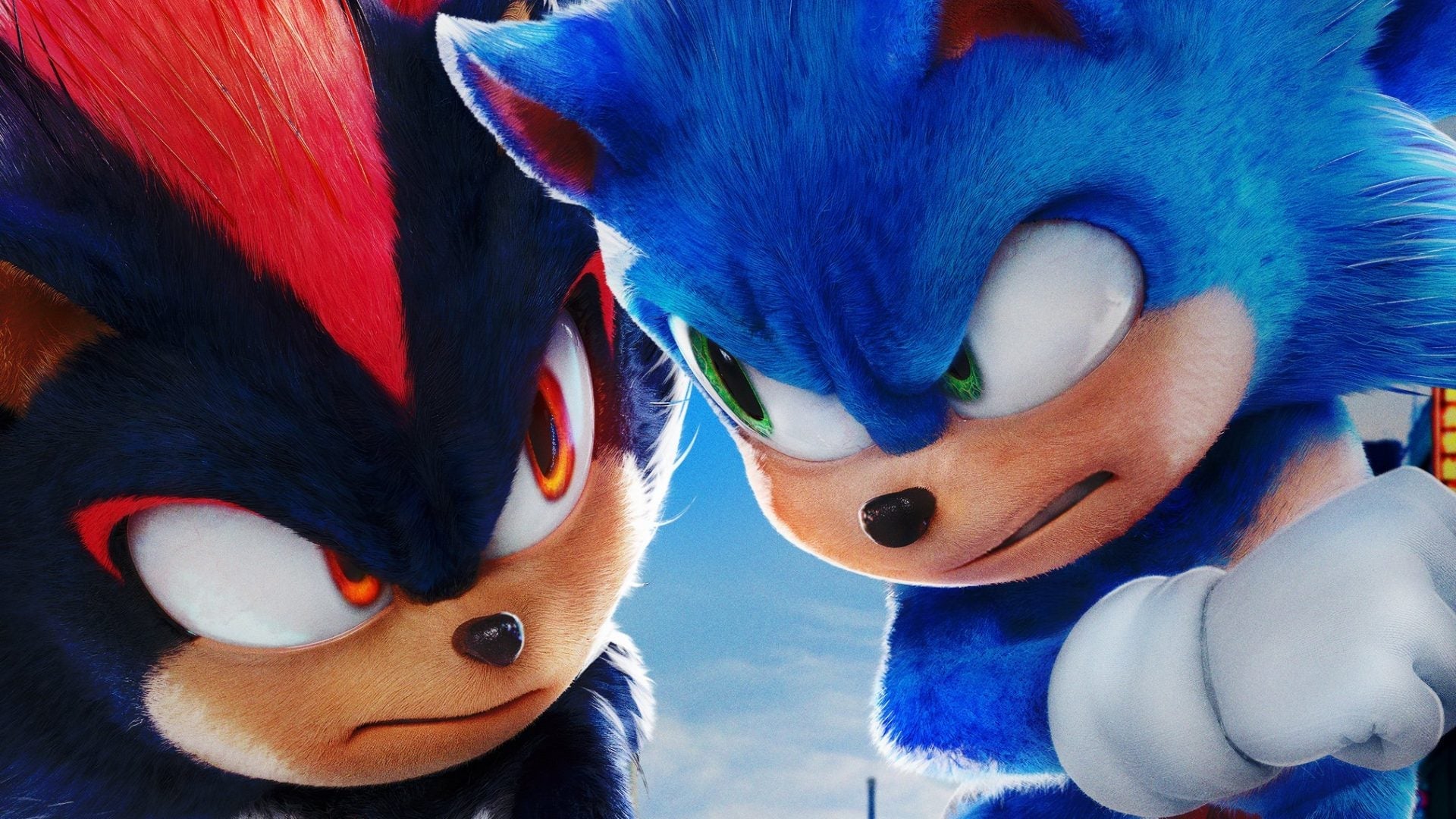
Some of that friction only happens because Gerald is alive in this version of the tale, and it’s not the only difference even the most casually engaged Sonic fan will notice. There are a few key changes from game to film that long-time fans will notice, but overall, Sonic 3 goes out of its way to preserve the AMV-bait vibes of the series’ early-00s angst, and pulls it off with something that is constantly entertaining, mostly respectful of its characters and audience, and the truest to the spirit of the franchise. Watching Sonic and Shadow clash with an edge and style that feels even more electric than anything the first two movies even attempted is a blast, and its final battle is especially raw, emotionally cathartic, and well-earned after three good, gradually improving movies and a bad TV show.
I think “earned” is the word my mind keeps wandering to as I think back on Sonic 3. These movies have come so far from when Paramount first revealed the horrifying gremlin that was Ugly Sonic in the first trailer it has since tried to wipe from the internet. Each movie has gradually tried to introduce more of the weird, earnest shit that has kept Sonic and Shadow in the hearts of millions even as the series has hit snags that would have ended most other big franchises. If you’d told me 20 years ago that a live-action adaptation of Sonic Adventure 2 would one day hit the big screen I don’t think I would have believed you. If you’d told me it would be good, I would have believed you even less.