Google is shutting down its video game streaming service, Stadia, on January 18th, 2023, the company announced today. All purchases will be refunded and the technology will still be used for YouTube and other parts of its business, but the consumer-facing app and storefront will be shuttered for good less than five years after it launched, joining the graveyard of other projects Google has abandoned.
“And while Stadia’s approach to streaming games for consumers was built on a strong technology foundation, it hasn’t gained the traction with users that we expected so we’ve made the difficult decision to begin winding down our Stadia streaming service,” Stadia VP Phil Harrison wrote in a blog post. “We’re grateful to the dedicated Stadia players that have been with us from the start. We will be refunding all Stadia hardware purchases made through the Google Store, and all game and add-on content purchases made through the Stadia store. Players will continue to have access to their games library and play through January 18, 2023 so they can complete final play sessions.”
The gaming industry veteran went on to say that refunds are expected to be completed by mid-January, and note that while Stadia is dying, the tech behind it will still be available to “industry partners” for other joint-ventures, like AT&T’s recent attempt to bring Batman: Arkham Knight to smartphones via streaming. Signs Google was ready to bail have been coming for a while now, but one of the more eyebrow-raising was when Ubisoft announced Assassin’s Creed Mirage would come to Amazon’s Luna service but not Stadia, the first game in the blockbuster series to do so.
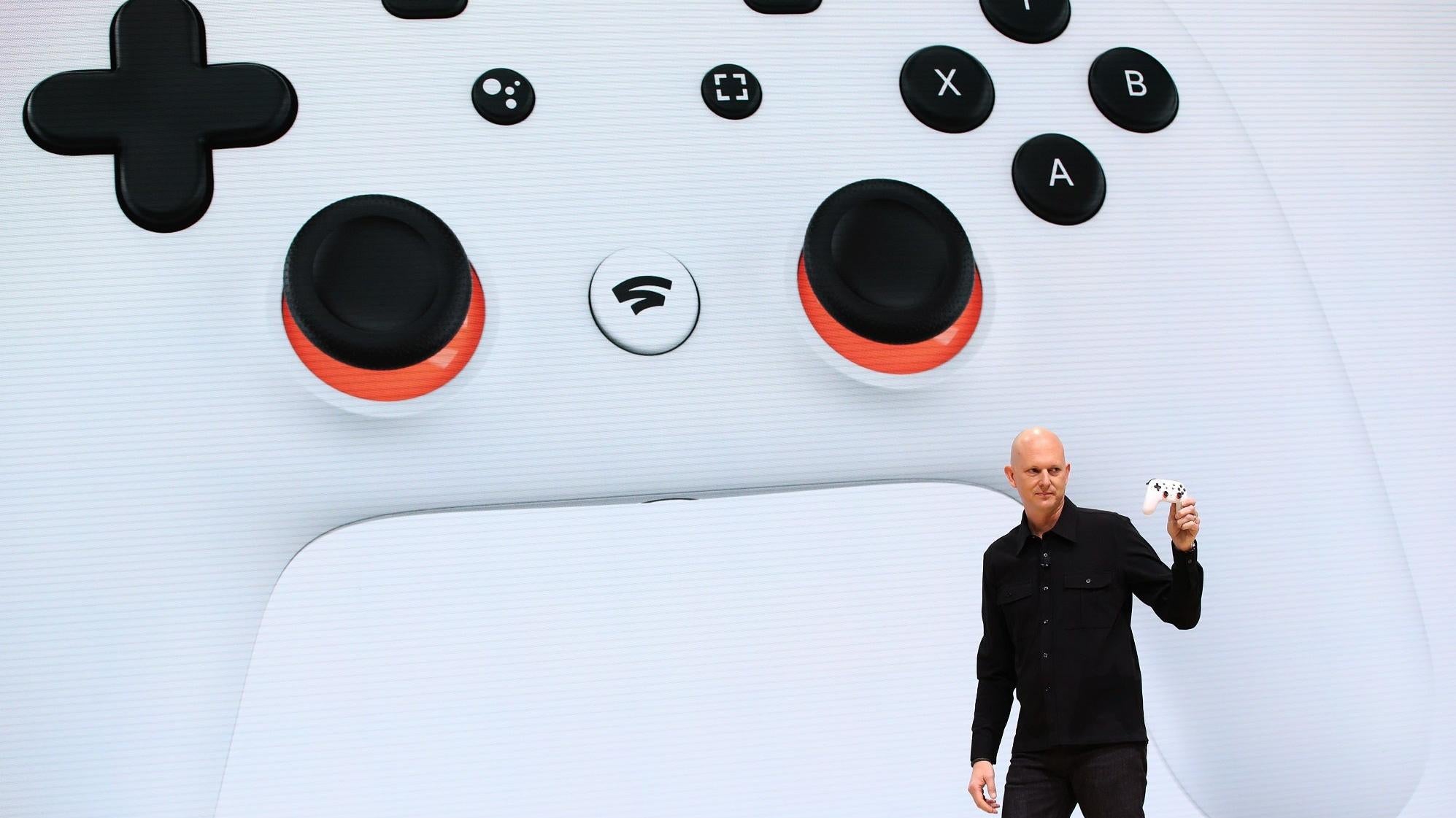
Just a reminder this is how Google's CEO chose to kick off the big event for Stadia's reveal… pic.twitter.com/zsrQVHXjun
— MinnMax (@MinnMaxShow) September 29, 2022
Google talked a massive game back when Stadia was first unveiled at the Game Developer Conference 2019, but it was clear by the time the service launched later that year that it wasn’t ready for primetime. The tech was impressive but promised features were missing and the launch library wasn’t very impressive. While Stadia did continue to add new games, most had to be purchased a la carte, making it a steep investment for the casual audience it was aimed at. Then Xbox Game Pass came along and married a huge library with a single monthly fee. Stadia, meanwhile, reportedly struggled to get big games on its platform, spending tens of millions to attract titles like Red Dead Redemption 2.
Of course, none of that is to say Stadia was doomed from the start. Google’s track record, and Stadia’s own past, call into question whether it was ever properly committed to the ambitious endeavor. Stadia’s first-party studios shutdown last year, scuttling projects that were still in pre-production and leaving some developers who had moved across the country for the company feeling betrayed. At the time, Kotaku reported that Harrison had told Stadia staff that Microsoft buying Bethesda had been one of the reasons for the closures, convincing Google that the price of competing in first-party development was more than it wanted to pay.
“We remain deeply committed to gaming, and we will continue to invest in new tools, technologies and platforms that power the success of developers, industry partners, cloud customers and creators,” Harrison wrote in today’s blog post.