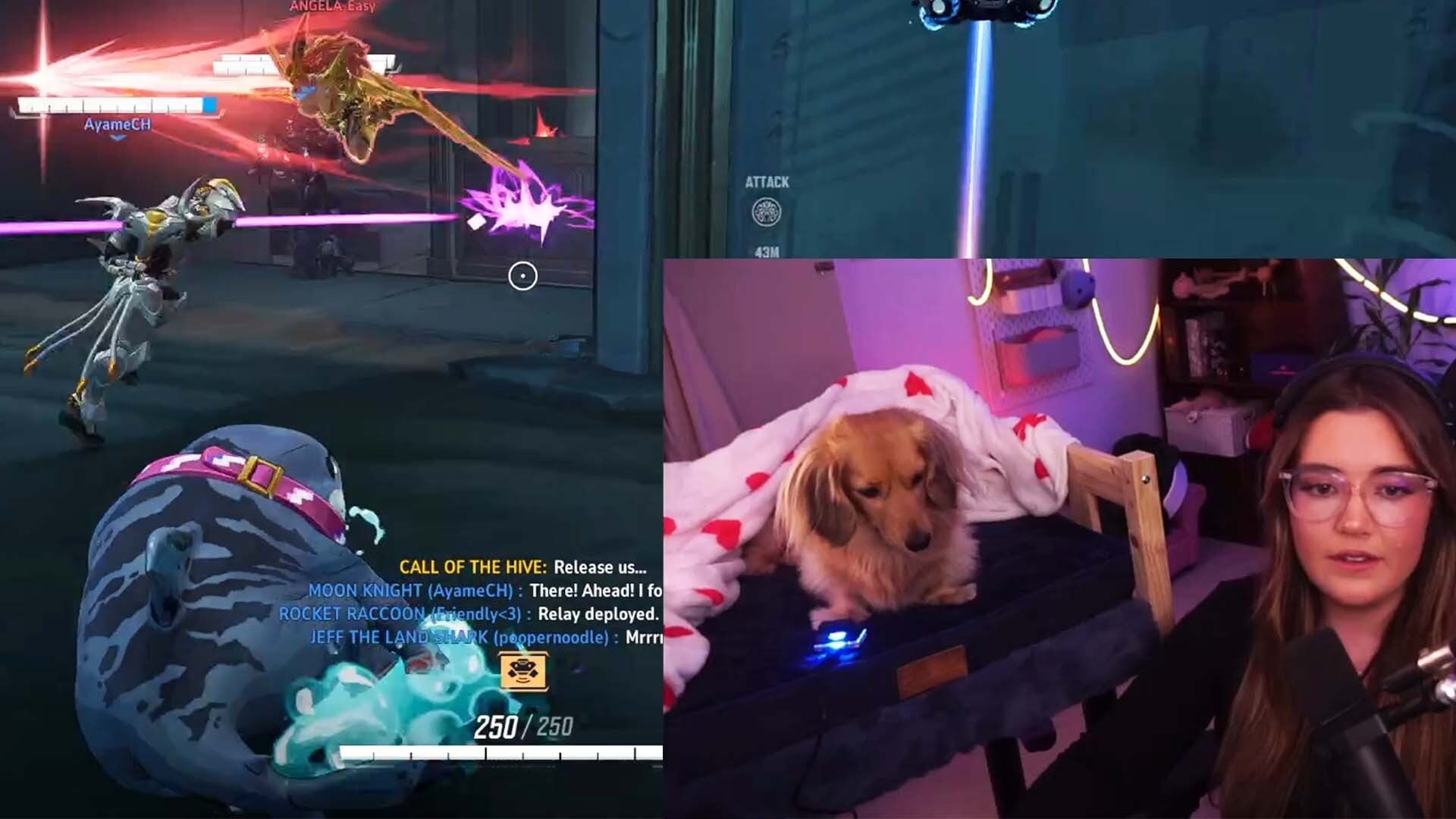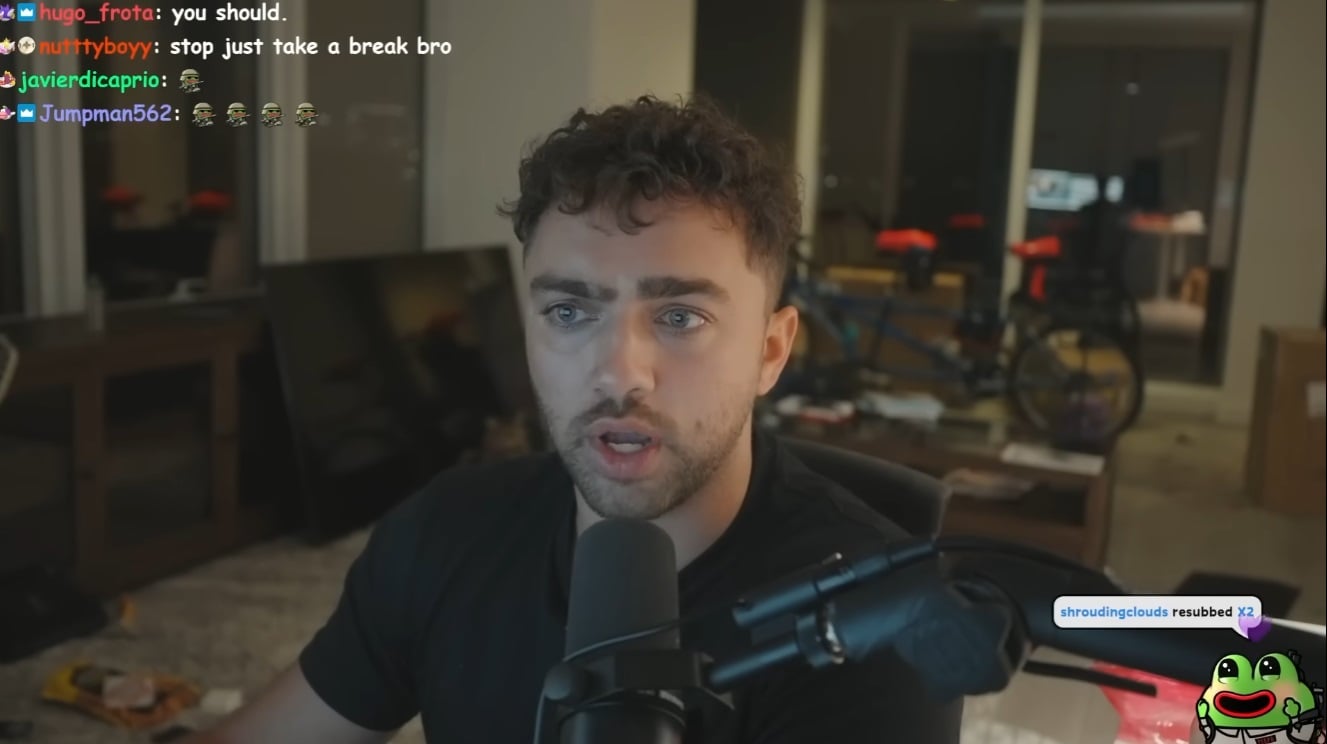
One of the most enjoyable aspects of Twitch is that you can never entirely predict what sort of alchemical chain reaction a streamer and their audience will create together. Recently, an ad agency representing Burger King decided to cash in on this inherent unpredictability, seemingly without asking anybody. Streamers are, to put it lightly, not pleased.
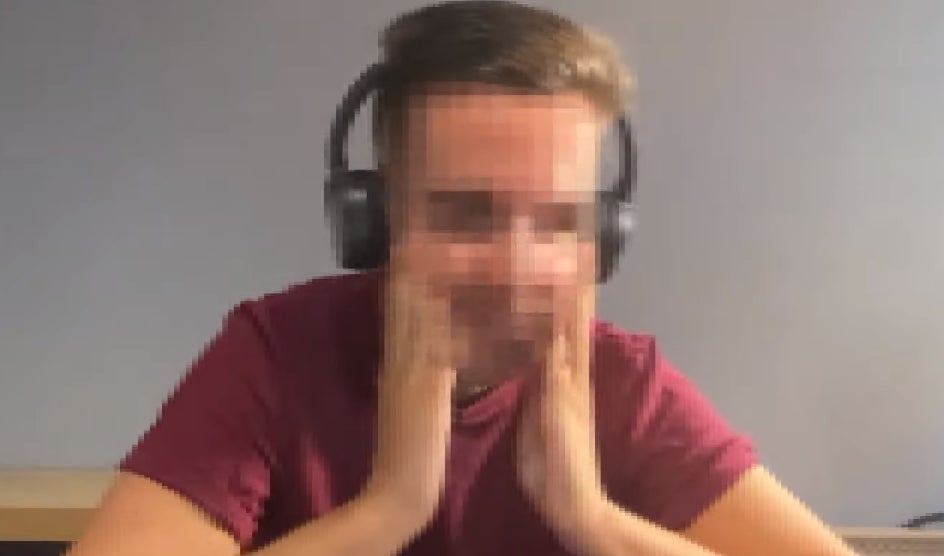
Yesterday evening, ad agency Ogilvy tweeted out a video demonstrating the results of a campaign by one of its teams, DAVID Madrid. In it, an Ogilvy/DAVID employee donated the price of various Burger King items—never more than $5—to streamers who use text-to-speech programs that read out messages written by fans who give them money. They would then type in a message advertising Burger King products you could buy for that price—$5 for a Whopper, fries, and a drink, for example. In the resulting video, the agency clearly wanted to communicate how much this weirded out streamers who did not expect to see Burger King in their chat that day, or any day, ever. The video depicts streamers, with their faces blurred and their voices altered, saying things like “I am so confused!”
A little less than halfway into the video, however, one of the streamers Ogilvy/DAVID chose to ambush with its guerrilla marketing campaign got to the heart of the issue: “Listen, are you gonna sponsor me or not?” asked the anonymized streamer after getting advertised at.
https://twitter.com/embed/status/1295707612315553799
The video ultimately wraps around to scenes of streamers thanking Burger King for giving them $5 (or less), because anything else would be an incredibly bad look. But, as evidenced by streamers’ reaction to the video, this was still a very, very bad look. Many streamers, after all, make a large portion of their money off advertisements, both through ads Twitch runs during their streams and, more pertinently, off deals they or their agencies/managers negotiate with individual brands. These deals can be lucrative, a key part of streamers’ livelihoods. Ogilvy, a high-profile ad agency whose various teams have also worked with companies like Dove and IBM, effectively bypassed that system and used streamers’ channels to boost a multi-billion dollar brand for chump change. Then it released a video trumpeting this as a triumph of marketing savvy, rather the underhanded tactic many feel that it is.
Since the tweet of the video first went out yesterday evening, streamers have been speaking out against it en masse
“This is exceptionally low class,” Ben “CohhCarnage” Cassell said on Twitter. “Taking advantage of a system meant to support these streamers, utilizing it for big-name companies that could easily afford to do it properly and then bragging about it? Predatory marketing. Cool.”
“Considering the proper channels exist, it’s so unfortunate to see billion-dollar companies nickel and diming their ad budget at the expense of content creators’ bottom line,” he added in a DM to Kotaku
“This is absolutely unprofessional and unethical,” Nati “ZombiUnicorn” Casanova said on Twitter. “I don’t know how anyone approved this idea. You should have consulted professional streamers before launching this initiative.”
Initially, some speculated that the whole video might have been staged, given that it was difficult to discern streamers’ identities and the games they were playing were clearly fake. However, slowly but surely, a trickle of streamers have come forward to say that this or something similar has recently happened to them.
“It happens to me like once a month or so; a company will donate money or gift subs just to advertise,” longtime Twitch partner AnneMunition said on Twitter. “I really despise when companies take advantage of my live content in order to push their ads without clearing it with me first or offering what I should be paid for the marketing, which is more than $5 I’m pretty sure.”
It is worth noting, too, that brands like Cash App have been known to gift subscriptions to viewers in streamers’ chats—another means of advertising without necessarily having a deal in place.
AnneMunition was not featured in Ogilvy/DAVID’s video, but others, like Tyler “TeePee” Polchow, were. After fans recognized him in the ad, Polchow said that it was, indeed, him, and that the company never made a direct request for him to participate in an ad campaign.
“Just a random dono,” he said on Twitter. “Think they did it a couple more times and then I stopped it from happening because it was weird.”
Others, like Jacob “Weest” West and Ross “RubberNinja” O’Donovan, seemingly received donations from Ogilvy/DAVID and Burger King, but their clips didn’t make the cut.
“This just happened to me a few weeks ago, and I thought it was a meme and I ignored it,”said West on Twitter. “But holy shit, the fact that this is actually being used in an advertising case study is so tacky and unprofessional. Hard fucking pass on this shit. $5 to promote your multi-million dollar franchise? A slap in the face at best.”
O’Donovan posted a video of his own interaction with a viewer advertising Burger King via a $5 donation, which he says took place a month or two ago. In it, he goes back and forth with the viewer, mostly making jokes about his time working at Hungry Jack’s, which is Burger King’s Australian subsidiary, and not really playing into their marketing ploy. Now O’Donovan is glad that he didn’t give Ogilvy what they were apparently looking for.
“I was just minding my own business working on my 40-level Mario Maker world,” he told Kotaku in an email. “I had no idea what was happening. I assumed it was some viewer shitposting, so I didn’t stop them. Viewers using my streams to advertise is against the rules. I’ve since perma-banned King of Stream and Burger King.”
https://twitter.com/embed/status/1296319037786320897
Like Polchow, O’Donovan said that neither Ogilvy/DAVID or Burger King reached out to him before or after the stunt. He also observed that streamers the agency went after, himself included, use minimal stream overlays, which makes it easier to place their face cameras on top of stock footage of fake games (presumably to get around copyright issues). He doesn’t approve of any of it.
“It sets a bad precedent,” said O’Donovan. “Advertisements also have to be disclosed. Doing that through someone’s platform without first contacting them is disgusting. I honestly think this should be investigated by the FTC… I think they should be held accountable, and this should be a case study for marketing students in the future that this is absolutely unethical. I’m shocked anyone greenlighted this.”
Many have pointed out that DAVID and Burger King’s campaign seems to violate Twitch’s terms of service, as well as potential agreements streamers might have with brands that consider Burger King a competitor. Kotaku reached out to Twitch for more information about whether or not this is even allowed, but the company would only say that it was not involved in this particular ad campaign.
“We are always looking for opportunities to create innovative campaigns with leading brands,” a Twitch spokesperson told Kotaku in an email. “While we welcome creativity, we were not involved with this Burger King promotion. Our community is our priority, and we work to ensure our streamers come first with any brand we partner with.”
Kotaku also reached out to Ogilvy, the agency’s DAVID Madrid team, and Burger King, but received no replies
Thom “F.” Badinger, a commentator and streamer who also does consulting work with companies looking to enter the gaming space, thinks Ogilvy’s plan blew up so spectacularly because it looked at Twitch and streaming as a resource to exploit—not a burgeoning and increasingly influential culture.
“What Ogilvy/BK did here is a cultural faux pas, which stings on two levels,” Badinger told Kotaku in an email. “Not only were they doing ‘the wrong thing,’ but the fact that they’ve committed the faux pas reveals a lack of respect for the culture they’ve entered in the first place. If you walk into a Japanese home with your boots on, you’re not only disrespecting the tradition, but the culture itself by not looking into what is considered the norm. This is sorta like that, except the blunder is even more pronounced because of how innately human the whole thing feels.”
Then, of course, there’s the more obvious angle: Ogilvy and Burger King are enormous. Most big streamers aren’t anywhere near their level, but they didn’t even scoop the biggest fish out of the small pond. What they did was exploitative, plain and simple.
“It’s not much of a stretch to assume that literally all streamers have dealt with some sort of invasive self promotion in their time,” said Badinger. “It’s also not much of a stretch to assume that most streamers have had their craft disrespected and their communities looked down on as insignificant or not worth a real business meeting. It’s also very much not a stretch to think that the lion’s share of streamers have been taken advantage of by Big Brands. In one fell swoop, Burger King and Ogilvy hit all of these sore spots.”
Correction, 8/21/20: Tweaked the article’s language in a few places to make it clear that while DAVID is part of Ogilvy, DAVID Madrid ran this campaign, not Ogilvy’s main New York team