16. Street Fighter II: The World Warrior (1991)
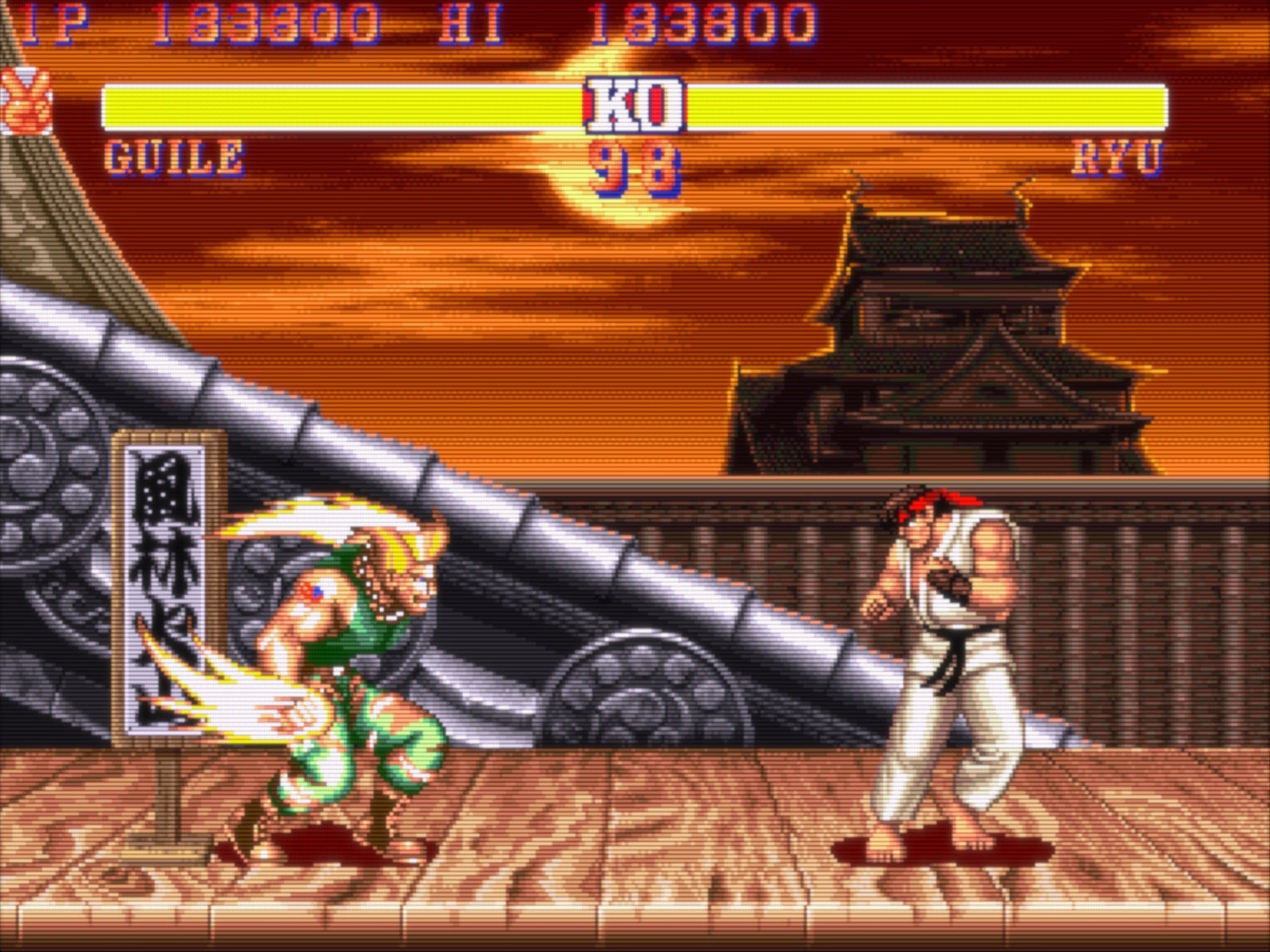
Wow. This is the one that started it all, the spark that caused the fire that totally reshaped the arcade business of the early- to mid-’90s. Street Fighter II: The World Warrior feels like it came out of nowhere, an unexpected sequel to a middling 1987 coin-op few people really loved. But they sure loved Street Fighter II
If you weren’t there, it’s hard to convey just how huge a phenomenon this game became, creating a whole new culture of people hangin’ out in arcades and 7-11s and literally lining up quarters to reserve turns on the constantly busy SF2 cabs. Loser paid, winner stayed. Those were the rules, and needless to say, arcade operators loved the idea of players forcing each other to buy back in.
A whole new vocabulary arose, full of words describing concepts heretofore unknown to video games. Cheap. Combo. Meaty. Bread and butter. Mix-up. Anti-air. DP. Broken. Footsies. 2-in-1. Cancel. Negative edge. Flash kick. Poke. Neutral. Tick throw. Sweep. Defensive crouch. Handcuffs. And on and on. As the first modern versus fighting game, The World Warrior offered an unprecedented level of gameplay depth and sophistication, which players around the world were eager to discover, document, and master.
The eight-character roster (seven, really, since Ken and Ryu played near-identically) feels tiny today, but back then, diving into a brand-new genre starting from nothin’, it felt perfect. And every character established in The World Warrior, including the four CPU-only bosses, became mainstays still beloved today. Well, except for those two randos in the intro.
You’ll notice we ranked it somewhere near the back-middle of the pack. That’s because today, The World Warrior feels small, slow, limited, and even a wee bit jank to play. But when it comes to historical relevance, few other Street Fighters come close. Hell, few other arcade games come close. — Alexandra Hall