18. Super Street Fighter II: The New Challengers (1993)
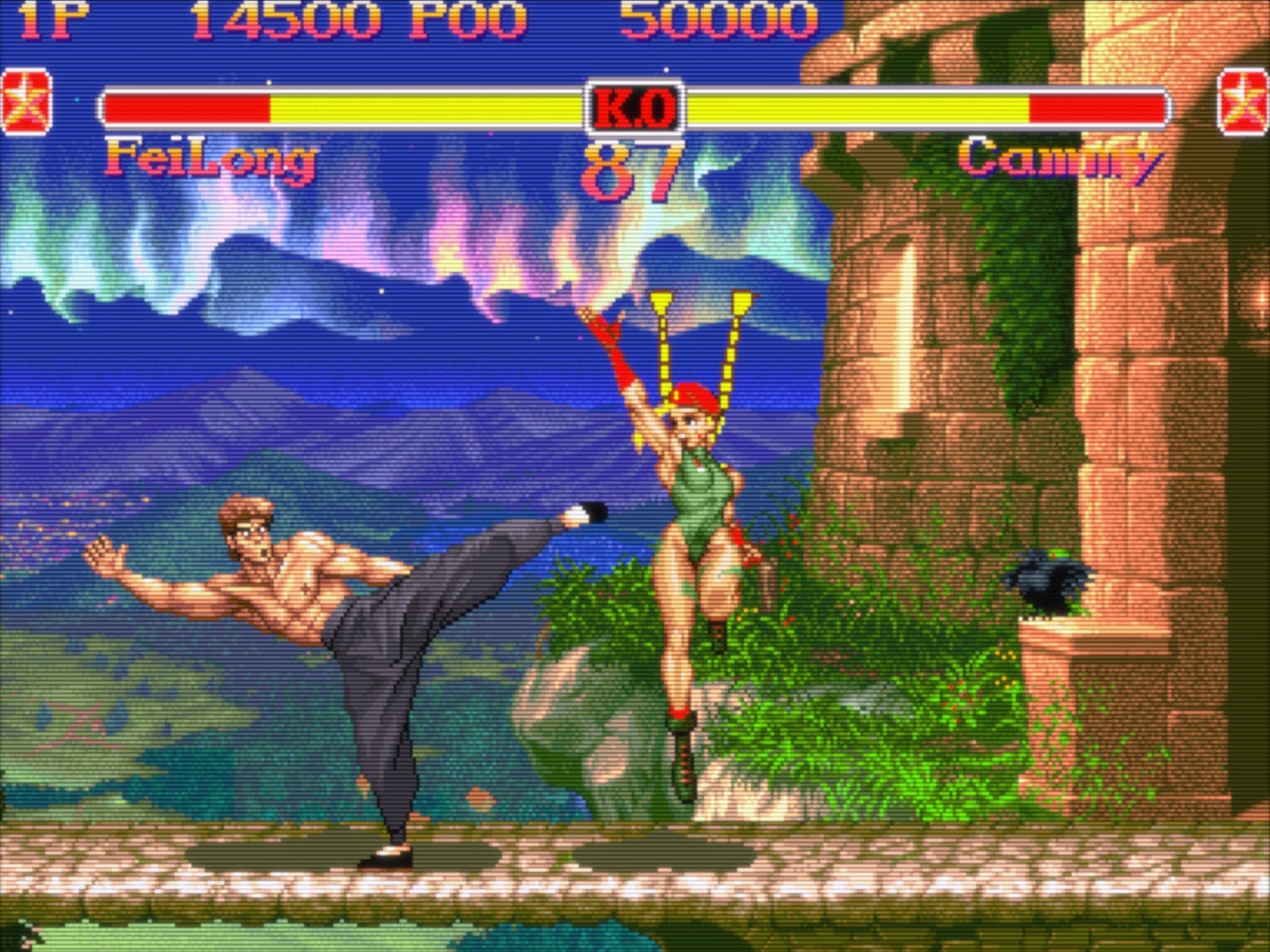
By 1993 Street Fighter II had completely reshaped the arcade business, and Capcom needed to sustain the momentum of its unexpected phenom. Solution? Port the game to its new, pirate-proof CP System II hardware (CPS-2), add four new characters and some spiffy new art, completely redo the audio, give each character a whopping eight colorways, and bolt on a prefix.
Street Fighter II is great, so why do we rank Super relatively low here? Because this particular edition was a disappointment at the time, and no one plays it seriously today. Back in 1993, the new characters were welcome, but the return to pokey, pre-Hyper Fighting gameplay speeds was widely regarded as a downgrade.
What’s more, Capcom obsoleted Super barely five months later by releasing Super Street Fighter II Turbo, which restored the accelerated game speed and made many other positive changes that helped cement that edition, and not plain old Super, as the definitive version of Street Fighter II
That all being the case, it’s interesting to go back to Super these days to notice all the ways it differed from both its superior follow-up and its CP System (CPS-1) predecessors. On the tech front, CPS-2’s most noticeable difference came in its audio, using proprietary algorithms from QSound Labs to create a more “spacious” soundscape. However, some players prefer the musical arrangements and much bassier sounds of the older CPS-1 games, and just about everyone agrees that Guile’s new voice was…a strange choice. — Alexandra Hall
Please, anything but | Super | …
It was a bummer that Capcom decided to port The New Challengers to SNES and Genesis instead of Super Turbo ; the latter hit arcades three months before the 16-bit ports of Super landed, making Super yesterday’s news before it even came home. Thus would begin an over three-year wait for a credible console port of Super Turbo , because the lone 3DO conversion wasn’t it.
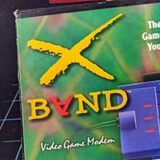
And apparently Capcom USA overestimated 16-bit demand, as it suffered serious losses from having to buy back unsold Super carts later in 1994. One neat tidbit, though: The 16-bit ports of Super Street Fighter II were the first games in the series to have online play, thanks to the modem-powered XBAND service