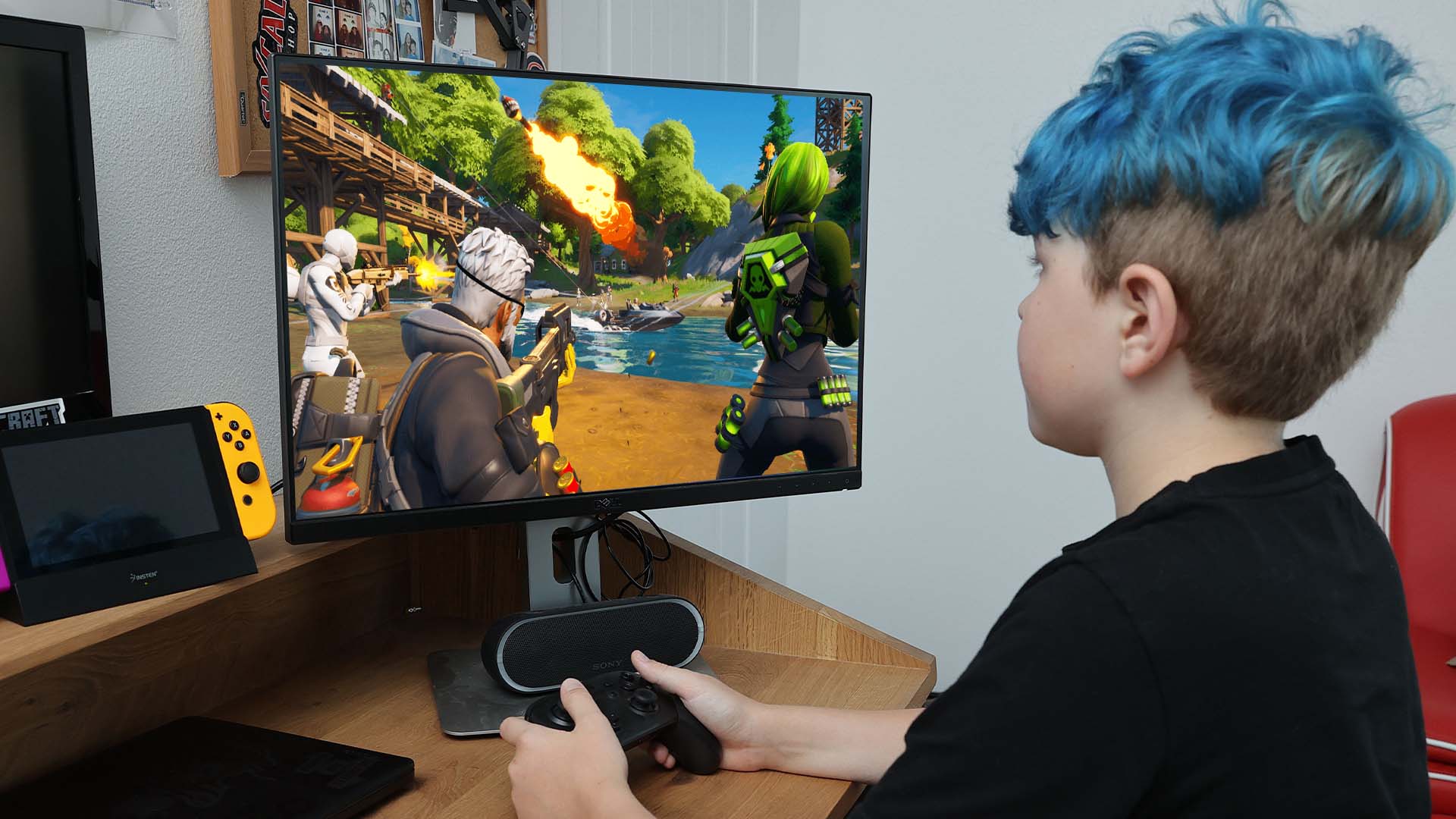
New data from Norway examines how video games influence children, their social behaviors, and their spending habits. It turns out, younger players are being bullied over their lack of cosmetic skins, are using in-game items to become more popular, and are struggling to avoid all the ads and user-made scams connected to popular online games like FIFA, Fortnite, and Warzone.
As reported by Crossplay—a gaming newsletter focused on parents and kids founded by former Kotaku writer Patrick Klepek—a pair of studies by Norwegian researchers include some alarming information about how kids between the ages of 10-15 interact with video games and how these popular games can have big effects on their social lives. The studies were conducted by researchers Kamilla Knutsen Steinnes and Clara Julia Reich of Oslo Metropolitan University as part of a larger initiative by Norway’s government to understand the relationship between children and games.
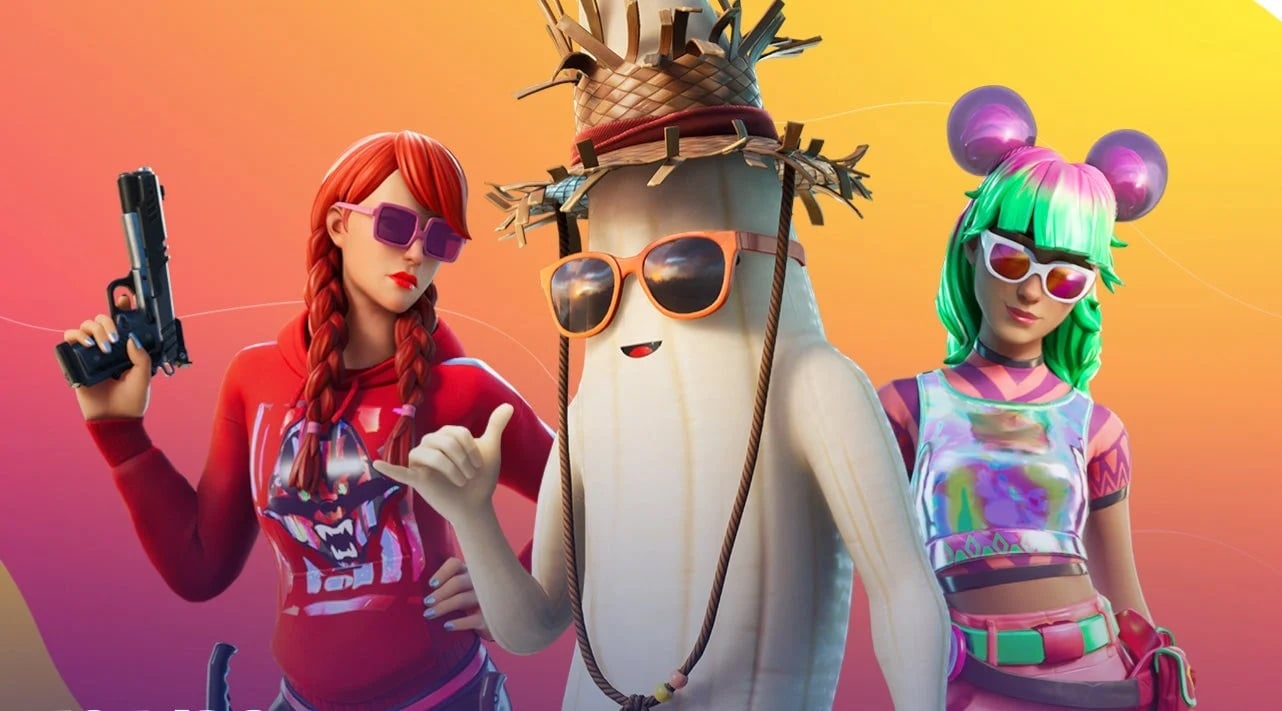
According to Reich, their findings show that how a child appears in a game can play a “crucial” role in how other kids treat them.
“Children may experience being called poor if they haven’t spent money on their character. Children who have spent money on their in-game character can gain increased attention and other advantages, thus buying popularity,” said Steinnes.
This is because nowadays, children’s digital and real lives are one and the same. Wearing the right skin in Fortnite is just as important as dressing correctly at school, according to the studies. And kids who can’t afford the right gear or who don’t play games are struggling to fit in.
“There’s no sharp distinction between their online and offline world. These are just different parts of the social world they navigate, and appearance, or skins, are important identity markers,” said Steinnes.
One 13-year-old, Frank, added: “If you don’t play with anyone, you kind of have nothing to talk about at school.”
“Kids into football play FIFA and spend money on in-game items that confer status, while others spend money on effects from Nike, Balenciaga, or Star Wars. They are influenced by memes and trends on platforms like TikTok,” said Reich.
Speaking to Crossplay, the researchers further elaborated:
The pressure to fit in resembles what is already taking place in other contexts but takes on new forms. Some children might end up feeling excluded if they lack the resources (e.g., Wi-Fi, gaming equipment, in-game currency) to play with their friends or might get picked on based on what ‘skin’ they are wearing.
Publishers and scammers are taking advantage of kids
Making things worse is that video game publishers have become very skilled at constantly advertising games and in-app purchases to kids. This means it’s becoming harder and harder for children to focus on other things in their lives, making the pressure to have the coolest skin grow even worse. And for kids who can’t afford to fit in, they can be bullied or treated poorly by their peers. For girls, this abuse is often worse, both in and out of games.
“I heard things like ‘go back to the kitchen’, and it was like ‘you’re a girl, die, die, die’. It was, like, very graphic,” said Sidra, a 14-year-old girl who was part of the study. The study also showed that skins and in-game cosmetics can create “digital body-image” issues, too.
Another problem found in the studies is that kids report being scammed. The researchers suggest that this is because kids lack “consumer competence” but are being thrust into situations where they encounter high-pressure sales tactics built around making them feel like they have to act fast or miss out. And when someone comes along promising them cheap currency or a good deal, kids might not realize it’s a scam until it’s too late.
“This is problematic because children and young people are a vulnerable consumer group navigating almost unregulated markets on their own,” said Reich.
Overall, it’s enough to make me thankful I don’t have kids and don’t have to help them navigate the modern world of free-to-play video games that often share more in common with casinos than they do with other games you play for fun. And as the internet becomes more and more a part of every bit of our lives and games become more and more popular on mobile devices, the situation may only get worse.
.