When you see the terms “video game” and “fashion” strung together in the same sentence, your brain probably heads in two directions:
First, you likely think of the plethora of DS games involving fashion design that you’ve stepped on in your sister’s room, like Imagine: Fashion Stylist, My Fashion Studio, etc. Your brain gets as far as picturing girls putting clothes on other girls before we lose you to an entirely different thought pattern.
Hey, back over here!
Secondly, you probably recall awesome video game-inspired clothing we’ve seen through the years, a defining element of “geek chic.” Pac-Man scarves, Tetris ties, Mario hoodies, and Zelda sneakers – each a proclamation to the world that the wearer is a bona fide game lover.
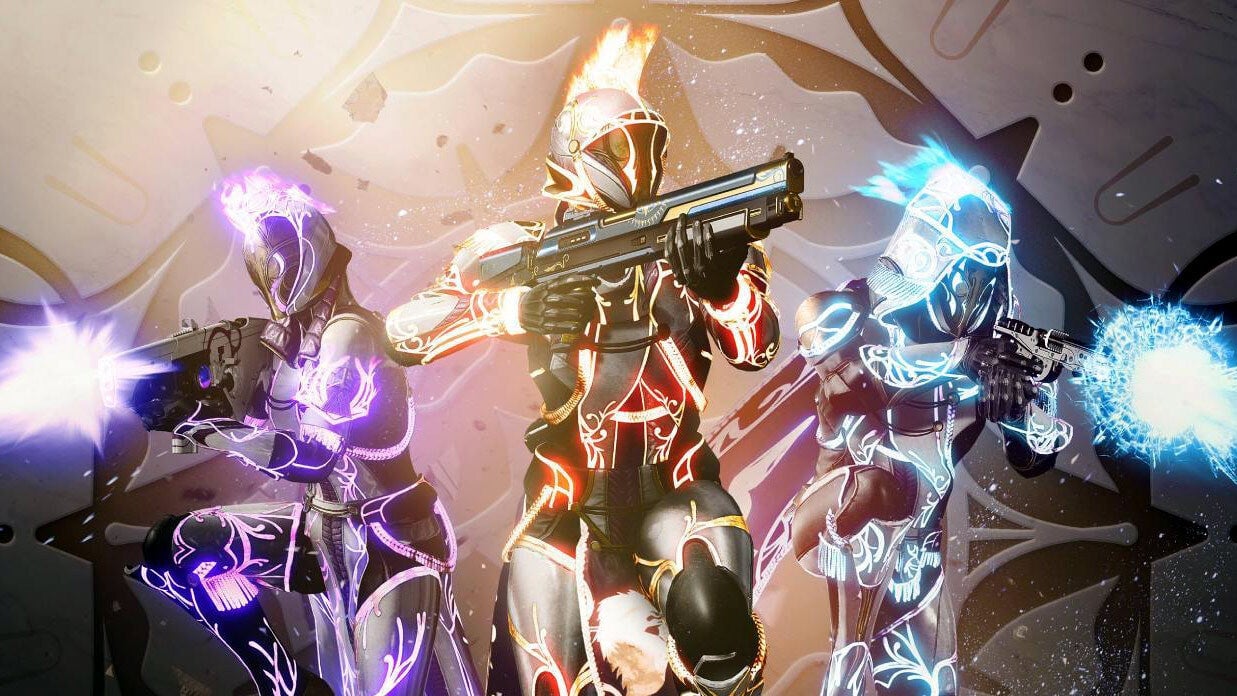
But there is a third way to look at “video game fashion.” We can literally examine the fashion in our video games. Red Dead Redemption gives us old western styles, Mass Effect shows us what we might wear in the future, and games set in recent years feature ensembles that, well, you and I could even be wearing while we play.
Video games, to put it simply, are “interactive fiction.” While the key word there, fiction, allows game designers to take seemingly endless amounts of liberties, games set closer to present day still have to feature present-day characteristics in order to be taken seriously. For example, you’ll never hear Nathan Drake say, “Tubular!” or see Lara Croft drink a Mello Yello. From slang to music, products to gadgets, video games have to keep up with the times.
This includes having a period-appropriate fashion sense.
While I’m no fashion expert, I think some characters dress quite well, such as Chloe Frazer (Uncharted 2), Rubi Malone (Wet), even Cole MacGrath (InFamous) has a pretty cool yellow jacket. Others? Not so much: Arcadia (NeverDead) appears to be wearing some kind of sweater dress with thigh highs and a peeping pink bra, Lucy Stillman (Assassin’s Creed) always wears boring outfits, no one has ever liked Dante’s brown “boob” strap, and, for the sake of our Rage Meters, let’s not even get started on the new Dante.
Obviously character artists are extremely talented – they research, they’re creative, and they come up with some very unique clothing designs. But it’s interesting to entertain the idea of bringing in professional designers from the fashion industry to assist in creating digital garments. After all, isn’t it their job to be innovative? To stay fashion-forward and predict trends? If professionals create stunning outfits for celebrities, why shouldn’t our video game celebrities get the same treatment?
Of course, by suggesting that characters wear labels, I certainly don’t mean that Ryu should start sporting Nikes and shirts with True Religion logos. I’m talking about exploring and expanding the world of digital clothing design. Even professional designers may find their creative juices gushing like white-water rapids when possibilities become endless – you can create anything in a CGI world.
Now, let’s put on our hypothetical pants and our “What if?” saddle shoes for a moment and dive into this idea even further.
Say our characters do start wearing clothes and accessories designed by professional fashion designers. Instead of having a replica of the ensemble available in the Xbox Avatar Marketplace or PlayStation Home stores, what if they were available in real stores, for real gamers to purchase? It could be both subtle product placement for designers to sell clothes and, once purchased, a new form of real-life cosplay. You see a jacket on Alan Wake, and lucky you! It’s available for purchase online as part of a fashion line or maybe even at a mainstream store, like Banana Republic. Think about it: The characters aren’t wearing our clothes, we’re wearing theirs.
What I’m saying comes down to this simple example: Certain pre-orders of Mirror’s Edge came with a replica of the yellow Runner’s Bag that Faith Connors carries in the game. I’d much rather carry around that bag than one that blatantly says, “Mirror’s Edge” on the front. It’s a video game bag that became part of my everyday fashion. To the average Joe, it’s a normal tote; to fellow fans of the game, it’s an accessory that warrants a high-five.
Of course, the lack of a big, bold logo doesn’t do much for advertising, but it’s an idea no more far-fetched than a Call of Duty: Black Ops Jeep Wrangler
Maybe the concept of mixing video games and real-world fashion is silly and maybe I only think it would be neat because I’m a female who watches Project Runway, but I’ll admit I’d be the first in line to buy an Ada Wong red dress or even a God of War-inspired skirt. And let’s not forget the future of digital fashion shows! Can’t you just picture Nathan Drake strutting down a catwalk?
…
Did I take it too far? I think I took it too far.