There’s little that can spoil a game, film, book, or show more than its loudest fans. I’m reminded of this by the utterly bizarre reaction to the most recent Superman TV spot, shared by James Gunn and responded to by those who purport to be the movie’s future audience as if he’s committed a war crime. Stop it! Everyone just stop it! You’re liking things all wrong, and it’s ruining it for everyone.
So, by “fans” I mean the word very literally, “fanatics.” I don’t mean those who engage with media by playing, watching, or reading with a desire to find enjoyment: I mean those who believe they are in a relationship with the work, that there’s some sort of two-way communication going on. These inverted parasocial relationships, where the audience believes itself in authority over the subject, are having a grim effect on culture. We’ve reached a position where a director is immediately defending himself against an onslaught of wildly inaccurate and frankly concerning criticism from those who believe themselves in charge of how an unreleased film is supposed to be. And, as a consequence, those with the money are starting to believe this madding crowd needs to be heard.
On January 26, James Gunn—the director of the Guardians of the Galaxy movies, and the person now in charge of DC’s cinematic universe—shared via X a new teaser for his forthcoming Superman
It begins July 11th. #Superman pic.twitter.com/ey5Bwhnt6D
— James Gunn (@JamesGunn) January 26, 2025
I am a Superman skeptic. Not a Superman skeptic, because I’ve yet to see the movie that hasn’t been released, so have no rational basis on which to form an opinion. But boy do I have Superman opinions. I dislike how people making films or TV shows never seem to know how to cope with this specific character, seeing his innate, all-powerful nature as an issue that needs to be removed. That’s a fascinating problem to solve! You have this essentially immortal god, a being of absolute power to tell stories about, but no one seems to know how to portray him without instantly resorting to reducing him to mortality, whether by weakening him or opposing him with an equally powerful enemy. I have a “Time to Kryptonite” meter on which all Superman fiction is judged, and almost all of it fails miserably. (I know nothing about comics, including Superman comics, and expect this has all been far more interestingly investigated there.)
I must make an aside for the recently concluded Superman & Lois, that repeatedly failed on Time to Kryptonite in every one of its arcs, but actually handled the challenge better than everything else. It showed Superman’s genuine, consequential vulnerabilities: his love for his family, his grief for his parents, his terror at his wife’s cancer, his panic at his son’s crippling anxiety disorder. All of this made an immortal figure meaningful, albeit constantly undermined by yet another weaker enemy using various colors of Kryptonite to punch him in the face.
I worry James Gunn’s movie could repeat the same issues, taking this fascinating dilemma of an invulnerable hero, and rendering it moot by saying some green rocks make it go away. That would be disappointing. However, I’m not organizing a campaign to demand he not do this, nor declaring the film will be obsolete should he do so. I’m not under any delusion that I’m in any form of dialogue with this piece of art: I will be its supplicant viewer.
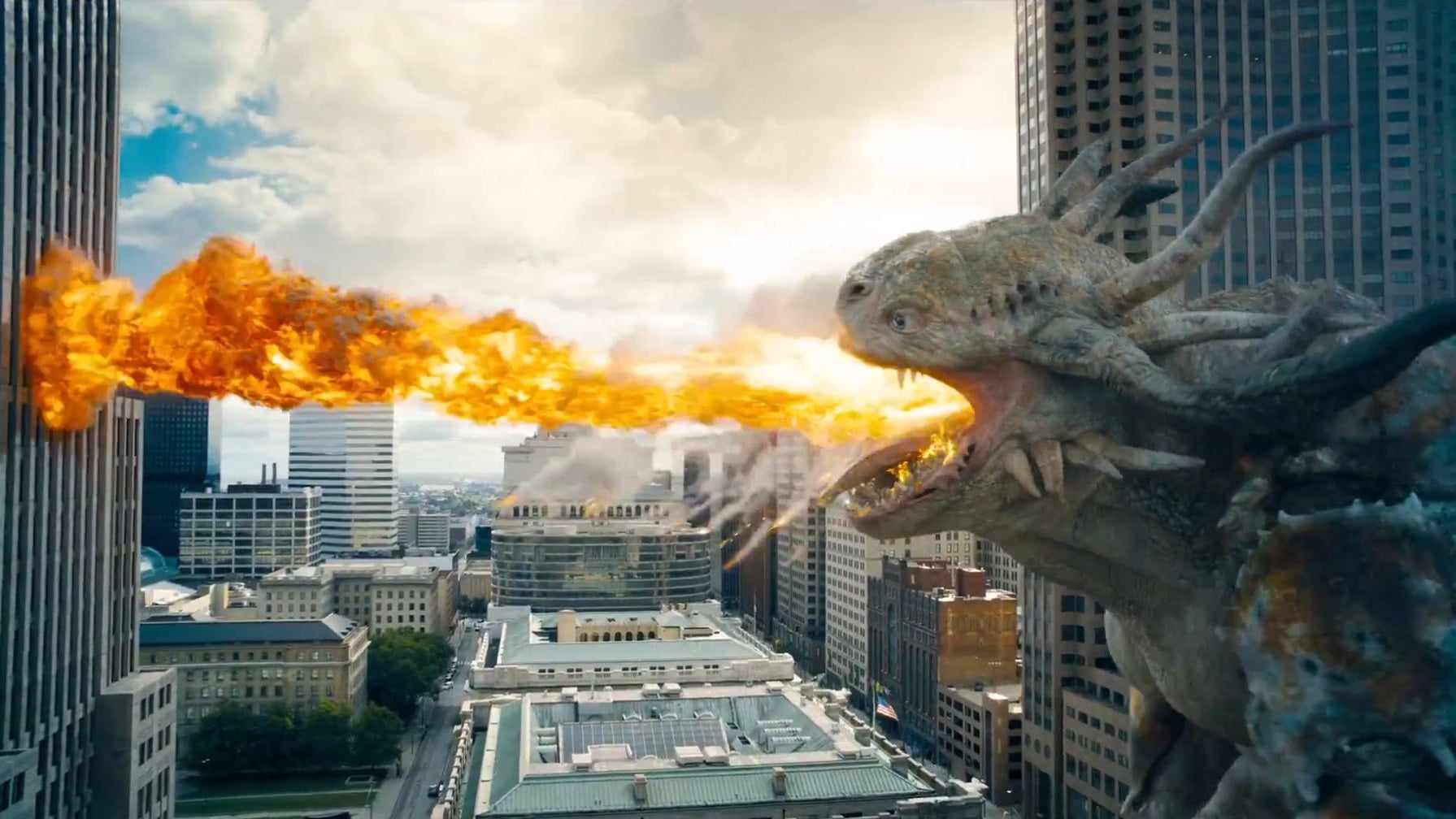
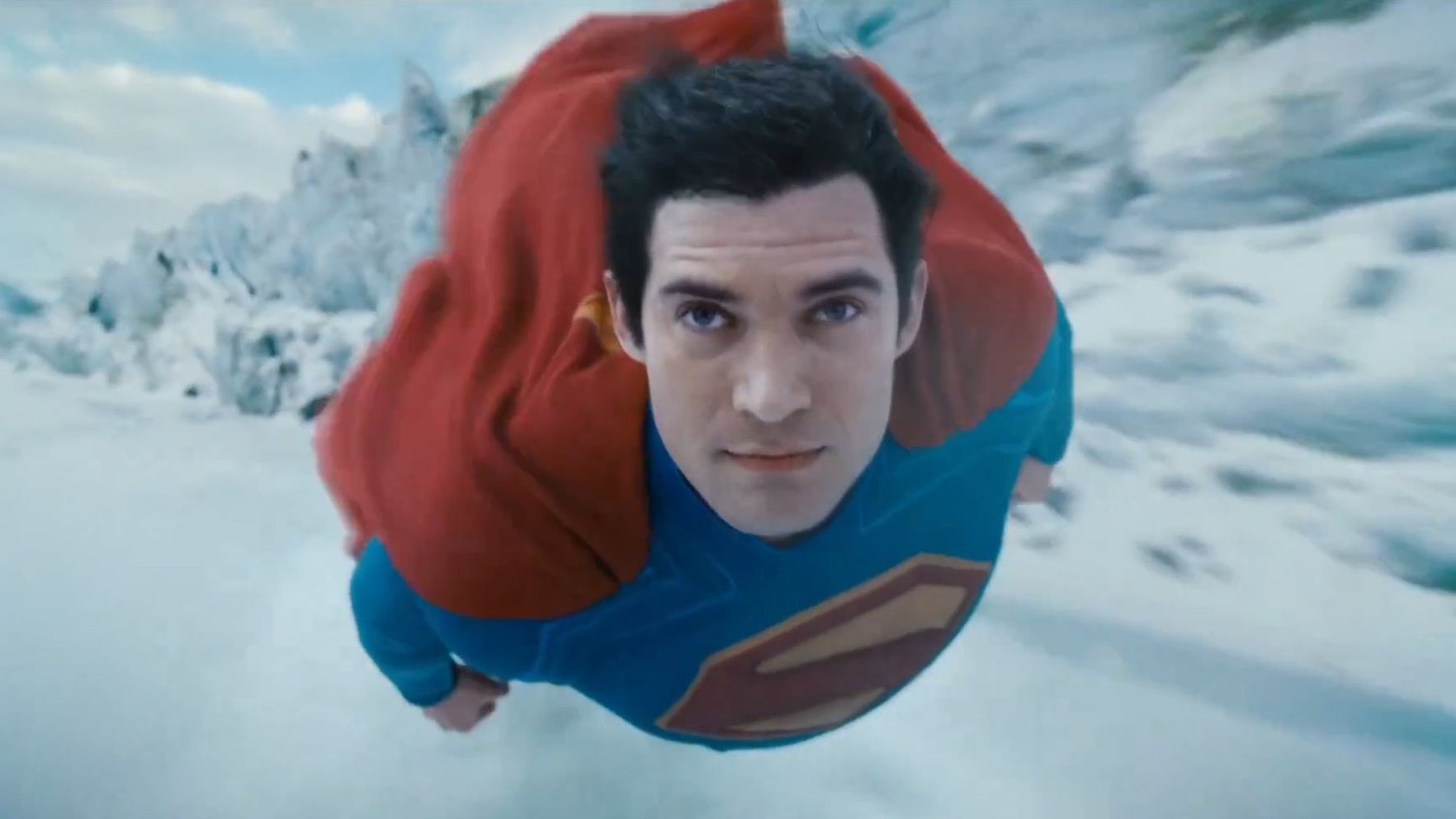
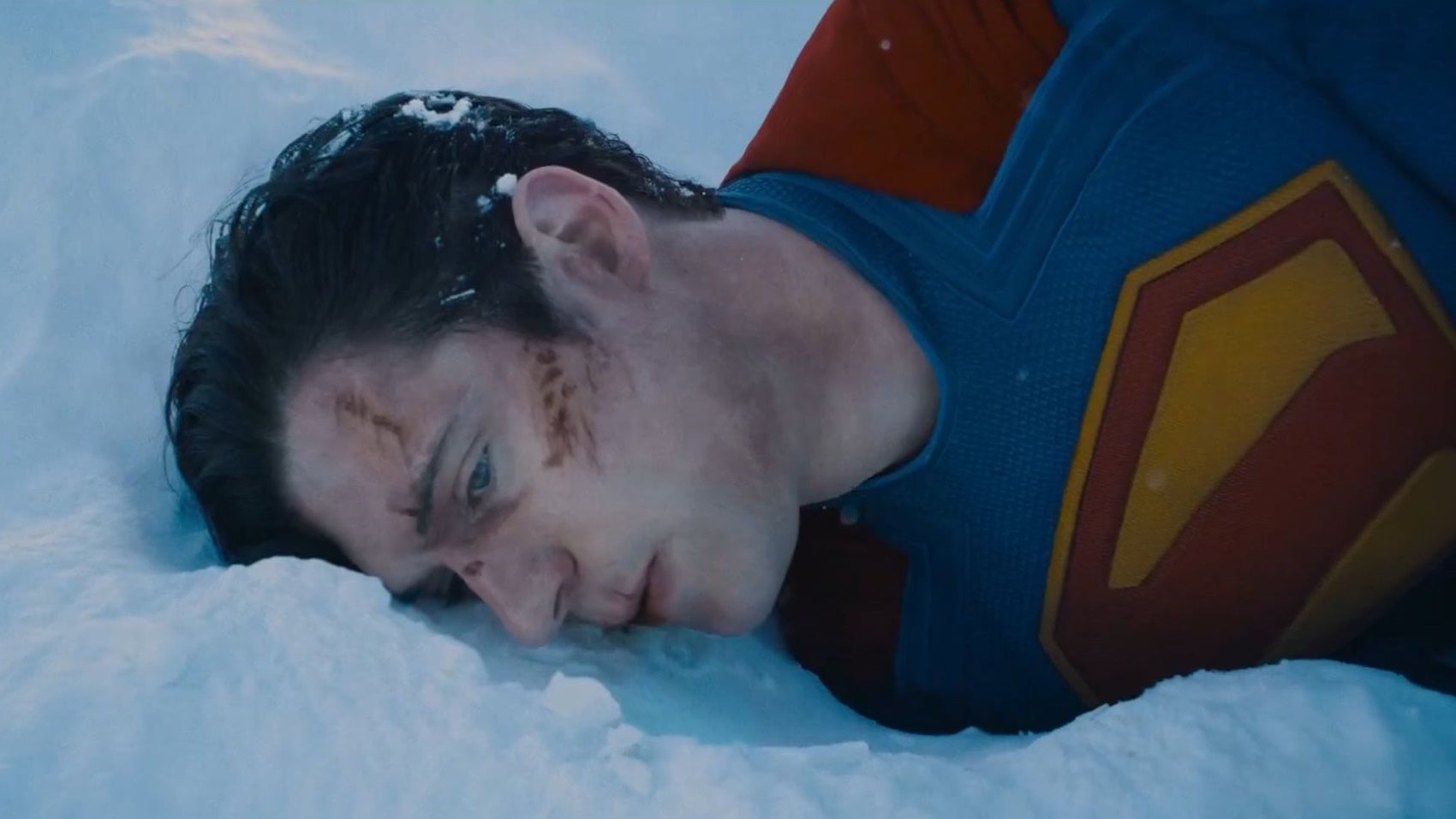
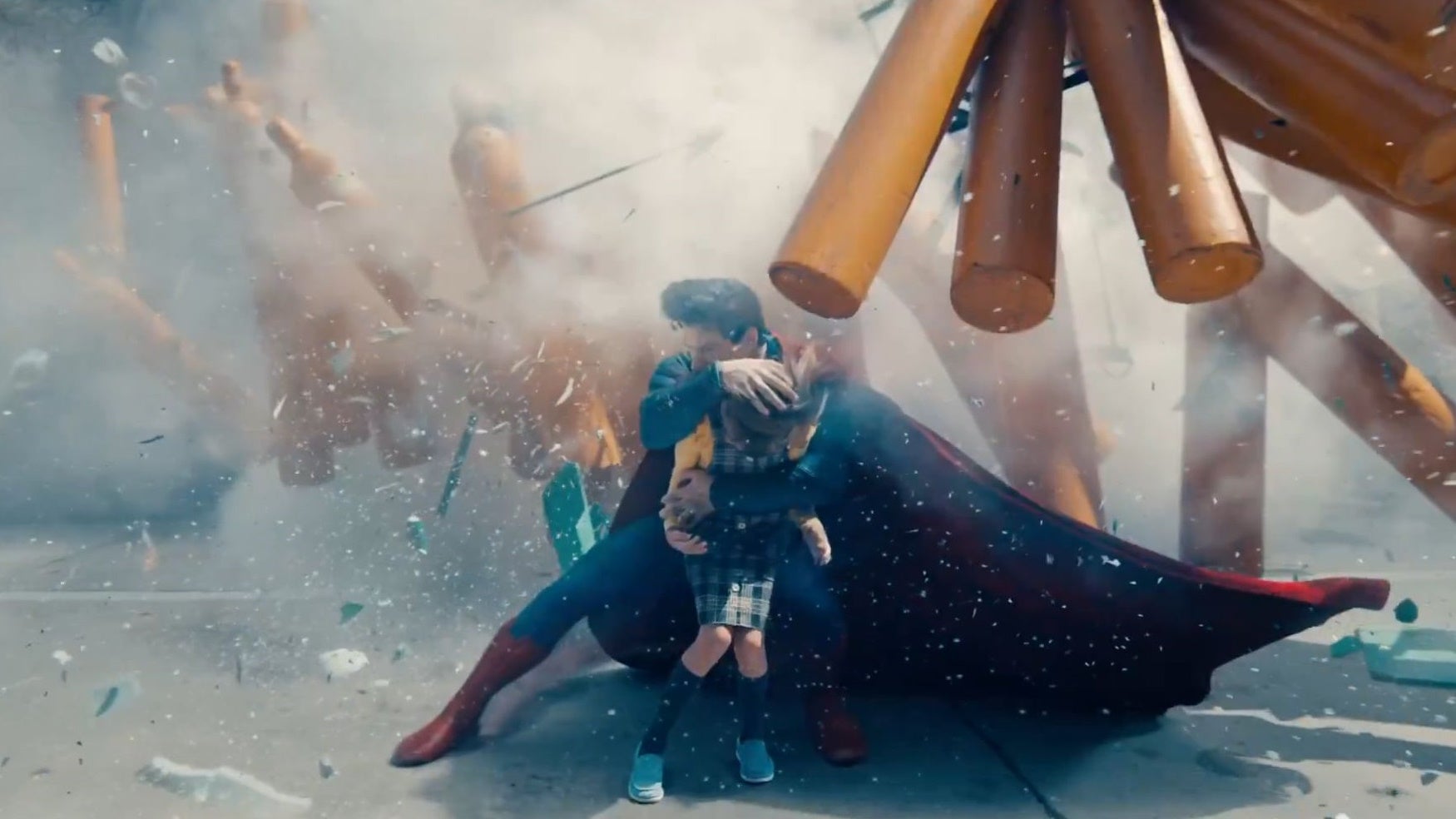
Not so for those who responded to Gunn’s short clip. The 30 seconds of context-less images includes three seconds of Superman flying through some ice, presumably near his Fortress of Solitude. I watched it and thought this: “There’s Superman, flying past some ice. Ooh, he rolled over.” I had no further thoughts about that moment, more interested in other aspects like the role of the yellow flag and the potential silliness of a Godzilla-like creature rampaging through Metropolis.
But this, I have since learned, is not how the film’s “fans” responded. They are furious about those three seconds of flying. Livid. Their reaction has become “viral.” It has offended vast numbers of people who believe themselves the movie’s core audience, and they’re explaining to Gunn in their thousands about how he’s misused CGI, the ways in which he’s messed up some face-replacement technology, and how actor David Corenswet’s eye is millimeters out of line and thus the film is a disaster. (I wish any of this was an exaggeration.)
This reached such a pitch that Gunn felt the need to respond (nooooo!) on Threads, calmly stating that the entire furor over his CG-based crime exists only in the imaginations of the angry mob.
“There is absolutely zero CG in his face,” Gunn explains. “People’s faces can look different when you put a wide angle lens up close. The background plate in Svalbard is 100% real as is David.”
So yeah, the criticisms were conspiracies, entire mobs built around this unforgiveable faux pas that hadn’t taken place. They needed to find something wrong, something that couldn’t pass their perfection test, grabbed hold of this (despite the damned Godzilla), and were utterly wrong. It was only ever a cool, practical flying effect, like it looked.
The endless criticisms about Corenswet’s eyes gets to me more than anything else. Firstly, it’s something people spotted by pausing a three second clip on a monitor in front of their face, forgetting that this is a movie intended to be watched in a theater and no rational person would even study the exact positions of his eyeballs in those circumstances. It’s a fuss about nothing. And what if those are just his eyes?! For God’s sake, the actor who plays Lois in Superman & Lois, Elizabeth Tulloch, has strabismus, meaning her eyes point in slightly different directions at all times. It’s a normal thing. God, you awful people.
I can’t tell you the number of podcasts and YouTube channels I’ve given up on, because the creators spend their entire time worrying about, or directly responding to, the loudest voices in their audience. I struggle to think of any I’ve stuck with that aren’t plagued by this issue. A constant, spoken concern about the portion of their audience who doesn’t like, or doesn’t accept, or doesn’t tolerate, some small aspect of what they do. It’s mostly delivered jokingly, “Ooh, don’t say that, you know what our DMs will be like!” but it’s never with any humor. It’s fear. A show’s fans can cause its creators fear.
And the mistake is the two-way engagement. Before the internet, the movies, TV shows, books, games, plays, whatever, were the authority. They defiantly existed, and the audience either liked them or disliked them in futile near-privacy. The audience’s means of affecting the art’s existence lay purely in choosing whether to continue being the audience. If they didn’t like the show, they didn’t tune in. If they hated the book, they didn’t buy the next one. They could tell their friends to join or not join the audience, and that was effective, but based on their own real-life relationships. Sure, critics had some influence too, but this again was a one-way communication with an audience that mutely chose whether to engage.
And movies and TV shows and games weren’t worse for it back then! It turns out, they didn’t need to be told what to do by an audience that hadn’t yet watched or read or played them in order to create excellent art. Based on the thousands of years of evidence, it’s perhaps reasonable to conclude it’s not a vital part of the creative process. Yet, today, a piece of media’s purported audience sees itself as so utterly crucial that without its constant input, only terrible things can result.
“Thank goodness we were there to tell James Gunn not to use bad CG on Superman’s face in that one flying scene!” they tell themselves, likely never bothering to listen to the response that there was no CG, good or bad. Almost definitely not replying to say, “Oh, I’m sorry, I was completely wrong.” (I checked. They didn’t.)
Instead, when their fury is contradicted by regular people saying, “Ooh, I enjoyed that teaser! Can’t wait to see the movie!” their reaction is to create even more elaborate, deranged theories that explain these normal people as evil agents.
But this obviously isn’t unique to this incident. It’s everything, all of the time, this irrationally entitled belief that the media you consume owes you something. That you are the authority now, that the subject must bend to your whim, and deviance from this is terrible customer service that must be punished. It’s horrible.
Everyone’s liking everything wrong, and it’s spoiling it! For god’s sake, all creators, you have to stop responding to these voices, too. They aren’t your audience, and when you listen to them, you misrepresent the vast majority of people who are waiting to enjoy your output. Whether it’s a podcast constantly falling over itself to avoid an email, or a movie studio panicking because some loud group of dumbasses made a bunch of YouTube videos, just ignore them. They will never be satisfied, it will never be good enough, and their motivations are suspect and unspecific.
If only our artists would re-establish and reinforce the one-way relationship, reclaim the authority. And then once something exists, listen to curated, informed voices whose goal is to see something be the best it can be, not to tear it down to bathe in its entrails.