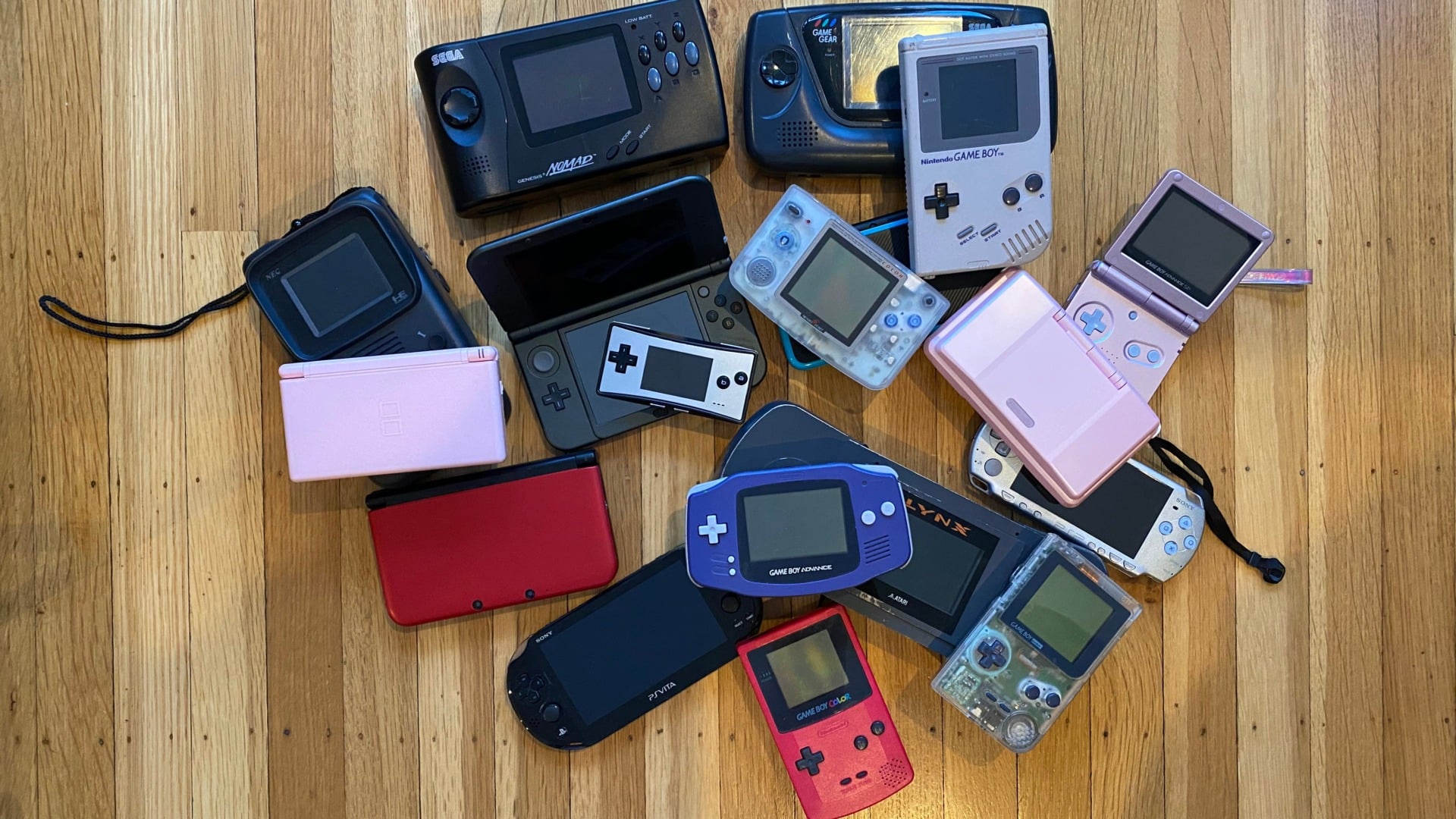
I recently got a Nintendo Switch Lite, and I love it. I wanted to write about the joys of that dying breed of device, the dedicated portable gaming machine. And I thought to myself, how can I write this in a way that would make the largest number of people hate me? And I realized: a ranked list!
So after much debating and straight-up poisonous arguing with myself, here is a list of the 25 best dedicated portable game machines, a class of device that I don’t think is long for this world. Smartphones are now the most popular place for handheld games, and game design is bending itself around the functionality of the phone to the point where a standalone device with joysticks and buttons is practically passé. You can make the argument that the dedicated portable is only still alive because Nintendo has built out the Switch ecosystem in such a way that it can release a portable device with a library of 2,000-plus games on day one and not have to worry about building up an exclusive games library from scratch.
For decades, though, everybody needed a portable system, and there were a lot of options, from the Atari Lynx to the DS Lite. How to rank them? Here are my criteria. I’m not actually going to break everything down this granularly because we don’t have all day. This is just what I’m thinking about.
Portability. If your “portable” game system is the size and approximate weight of a literal brick and eats through 6 AA batteries per hour, that’s gonna be a ding against you.
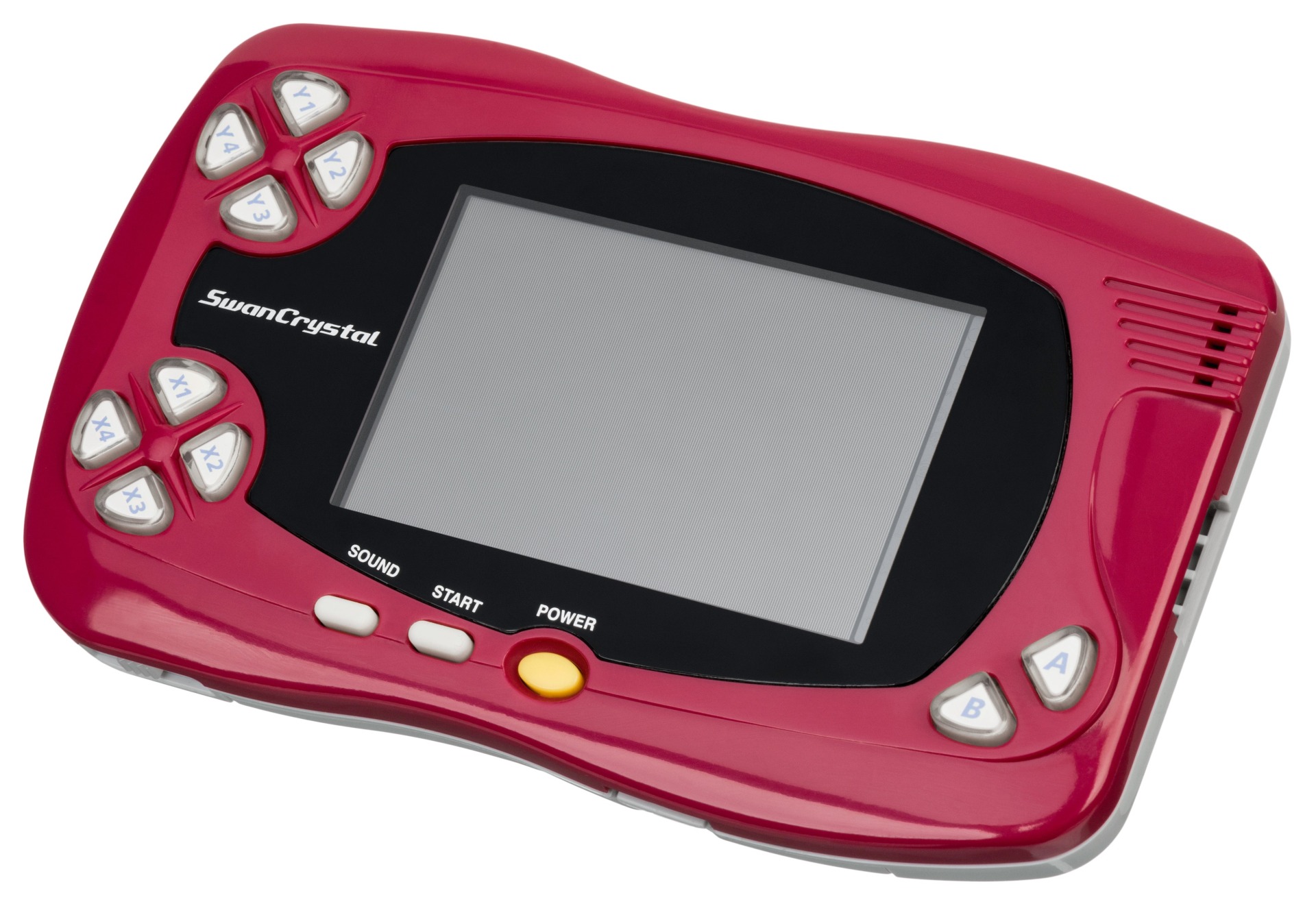
Library. How many games did it end up with? Were they good? Were they exclusive? Backward compatibility with previous versions of the hardware is a plus. (To make things more internally consistent here, I’m just looking at the North American releases of these machines, which means no Wonderswan. Sorry, Wonderswan.)
Features. Did it have a nice backlit screen, or did you need to hold it under a lamp? Any other cool bells and whistles beyond a D-pad and some buttons? Rechargeable battery vs. having to constantly buy AAs?
Form factor. How awesome did it look? How were the available color schemes?
How I’m feeling today. Which side of the bed did I wake up on this morning? Did I get enough REM sleep? Have I had my coffee? Let’s acknowledge the ultimate arbitrariness of this exercise.
Ok, off we go.
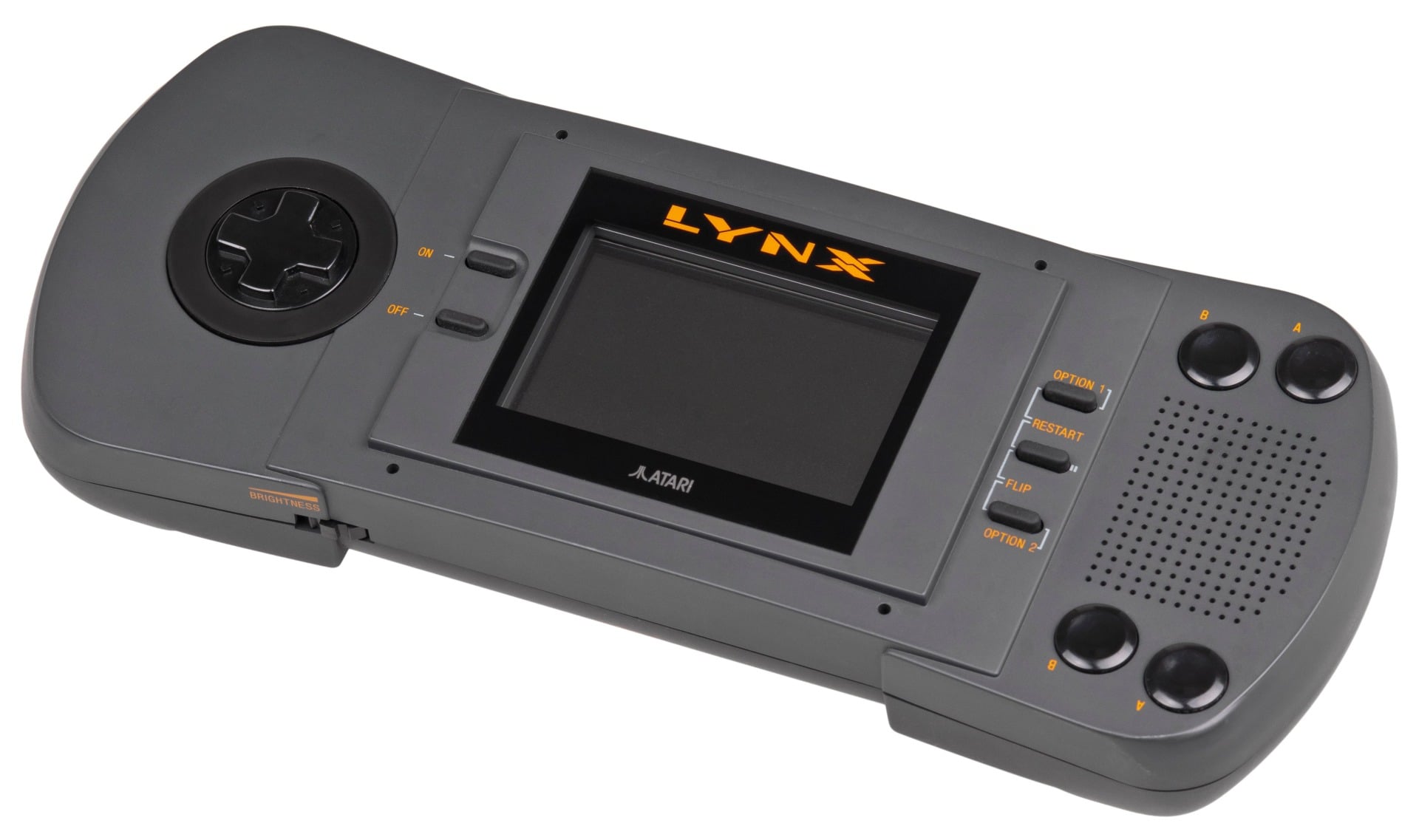
25. Atari Lynx (1989)
Why’s It On Here? Released only a month later than the original Game Boy in the United States, the Atari Lynx presented a radically different vision of a portable game machine. Whereas Nintendo went with cheap, low-power-draw parts to maximize battery life and lower the cost, Atari went for a backlit color display that doubled the price and could drain six AAs in four hours. It impressed the hell out of your friends, though, when you had batteries.
Why Isn’t It Higher? Let me count the ways. Both of its models were positively massive in size, the battery life was quite bad, and beyond all that, the game library was never that great or unique, with no real killer apps. A big swing for 1989, though. You gotta give them credit for that.
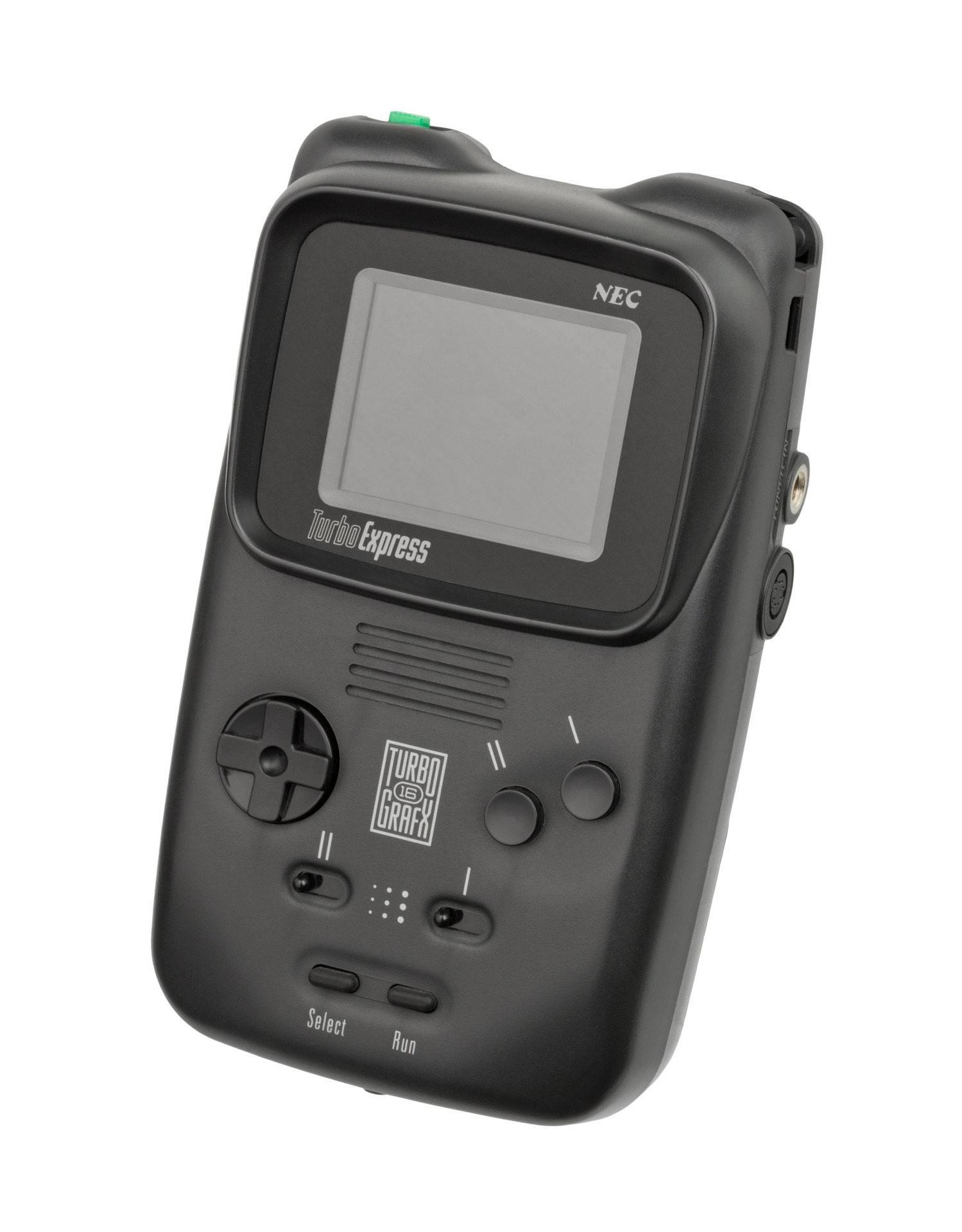
24. TurboExpress (1990)
Why’s It On Here? There were serviceable versions of many home Nintendo games on the Game Boy, but the TurboExpress did them one better by actually playing the same game cartridges as the home TurboGrafx-16. Sure, the games didn’t look quite as good shrunken down onto the low-res color screen, but that was to be expected.
Why Isn’t It Higher? At $250, TurboExpress was nearly three times as expensive as a Game Boy and had even worse battery life than Lynx. And while there were many excellent TurboGrafx games released in the U.S., it was a pretty small library.
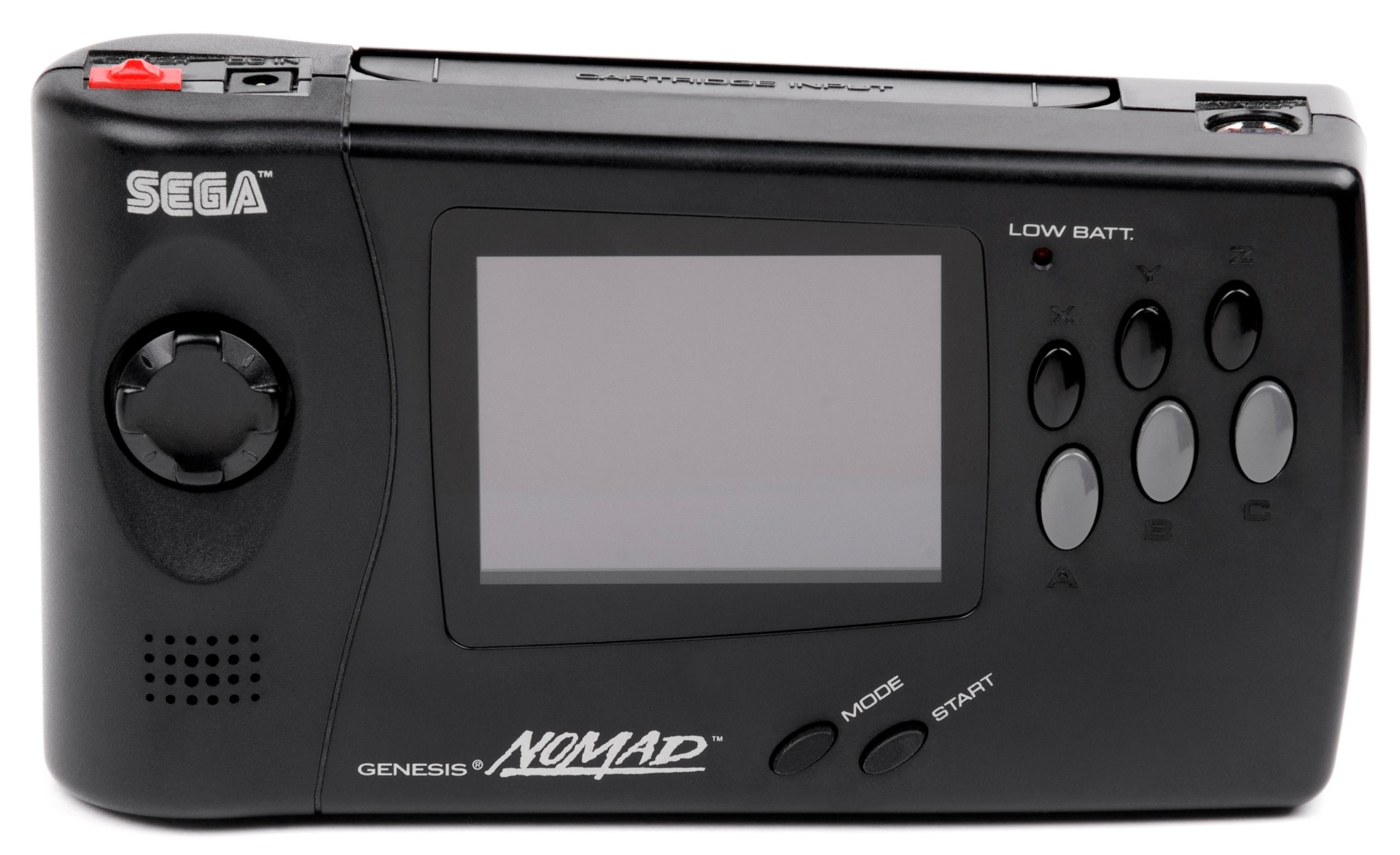
23. Genesis Nomad (1995)
Why’s It On Here? It’s like the TurboExpress, but for Sega Genesis games! Released in 1995 as the Genesis’ lifespan was winding down, Nomad let you take (nearly) the entire 16-bit home library on the go.
Why Isn’t It Higher? For the same reasons as the other high-end portables that flew too close to the sun: Advanced tech meant high prices, too-large form factors, and a ravenous appetite for batteries. Nomad even offloaded the batteries into a separate plastic shell that had to be clipped onto the main unit—although this was probably more in consideration of the fact that much of the gameplay of these “portable” systems was often done in the home, while plugged into an outlet.
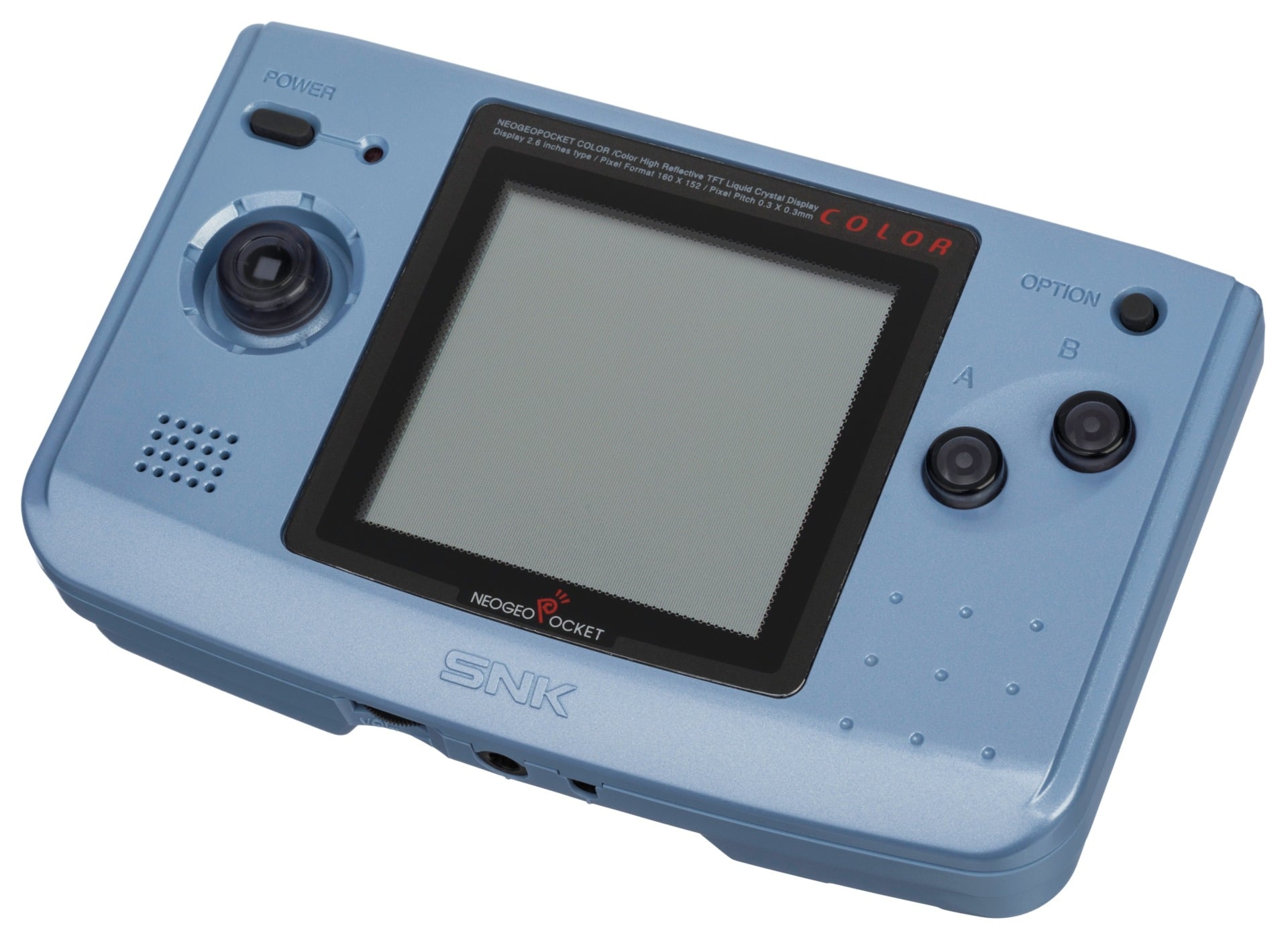
22. Neo Geo Pocket Color (1999)
Why’s It On Here? Given what happened with the TurboExpress and the Nomad, I’m just glad that SNK didn’t try to shrink down the entire Neo Geo home console into a portable form factor that just had a tiny conveyor belt sticking out of it onto which you had to constantly place a never-ending stream of AA batteries in ritual sacrifice. Instead, it created something more like an upscale Game Boy Color with a neat little clicky joystick in place of a D-pad. The library was small but packed with quality, with lots of SNK fighting games in miniature.
Why Isn’t It Higher? Well, if you didn’t like SNK fighting games in miniature, there wasn’t a whole lot more for you to do on the Neo Geo Pocket Color. SNK basically cut off support for the system after two years. It was hard out there for any portable without the Nintendo name on it.
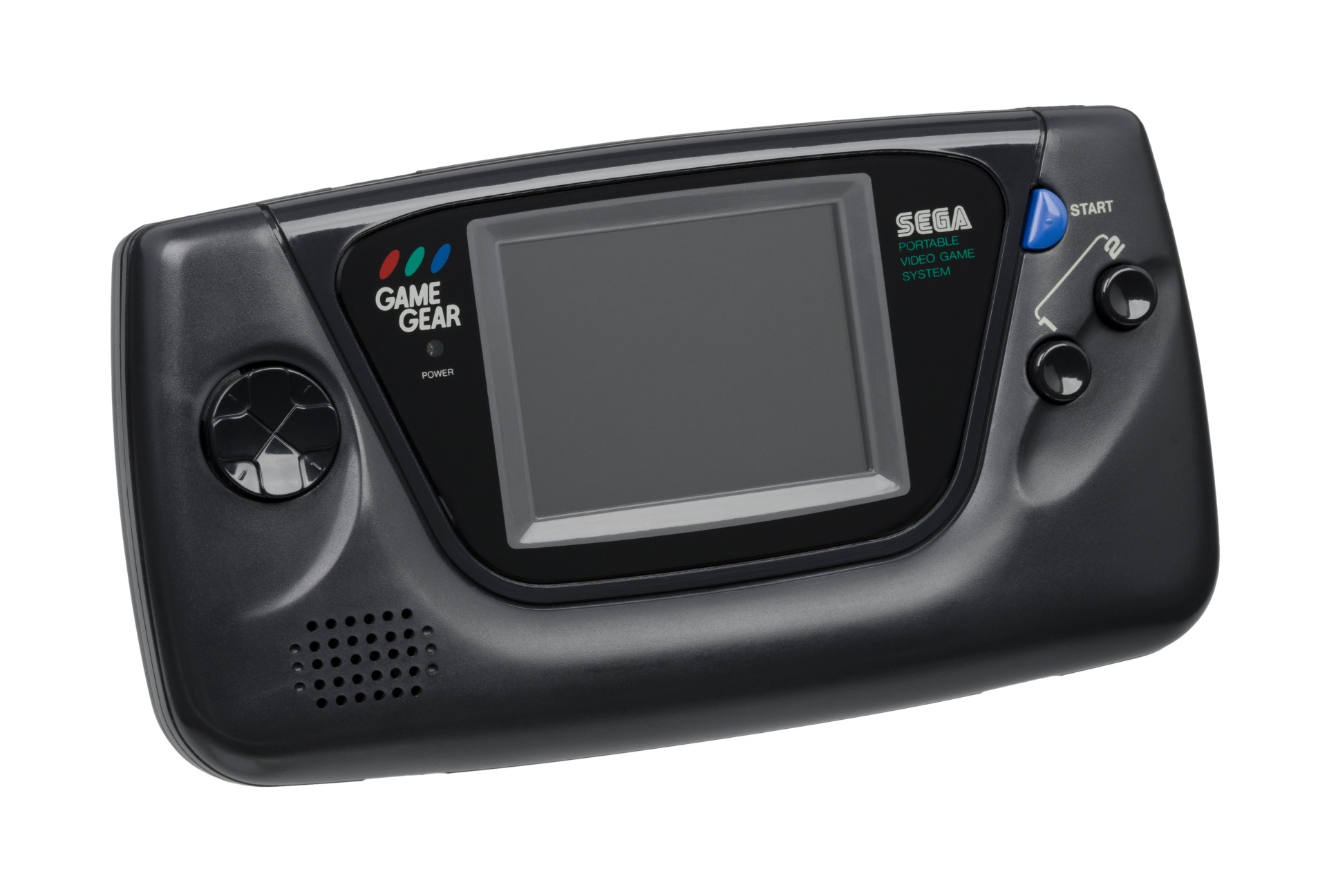
21. Game Gear (1991)
Why’s It On Here? Sega’s first handheld had the same sort of battery life problems as other color portables of the early 1990s, but Sega really put the effort into filling out the Game Gear’s library with ports and exclusives. It even released an official convertor that let you play Master System games on it.
Why Isn’t It Higher? The bulky size and battery life, of course, as well as a relative lack of truly enduring content. The library was mostly made up of ports or downscaled versions of Sega franchises, without very many great games to call its own.
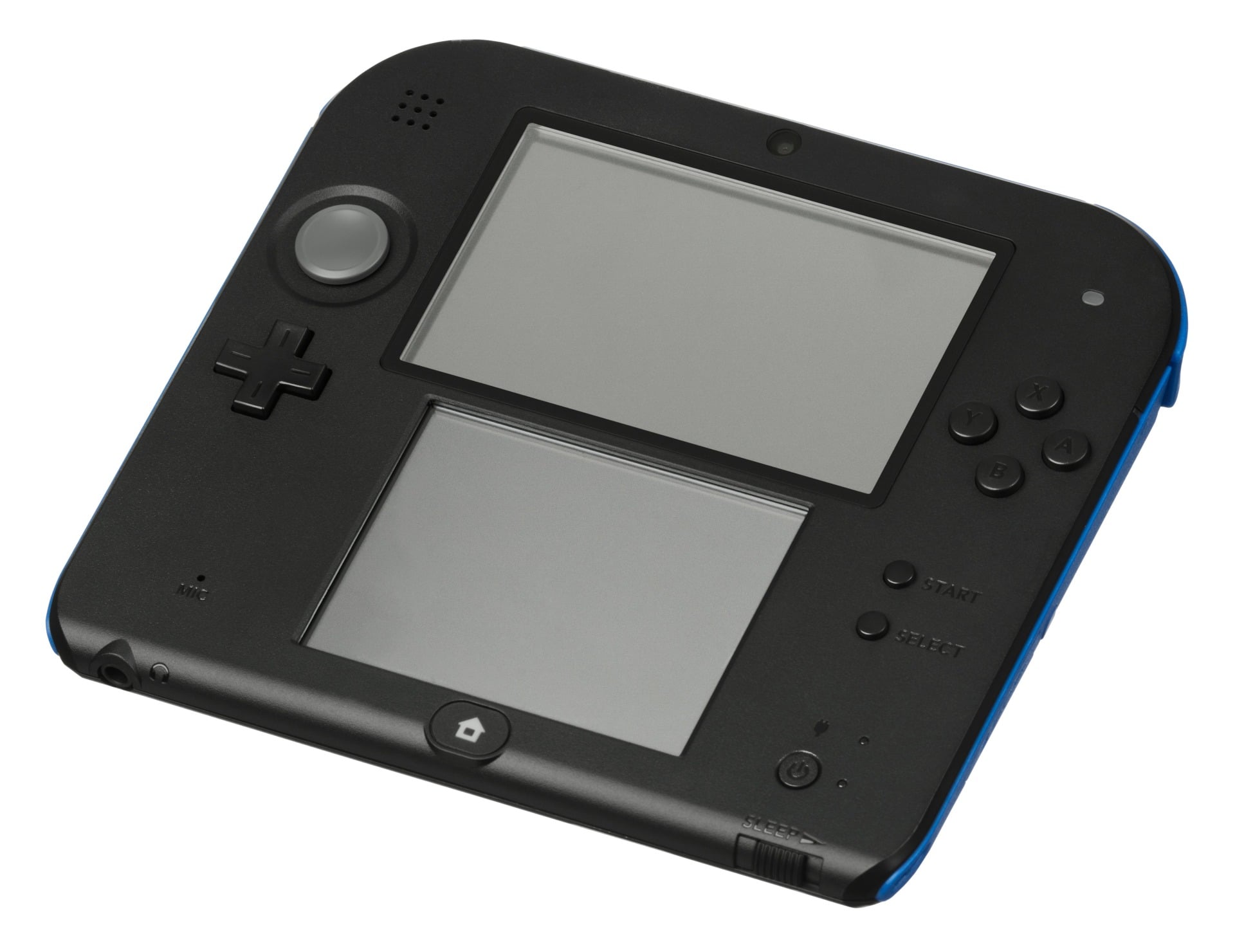
20. Nintendo 2DS (2013)
Why’s It On Here? Adjusting for inflation, it’s one of the least expensive portable machines Nintendo’s ever made, a deliberately low-end point of entry into the Nintendo 3DS ecosystem perfect for families with multiple kids to buy in bulk. It might be ugly, but it plays the 3DS’s whole large, excellent library—if only in 2D—and all DS games, to boot.
Why Isn’t It Higher? It’s the cheapest entry into the 3DS ecosystem, but it’s also the least satisfying. The non-foldable shape is a step down from the clamshell designs of the rest of the 3DS line. There are many better options out there for getting into 3DS.
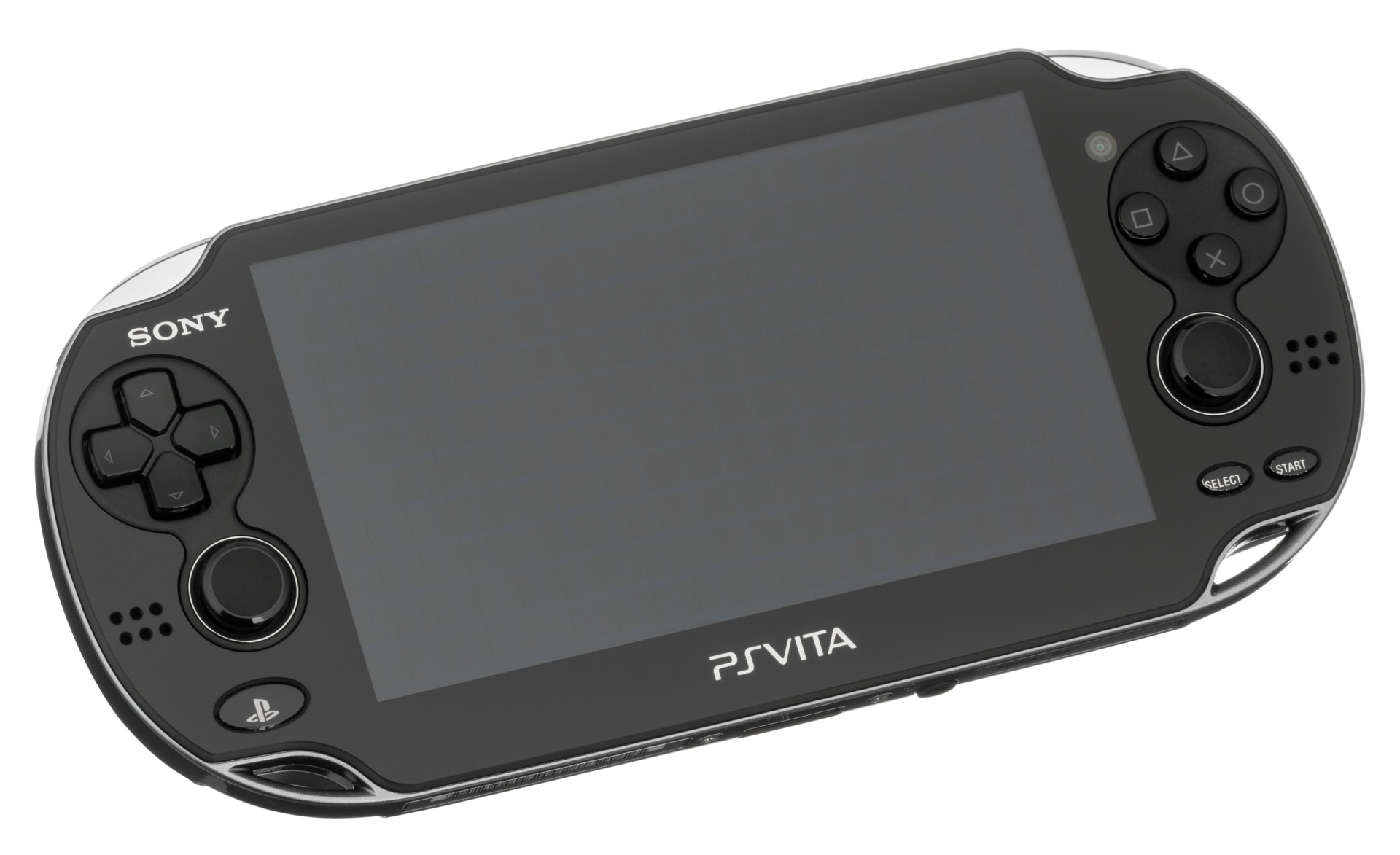
19. PlayStation Vita (2012)
Why’s It On Here? It may have face-planted in the marketplace, but there’s no denying the appeal of Vita. The high-quality graphics on an OLED screen, the twin joysticks, the light, comfortable form factor—Vita was cool as heck. It even played all the PlayStation 1 games you bought digitally on PlayStation 3!
Why Isn’t It Higher? Well, first off, there were two big design flaws holding it back—the extremely Sony decision to use ridiculously expensive proprietary memory cards, plus the useless “back touch panel” that mostly just resulted in people accidentally hitting it. But what really kills Vita’s position here is that within two years, Sony pretty much dropped Vita like a hot potato and gave up on developing any major triple-A games for it. It remained a haven for JRPGs and indie gems until around 2017, when the Switch officially killed it dead, but that was thanks to external publishers and developers, not Sony.
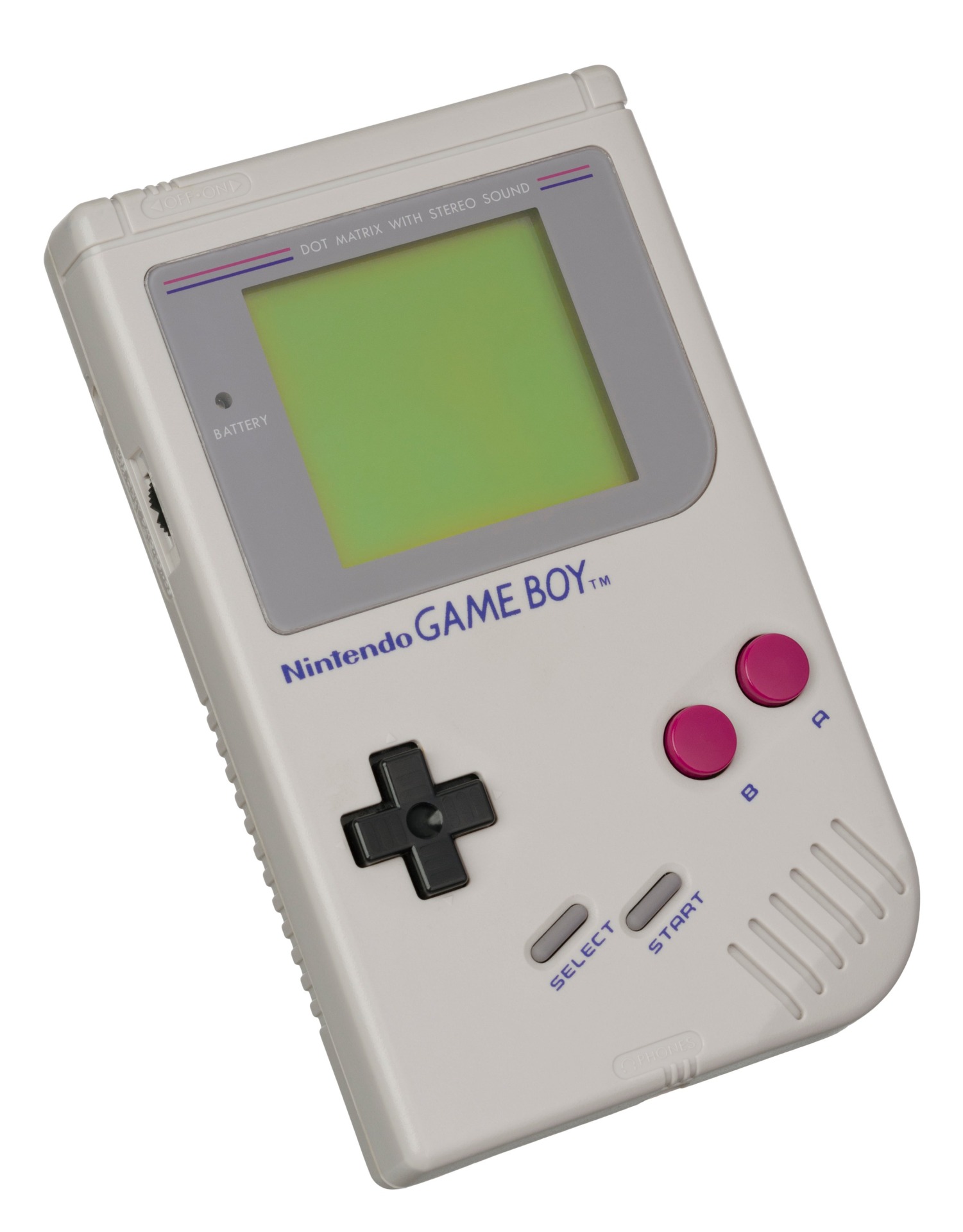
18. Game Boy (1989)
Why’s It On Here? Game Boy wasn’t the first portable game system by a long shot, but it took portable gaming out of the realm of “curiosity” and into “vital part of gaming culture.” An excellent example of designer Gunpei Yokoi’s credo of “lateral thinking with withered technology,” Game Boy wasn’t the most powerful system on the block, but it was cheap as heck and ran for quite a while off four AA batteries. Thanks in great part to the pack-in game Tetris, it was so successful that Nintendo wouldn’t have to worry about adding color graphics for nearly a decade after its launch.
Why Isn’t It Higher? There are so many better ways of playing Game Boy today than using the old “brick” model. The bulky size and sickly green hue of its screen may be ingrained in our nostalgic consciousness, but at the very least you could upgrade to the…
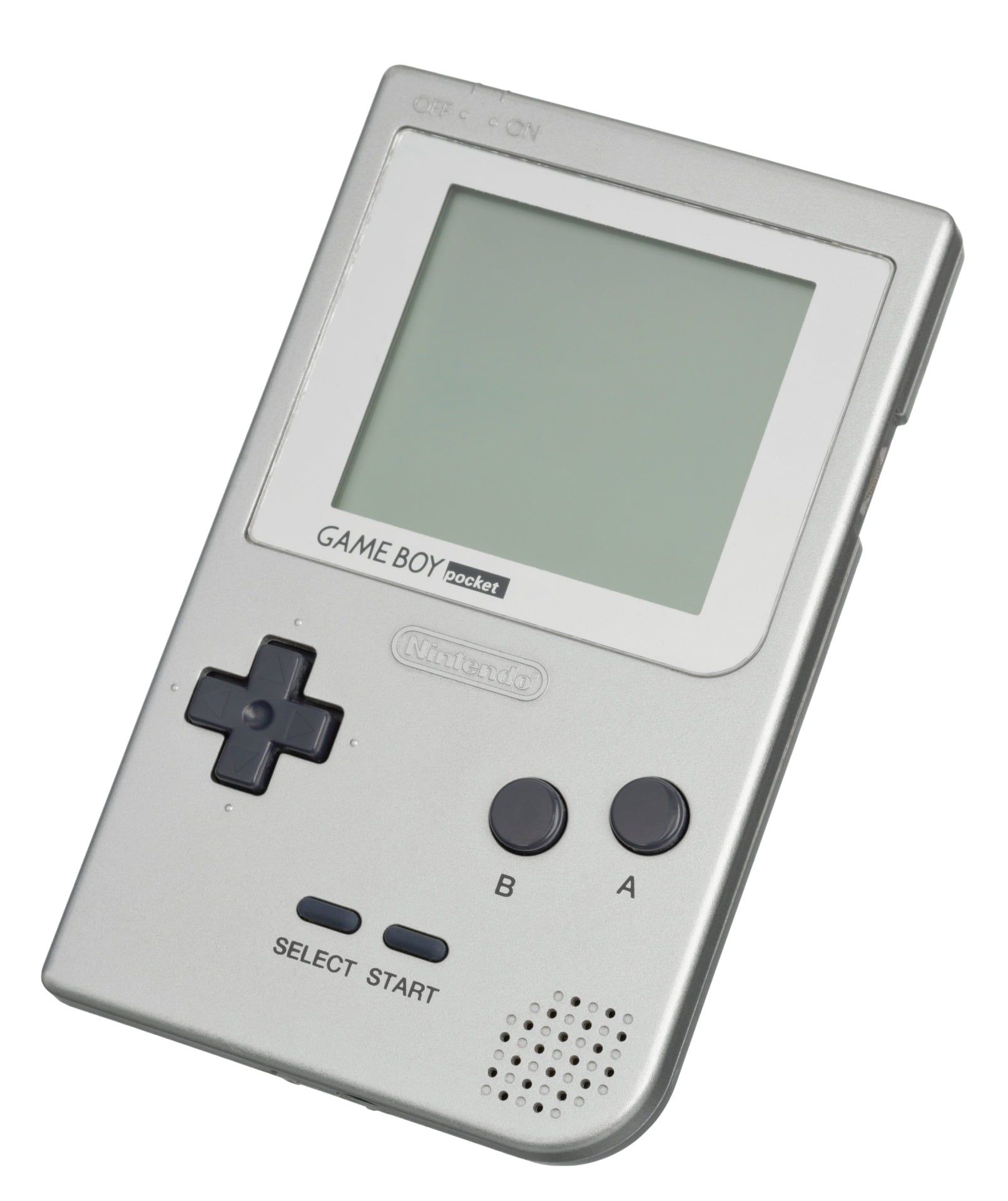
17. Game Boy Pocket (1996)
Why’s It On Here? The king of the monochromatic portables, Game Boy Pocket had a much smaller size, a sharper black-and-white screen, and got a lot of playtime out of just two AAA batteries.
Why Isn’t It Higher? Game Boy Pocket would be a lot cooler today if it had a backlight (something that was rectified by the Japan-only Game Boy Light model). It’s the best portable around if you hate color. But you probably don’t.
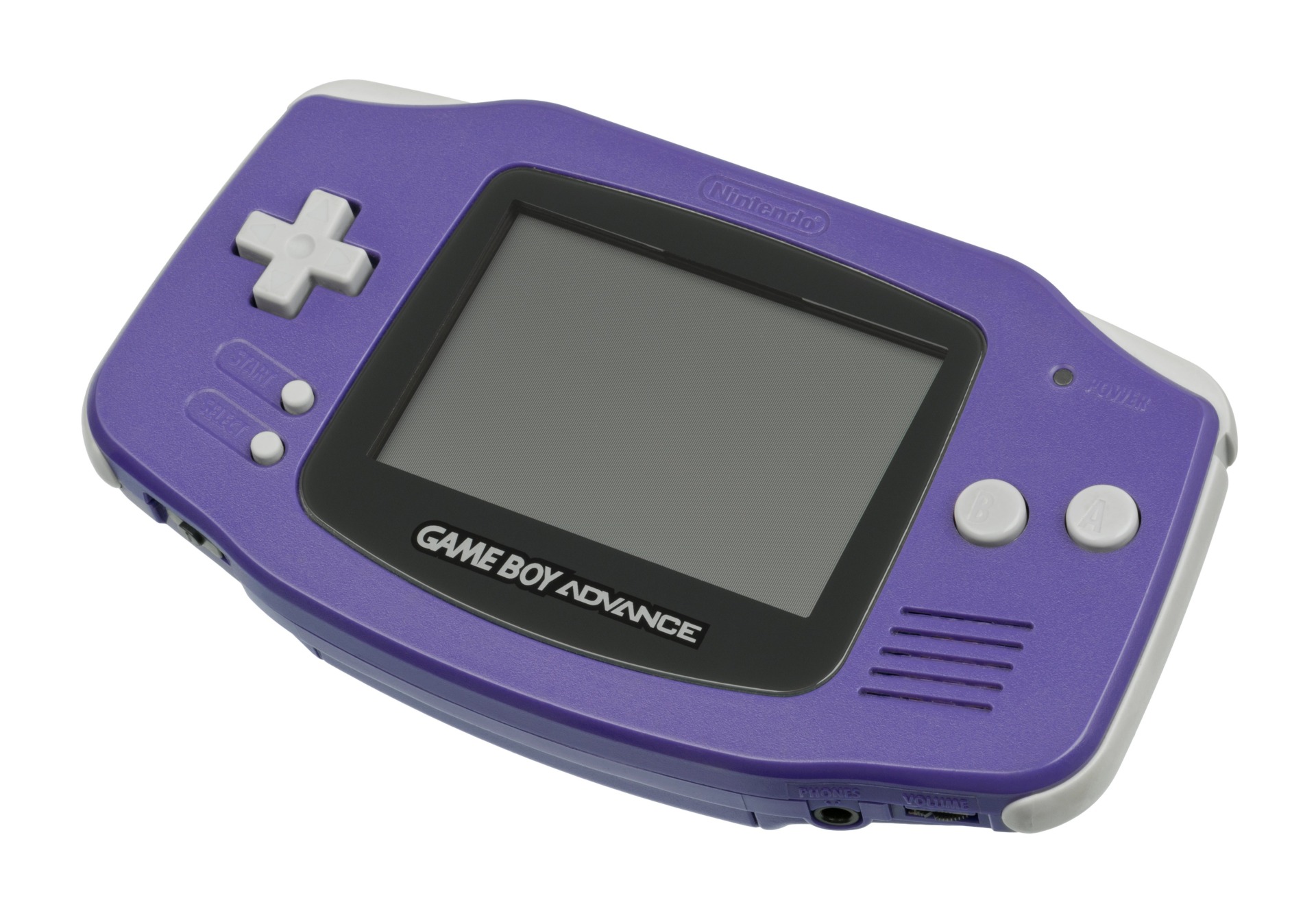
16. Game Boy Advance (2001)
Why’s It On Here? During an era where game console development had firmly moved into the realm of 3D, Game Boy Advance kept 2D gaming alive. This surprisingly capable little handheld ended up with a huge library of excellent games from Nintendo and third-parties alike, whether it was 99-percent-accurate Super NES ports or wholly original games.
Why Isn’t It Higher? Nintendo’s reluctance to include a power-draining backlight in its portable systems reached the breaking point with the original Game Boy Advance, which basically had to be played in direct light if you wanted to be able to see anything. It also still relied on AA batteries, which was becoming a bit old in 2001.
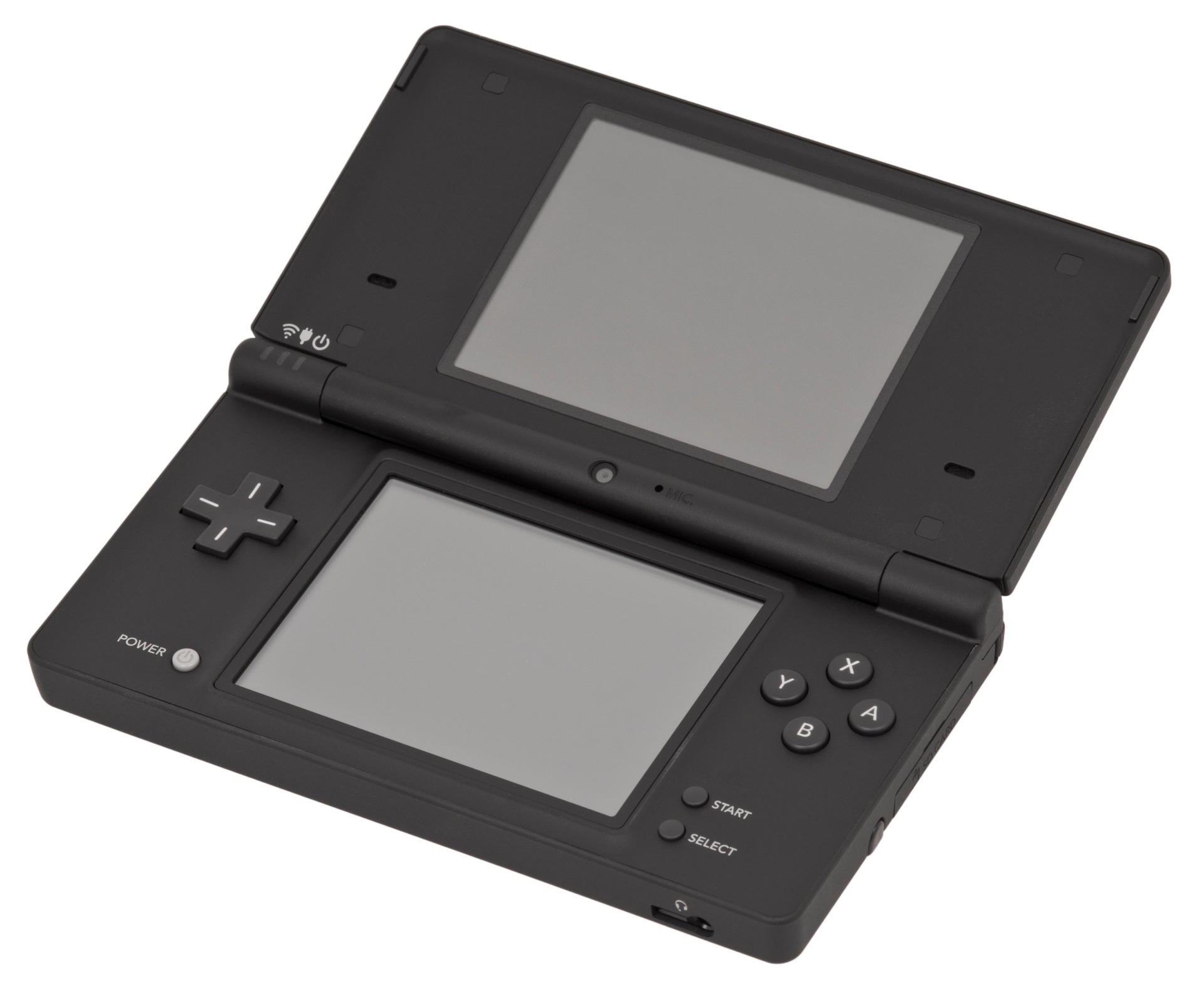
15. Nintendo DSi (2009)
Why’s It On Here? The third iteration of Nintendo’s wildly popular original DS hardware was an attempt to make it more of a modern-day device. The big change was the DSiWare shop, which brought downloadable games to the platform. It could also take pictures and play music from an SD card. You could upload your pictures to Facebook!
Why Isn’t It Higher? Well, in part because nobody really wanted any of that. We had iPhones and iPods and Zunes and such and didn’t need to offload those functions to a Nintendo handheld. Also, Nintendo removed something really useful—the Game Boy Advance game slot—to give us these less-useful features.
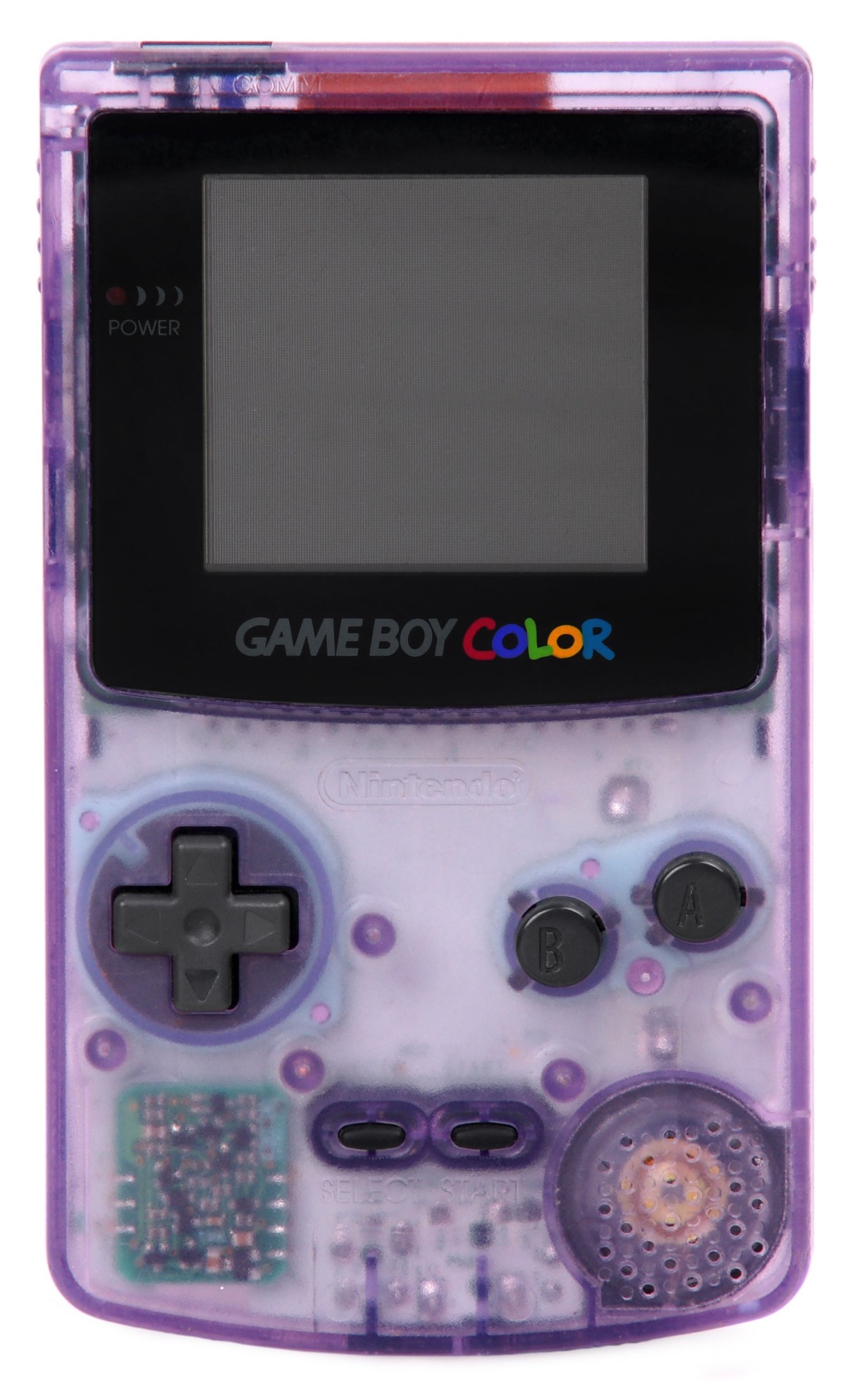
14. Game Boy Color (1998)
Why’s It On Here? Nintendo’s first color portable was long overdue (launching nine years after the original Game Boy), but when it did arrive, it carried forward the design philosophy of the original: Small, cheap, and light on battery usage. Not only did it play its own games, it enhanced your library of black-and-white Game Boy games with custom color palettes, making them look better than ever.
Why Isn’t It Higher? No backlight, plus the fact that it seems to have pretty much been a stopgap system for Nintendo while it worked on the true successor, Game Boy Advance. It was a lot of remakes and ports, and the Color’s lifespan was over a bit too early for it to really build up a great exclusive lineup.
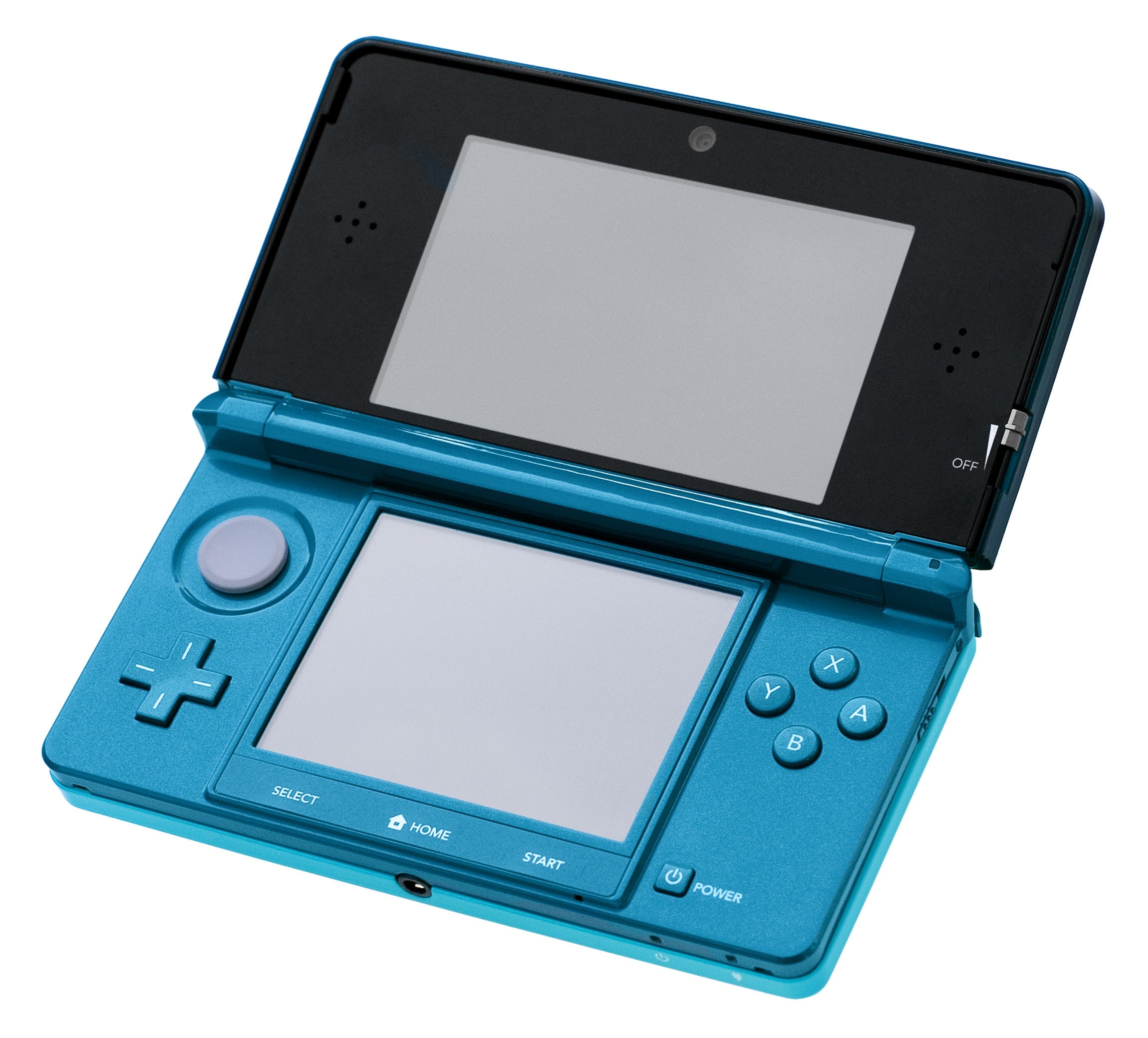
13. Nintendo 3DS (2011)
Why’s It On Here? Though it had a rocky start, Nintendo’s glasses-free 3D handheld ended up being quite successful, with a robust library of exclusives. The original, too-expensive model had a lot of verve that later editions didn’t, with a shiny, glittery finish, eye-catching angular form factor that caught the light like facets of a polished gem, and who could forget that awesome telescoping stylus?
Why Isn’t It Higher? Going from the DSi XL’s massive displays back down to the relatively tiny screens of the 3DS felt like a downgrade. The viewing angle on the glasses-free 3D isn’t nearly as good as that of later editions.
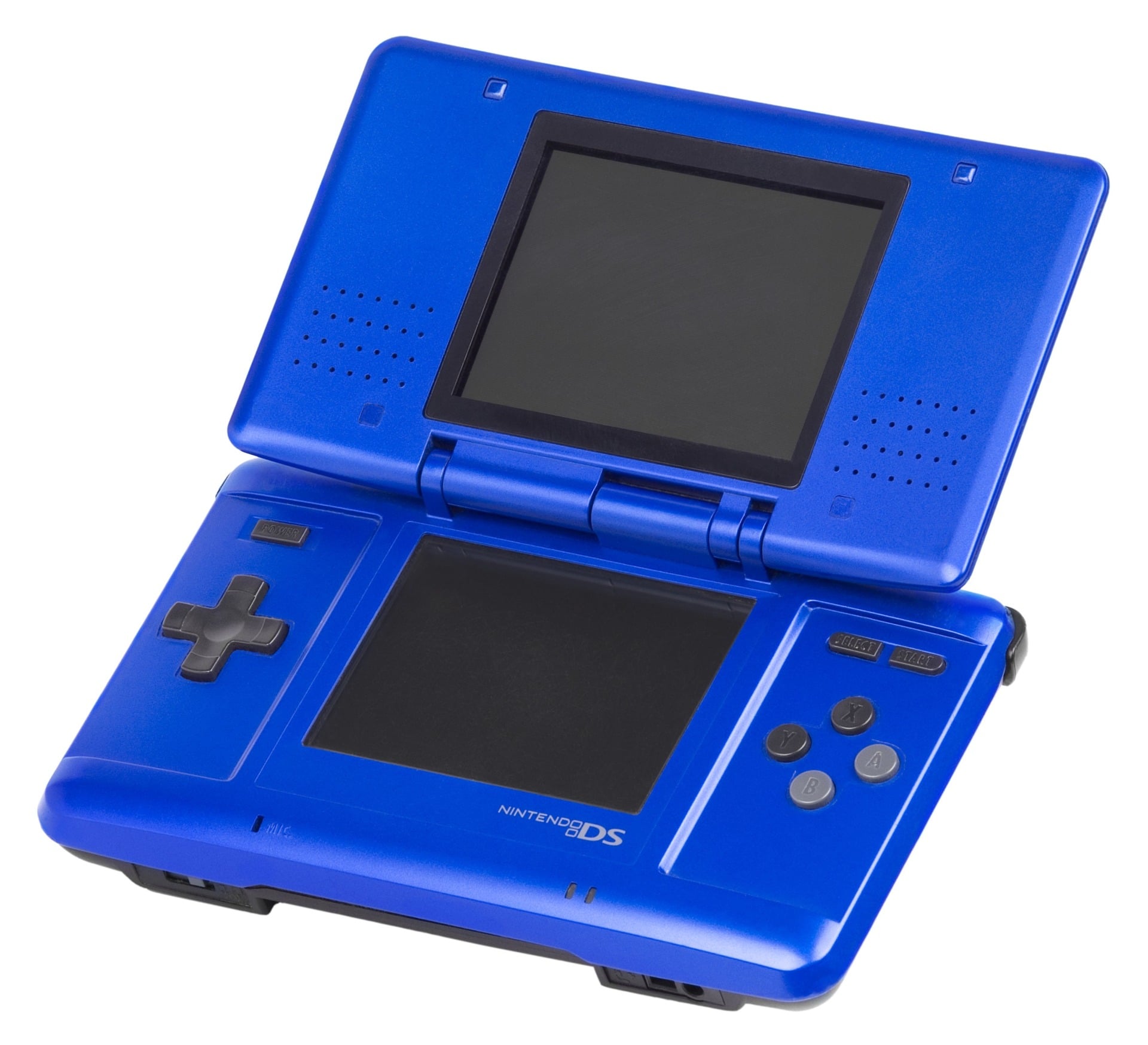
12. Nintendo DS (2004)
Why’s It On Here? When Nintendo’s then-president Hiroshi Yamauchi told his engineers to design a handheld with two screens, they took that screwball of a direction and knocked it out of the park, adding touch sensitivity and changing the way we played portable games forever.
Why Isn’t It Higher? I mean, have you looked at it? Nintendo has produced some great-looking handhelds and the original DS is definitely not it, chief. There are lots of ways to play DS games today, but I can’t think of a reason to recommend that anyone use the original model of DS to do it. Fortunately, Nintendo replaced it fast.
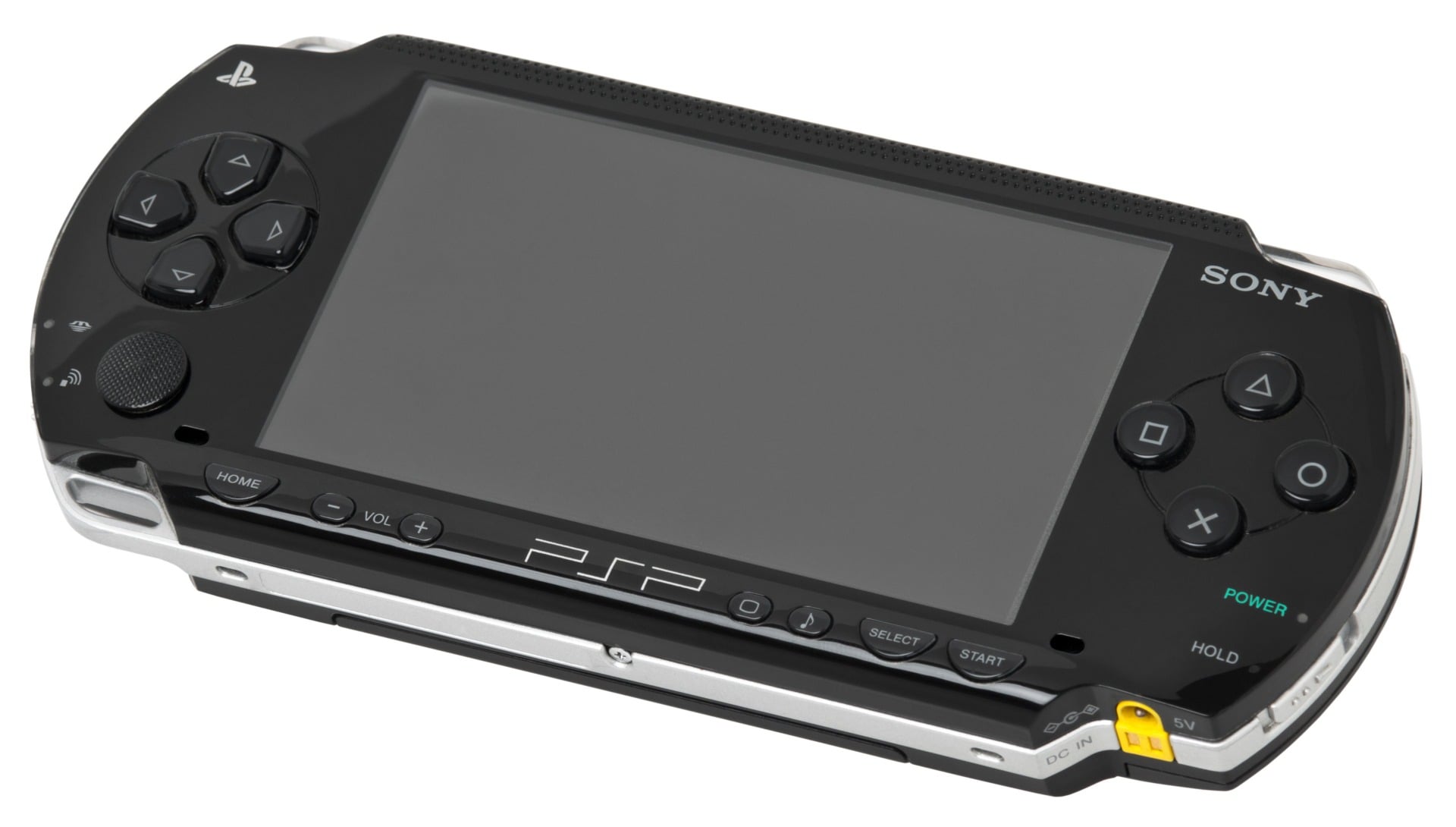
11. PSP (2005)
Why’s It On Here? It didn’t exactly steamroll the Nintendo DS as everyone predicted it would, but Sony’s first portable did quite well for itself and amassed a rather large library of good to excellent software. Hardware-wise, Sony was right to include an analog slide pad, which Nintendo wouldn’t have until the 3DS.
Why Isn’t It Higher? Gotta give Sony credit for attempting to introduce a whole new disc-based format to the world with the UMD, but it turns out that long load times and portable gaming go together about as well as peanut butter and getting hit by a truck. You couldn’t just flick on the PSP at the bus stop and get in a few minutes of gaming; it was all interminable wait times. Also the battery would insta-drain itself if you left it for a few days without plugging it in. (Also, all those batteries have now exploded.) PSP has great games, but the early-2000s Sony experience sucked and never got better.
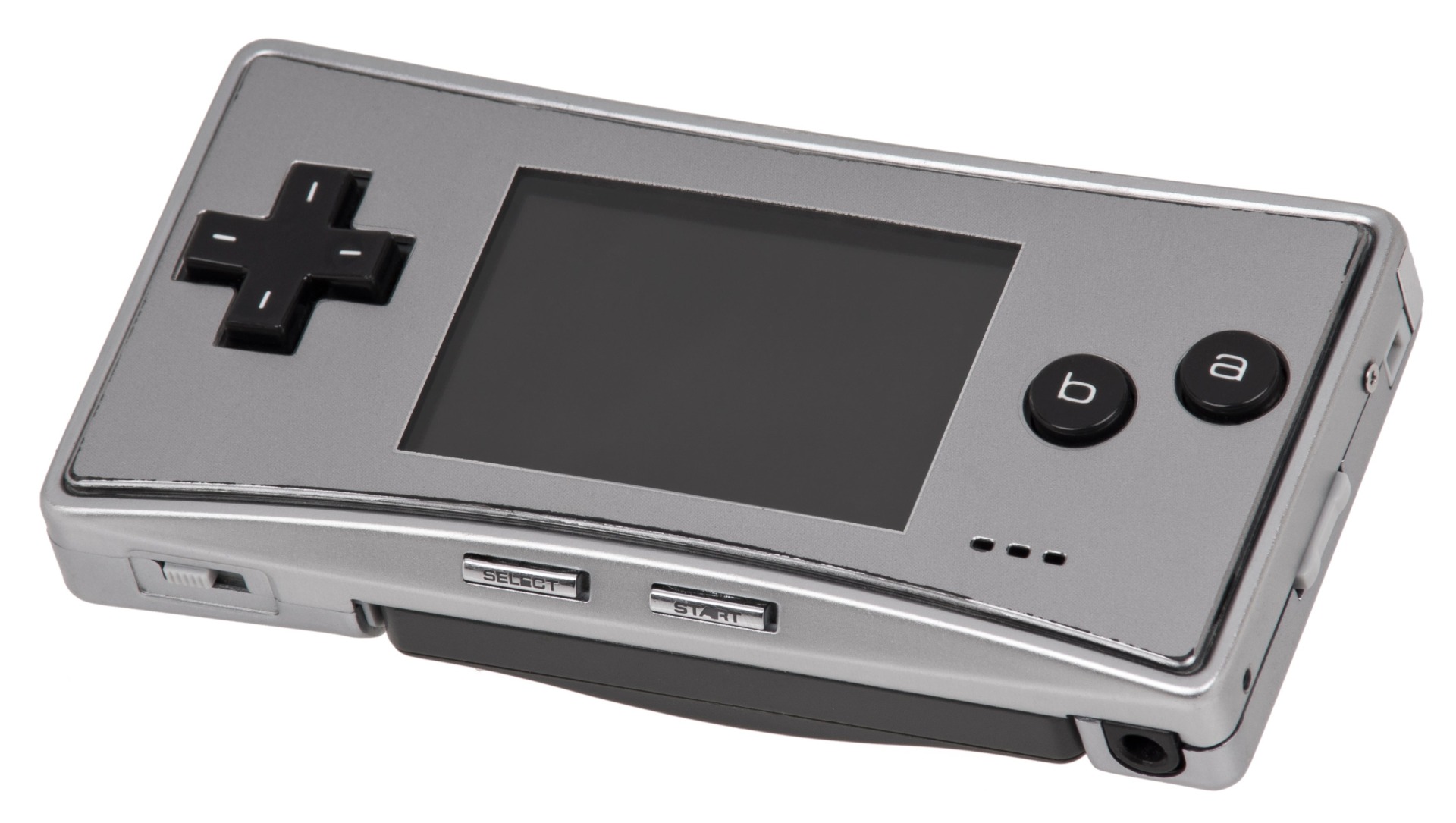
10. Game Boy Micro (2005)
Why’s It On Here? Released after the original DS, the Micro was a surprise final addition to the Game Boy Advance lineup. It shrunk the form factor down to something you could basically put on a keychain, and looked absolutely super cool while still being moderately comfortable to play. It even had swappable faceplates.
Why Isn’t It Higher? It wasn’t that comfortable, though, especially for long-term play sessions. Game Boy Micro was more of a novelty than a true workhorse for portable play. But it was quite a fascinating novelty all the same.
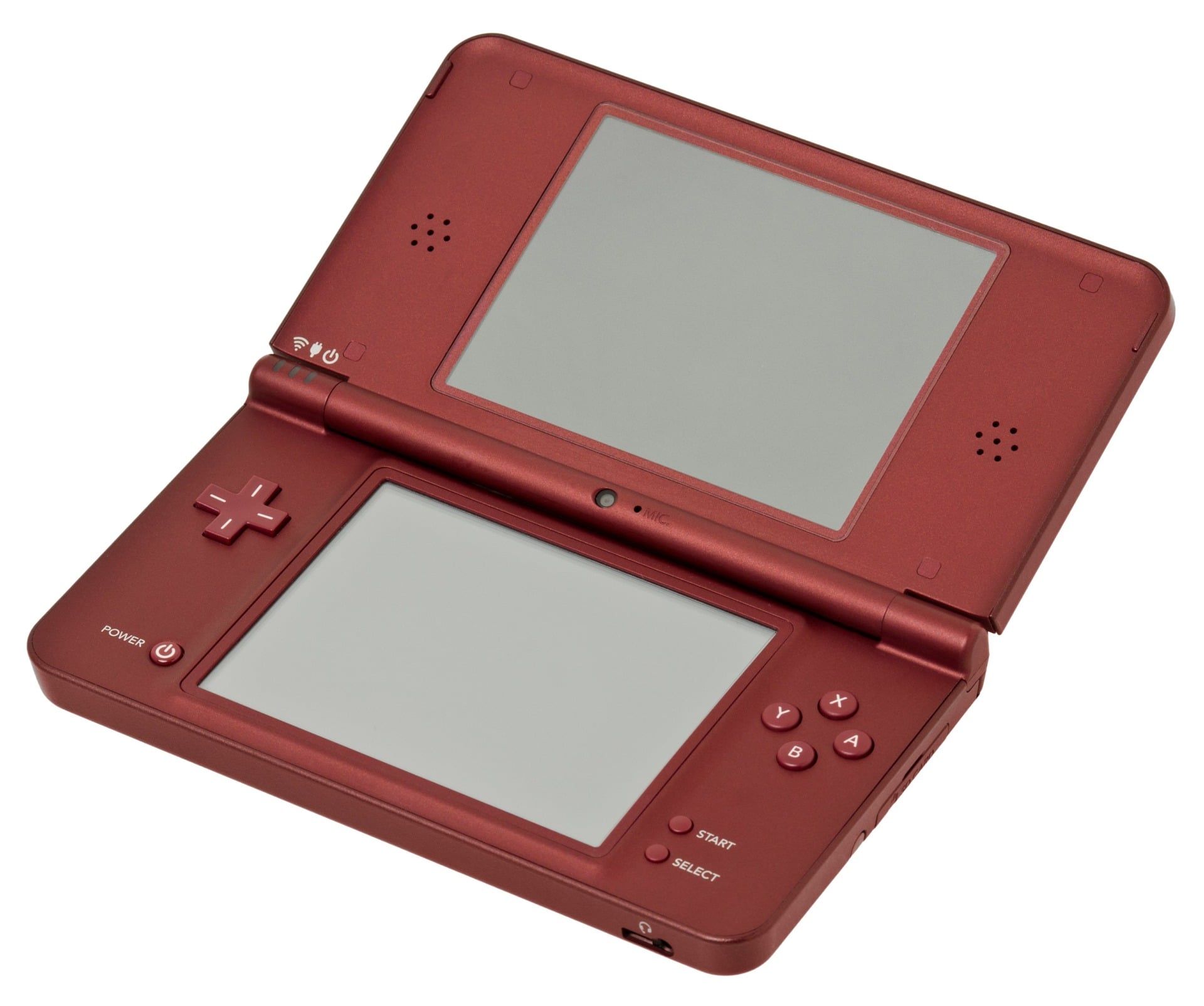
9. Nintendo DSi XL (2010)
Why’s It On Here? Once again, Nintendo zigged where others zagged. While everybody else tried to make their hardware smaller and smaller, Nintendo took the DSi and made it much bigger. Games looked amazing on the larger screens, and it even came with a big fat stylus pen for extra comfort! Also it was literally wine-colored, for grownups.
Why Isn’t It Higher? The DSi XL was pretty much subsumed by later XL handhelds; it doesn’t do much that they can’t. But if you’re just looking for something to play original DS games on, this is the absolute best choice.
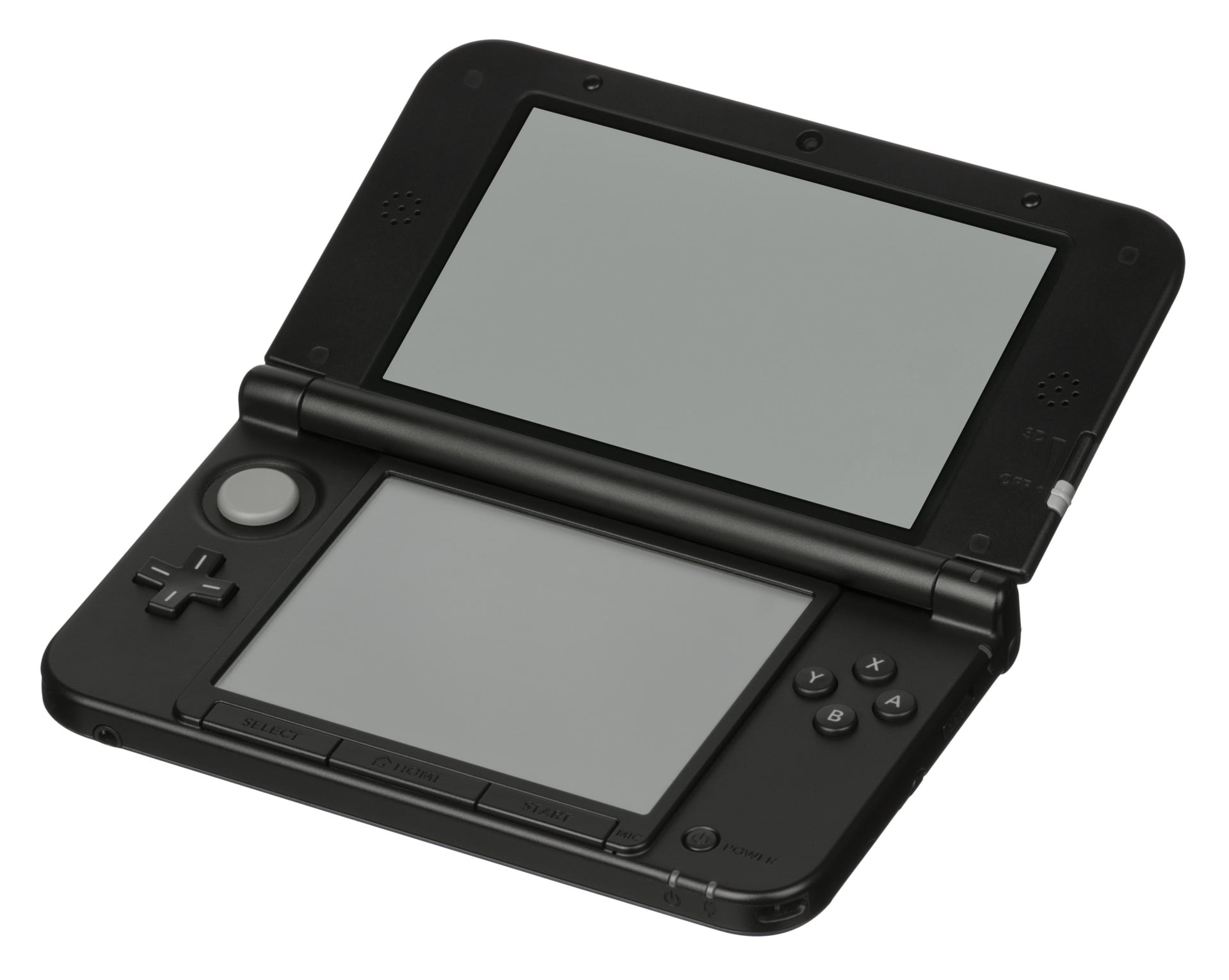
8. Nintendo 3DS XL (2012)
Why’s It On Here? After having everybody downsize from the DSi XL to the 3DS, Nintendo was all “just kidding” and then released this larger-sized version, and we all breathed a sigh of relief at getting to stop squinting.
Why Isn’t It Higher? Well, again, it’s because a New Nintendo 3DS XL is everything this machine is plus a bit more. Plus they didn’t include the extra stylus this time.
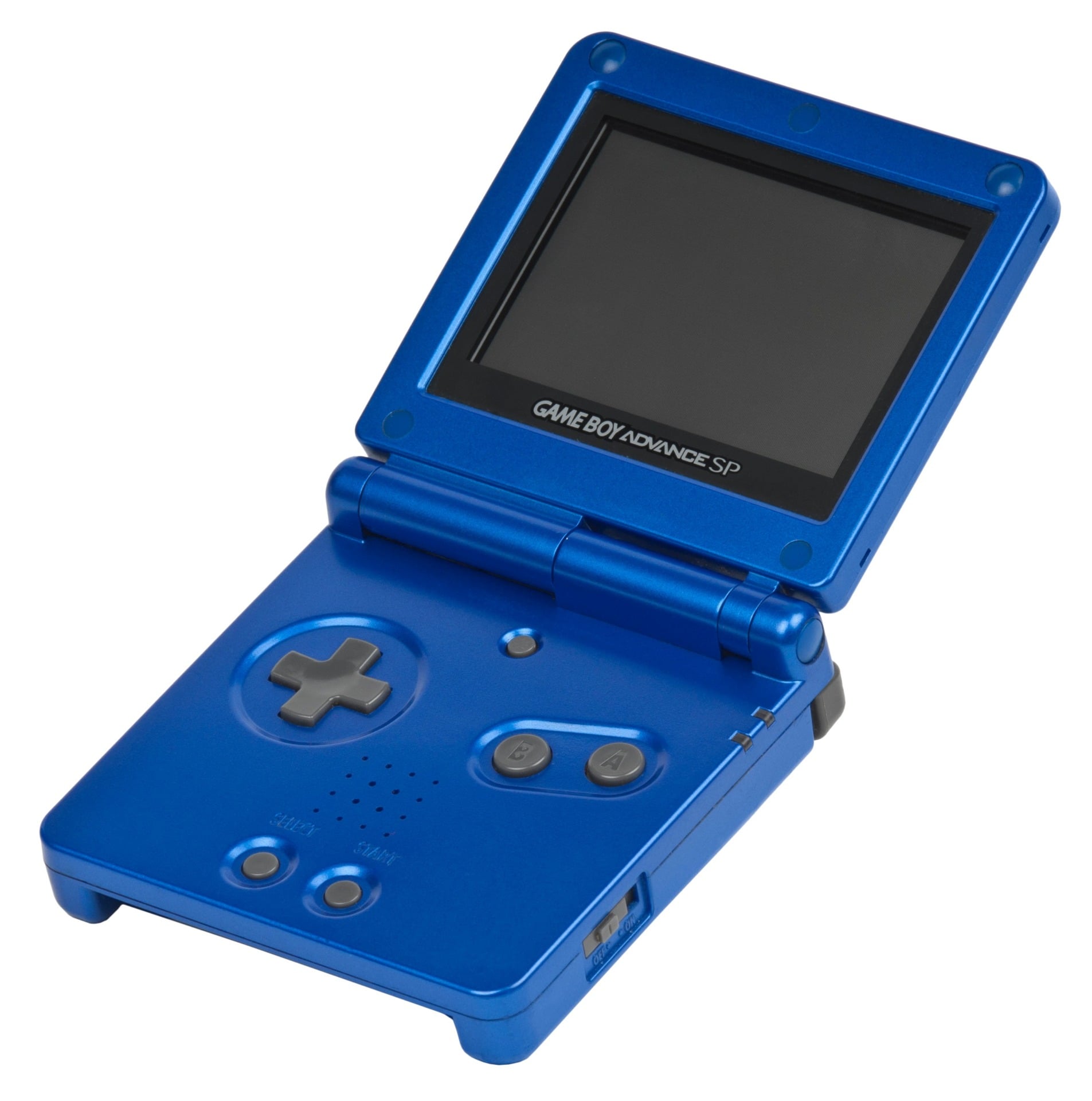
7. Game Boy Advance SP (AGS-001) (2003)
Why’s It On Here? The first edition of Game Boy Advance felt like a toy, but the SP felt like something from the future. The unique clamshell design protected the screen and made the device even more portable and comfortable. The use of a frontlight meant no more having to hold the system under a lamp. And original Game Boy games never looked so good, either.
Why Isn’t It Higher? The fact that there was no dedicated headphone jack was probably the most annoying thing about the SP. You had to use a dongle that plugged into the power inlet, meaning you couldn’t charge and use headphones at the same time. It wasn’t a deal-breaker or anything, just annoying. Plus, a frontlight isn’t a backlight, and it tended to wash out the graphics rather than enhance them.
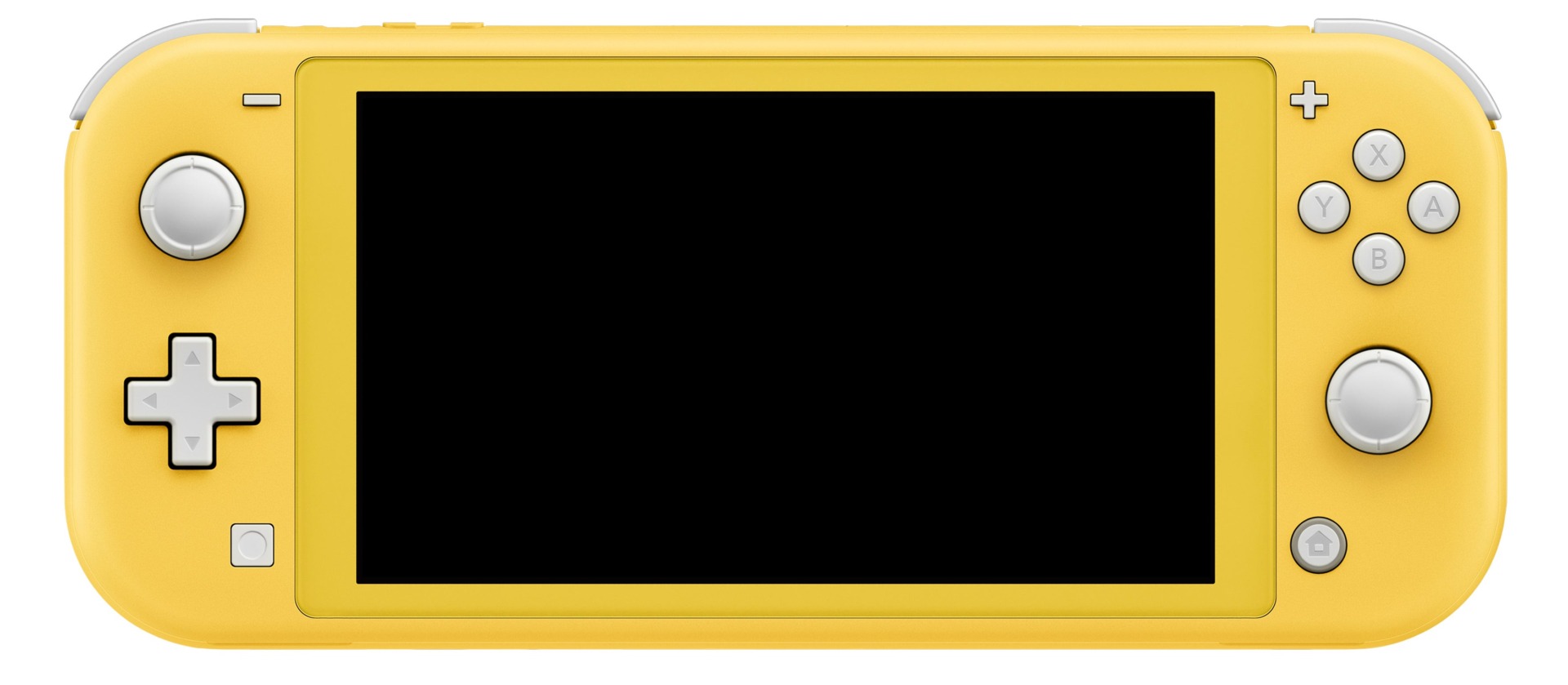
6. Nintendo Switch Lite (2019)
Why’s It On Here? While the original Switch can be taken on the go, it isn’t quite a perfect replacement for the 3DS, since it’s fairly large and not uniquely designed for maximum portability. Switch Lite solves all that, a single-piece, lighter, smaller unit that plays all Switch games except Labo.
Why Isn’t It Higher? As a first attempt at a true portable in the Switch family, Switch Lite gets the job done, but it’s a fairly workmanlike approach with none of the surprising redesigned elements of, say, the Game Boy Advance SP or the DS Lite. It doesn’t have that intense desirability factor of Nintendo’s best designs. Also, insofar as the Switch is still in the early days of its lifespan, I’m loath to rate this much higher since we still haven’t seen where its library is going to go.
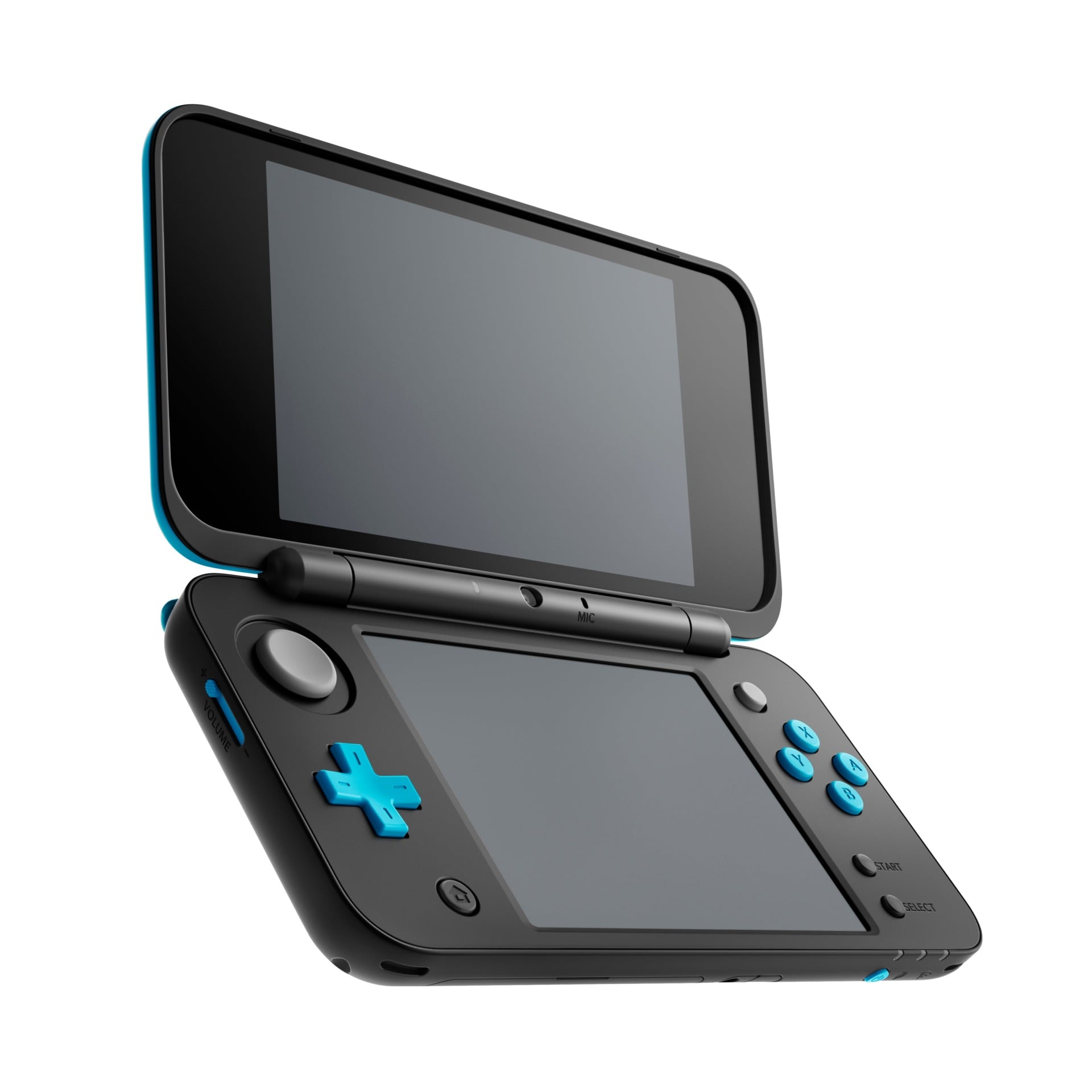
5. New Nintendo 2DS XL (2017)
Why’s It On Here? This final entry in the Nintendo 3DS family is arguably the best one, if you don’t care about 3D graphics. It’s lighter than the New 3DS XL, but still has the “new” additions like the extra thumbstick, compatibility with games like Xenoblade Chronicles, and downloadable SNES games.
Why Isn’t It Higher? Well, I do care about 3D graphics, even if Nintendo stopped doing that about halfway through the 3DS’s lifecycle. Also, even though the design of this machine is arguably more stylish than that of the 3DS XL, it has the absolute worst, shortest little stylus of any DS or 3DS model.
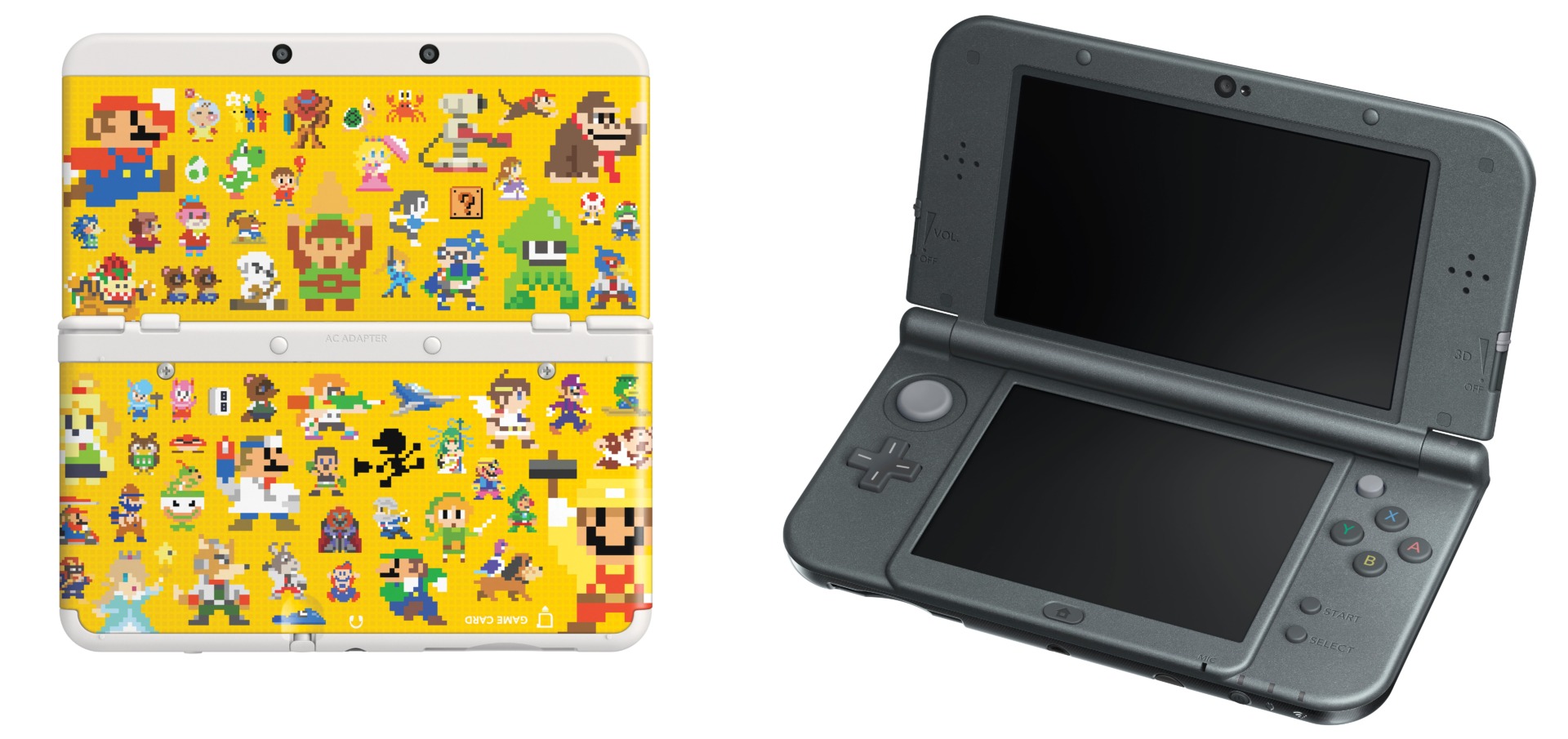
4. and 3. (Tie) New Nintendo 3DS/New Nintendo 3DS XL (2015)
Why’re They On Here? Nintendo released the New Nintendo 3DS and its XL version on the same day (in Japan, anyway), and it’s hard to pick a clear winner. The New 3DS was smaller, but its screens were still fairly large, not the postage stamps on the original 3DS. It also had those awesome swappable faceplates. Meanwhile, the XL was XL. Both had “super-stable 3D,” which used infrared cameras to track your eyeballs and give the 3D effect a much wider viewing angle.
Why Aren’t They Higher? I’m still annoyed that the 3DS wasn’t region-free, quite frankly.
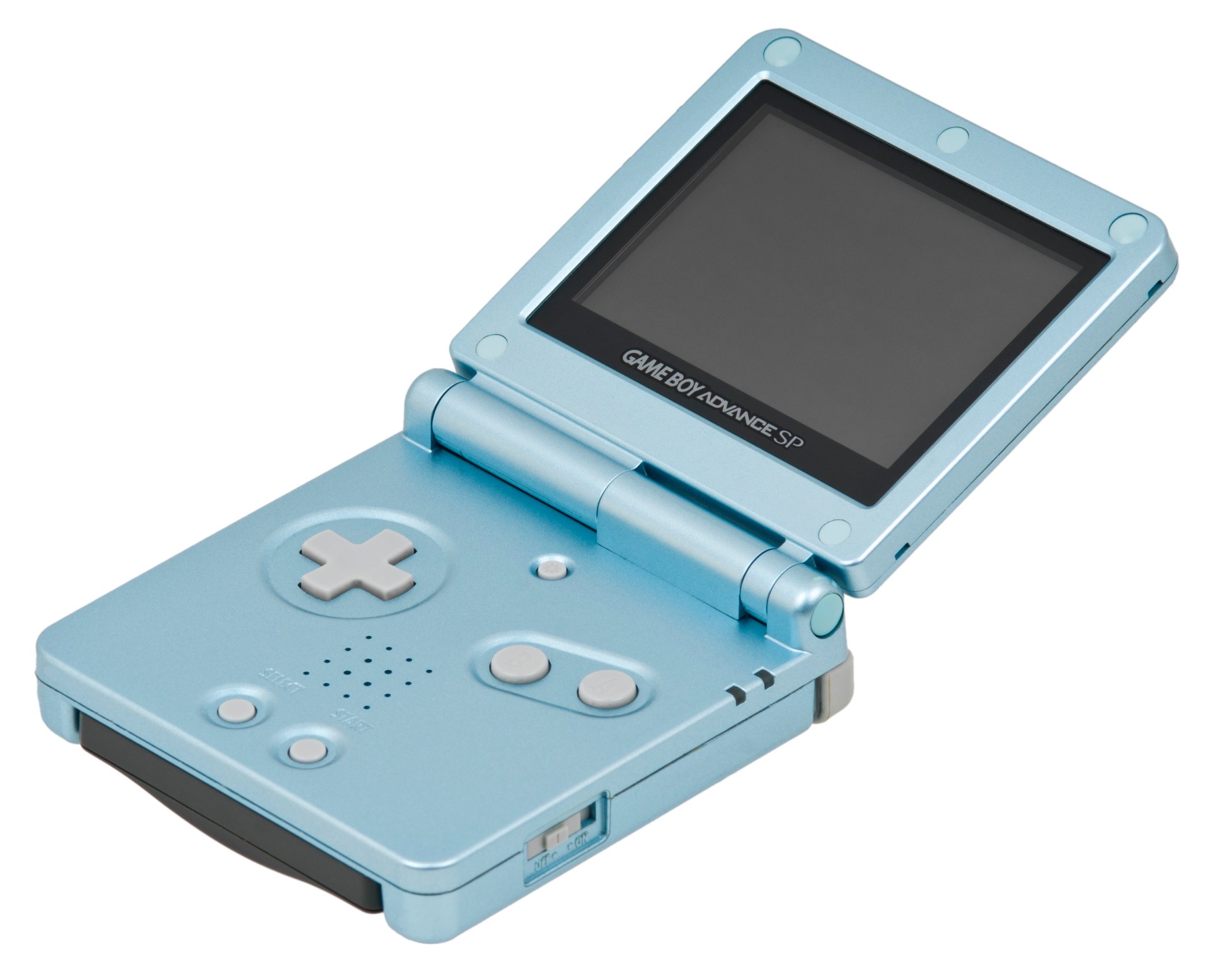
2. Game Boy Advance SP AGS-101 (2005)
Why’s It On Here? I haven’t gotten too into incremental upgrades on this list, mostly because they don’t fundamentally change the experience of the device. The final model of the Game Boy Advance SP is a major exception, though. Nintendo swapped out the frontlit screen for a bright, beautiful, backlit one, making this fully backward compatible machine the ne plus ultra of Game Boys. When I want to play a Game Boy game, this is what I reach for.
Why Isn’t It Higher? I mean, it’s nitpicking, but we’ve talked about that headphone jack…
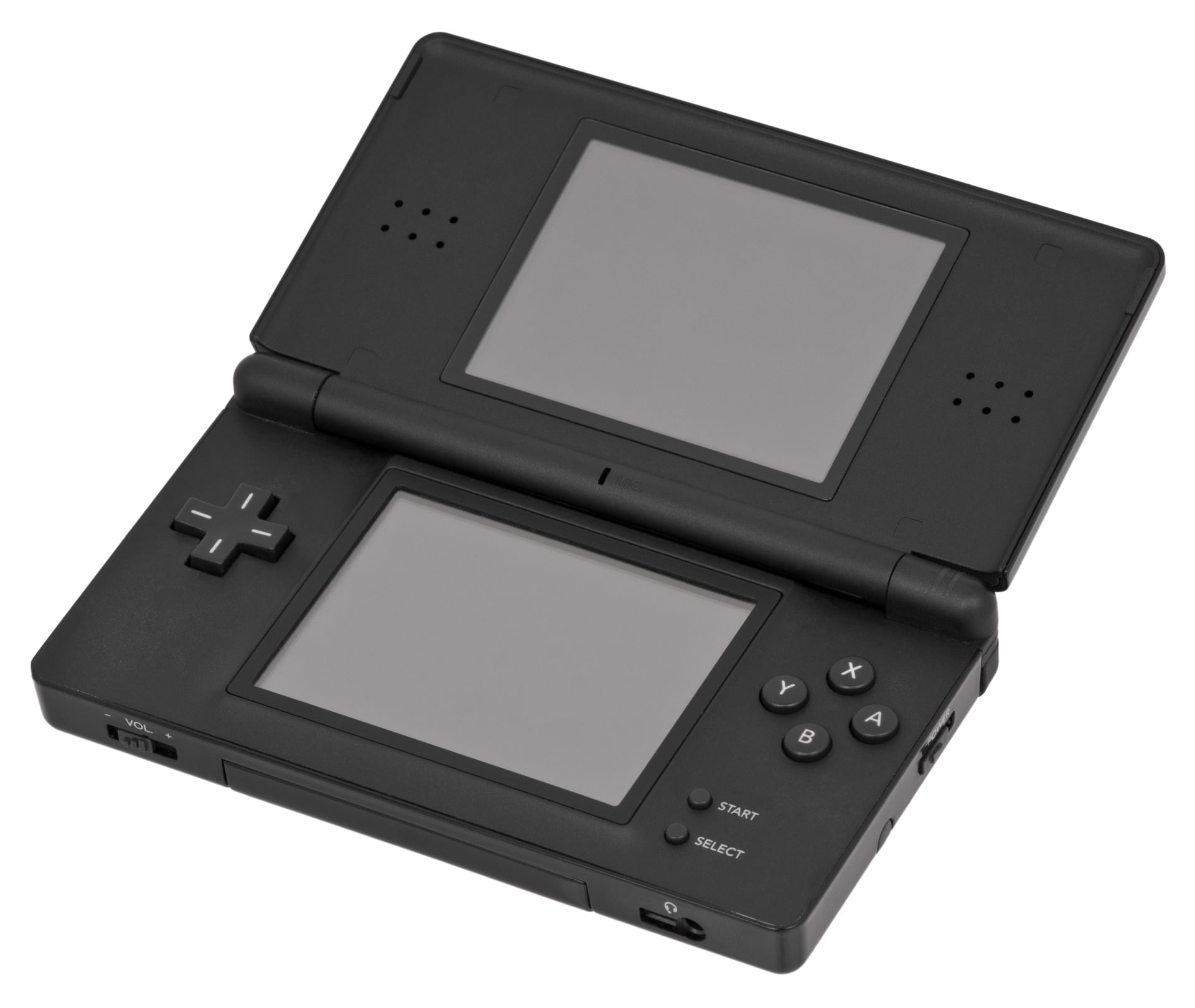
1. DS Lite (2006)
Why’s It On Here? It’s almost impossible to believe that the exact same designers who turned out the original, weird, ugly Nintendo DS design followed it up with this work of goddamned art. Nintendo definitely copied off Apple’s homework for the DS Lite—seriously, it looked exactly like that year’s iPod and MacBook—but the result was so impressive that everyone just had to have one, and lest we forget, they were supply-constrained for years around the world. Oh, and the screens looked amazing compared to the original.
Why Isn’t It Lower? Yes, I did say that if I wanted to play a DS game today, I’d reach for a DSi XL. But the look of the DS Lite is still the best, and it still plays Game Boy Advance games quite nicely on the lower screen. Considering all my made-up criteria for this list, I think DS Lite comes out the winner.