I do not think it is possible to like the entirety of a corporation. Take Nintendo, for example. I like the part of Nintendo that makes Zelda games and, with less alacrity, Metroid games. I do not very much like the part of Nintendo that loves to sell plastic. And, boy, does Nintendo love to sell plastic.
You will notice Nintendo’s zeal for pushing plastic if you follow the company long enough. And perhaps it will give you the same anxiety I now feel when I see the company hawking its Amiibo figures, the latest guilty plastic pleasure from a glorious game-maker.
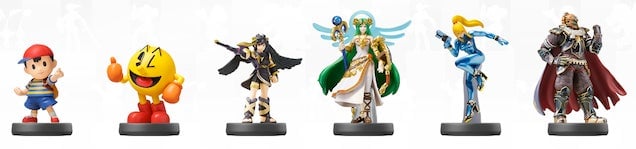 Many people do love these new figures of Mario, Donkey Kong, Samus and about three dozen more. They love collecting them. Maybe they love tapping them against a Wii U or 3DS to unlock content in compatible Nintendo games. I can’t say for sure why people might love Amiibo, because I do not love them at all.
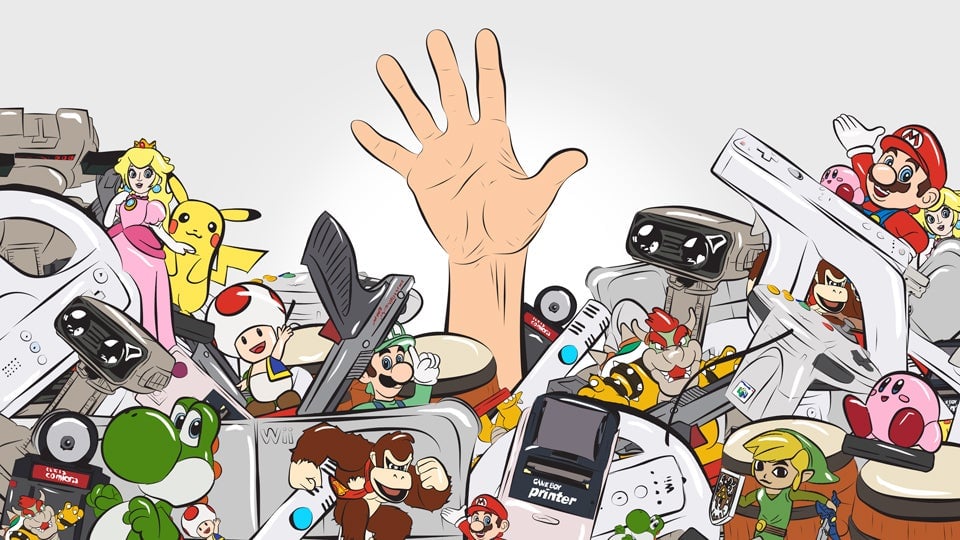
Nintendo is famous for making Mario and Zelda games, and for making them great. But to understand the full spirit of Nintendo, follow the plastic. It’s fundamental to their history. Notice, back in the early 1980s, the longtime toy-maker reviving the video game industry after a gaming crash by selling a console bundled with a plastic robot and an extra controller shaped like a gun. Examine the bric-a-brac in the trunk of a true Nintendo collector: the two-way speaker that was bundled with an Animal Crossing, the microphone packed with a Mario Party, the conga drums designed to control a bevy of Donkey Kongs. Consider the Game Boy Camera and the Game Boy Printer. Spot the controller shaped like a bathroom scale and the plastic pretzel of a steering wheel bundled with a Mario Kart.
Other video game companies have sold peripherals, too, some microphones or game-show controllers for mostly fringe Sony and Microsoft games. Those are exception more than corporate tradition. No company has Nintendo’s history of cramming game boxes with packed-in plastic.
“Games come first at Nintendo,” we all believe. The plastic has been molded in service to the games. Nintendo shapes a plastic nub shaped to make a Mario DS game more playable. They deliver plastic stands to make controlling a portable Kid Icarus game hurt less. We assume they know best. We trust that there must have been good reason not just to make a portable Metroid pinball game but to bundle it with a cartridge that rumbles when the ball hits a bumper.
Nintendo pushes the idea that the peripheral is often integral to virtual fun, that your time playing a game will be improved by a Rumble Pak, an eReader or a Wii Motion Plus. They love the physical. You hear and see this in the way they design controllers for key console launch games, how they put so much care into perfecting d-pads, analog sticks, “A” buttons and touch screens (okay, maybe not really “perfecting” touch screens). How can we explain their reluctance to become a software-only company, making Marios and Zeldas for Xbox, PlayStation and iPhone? They’ll say they need to sculpt their own hardware to make their best games. One wonders, though, to what extent they’d simply be sadder if they didn’t have as many avenues to sell plastic stuff.
Examine Nintendo’s history long enough and you’ll see the company the company in rich times and in poor. You’ll see them at a desperate phase, struggling with their GameCube, trying to prop it up with its successful Game Boy Advance and designing games that needed one of those to be tethered to the other (connecting cables sold separately). Examine their hottest phase and you’ll see them at it again, selling Wii controller shells shaped like guns and steering wheels while considering selling a health sensor for you to wear on your finger.
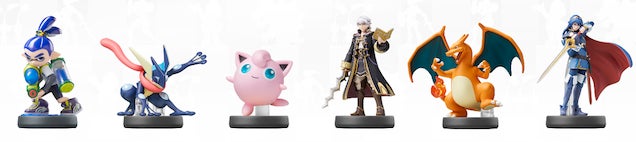 In the present day, we see a recently slumping Nintendo’s sudden love for selling statues. They call these Amiibos a “platform”, listed as a third pillar alongside the Wii U and the 3DS. Their CEO tells Time magazine that he thought Amiibo up two years ago on a bullet train. They may be figurines that digitally connect to video games, but he waves off the widely-held idea that they’re an imitation of Skylanders, similar figures introduced back in 2011 by Nintendo’s closest competitor in plastic peripheral manufacturing, Activision. “We have introduced amiibo in a way that is new and where amiibo do things in our games that they can’t do anywhere else,” he tells Time. “From that perspective, we feel that we are a trendsetter.”
Nintendo’s Amiibo are indeed different from the Skylanders and the Disney Infinity toys, which are compatible only in the games of the same name. They are, for Nintendo, not the extension of one game, but the uber-peripheral, the ones made to be matched with all their games. They are the executive’s eureka that a pantheon of characters can connect to a plethora of games. Press a $13 Mario Amiibo to any of seven different Nintendo games and something will happen in each of those games. That same thingwon’t happen if you don’t own the right Amiibo. If you want an excellent special item in a new Zelda game, you’ll have to buy a plastic Link figure. You can’t pay for a code to unlock it. You need the toy. It wasn’t enough that you bought the game. What will be the next thing Nintendo prevent you from playing if you don’t buy—or find—an Amiibo next?
Perhaps your confidence in Nintendo’s plastic serving Nintendo’s game design is finally taking a hit.
Survey the Nintendo of now and the near future:
The new Mario Party comes bundled with an Amiibo and includes an Amiibo-exclusive mode.
A big new Zelda is delayed out of 2015. A new wave of Amiibo are announced for this summer.
Nintendo prepares to launch a brand new game and will sell special Amiibo with it, Amiibo who will unlock special challenges presumably not accessible without Amiibo.
Nintendo releases another brand new game and that game welcomes its player out of its tutorial with a helpful woman who offers advice….
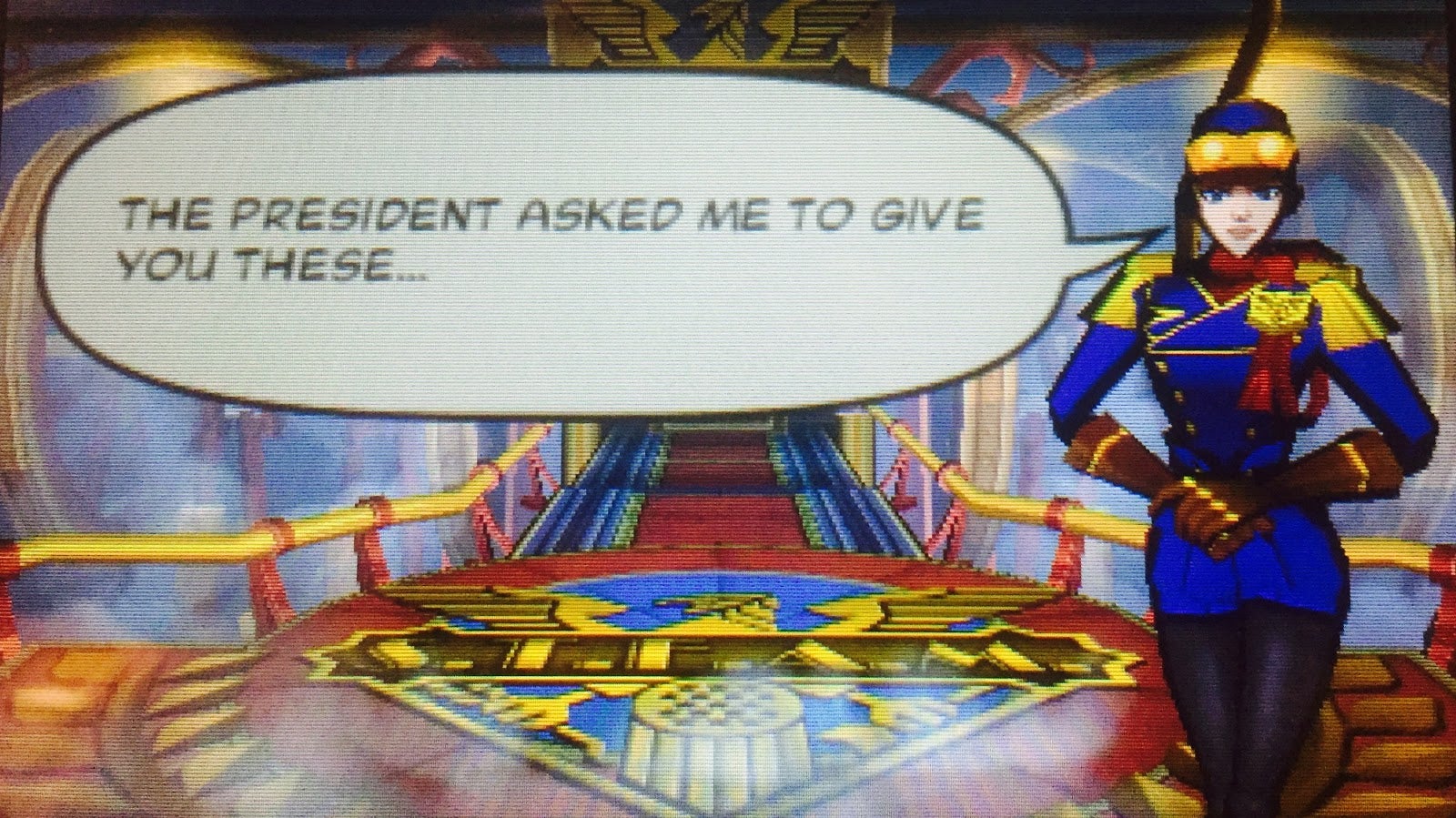 She then tells you about the weapons and gear you’ll get. For example…
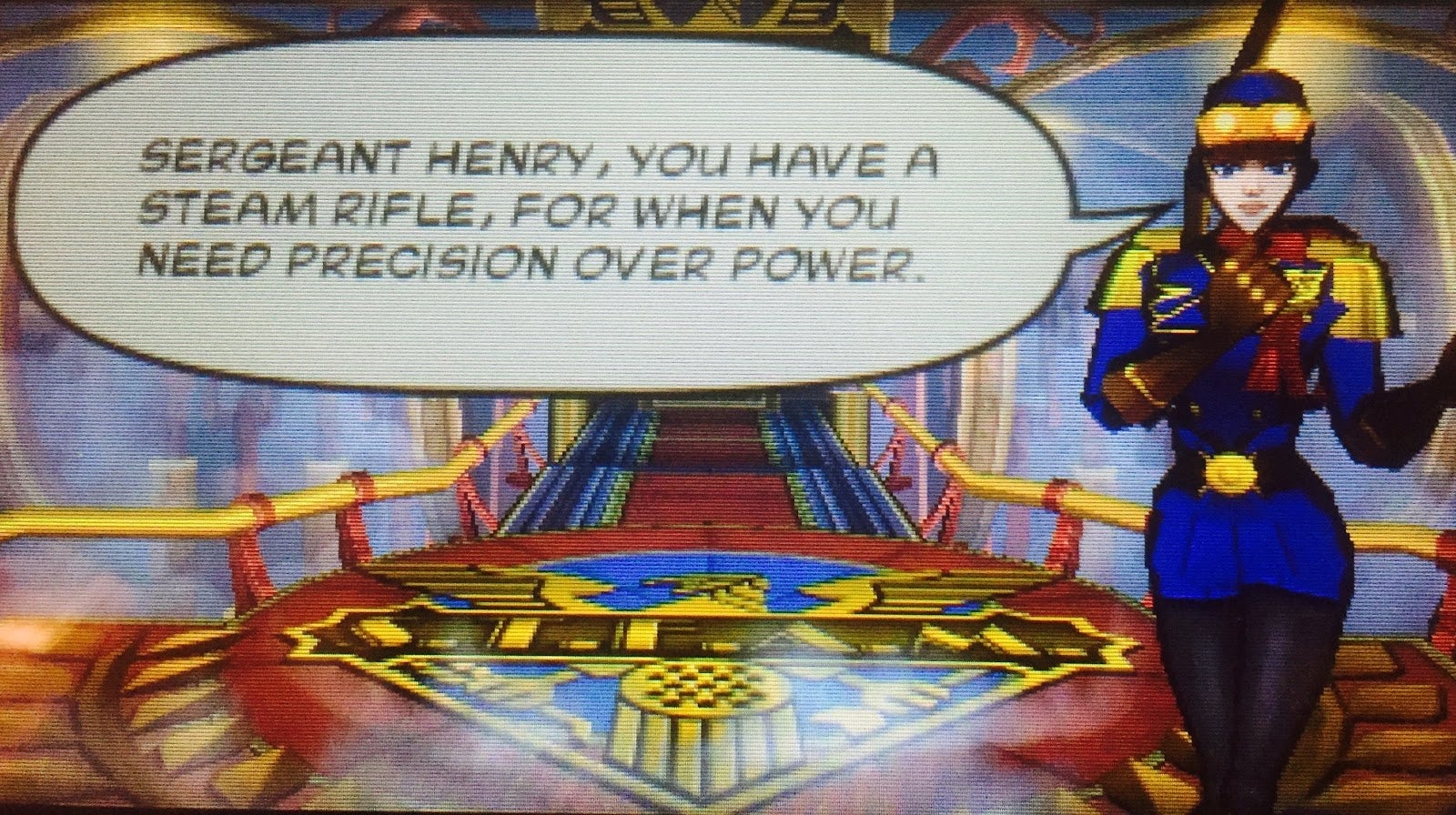 She’s nearly done.
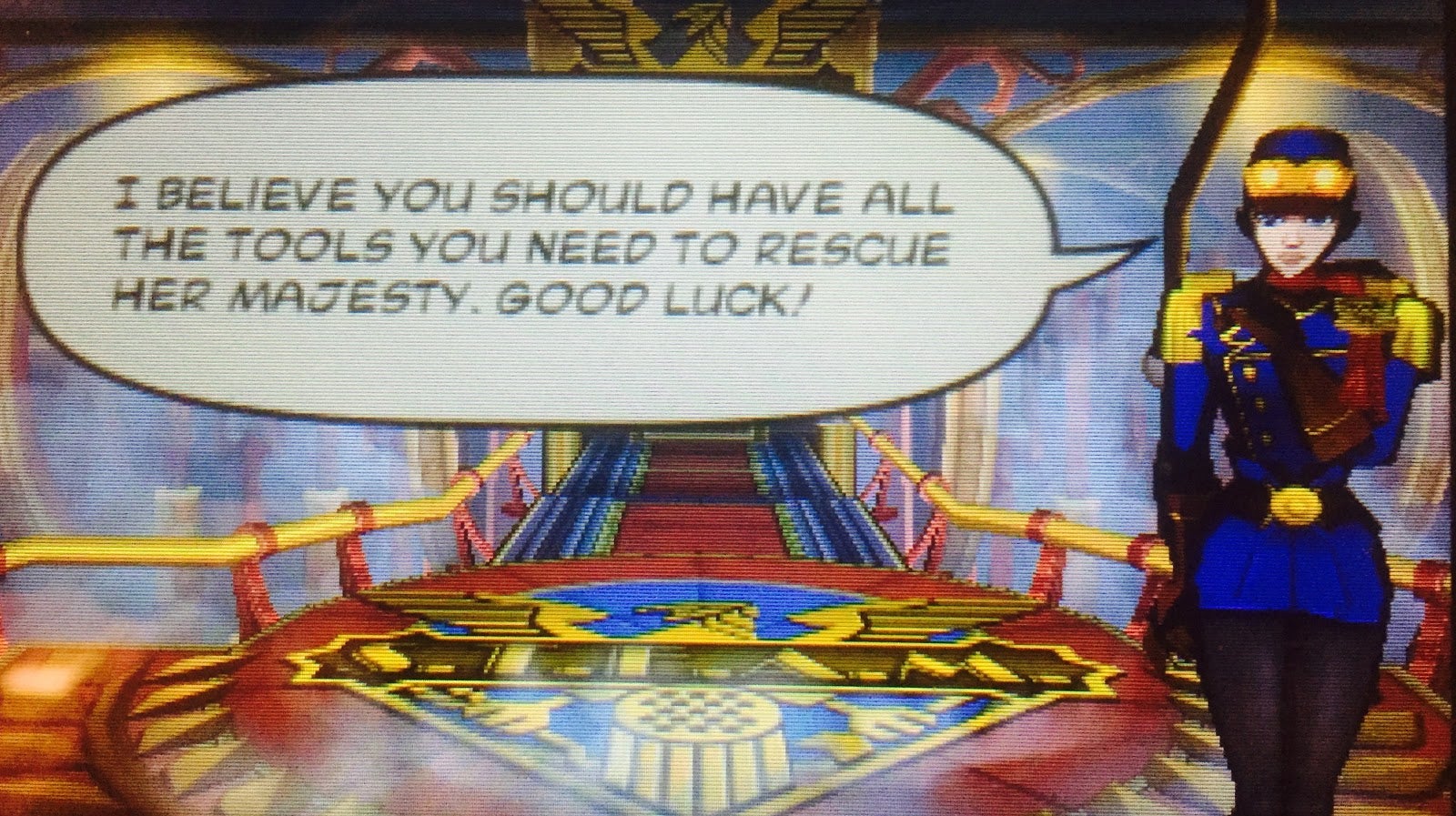 …and then she slips this in…
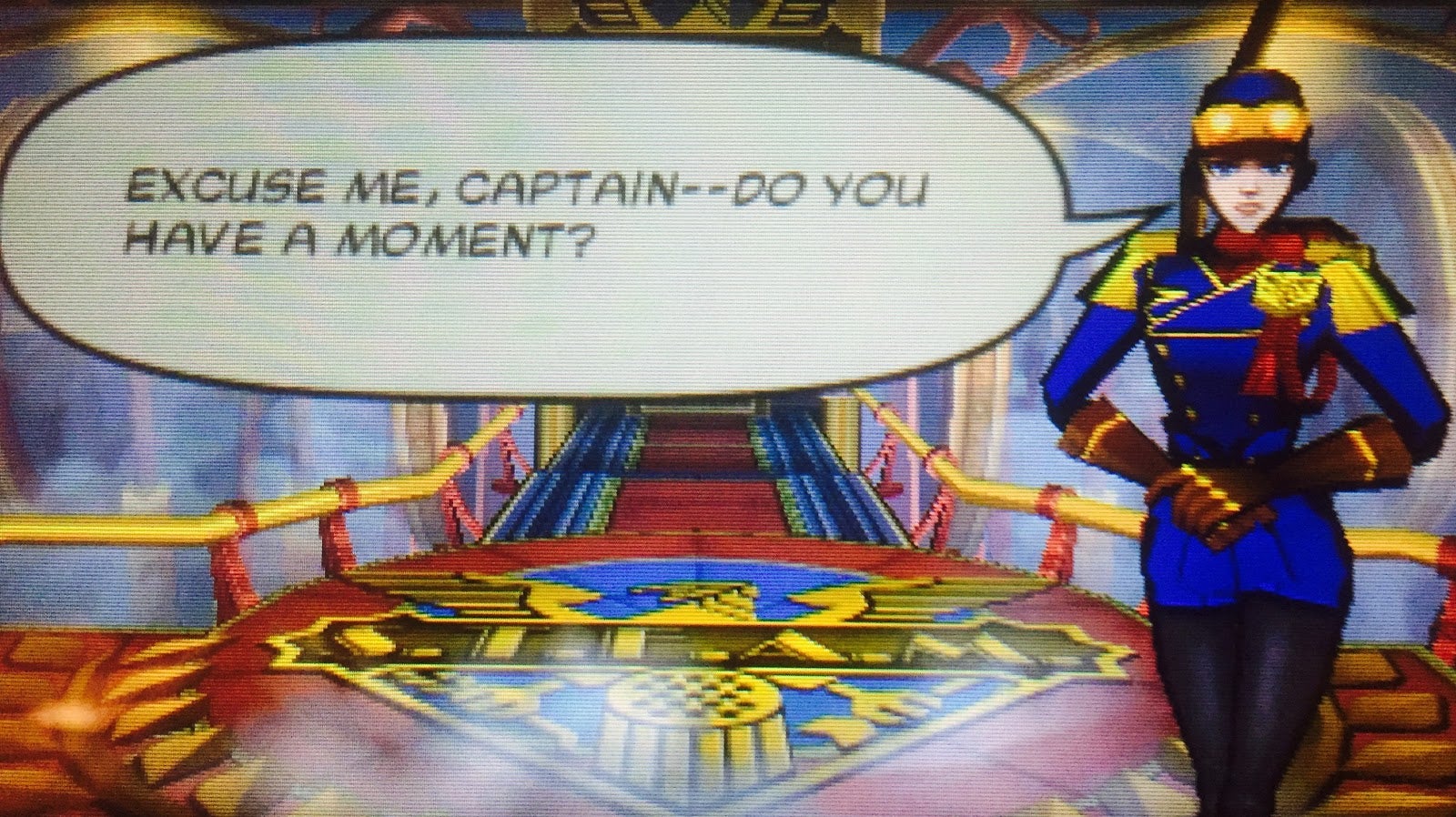
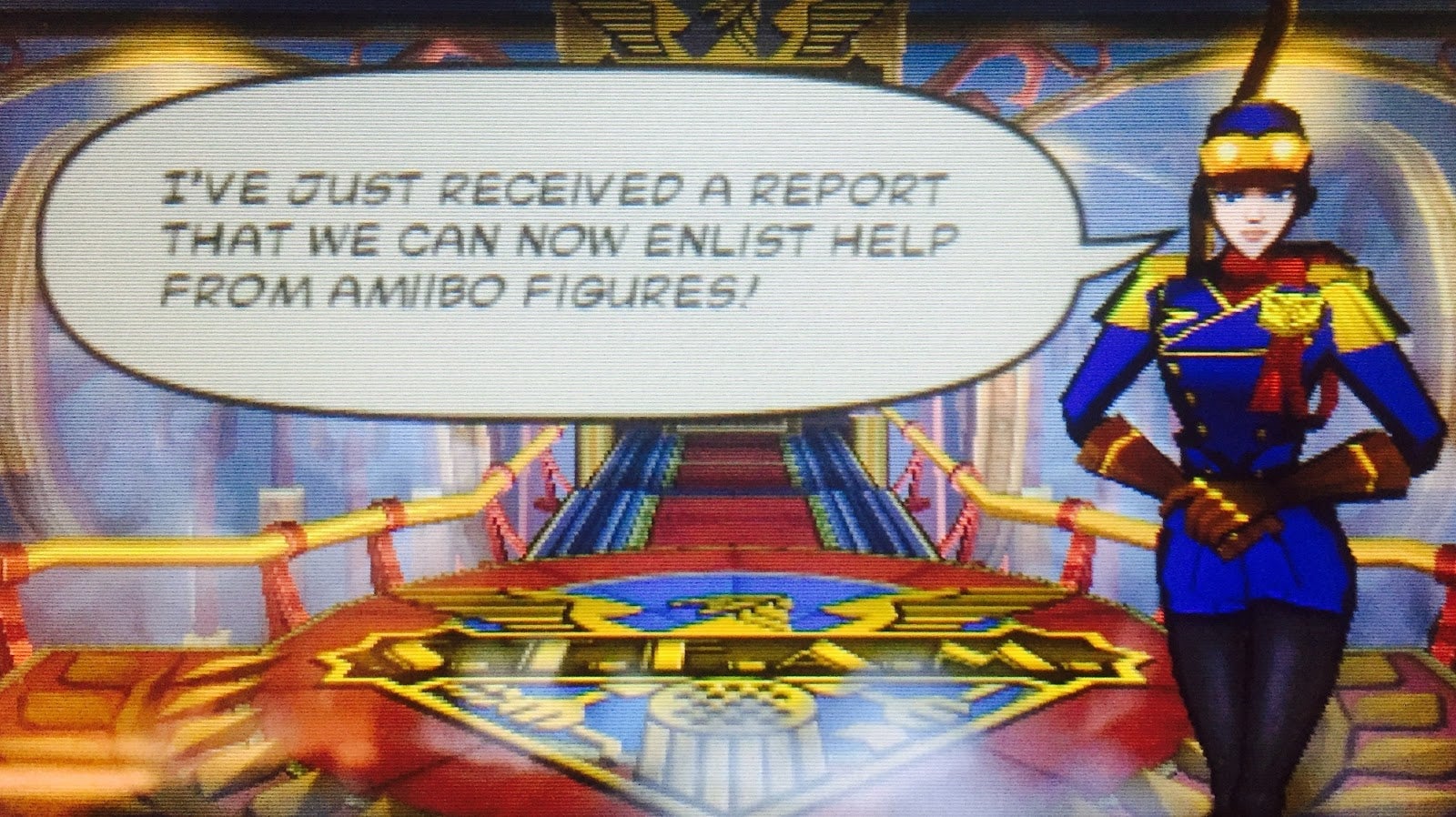
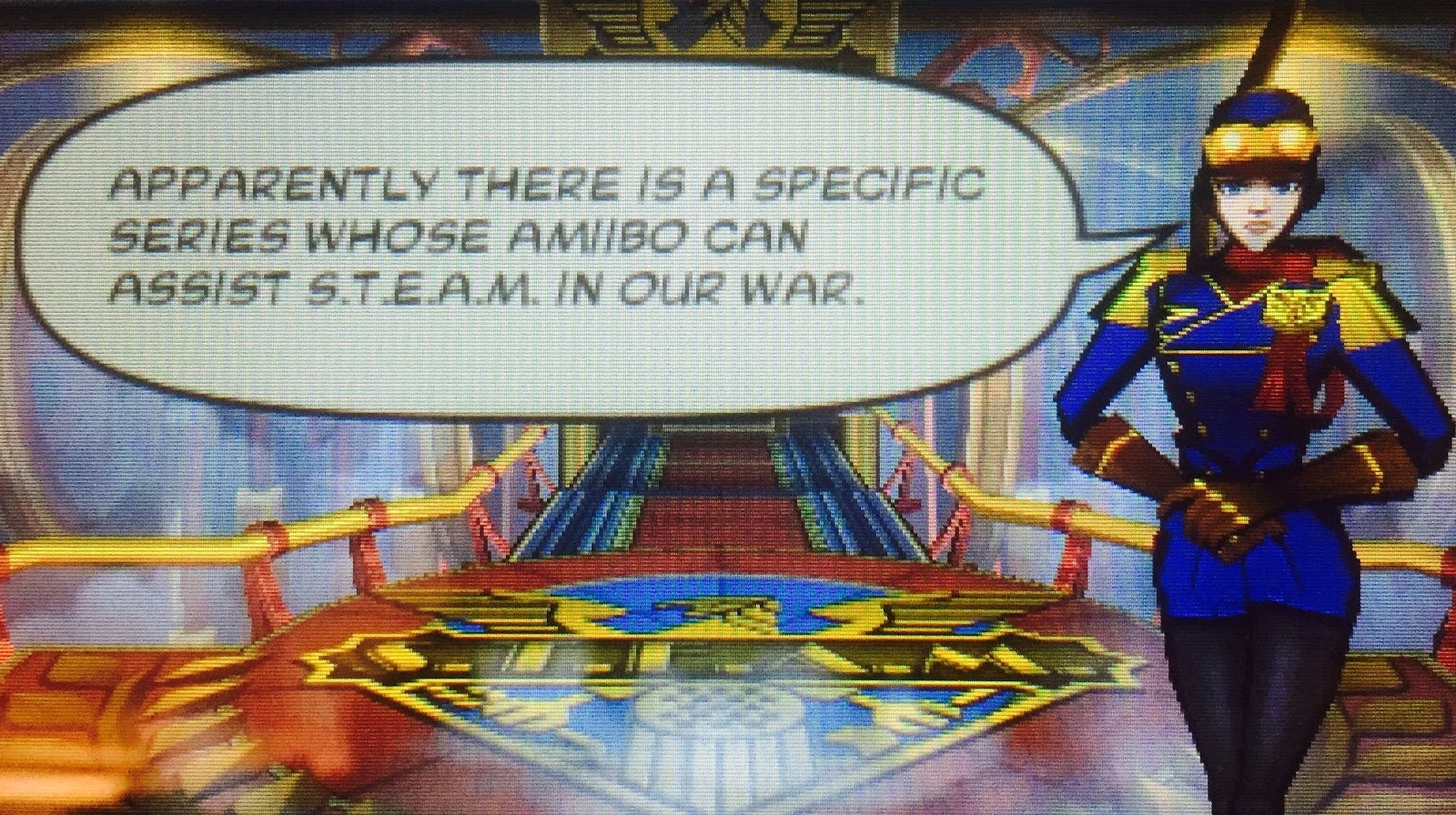
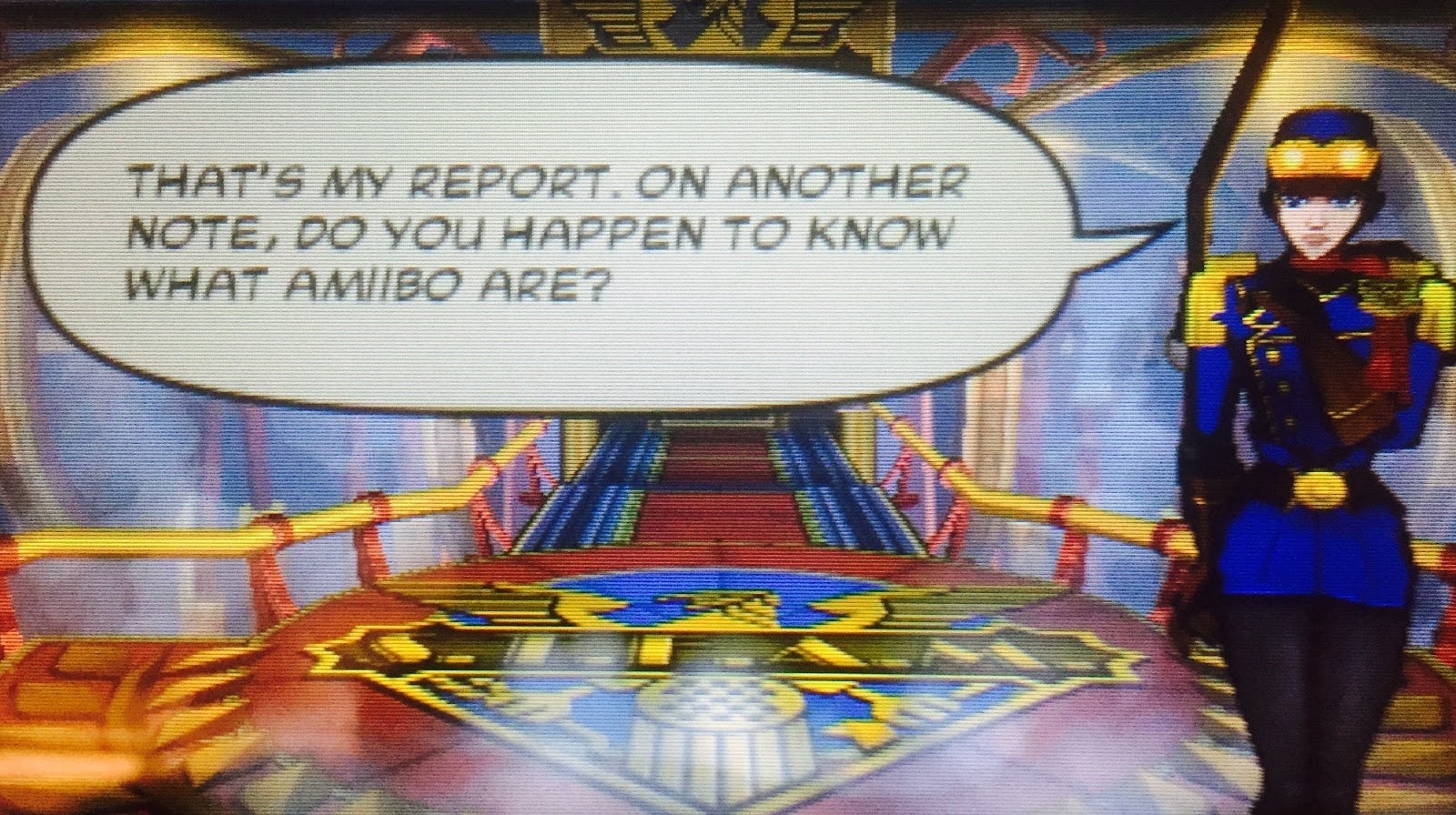 This is your lesson, new owner of Code Name S.T.E.A.M. that the beloved Fire Emblem series can appear in this game, can be playable, but only if you tap their separately-sold Amiibos to a system running the game.
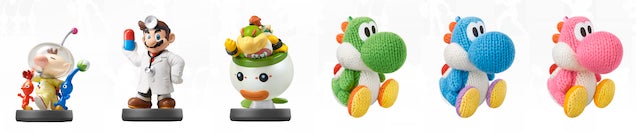 I get it. I see them trying to turn a profit when its other two platforms are less than red hot and when they’re more than a year from releasing their next systems to try to succeed in the console cycle again. They say they’ve shipped more than five million Amiibos since the fall, about the same amount of copies of the newest Mario Kart that they’ve sold in the past year. I’ve seen them get like this before, back when the Wii was suddenly hot more than eight years ago. Nintendo’s cycle of selling popular plastic kicks in: the struggle to meet consumer demand, the short supply, the eventual apology from Nintendo to its customers, the plans to keep selling more.
I have a bad feeling about where Nintendo is going with this stuff. Amiibos are only half a year old and I’m already surprised when they announce a new game that isn’t tied to them. That’s the point of the Amiibo platform, after all and they say so themselves. Here, for example, in a new company statement released last night, they vow to “stimulate demand for amiibo by expanding compatible software titles.” When I hear about a new Nintendo game, I wonder what the Amiibo concept has already done to it, the same way I wonder how a company making some new “free” game is working in some ways to cajole players to spend money buying in-game stuff. What will Amiibos unlock in that new Zelda or a new Mario—or what will they lock out? What will be on the discs and cartridges I own but inaccessible unless I buy a figurine, too?
Think about the complaints people have when other companies—game companies less celebrated than Nintendo, less seen, for whatever naive reason, as a force for good—tie extra missions or characters or costumes in their games to whether you pre-ordered at a certain retailer or bought a season pass. Those companies nearly always eventually let you buy that stuff separately. That hasn’t happened yet with Amiibos. Nintendo’s approach: no toy, no unlock.
It’s not just plastic that Nintendo loves to sell, of course. The fall will bring a new Yoshi game. It’ll be compatible with Amiibos made out of yarn. The season will bring a new Animal Crossing of sorts, too. It’ll work with Amiibos shaped like playing cards. The idea is the same. It’s the world’s best maker of video games indulging the passion for which I’m not much of a fan. It wants to sell us stuff; may it not ruin our games.
To contact the author of this post, write to [email protected] or find him on Twitter @stephentotilo. Illustration by Sam Woolley