As a JRPG fan, I’ve always had a hard time accepting that what Japan wants is often drastically different than what I want.
So when Capcom announced this week that the next Breath of Fire—a series of traditional JRPGs revolving around a boy who can turn into a dragon—would not be a traditional RPG but instead an online game for PC and mobile platforms, my stomach lurched. I wanted to scream. It felt like Capcom had fired yet another shot into the section of my brain that enjoys video games, a section that’s already riddled with bullets labeled Konami and Square Enix.
And I don’t even like Breath of Fire all that much.
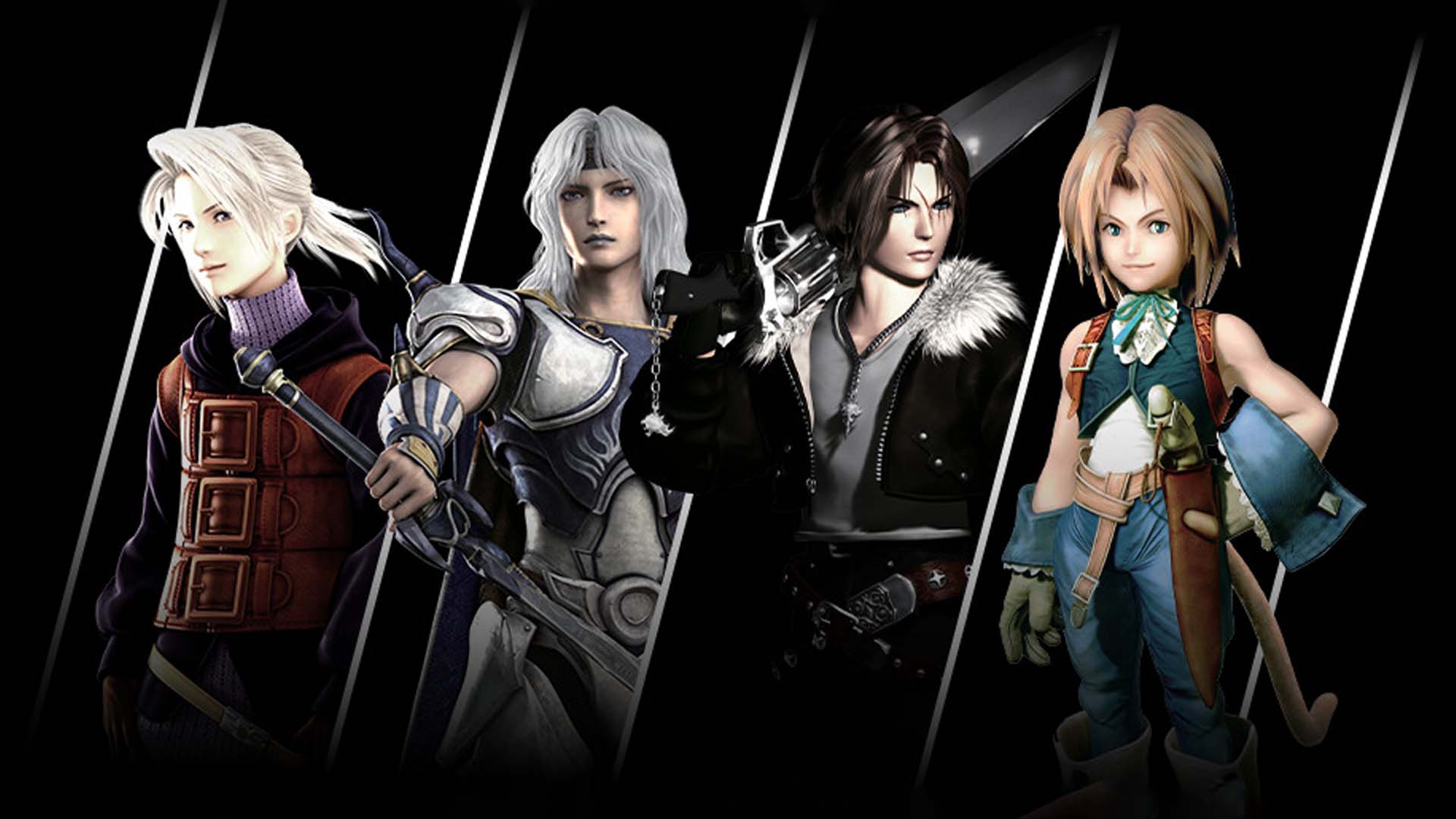
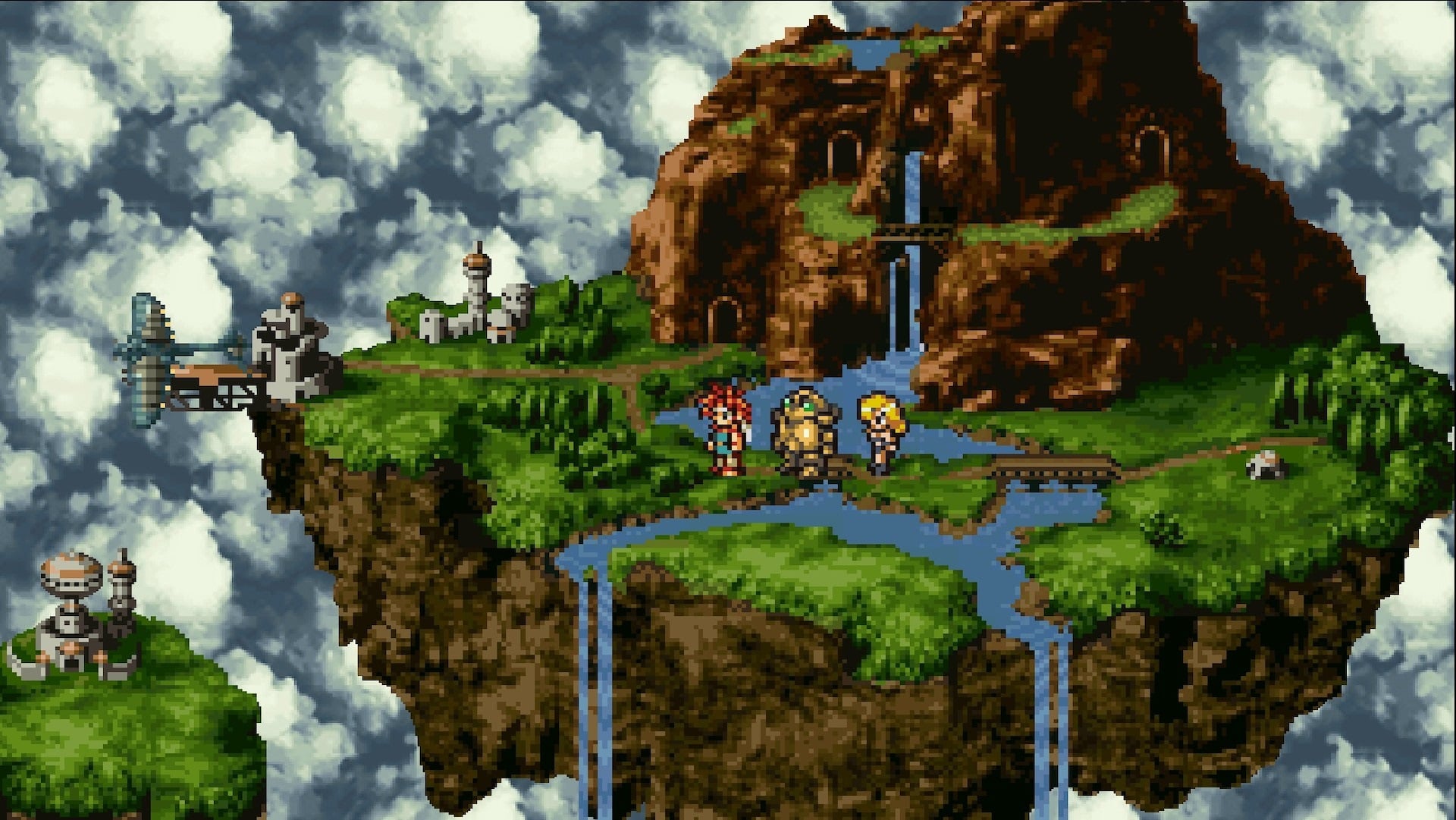
To understand my reaction, and to understand the rage you might have seen on NeoGAF and other big gaming forums this week, you have to understand the position of those who grew up playing games like Breath of Fire. During the 90s and early 00s, we had it good. Real good. Japanese developers, hungry for a piece of those Final Fantasy and Dragon Quest pies, pumped out adventure after adventure with names like Lufia, ActRaiser, Wild Arms, Phantasy Star, and many more. Some were good. Many were great. Most, even while trying their hardest to copy their rivals, also made an attempt to do interesting things.
But at some point about half a decade ago, Japan changed. Hit hard by the cost of HD development and the meteoric rise of portable gaming, a number of Japanese game-makers decided that the Final Fantasy pie just wasn’t tasty enough. Why would they gamble on big-budget projects and risk losing millions when mobile gaming was cheaper and just as popular? Why not take some of their old franchises—franchises that gamers recognize, like Breath of Fire—and use them to sell cheap titles with high profit margins?
It’s every American JRPG fan’s worst nightmare: Japanese titans like Capcom and Square Enix, rudderless and struggling, are preying on nostalgia in the sickest way possible, turning their classic series into mobile monstrosities. (See: Star Ocean, Mana, etc.)
The word “mobile,” by the way, leaves a bitter taste in JRPG fans’ mouths because it generally equates to “low quality.” I don’t think many people would argue that you can’t find great games on your smartphone or tablet, but for the Capcoms and Square Enixs of the world, mobile has become a symbol for games with very few interesting choices, designed, Zynga-style, to addict and absorb, not to thrill. The most egregious example is Final Fantasy: All The Bravest, a slot machine in which you give money to Square Enix and get nothing in return. (There are exceptions, of course: the mobile Final Fantasy Dimensions, for example, is a very good game.)
https://lastchance.cc/five-things-i-like-and-five-things-i-dont-like-about-5944900%3C/a%3E%3C/p%3E
Today, every Japanese publisher wants their own version of Puzzle & Dragons, the ridiculously successful free-to-play mobile game that is earning roughly a gazillion dollars a day thanks to commuters in Tokyo and Osaka who don’t realize (or don’t care) that the game is designed for your wallet, not for your brain. That’s the latest trend.
“It’s pretty tragic how mobile is hot shit in Japan right now,” said one person close to a Japanese development studio (who asked not to be named in the interest of protecting their job).
It is. Tragic. And even in 2013, a year that’s been excessively strong for Japanese RPGs, it’s hard not to feel a sense of dread about those old series. When I talk to people familiar with the goings on at Japanese publishers and developers, there’s always a sense of trepidation, like catastrophe could creep up behind the biggest companies at any moment. Sales are increasingly sluggish, and guys like Square Enix, Capcom, Sega, and Konami just can’t seem to figure out what gamers want, so they go for what’s making money.
https://lastchance.cc/the-year-in-jrpgs-so-far-part-two-925795886%3C/a%3E%3C/p%3E
Yet… a look through Japanese message boards like 2ch (with translation help by Brian Ashcraft) reveals that at least a few Japanese gamers felt similarly to their Western counterparts.
“This is so awful, I feel like crying,” wrote one Japanese commenter.
“Online… And there goes my interest,” wrote another.
“This is a huge, awful shock,” wrote a third.
So no, it’s not just Americans freaking out. Not every Japanese gamer wants to see JRPGs go the way of Breath of Fire 6. The Puzzle & Dragons affliction could very well be a temporary trend, like so many successes before it.
These things happen in cycles, both in Japan and in the West. In the early 2000s there were the Grand Theft Auto III clones, and then came the World of Warcrafts. Today, everyone’s trying to add elements of Skyrim to their games, because in the video game industry, people don’t try to capture lightning in a bottle—they get jealous of the other guy’s lightning and try to clone his bottle.
So, really, who knows? Maybe Final Fantasy XV will sell 10 million copies and Japan will go back to trying to copy Square. Maybe virtual reality is the future. Hell, maybe the next generation will be all about point-and-click adventure games.
All we can hope is that we hit the next trend soon.
Random Encounters is a weekly column dedicated to all things JRPG. It runs every Friday at 3pm ET, except when there’s a news embargo and the column gets bumped up to 12pm ET. You can reach Jason at [email protected] or on Twitter at @jasonschreier