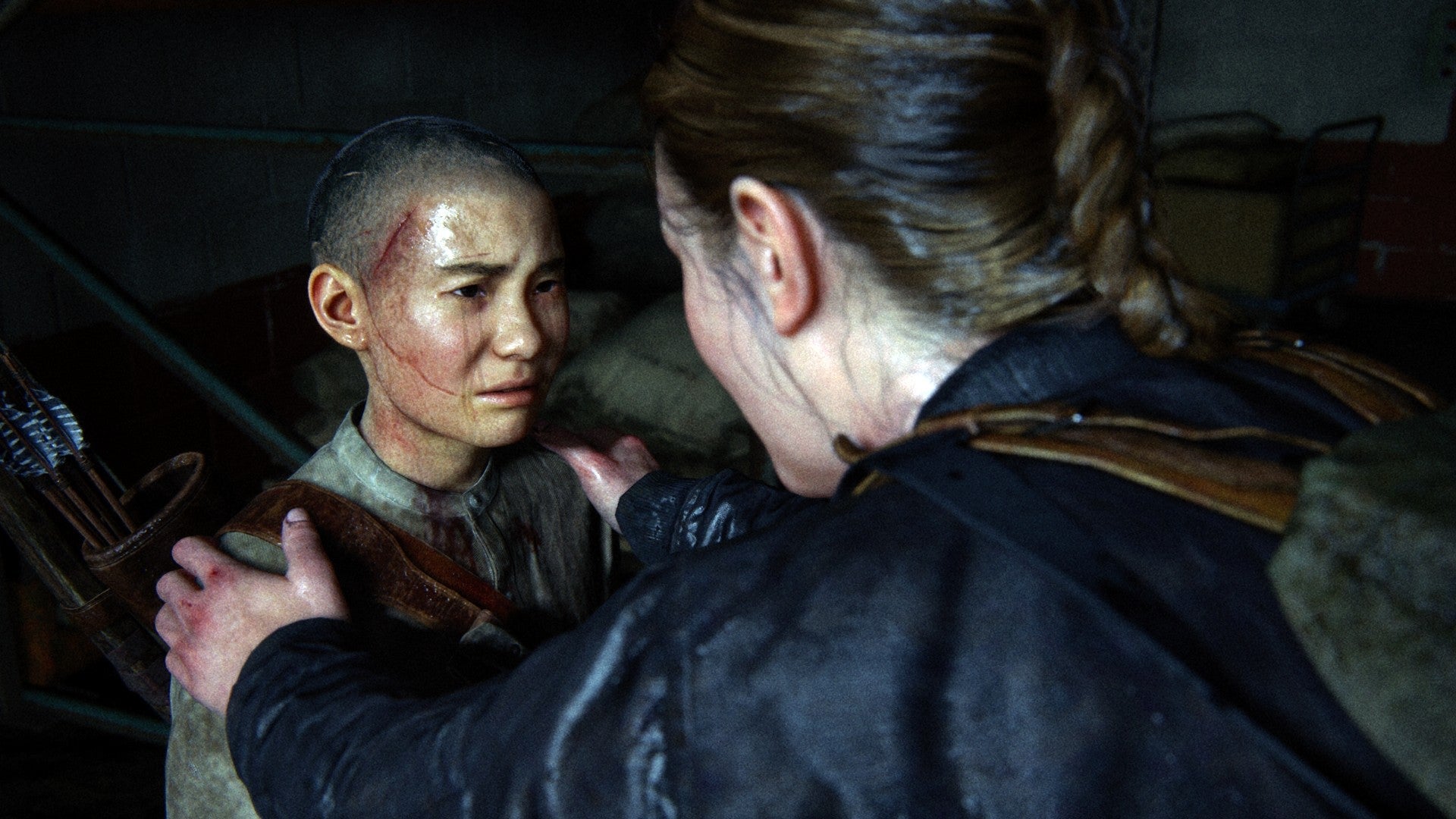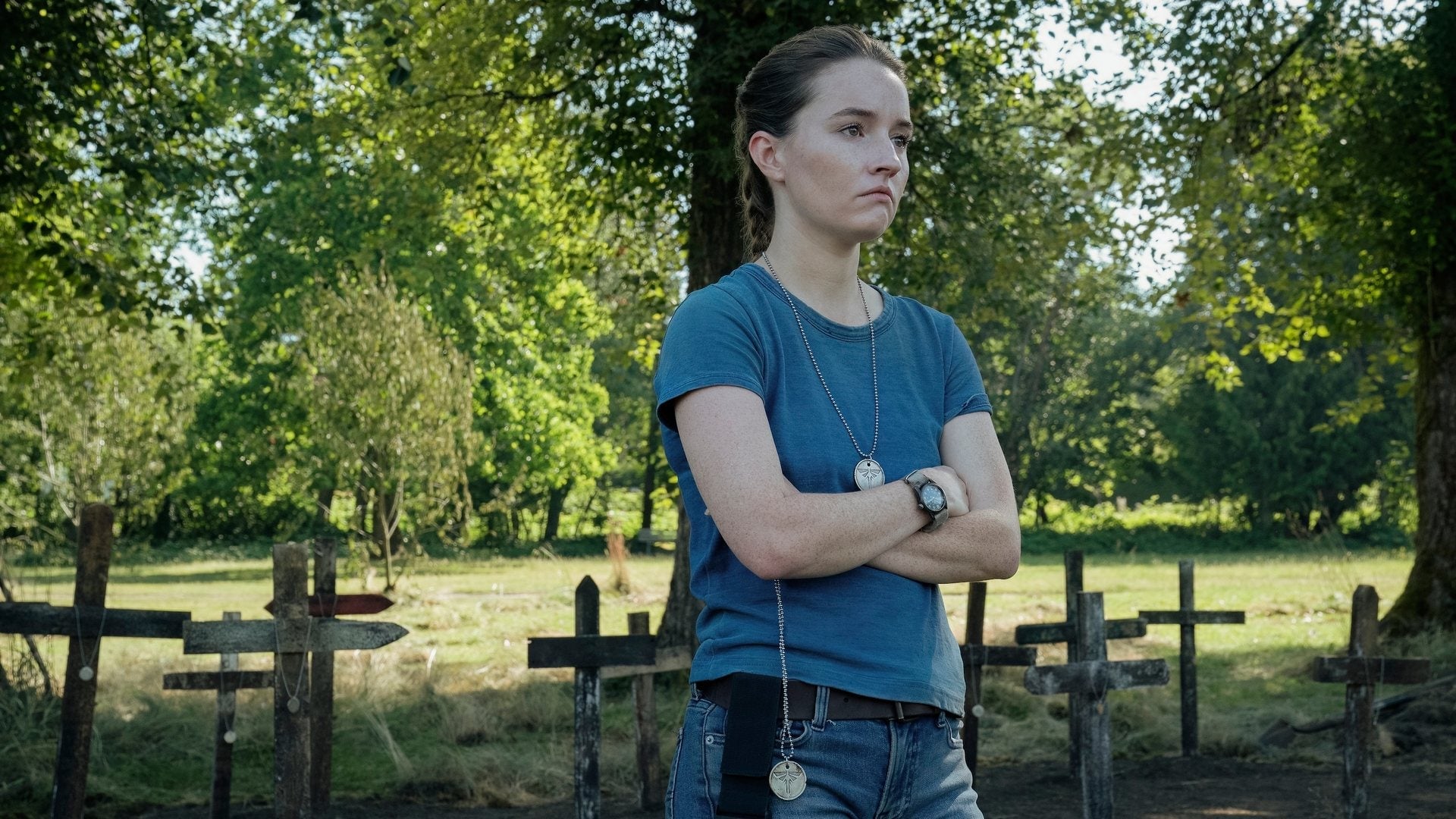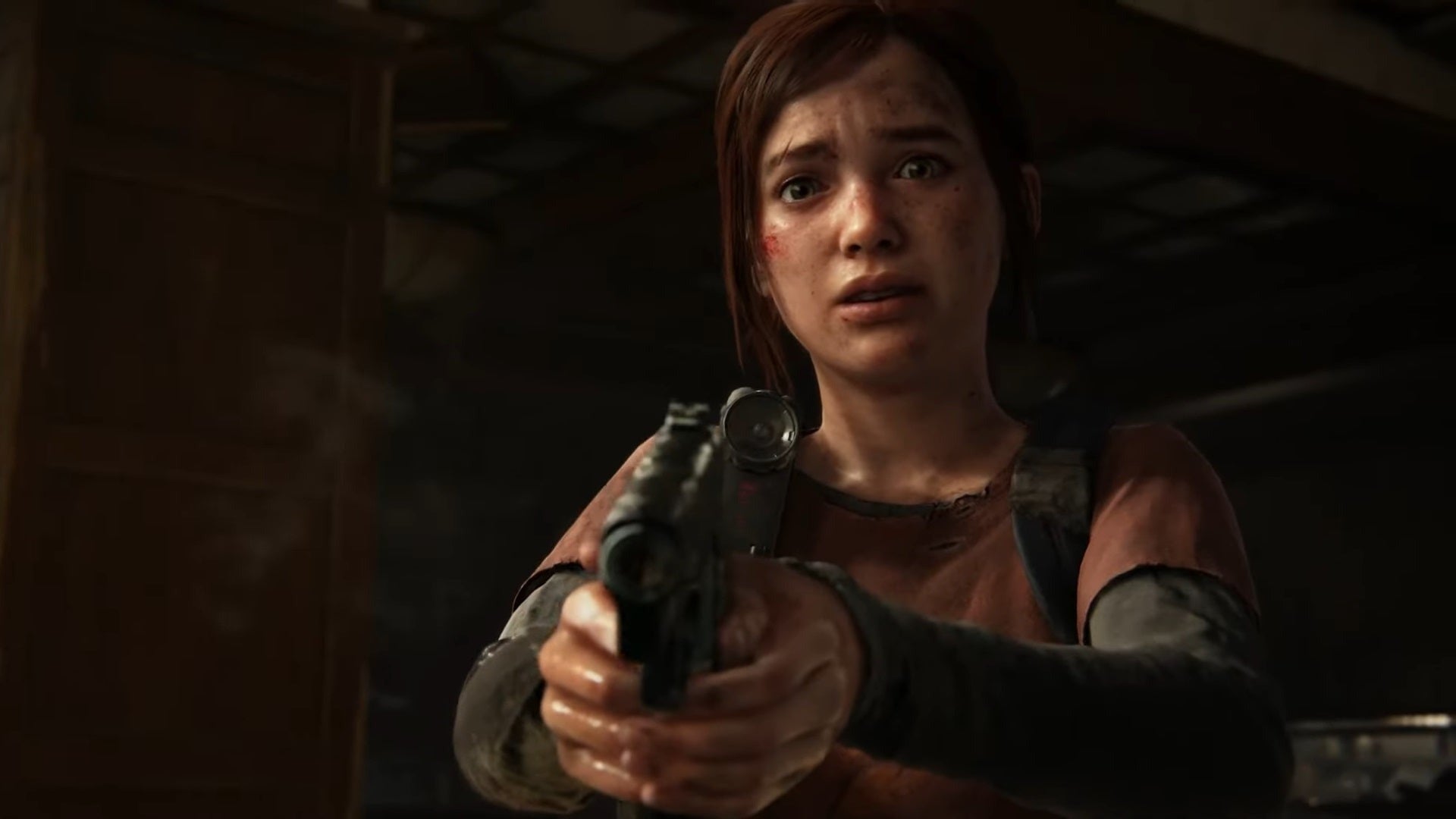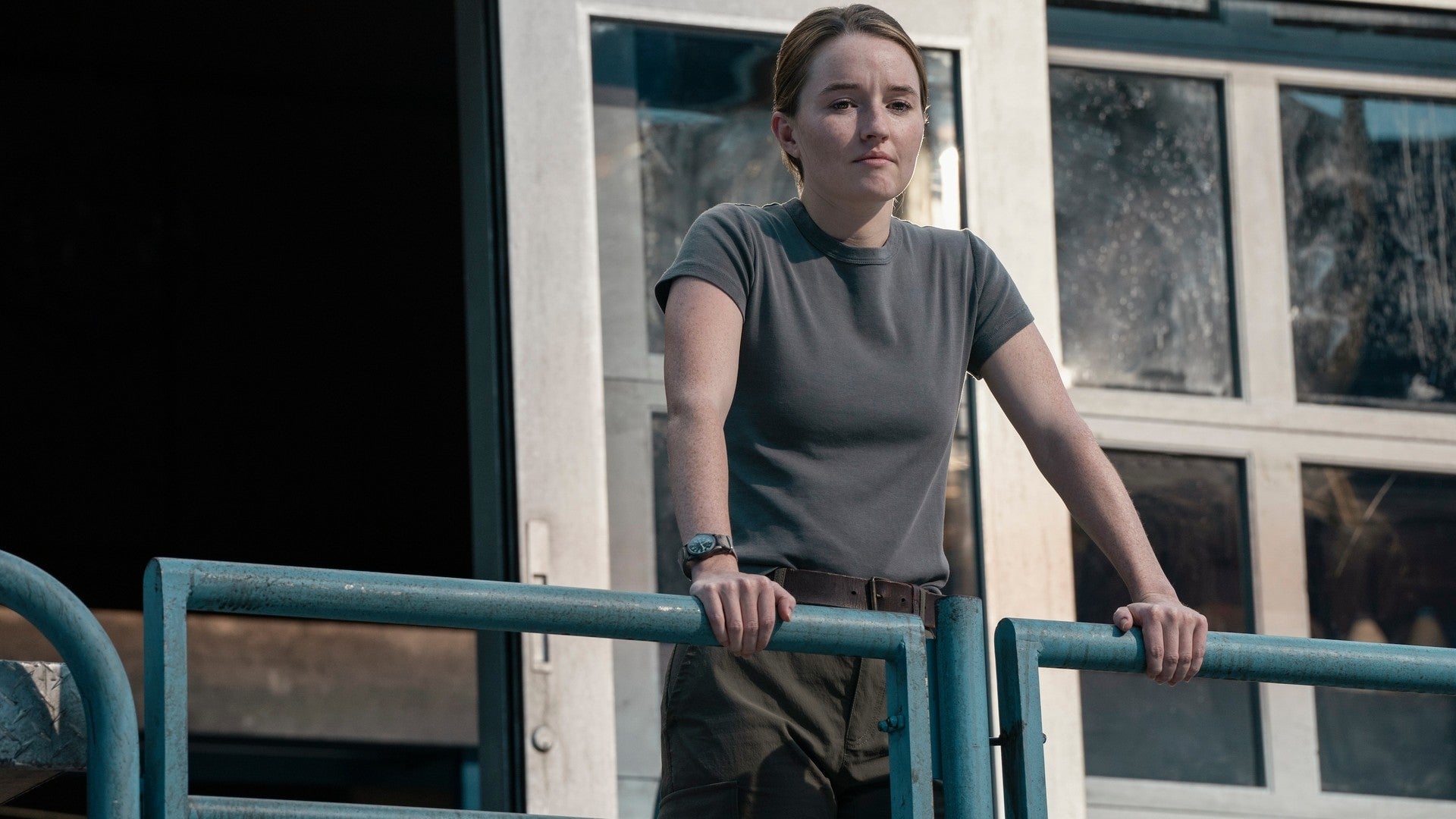
When I finished The Last of Us’ eighth episode “When We Are in Need,” which recounts the events of the game’s winter section, I had to go take a walk. I thought I was emotionally prepared to see a live-action version of the source material’s darkest moments, but I was once again surprised by the HBO show’s willingness to draw text from the game’s subtext. In doing so, the show makes one of the most horrifying figures in Naughty Dog’s post-apocalyptic world even more horrifying, to bone-chilling effect.
Who is David in The Last of Us show?
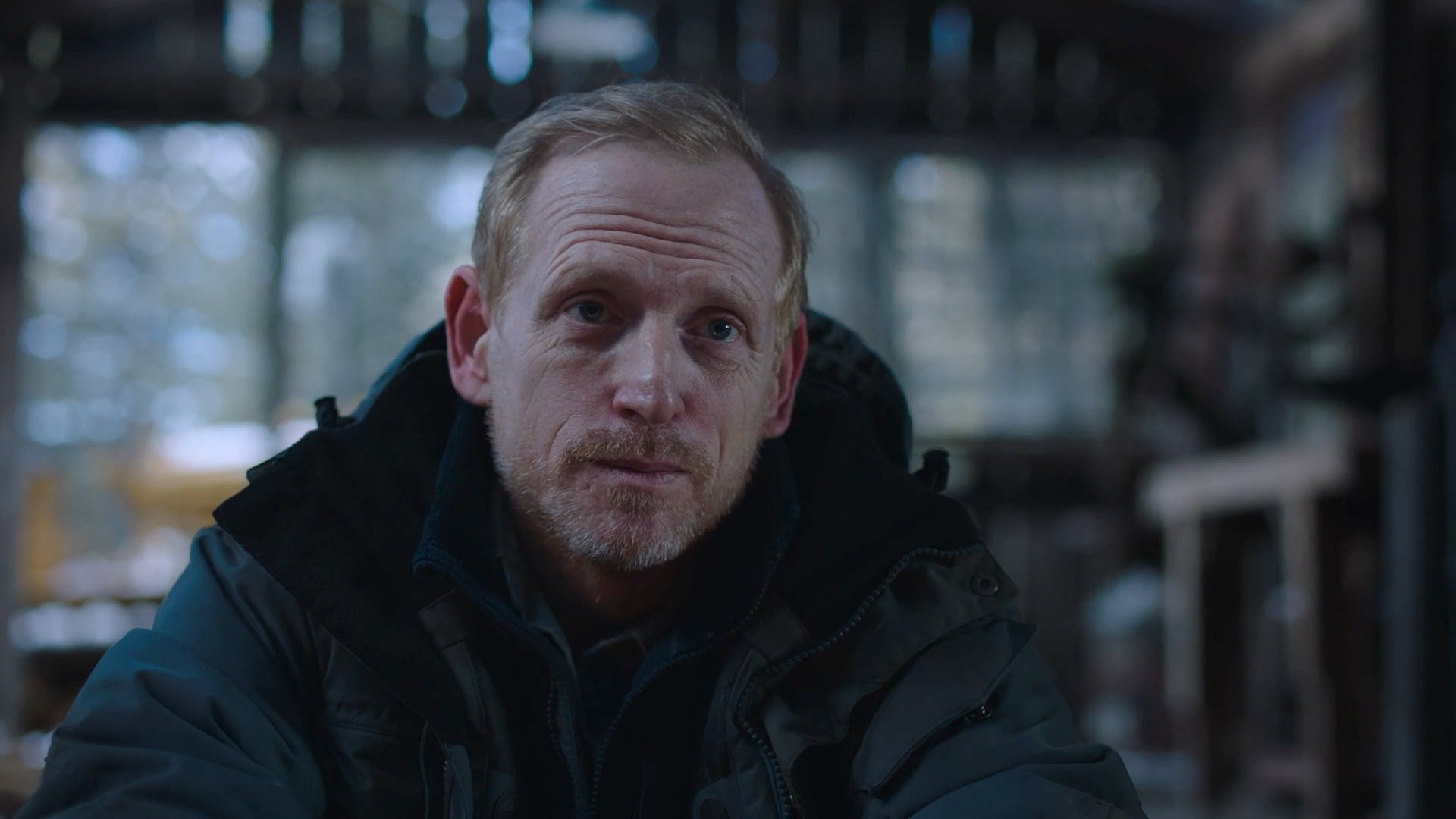
David is portrayed by Breaking Bad and Jason Bourne actor Scott Shepherd, and his performance is building off a character who, in the game, is already undeniably villainous. In a franchise that often explores the moral ambiguity of heinous acts when the world has ended, the game makes no attempt to disguise David as a good man who lost his way in the apocalypse, even if that’s what he might believe he is. This is a man who has formed a cult, has established a system to kill and cannibalize innocent people, and despite the game never saying it out loud, is a predator toward 14-year-old Ellie.
The characterization of David as both a cult leader and predator is dialed up to 11 in HBO’s version of the character. Episode eight opens with David giving a sermon, reading from the Book of Revelation. His audience doesn’t seem particularly soothed by his scripture, and instead is distraught about the death of someone in their group. A young girl asks David when they can bury “him,” and we come to find out later this is the man Joel killed two episodes ago at the University of Eastern Colorado. But David’s cold (no pun intended) answer that they’ll have to wait until the snow clears and bury him during the spring doesn’t satisfy the community David has cultivated.
The game The Last of Us made it clear that whatever hold David has on the people he commands has been waning, and that his unwillingness to deal with Ellie in a way that feels proportionate with the loss of the people in their community was a final source of friction. The show, meanwhile, makes it clear that while Joel and Ellie’s actions may have served as a catalyst for the cult’s unraveling, David’s abuses were not exclusive to those outside of his tight-knit followers.
There’s a scene about 20 minutes into the episode where David enters a populated diner and tells his community he has found Ellie and will track her to find Joel. Then, when the daughter of the man he killed says they should return the favor, David backhands her in front of the entire group. He tells her she may not feel like she has a father anymore, but claims she still has one in him, and that she should respect him when he speaks. He then sits down at her table and proceeds to feed her the cooked remains of her father.
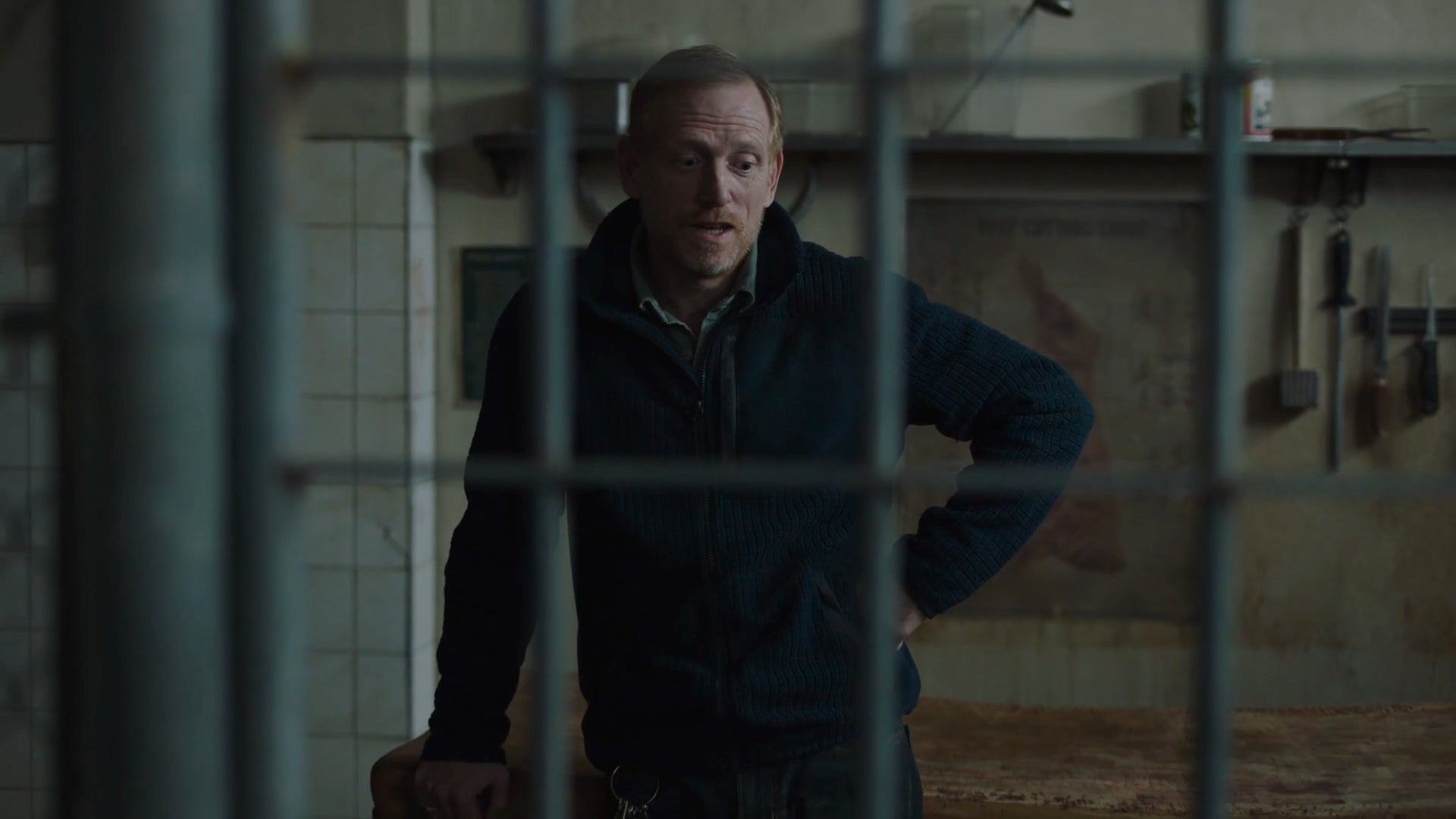
All of this disarray comes because David doesn’t want to kill Ellie, who members of his cult believe is at least partially responsible for the loss of one of their own. The Last of Us game makes it very clear that David has some kind of predatory intention toward the young girl, as there’s a scene where the man holds her hand through the bars of a cell and tells her she’s special. In both versions of the story, Ellie takes advantage of the moment to break his finger and attempt to escape. But because the HBO scene is a bit longer, we have to sit with the uncomfortable, growing tension as an older man tells a 14-year-old girl about the life they could build together.
The entire thread nearly snaps as the conflict reaches its conclusion. After Ellie bites David in a struggle, the two have a confrontation in a burning restaurant similar to the original game. As David gains the upper hand and pins Ellie down, he utters a horrifying line: “I thought you already knew, the biting is the part I like the most. Don’t be afraid. There’s no fear in love.” Ellie manages to reach a cleaver and deal multiple killing blows, but not before the show manages to say out loud what the game didn’t acknowledge. In doing so, the show solidifies there is no necessity that motivates David’s actions, merely a perverse, predatory nature.
It’s a phenomenon the show has been illustrating through its entire run. In episode three, we watch Bill and Frank’s love story unfold rather than it being heavily implied in the game. In episode six, Joel and Tommy have conversations about Joel’s PTSD involving the loss of his daughter Sarah, and how, as he grows closer to Ellie, he fears he won’t be able to protect her in the same way he couldn’t protect Sarah. The HBO series has spent more time in each episode talking about things the game left as subtext, and while it’s led to some lovely characterization for a cast we thought we already knew pretty well from the games, it’s also meant horrors like the ones David inflicts or intends to inflict on others have a more horrifying impact.
Why it matters that HBO’s David is unambiguously horrifying
What makes this interesting for David specifically is that the character’s actor in the game, Nolan North, has spoken about interpretations of the villain over the years, and was perhaps more charitable to him than the show ever entertains. North has gone on record that in getting into character, he didn’t view David as a bad guy, and says that while most people would view him as “out of his mind,” he sympathized with him as an actor inhabiting the role. He even said in a YouTube Let’s Play of the original game that he viewed David as more of a “warped father” rather than a “sexual deviant.”
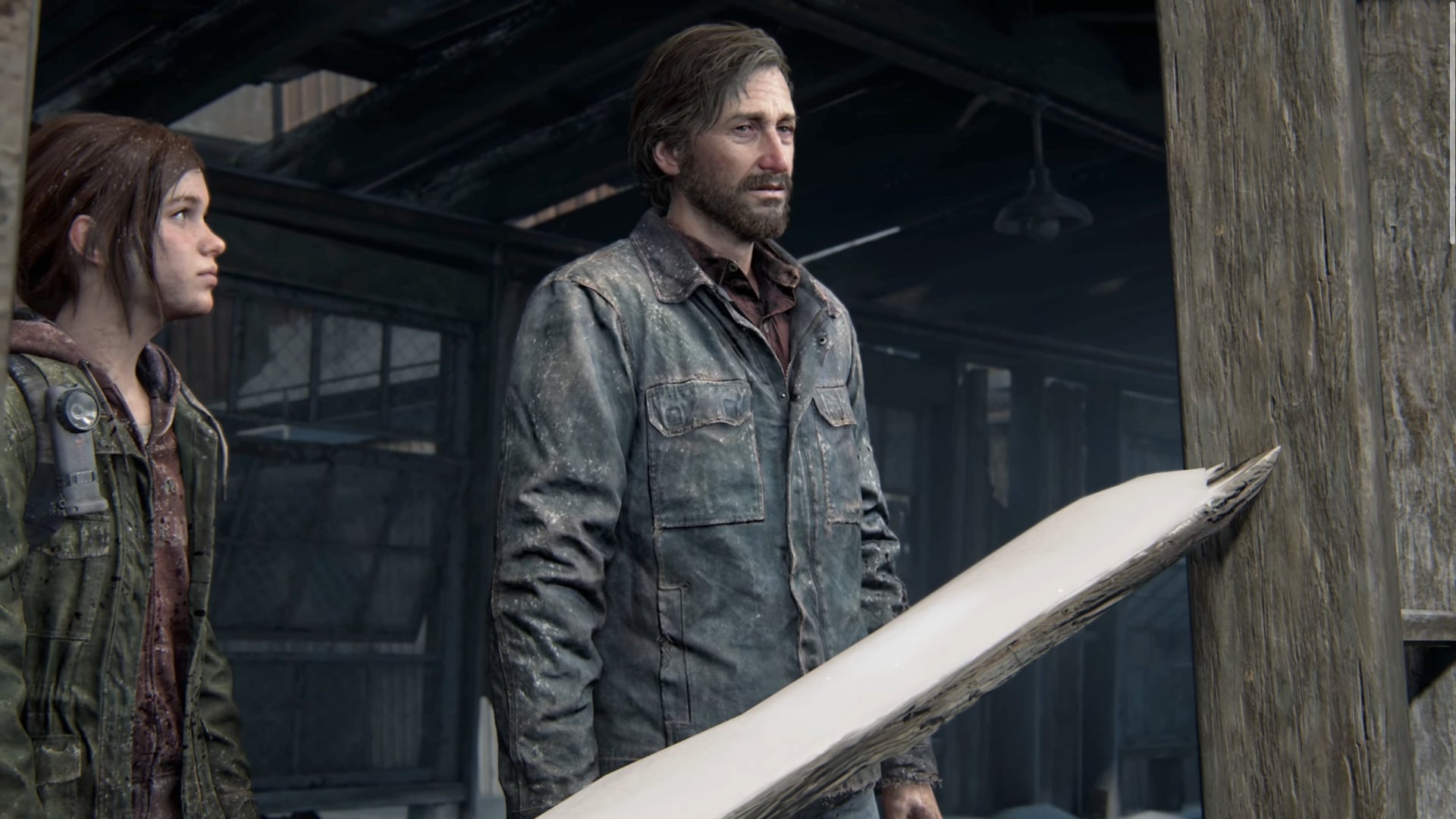
A lot of North’s comments are simply what you might expect of an actor getting into character. However, Troy Baker, who plays Joel in the original game and plays the supporting role of James in this episode, has tried to equate David’s actions with Joel’s in a way that was baffling in 2020, and is more baffling in 2023 now that the show has gone to such great lengths to make it clear that David is reprehensible, even by post-apocalyptic standards. In The Official The Last Of Us Podcast (the one about the games, not the one about the show, I know it’s confusing), Baker leads discussion on David with the following:
The character of David, tell me one thing that David did that was wrong. You tell me one thing that makes him “the bad guy.” I can state a case that David is—he and Joel could be mirror images of each other. They both are looking out for those that they love and protect. Both of them are willing to care for Ellie. The only time that he actually takes action against Ellie is when she tries to kill him.
Comparing these two defenses of David, I find North’s to be mostly fine, because as an actor, it’s your job to get in the mind of a character, no matter how much of a monster they might be. But Baker’s comparing David to Joel is wild to me, because it speaks to an idea that somehow, despite the questionable morality of Joel’s violent actions, he’s somehow equal to a cannibal and sexual predator. For all of The Last of Us’ notions that violence is a morally ambiguous act in the post-apocalypse, some acts of violence aren’t deemed acceptable by any necessity, and David crosses this line more than once.
What makes David’s appearance in HBO’s show a standout is that it’s one of the most explicit examples of The Last of Us adapting the source material not through sweeping changes. Instead, the show capitalizes on what was already there by drawing out the parts of characters that were bubbling just beneath the surface in the games to more overt ends. The show doesn’t allow for different interpretations or explaining away the truth. Sometimes it’s okay to unambiguously say someone is a monster, even in a world where most people are shambled versions of who they once were.