Last night’s The Last of Us finale on HBO Max ushered in the inevitable, the thing so many of us have feared for a decade: Major publications, the same ones who refer to video games as if they’re all still like Pac-Man, are weighing in on its controversial ending.
Perhaps it goes without saying, but massive spoilers for both the ending of the first game and the HBO season finale follow. Read on at your own peril.
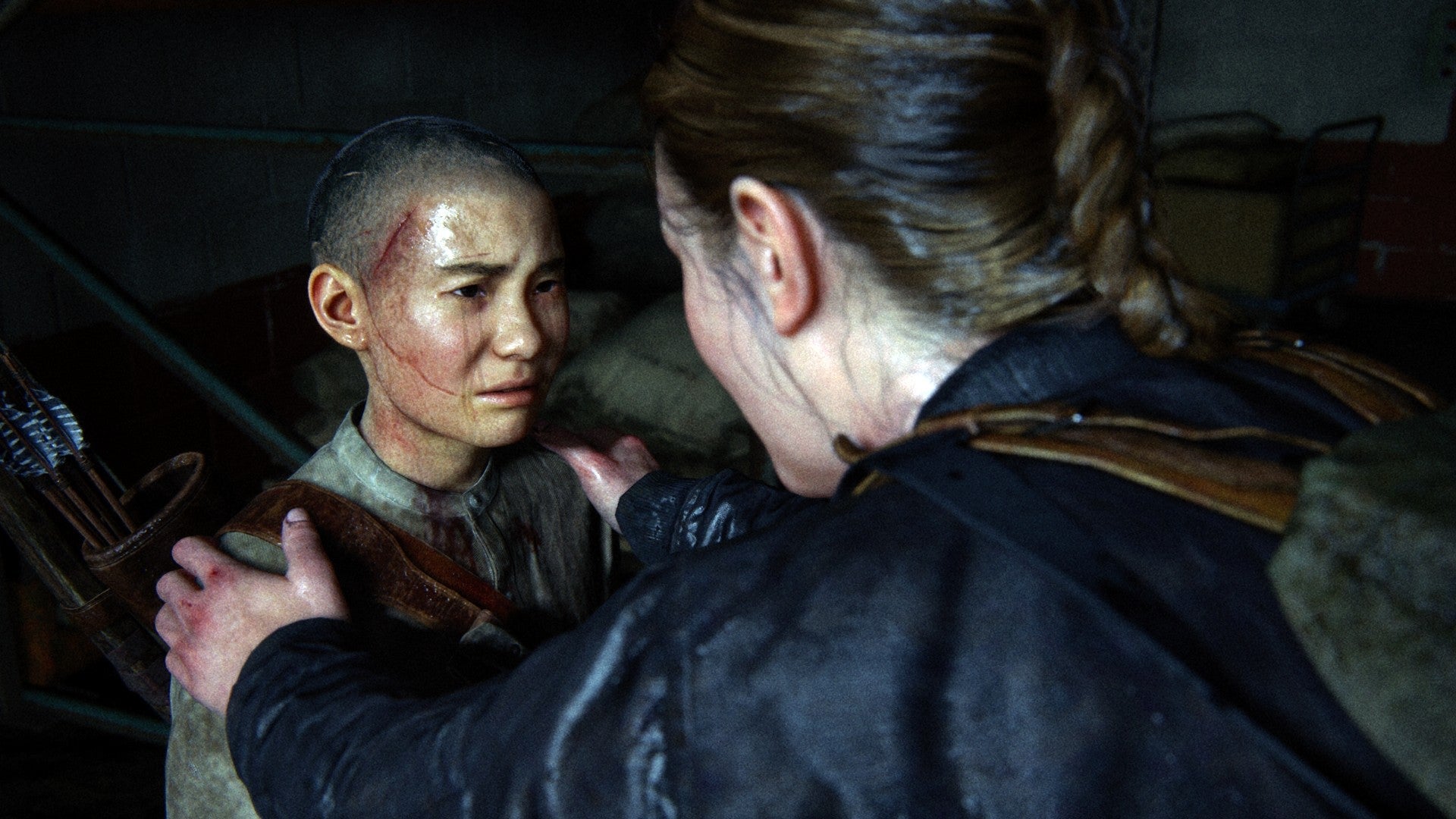
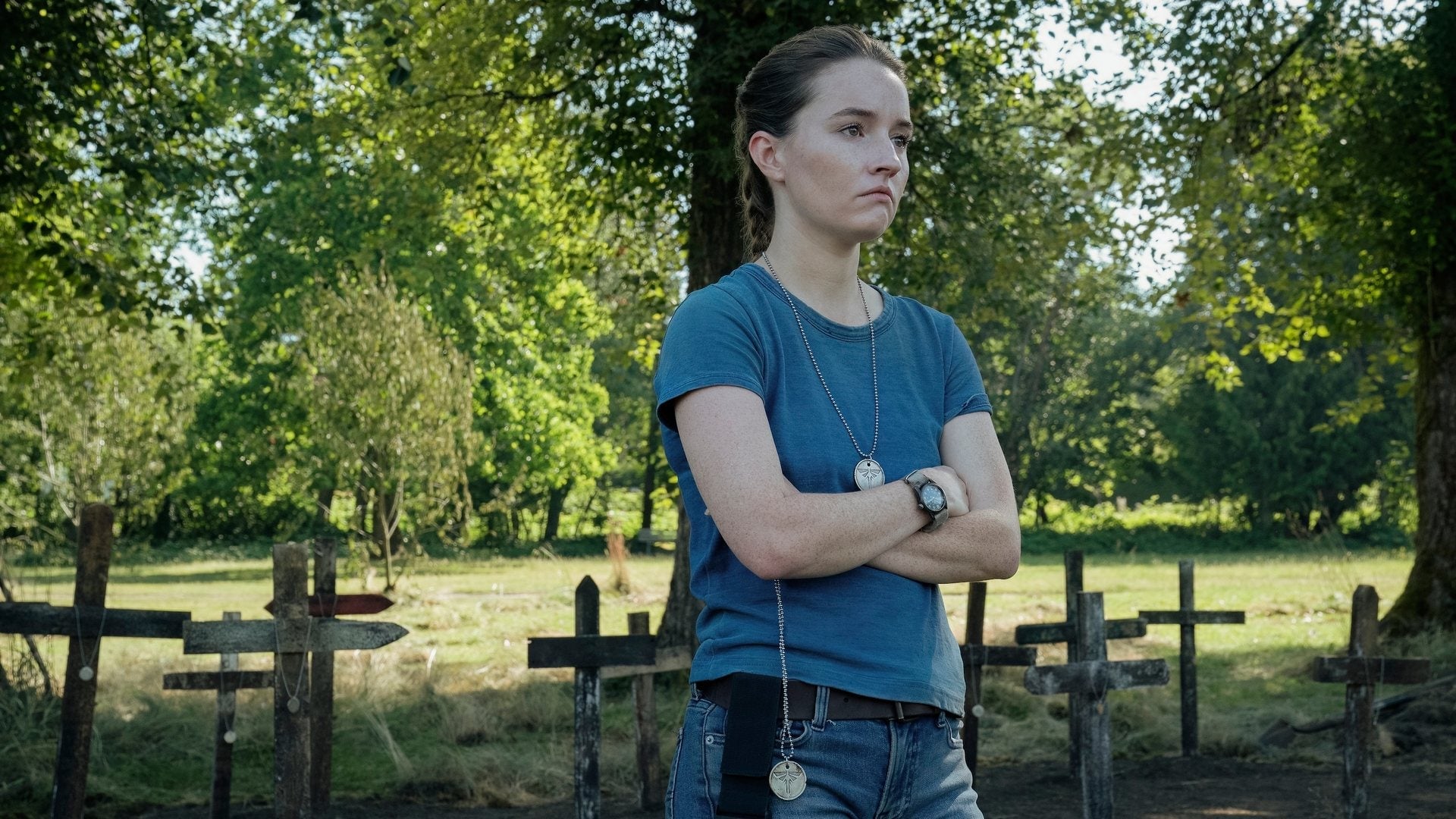
 In case you’ve managed to avoid both waves of The Last of Us ending discussion, here’s a brief recap of both the game and series: After promising to safely deliver Ellie (Bella Ramsey), a young girl immune to the infection that has ravaged the world, to a revolutionary group determined to develop a cure, Joel (Pedro Pascal) learns that they’ll have to kill the young girl in the development process. But instead of letting one little girl die for the sake of the human race, Joel goes on a killing rampage through the hospital in which she’s being held, murdering every last person and rescuing the sedated child—at the expense of the rest of humanity.
The Last of Us finale discourse goes mainstream
When the game came out in 2013, this ending sparked a rather straightforward debate over what you would sacrifice for your loved ones—and several more debates that were much more nuanced about problematic tropes, gore for gore’s sake, and whether or not this game was “the greatest story ever told in video games.” Naturally, those of us who have been involved in the industry in some way have grown weary of The Last of Us discourse, not only because it seems to tread and retread the same ground ad infinitum, but because of the all-too-often ire that accompanies such a conversation.
But now, everyone is talking about this fucking ending, from my video game-ignorant parents who once worried about me screaming into my microphone when playing Halo 3, to the person at my gym who knows what I do for a living, and even prestigious, legacy news publications like The New York Times. That daily newspaper has picked up the discourse torch, albeit 10 years after it was first lit by gamers across the globe. And though it’s covered The Last of Us in some capacity before, whether it’s filtering the first game through a Feminist Frequency lens or discussing the infamous DLC (both the work of one journalist, Chris Suellentrop), the newspaper monolith has never ventured into the murky waters of discussing The Last of Us’ ending.
Well, thanks to the finale of the hit HBO series, it has. But, like all legacy publications determined to handle video games with an astonishing lack of nuance, it’s clear that even after all these years, normies don’t know how to talk about video games. Maybe it’s easy to feel that way because the piece is titled “The Last of Us Finale: First-Person Shooter” or because the opening paragraph features the critic waxing poetic about how he’s never played the game before but did, for the first time in his career, watch a video game walkthrough prior to writing. Or because he refers to The Last of Us as a “shoot-em up.”
Joining the Times and the ranks of video game publications and podcasts and YouTube channels who have talked about The Last of Us’ ending until they were blue in the face are The Hollywood Reporter (“harrowing”, “provocative”, brings up the trolley problem), Entertainment Weekly (“cataclysmic”, interviews Druckmann), and The Washington Post’s gutted gaming vertical Launcher (Gene Park, a games journalist, asks, “did Joel do the right thing?”).
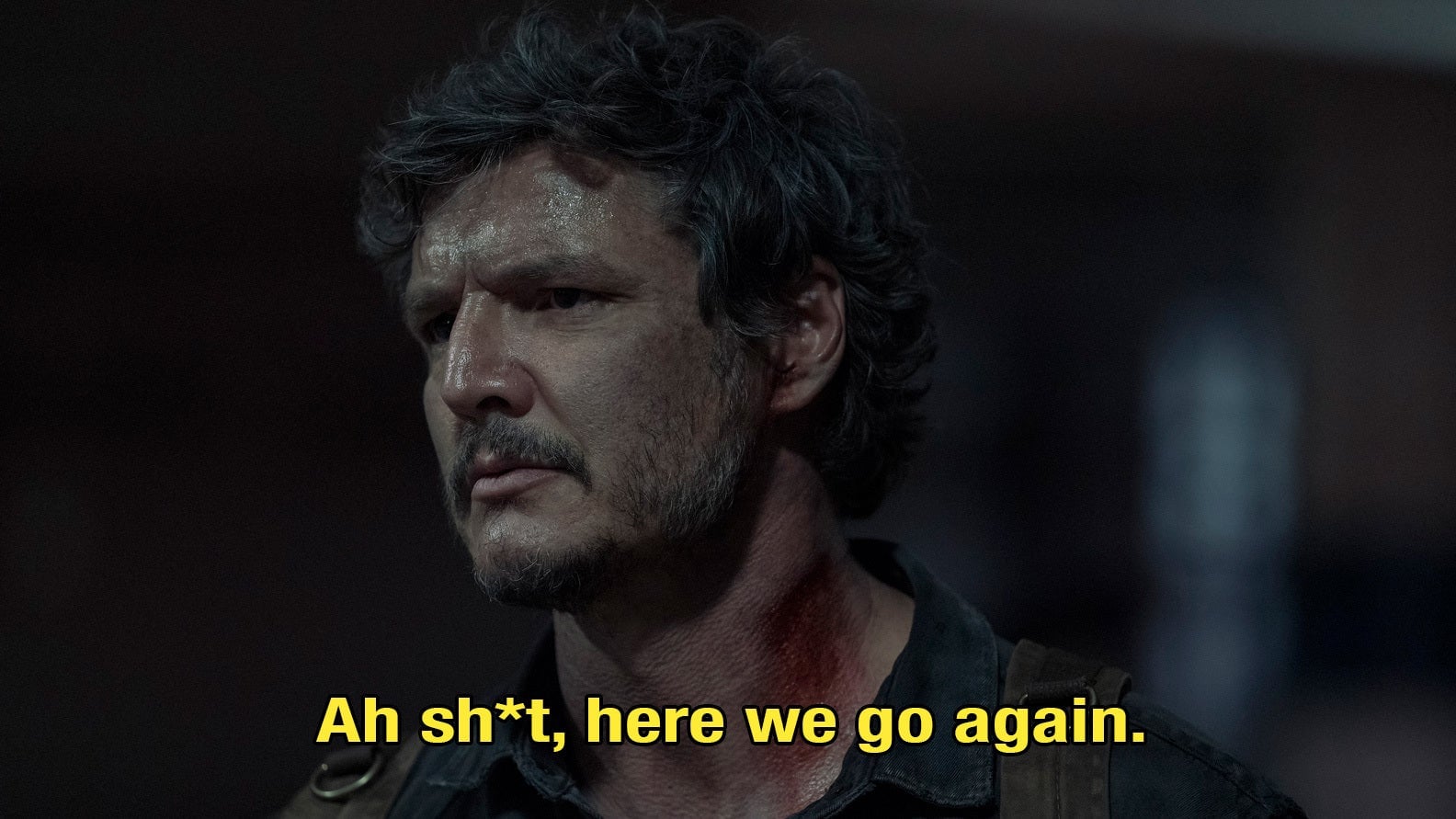
What the popularity of HBO’s series means is more discourse about an ending that has been talked to death in many gaming circles, and more conversations about whether or not video games can successfully be adapted into television shows and movies. It means, as Carl “CJ” Johnson so eloquently puts it in Grand Theft Auto: San Andreas, “Ah shit, here we go again.”