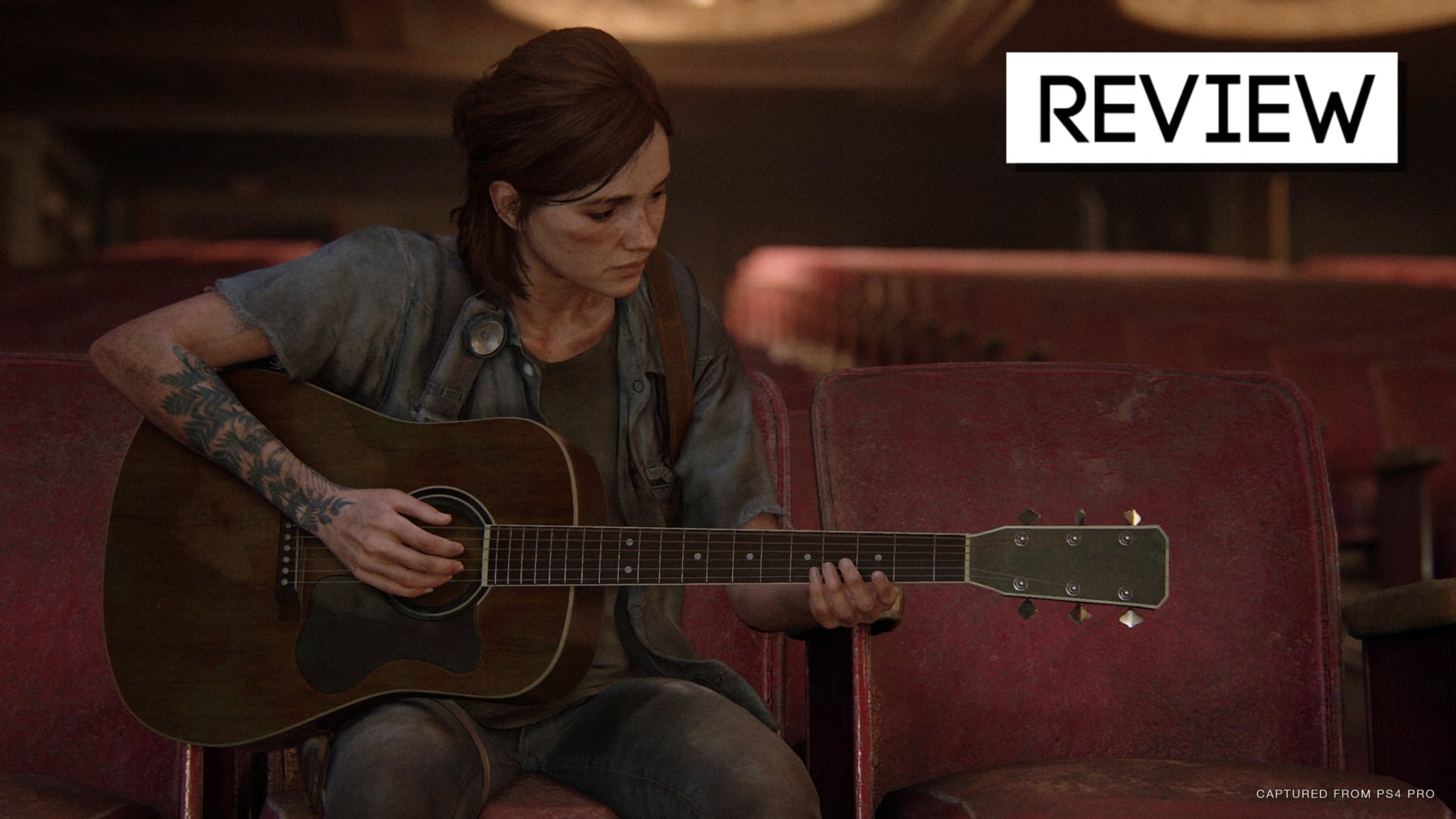
Everything in The Last of Us 2 takes work. Every weapon reload, killing blow, and crafted item takes time and button presses. At times the game is painfully slow; even in the most action-packed sections you put in effort to move things forward. You’re paid for this work in a grim story and explicit violence. It can be exciting and beautiful, but mostly I just felt like shit.
This piece originally appeared 6/12/20. We’ve bumped it today for the game’s US release.
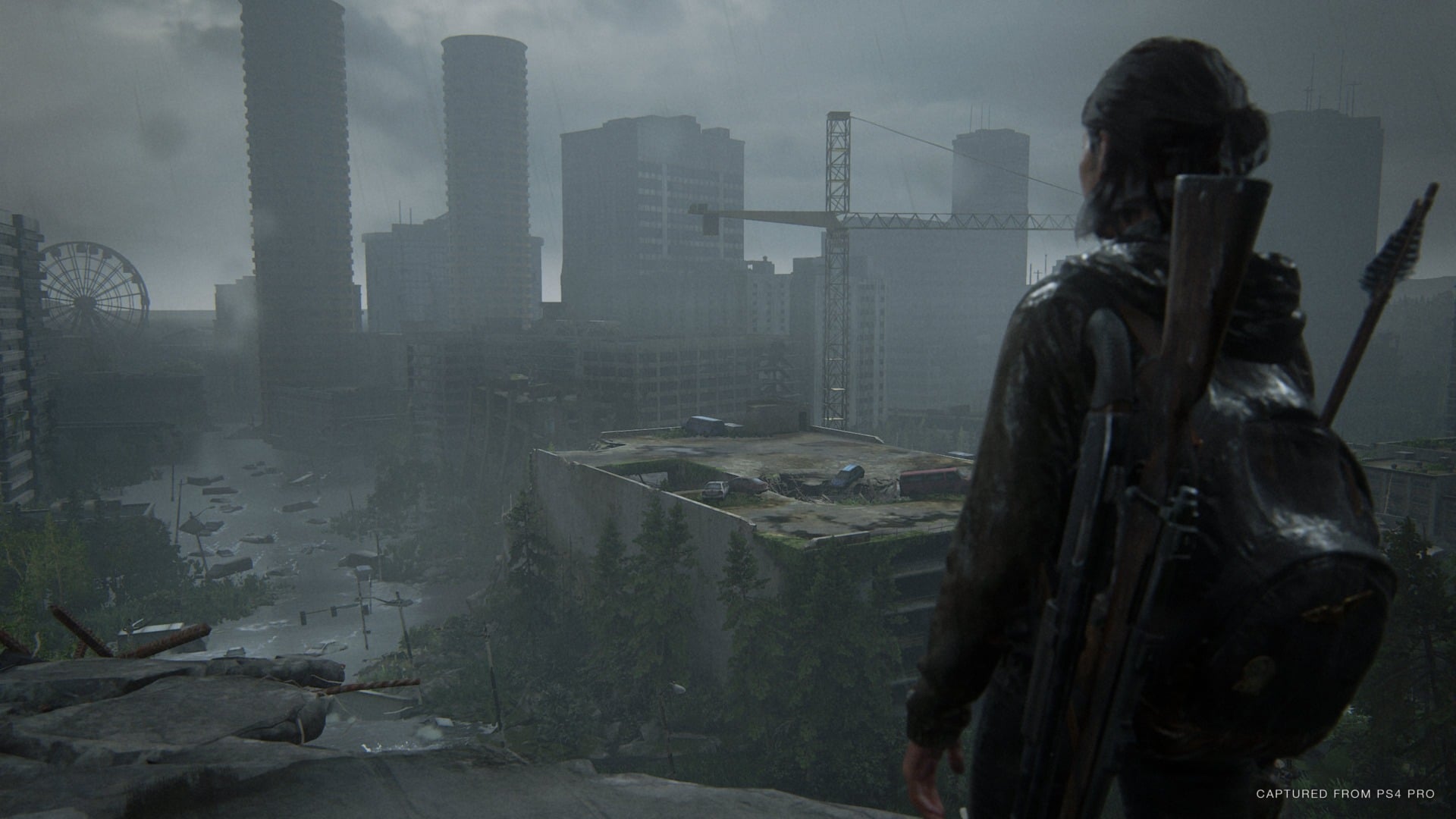
The Last of Us 2, out June 19 for PlayStation 4, is a sequel to Naughty Dog’s dark 2013 sort-of-zombie adventure The Last of Us. It’s a third-person game where your character is trying to exact revenge, but infected ex-humans and warring militias keep getting in the way. You can deal with these obstacles by sneaking past them, but more likely than not you’ll end up fighting them with limited ammo, improvised weapons like trip mines and pipe bombs, and a thrown brick or two. Its main setting of a post-apocalyptic Seattle is huge and challenging to navigate—when you aren’t fighting, you’re pushing debris out of the way, squeezing through gaps, and crawling under rubble. This gives the game a sense of effort and scale that make traversing a few city blocks feel like a huge adventure, but it’s also exhausting.
As suggested by interviews with its creators and its own marketing, The Last of Us 2 is meant to feel very, very bad. Director Neil Druckmann has touted the game, as he described in one video, as “a commentary about the cycle of violence” and a game that asks “philosophical questions” about revenge and consequences. Pre-release marketing made it clear the game would be a divisively violent, difficult experience. Going in, I wasn’t sure I wanted a game that asked me questions about the consequences of my actions, since I live in the world we all find ourselves in now, where I’m hyper-aware of the fact that a careless cough in the grocery store could kill someone I’ve never met. I knew it would be hard to play, especially now. I knew I probably wouldn’t enjoy it in any traditional sense.
My playthrough of The Last of Us 2 felt terrible to experience. Over the course of my 27 hours with the game, it grew to the point of feeling nearly unbearable. This wasn’t because it asked me hard questions about my own capacity for harm or revenge, or pulled some Spec Ops: The Line-style moralizing about video game violence. Despite Druckmann’s promised “philosophical questions,” I never felt like the game asked me anything. Instead, it told me “brutality,” repeatedly and louder, until by the end I couldn’t hear what it was trying to say at all. Characters make hideous, irredeemable choices, over and over. Everybody suffers, physically and emotionally, in graphic detail. This is all intended to prove a point, but the only point I got from the game was simply to be required to stare at violence, and play through violence, and then do that again, and more, and again, and more.
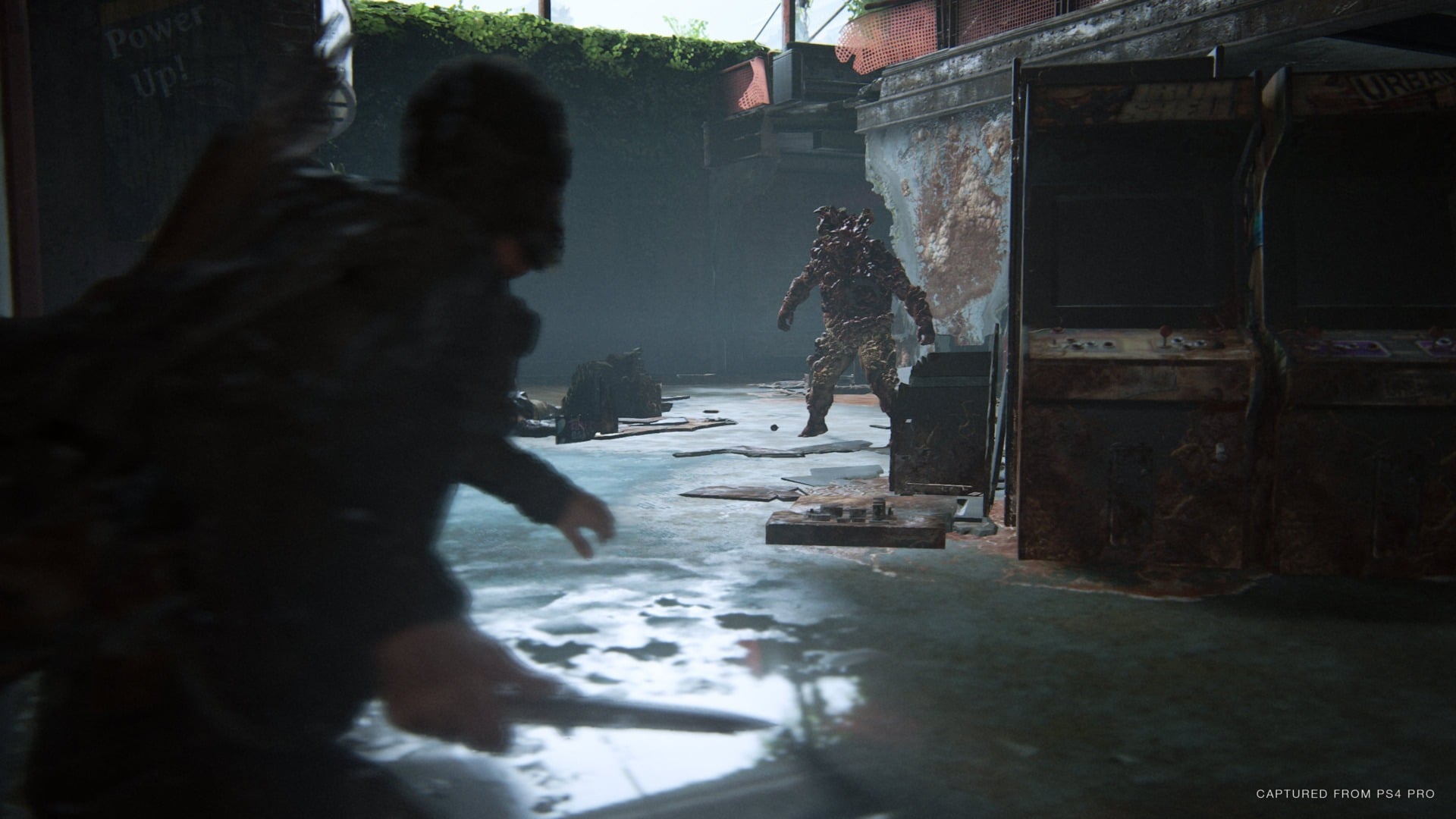
A lot of this violence is just run-of-the-mill games violence, the kind I honestly don’t spend a lot of my time worrying about. The game’s world has been overtaken by a fungal infection that’s turned most of the population into zombies called Infected. They’re half-monster and half-plant, and they come in varieties that require different strategies. They’re terrifying and beautiful, and you respond to that beauty by knifing them in showers of blood and listening to them writhe and scream when you light them on fire with explosives. You also kill a lot of human enemies, whom the developers have given names and friends, and whose beliefs have led them to join one of two factions: the militant Washington Liberation Front or the religious Seraphites. Despite the factions’ ideological differences, they all die the same when you shotgun them in the face or nail them with an arrow. They cry in fear or call for the friends you’ve either killed or are about to. One faction has scent-tracking dogs—who you’ll also kill—who whine over their dead masters.
You’re supposed to feel bad about this—in his preview of a section of the game, Kotaku’s reporter Nathan quoted narrative lead Halley Gross (known for her work on HBO’s Westworld) as saying of combat, “So much of what we’re trying to do is create empathy for the other. We make this enemy, and then how do we make you feel for them?” But the game’s story has so much more violence, so much more suffering that plays out over multi-stage quests and long cutscenes and effortful quicktime events, that I lost the ability to care about these everyday acts of carnage or whether I could have avoided them. There was only one combat moment in which I actually felt a moral qualm about killing enemies. I tried to avoid it, but as soon as my stealth attempt failed, I just shot my way through the survivors. This is perhaps a commentary—that it’s easier to inflict harm to get what you want than not—but by that point the game’s violence had worn me down so much that even these characters with names and friends and pets were just more virtual bodies on the pile.
If you’ve read this far into the review looking for more details about just what this game is about, there’s a catch. Even though many of the game’s plot details were unexpectedly leaked via a hack in late April, a condition of us being able to review the game a week early with a Sony-provided copy is that we can’t spoil certain things. There’s plenty in the game I wouldn’t have spoiled anyway, since it’s full of events that are meant to surprise. And I can say that, having dug into those leaks, there was plenty in the game that surprised and shocked me. But key parts of the game’s story are off-limits here—not just how the game ends, for example, but also how it begins—as are large portions vital to explaining why I felt how I did about it. People who’ve seen the leaks may know some of this—though not all—but for the purposes of this review, there’s a whole lot to talk around.
The original The Last of Us told a story that felt small and human, whereas the second tells one of all-consuming vengeance. In that first game, a gruff middle-aged smuggler named Joel has to shepherd a 14-year-old girl named Ellie across the post-apocalyptic United States. Ellie is immune to the outbreak, and Joel is taking her to a medical base to see if her immunity can help create a vaccine. In the game’s astonishing ending—spoilers?—when Joel learns that making the vaccine will kill Ellie, he murders the doctor and takes her from the hospital. He lies to her about what happened, telling her a cure is impossible. The player is left wondering if Ellie believes him in the game’s last moments.
The Last of Us 2 begins four years after that moment, 25 years into the outbreak. Joel and Ellie, now 19, live in a settlement in Wyoming. They’re estranged from each other, and their interactions are sorrowful and tense. Ellie’s life is grim, but it has safety and goodness too. When the game starts, she’s recently shared a kiss with a woman named Dina, an event Naughty Dog showed in the game’s E3 2018 gameplay trailer In the early hours, players get a glimpse of Ellie and Dina’s lives. They go on patrol for Infected; they smoke a joint; they have sex; they start falling in love.
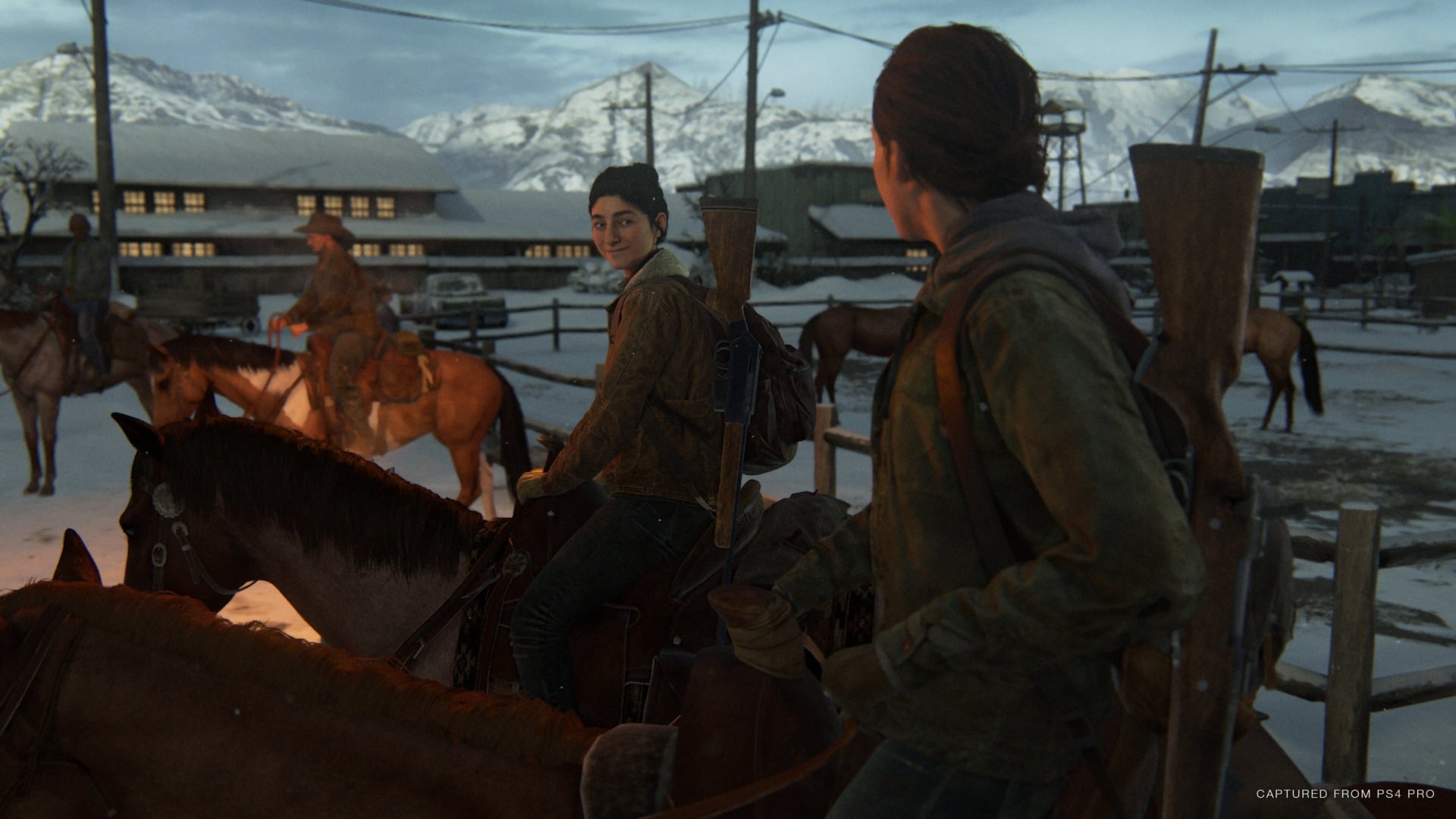
The characters are diverse, covering a range of genders, sexualities, and ethnicities. The game handles all of this well, neither downplaying it nor drawing undue attention to it. In a masterful scene, Ellie and Dina both share secrets; as a queer player, it felt wonderful to see queer characters confess things other than their sexuality. While I don’t consider representation alone an accomplishment, I appreciated the diverse cast. The game doesn’t make any big statements about it, which feels like the right choice—different kinds of people exist, and they face the game’s world, good and bad, like everyone else.
Despite the things in Ellie’s life that are going well, what happened at the hospital haunts her, and it strains her relationship with Joel. The lie eats at them both, whether they know it’s a lie or not. Joel struggles with the consequences of his choices; Ellie struggles to trust him while wrestling with her immunity to the outbreak and what good it could have done. There’s a way in which she’s untouched by the problem everyone else is having—she can’t get the disease that has taken so much from the world—but, as the player knows, any possibility that she could have done something about it is long dead.
I would have gladly played a version of The Last of Us 2 that explored these themes, that, like the first game, focused on the very human struggles of its characters set against a grim and brutal world. But that’s not the game we get. Inevitably, a violent tragedy ensues in Jackson. (That’s all I can tell you about it for now.) Ellie sets off on a revenge quest that consumes the rest of the game, which sends you to Seattle, puts you between two warring groups, and—those restrictions again!—escalates in gruesome ways.
The game sends you on its revenge quest in a way that feels both narratively relentless and physically slow. In the early parts of the game, there are long stretches between combat and narrative in which you laboriously pick your way through the ruins of Seattle. By the middle of the game, I was fighting through consecutive tense areas that took time to navigate, and I’d long for a breather so my heart could stop pounding. Other times, something terrible would happen, only for me to be thrown back into combat without a moment to take it in. Tragic story events happened one after another. The game is divided into chapters, but events sometimes escalate without offering a natural stopping point, pushing me on even as I recoiled from what I’d witnessed.
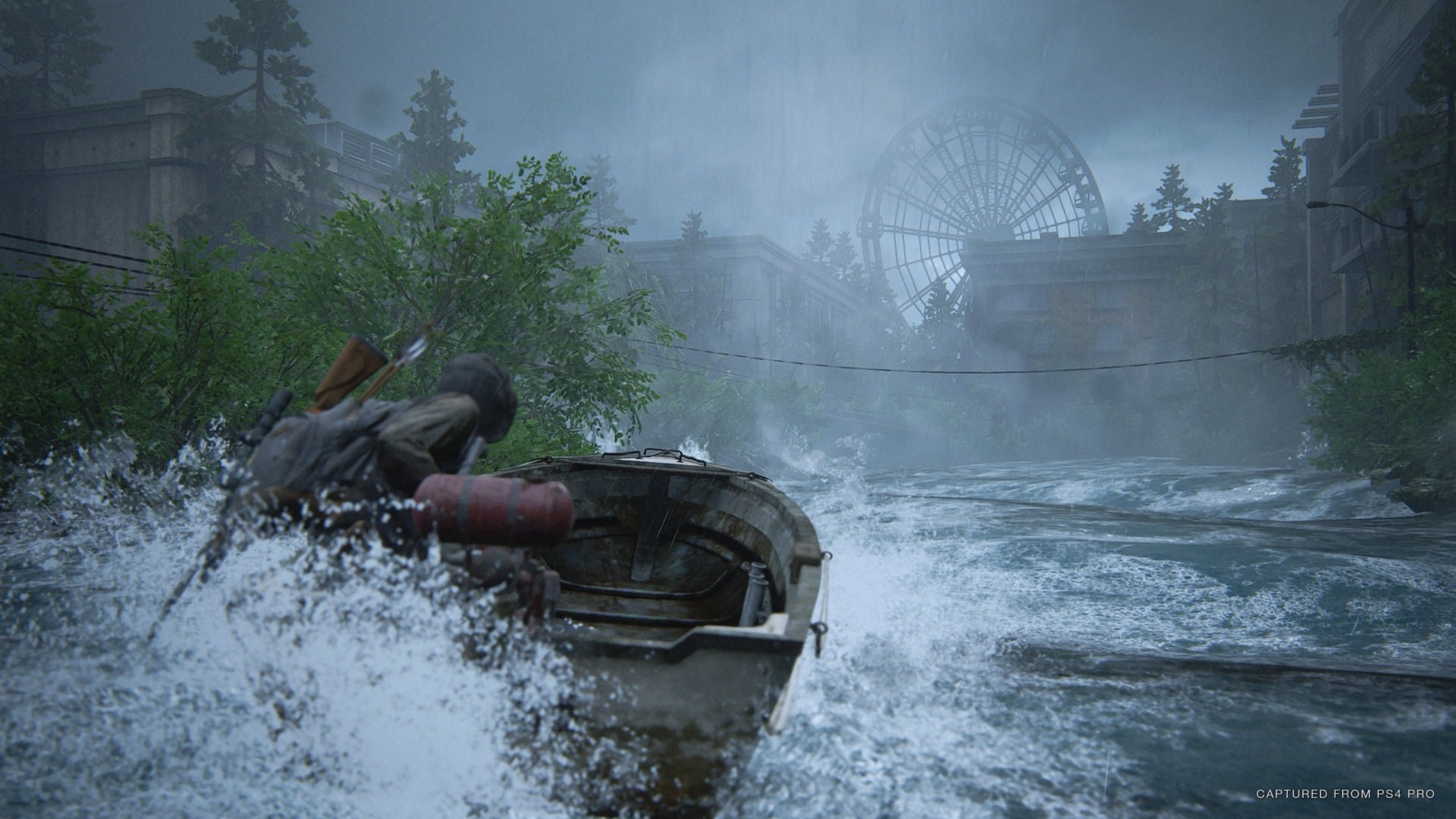
Almost every moment in The Last of Us 2 is hard. Much like in the first game, it takes forever to get anywhere, and so many objects in your way need to be lifted, pulled, and pried via button presses. Here, you can also crawl under things, squeeze through tight gaps, and throw and climb ropes, which you have to slowly gather one coil at a time. The obstacles in the first game created a pace that made sense—you were traveling across the country, after all—and here the new and old features combine evocatively with the size and wilderness of Seattle to make it feel treacherous. While The Last of Us 2 never quite pulls off the beauty of the original’s giraffe moment, the nature that’s overtaken Seattle is gorgeous and awe-inspiring. Rapids crash through what used to be downtown streets, trees tower overhead, and the damp, lush greenery feel both prehistoric and so much like the Pacific Northwest. Nature also makes progress difficult; I often hit so many dead ends and overgrown areas in my journey toward a waypoint that I lost all sense of my initial destination until dialogue or a prompt reminded me.
Combat seldom picks up the pace. It works fairly similarly to the first game: you’re neither a tank nor a ninja. You’re always outnumbered, and ammunition and crafting parts are in painfully short supply. You can improve your odds a bit via several skill trees, which are unlocked with findable manuals and upgradable with findable pills. There are skills that give you more health, make you move faster when prone, or let you craft more quickly. You can also upgrade your guns at workbenches using scavenged parts, reducing sway or increasing damage. All of this necessitates scavenging, which you’ll also need to do to find parts to craft pipe bombs, molotovs, and certain kinds of ammo. This search draws out combat moments: you’ll kill a few enemies, detour to rummage through drawers for supplies, hide somewhere to craft, and then head back to the fight. I enjoyed this pace, even when it made me ache for an encounter to be over.
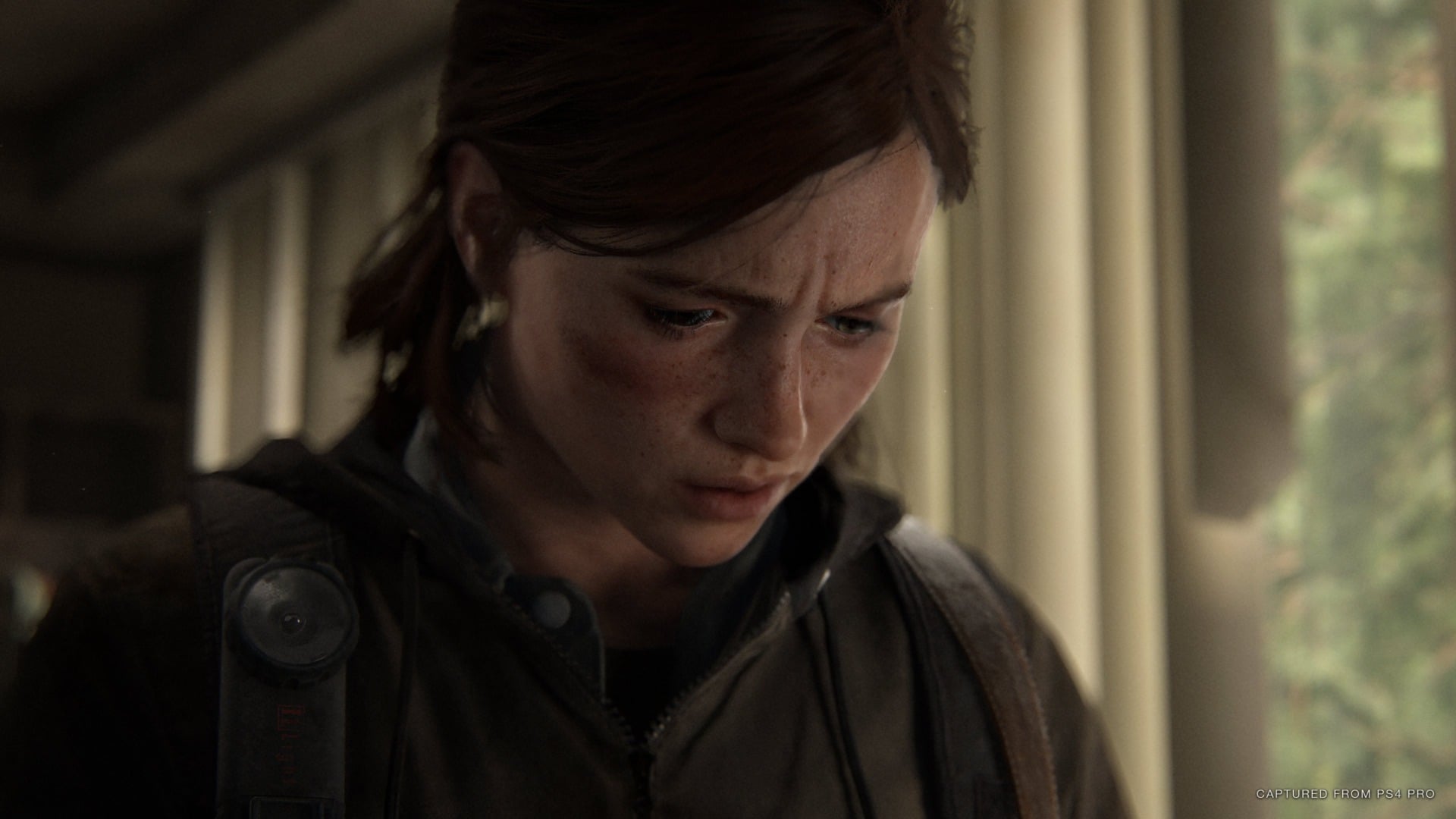
The Last Of Us Part 2
-
back of the box quote
“What if every terrible thing you can think of, but more of it?”
-
type of game
Misery simulator
-
liked
Uniquely slow pace, beautiful nature
-
disliked
Violence and suffering overwhelmed the story, felt like brutality simply for the sake of it
-
developer
Naughty Dog
-
platform
PlayStation 4
-
release date
June 19, 2020
-
Played
About 27 hours for a full playthrough
Your best bet in combat is to sneak around picking off enemies one by one, aided by the “listening” ability that lets you see their outlines through walls. You can hide behind cover, or go prone in grass, but none of this is quite as sharp as it would be in a true stealth game. In most of my battles, something inevitably went wrong and multiple enemies would rush me. In these moments, I had better luck running frantically than standing my ground, where scarcity made head-on battles difficult and wasteful. Combat went the best for me when enemies would come to investigate a downed colleague and I could pick them off individually, or when they were far enough apart that I could take them down unseen. In these instances, I’d fall into a compelling rhythm of sneaking and grabbing. But then a particularly dangerous Infected would appear who’d require too much attention or ammo, or I’d run out of crafting materials necessary to keep fighting, or the door I’d finally made it to was locked and I knew it would be another real-world hour before I moved the story forward. None of this is bad—it’s a feel unique to The Last of Us, combining some of my favorite sensations of survival and stealth games—but it wore me out. As the game grew more difficult to stomach, the pace of the combat sometimes felt like punishment. I’d long to be done with what I was experiencing, only to have no choice but to trudge through it.
If The Last of Us 2 was just a game where its story unfolded between characters while you played slow combat and explored nature, I would have found it fine. If it kept the emotional weight of the original, the relatable ways the characters’ relationships formed and dissolved, it would have resonated with me the way the first game did. I played that game for the first time with friends on release day; one of my friends, a comedian, did most of the playing as the weekend wore on. She made such great jokes while she did—the hilarious internal monologue she spun for Joel sticks in my memory seven years later—but as we played, the jokes faded out. We both sobbed at the end. It felt like we’d shared something incredibly special, an experience a game had never given us before. I’ve played the game on my own since, as well as the Left Behind DLC, but they’ve never affected me as much as seeing the original’s final moments for the first time.
The Last of Us 2 didn’t give me any moments like that. In the above-quoted video, Druckmann says the core of the game is about “these really intimate, intense relationships.” I bring this up not to quote the game’s marketing, but to try to understand what the people who made it thought they were doing. The story I experienced was about relationships only insofar as characters did things to each other. I didn’t learn anything about what it means to be human, or what we’re capable of when we’re hurt, or what can happen when we want to hurt others. The way Joel hurt Ellie in The Last of Us felt relatable to me; even if the fate of humanity has never hung in the balance, I know how it feels to make a desperate, selfish choice to hang on to something you love. The Last of Us 2’s amount of cruelty and violence ultimately overwhelmed any chance of that relatability here. I didn’t find it prurient—the game doesn’t relish in its gory deaths or emotional suffering. It just takes every opportunity to show them, over and over, and decides that counts as saying something about them. It showed me so much ugliness, and in such detail, that I felt numb as terrible things befell more characters I cared about. Sometimes I did these terrible things myself, through gameplay. Sometimes I just watched things play out in front of me with no say in the matter, a lack of agency that was so skillfully used in the first game. Neither circumstance felt more affecting than the other; both just felt like more. The game’s diversity, which I appreciated at the beginning, just felt like an equal opportunity for different kinds of people to suffer as the game went on. Eventually, my numbness turned to an anger I’ve never felt about a video game. Late one night, I paused the game and asked myself aloud if the developers thought I was stupid, if they thought the existence of violence had just never occurred to me before.
It’s difficult to talk about all of this a week before most of you reading can play the game for yourself. In a recent fawning piece in British GQ, Druckmann is quoted as saying, “There were people [at Naughty Dog]—a minority of them—that were just stuck on how violent it [the game] is and how dark and quite cynical it is about mankind.” That even the people who made the game are divided about it is a clear sign that players are going to have radically different experiences. The first game’s story was polarizing; this one’s will clearly be as well. So many people worked on this game for so long, and at such cost, that I want The Last Of Us 2 to be more than the experience I had. It’s a visually beautiful game that feels distinct to play, and the story it tells and how it tells it, at the most basic level, certainly pushes the edges of what games have done before. None of those accomplishments elevated or redeemed it for me. Like the nature consuming Seattle, or the outbreak consuming humanity, its ugliness overshadowed everything else.