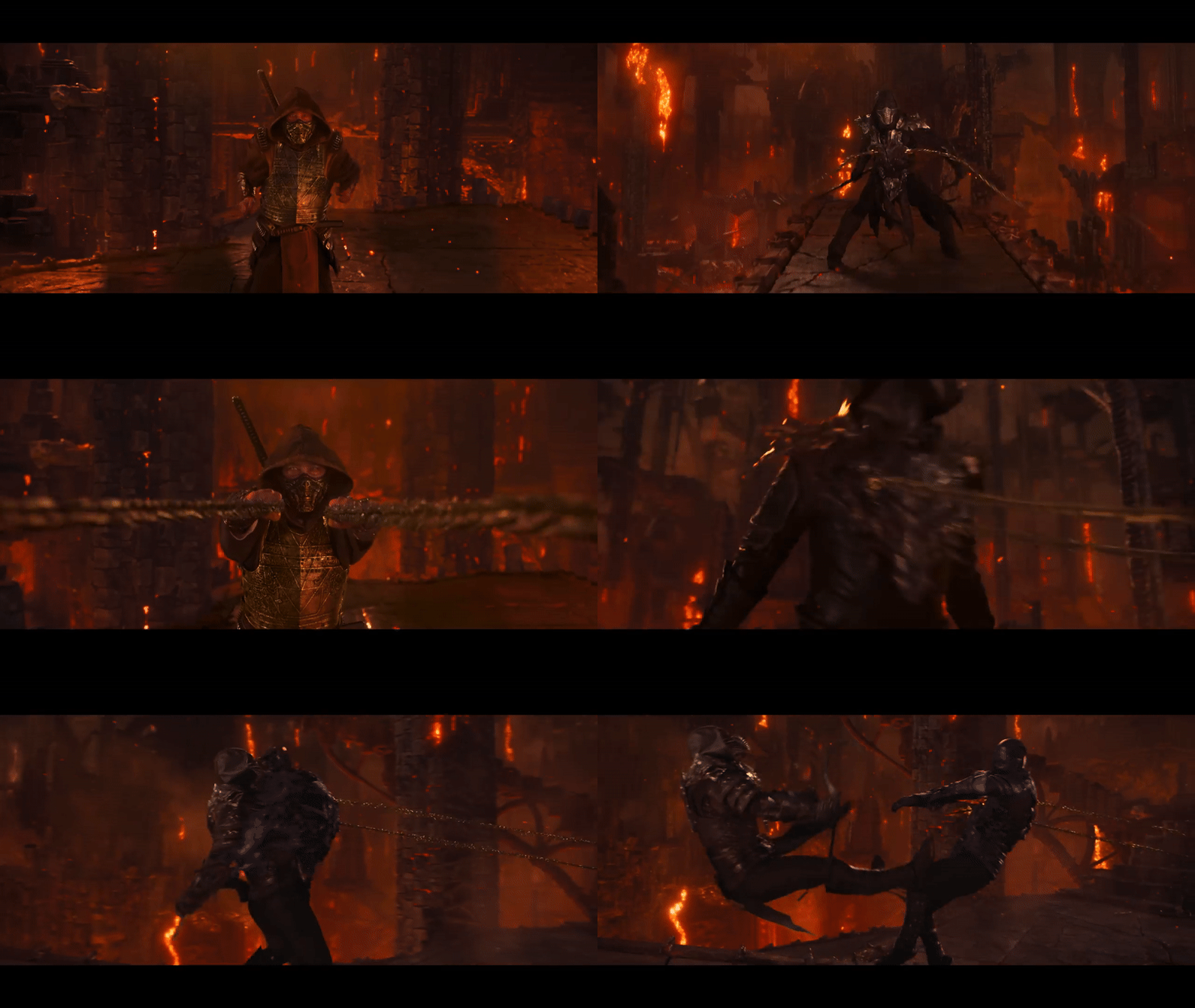

The ninth major Mortal Kombat does more than just offer a clean slate for the nearly 20-year-old series, famous for its over-the-top blood and gore. NetherRealm Studios’ reboot of the Mortal Kombat franchise sets a new bar for what a fighting game should offer its fans.
The new Mortal Kombat returns the series to its hyperviolent roots, a welcome change of course after the neutered but enjoyable Mortal Kombat Vs. DC Universe. Stripping out the 3D movement, weapons-based fighting and stances that found their way into Mortal Kombat games over the past decade, players will find a fighting system more reminiscent of the first three entries.
https://lastchance.cc/mortal-kombat-vs-dc-universe-review-finish-him-5090678%3C/a%3E%3C/p%3E
Why You Should Care
Mortal Kombat is a return to form for developer NetherRealm, which clearly invested its heart and soul into making the best possible fighting game it could, perhaps the best of the series. This is classic Mortal Kombat stripped to its muscle and bones, packed with things to see, do, unlock and, best of all, kill in the most gruesome ways possible.
What We Liked
Stripped-down Fighting Never a fan of Mortal Kombat‘s attempts to reinvent itself with weapons and multiple fighting styles, I fell in love with this game’s strict 2D approach. The core combat mechanics are familiar, with Mortal Kombat staples like uppercuts, leg sweeps, throws and jump kicks, plus spectacular special moves for every character. Mortal Kombat has always leaned toward a fantastical approach to its specials, with fireballs, magic spells and teleporting attacks run of the mill stuff. Mortal Kombat expands its fighting system with a new meter that fills in three stages. At stage one, players can enhance certain moves to be more deadly, typically doubling a move’s effectiveness. Fill that meter up further and players can pull off combo-breaking retaliation attacks to interrupt a serious pummeling. Filling that meter to its max unlocks a devastating “X-ray Move,” a brutal-looking and risky combo attack. There’s great tactical advantage to using all three of these metered moves, adding a deep layer of strategy to multiplayer matches. Fortunately, all of this is explained to the player through a brief, but serviceable tutorial.
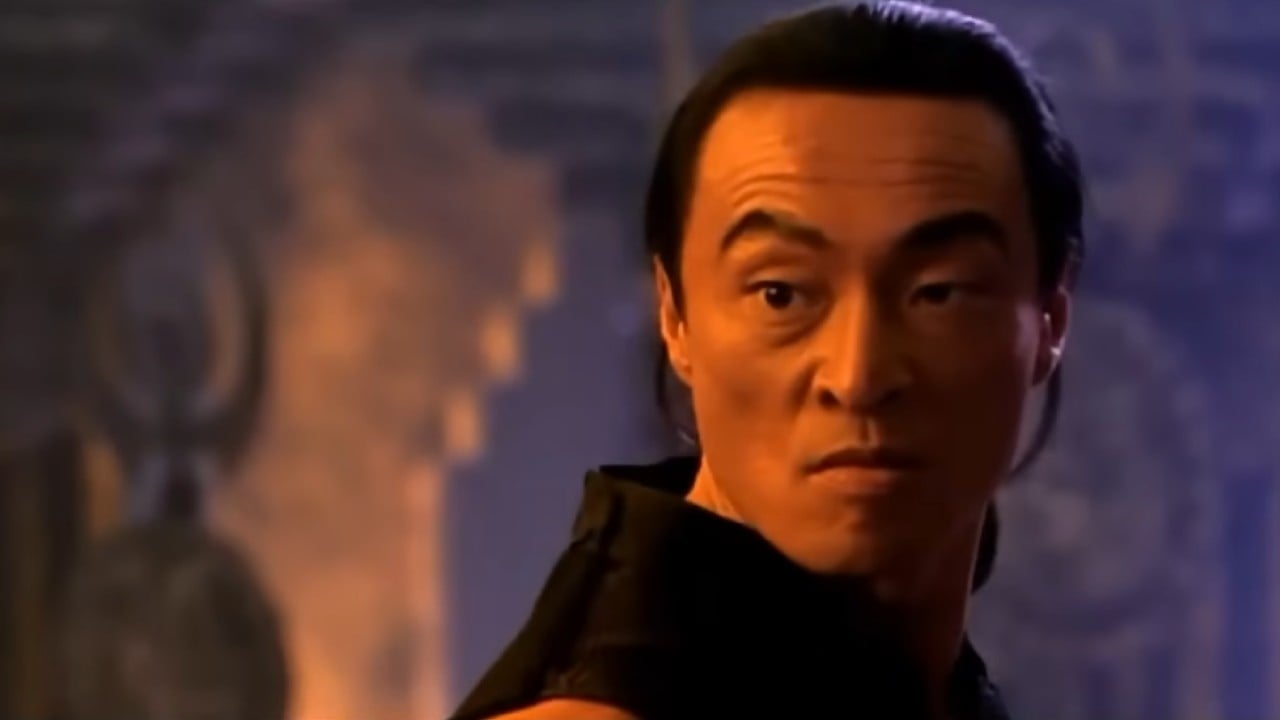
Caring About A Story Mode In A Fighting Game I couldn’t begin to tell you the plot of the Street Fighter, Soulcalibur or Tekken series, but Mortal Kombat made me feel invested in its expertly retold mythology. The game’s single-player story mode, a retelling of the arc from the first three Mortal Kombat games, bounces from character to character over the course of more than 15 chapters. It’s here in this hearty mode where we learn more about the complicated relationship between Scorpion and Sub-Zero, where cyber-ninjas come from and why these Mortal Kombat tournaments exist in the first place. Fights are interspersed with tons of expertly produced, sometimes campy cut scenes. Most are excuses to get back to the fighting, but this is where Mortal Kombat‘s personality shines through. The only downside is fighting the viciously hard, frustratingly cheap Shao Khan.
Fan Fare for the Common Player In addition to that beefy story mode, Mortal Kombat offers the Challenge Tower, a 300 level series of fights and mini-games that’s dripping with variety. Challenge Tower is part tutorial, delivering challenges that limit blocking, eliminate special moves or sometimes required you to battle numerous opponents. Some challenges are simply bizarre, including match-ups that force you to fight with no arms or without your head. In addition to Challenge Tower, there’s an Arcade Ladder mode, a throwback to the single-player component of the arcade. You’ll get a little more story here, an excuse to play around with the game’s roster of more than two dozen combatants.
Kontent Kontent Kontent There’s even more to this Mortal Kombat, including a Fatality Training mode that lets you skip right to the gory stuff and the Krypt, a huge interactive warehouse of unlockable goodies. You’ll spend coins earned in the game’s story mode and Challenge Tower in the Krypt, buying new fatalities, costumes, character art and behind-the-scenes goods. Unlocking all this stuff can be a chore, though as players must navigate a dark 3D landscape to cash in all their coins, but the sheer amount of content NetherRealm stuffed into the Krypt makes the unlock process feel worth it.
Going Online Mortal Kombat certainly isn’t lacking in attractive online features. Players can quickly join ranked and unranked random matches for one-on-one and tag-team brawls. Or they can take part in a King of the Hill mode, a theater mode that (again) hearkens back to Mortal Kombat‘s arcade days. King of the Hill pits players in one-on-one fights, with a “winner stays, loser pays” approach, while others spectate, egging each other on with gestures and rating each other’s performance with Respect Points. A lobby system lets players jump into rooms, set up fights, challenge each other and talk smack. Online performance is generally pretty good, though I have been dropped from a few fights and seen my share of lag over Xbox Live.
I Liked the Part Where He Died No doubt, the gore of Mortal Kombat is an amusing draw and this entry refuses to shy away from its graphically violent history. X-ray Moves show the violence beneath the skin, bones cracking, eyes being gouged, internal organs rupturing. Blood flies liberally in this Mortal Kombat, which also features some of the grisliest finishing moves the series has ever seen. Noob Saibot’s vicious looking wishbone Fatality, in which players are split in half from the crotch up, is a highlight, as is Reptile’s acidic vomiting into the mouth of his opponent.
A Strong Roster Given that Mortal Kombat draws from the first three games and every single character from those titles are represented, the roster should be immediately familiar to the longtime fan. Each and every character comes complete with a deep arsenal of combos, special moves and fatalities. Just as satisfying as Mortal Kombat‘s comprehensive roster is it selection of stages, which re-imagine classics like The Pit, The Living Forest and Dead Pool. Each is lovingly detailed, highly animated and stuffed with fan service—yes, you can finally do a stage fatality that involves a growling tree eating an undead ninja.
What We Didn’t Like
Action Figures I’ve long loved the Mortal Kombat series, despite its sometimes garish character designs, which seem to come in two flavors: men built like He-Man action figures with a fetish for shoulder pads and women who endeavor to show as much cleavage and cheek as allowed by the Elder Gods. One fight, in which a character wears nothing but a few carefully draped bandages, is impressively absurd. Obviously, Mortal Kombat is not a series known for its restraint—and some of the classic costumes address my personal aesthetic tastes—but I’d love a little more variety, a bit more subtlety from NetherRealm. On the technically artistic side, some character art looks awkward during cinematics, downright ugly in others. During actual fights, everything’s great, it’s when things zoom in that flaws start to show.
The Bottom Line
Mortal Kombat offers a great alternative to the fighting games currently dominating the genre’s revival. NetherRealm has lavished an absurd amount of high-quality content on Mortal Kombat, a game that’s both accessible to new players and deep enough for more serious fighting games to dabble with for the first time. What really makes this Mortal Kombat so spectacular is its highly crafted story mode and extensive Challenge Tower, a hallmark for fighting games that illustrates NetherRealm’s dedication to its fans and franchise. Of course, the grisly violence doesn’t hurt, the reason you may have fallen in love with it in the first place.
Mortal Kombat was developed by NetherRealm Studios and published by Warner Bros. for the Xbox 360 and PlayStation 3, released on April 19 in North America. Retails for $59.99 USD. A copy of the PS3 version was given to us by the publisher for reviewing purposes. Kotaku purchased an Xbox 360 version of the game to test the game’s online component. Played through story mode, 100 challenge tower levels and competed in numerous online and offline multiplayer matches.